
Self-Storage Roofing
Self-Storage Roofing in Hoover, AL
One loose screw on a metal roof is a small repair in March. A row of them is a claim in May. Self-storage buildings in Hoover, AL carry two kinds of cost: the roof itself and the tenants' goods under it. A leak that ruins a customer's furniture turns into a customer complaint and sometimes a claim. Storage facility roofs, low-slope or metal, are repaired, retrofitted or replaced, and the manager receives a ranked list that puts the worst buildings first.
The issue: many buildings, one roof type
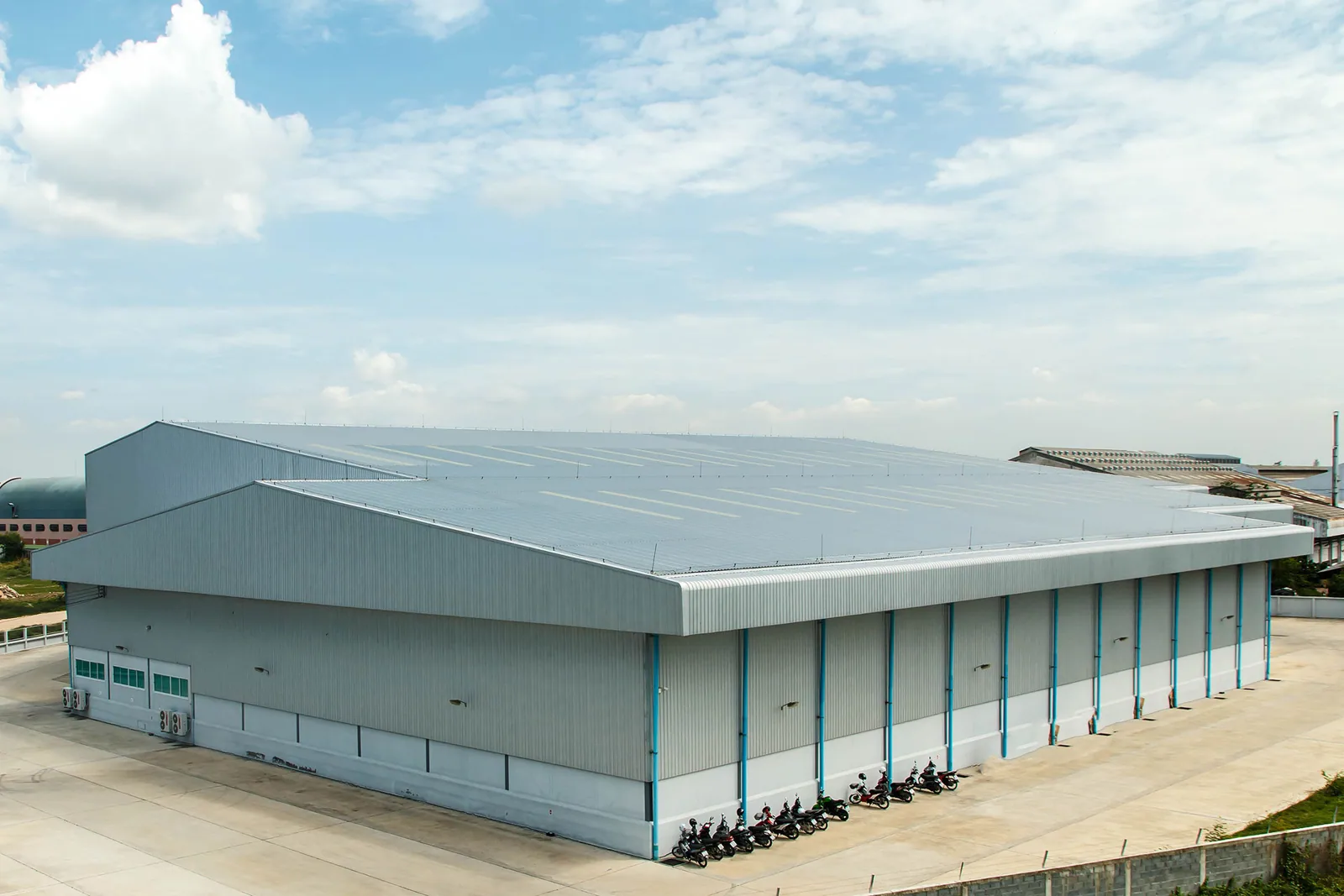
A storage facility is a set of long, narrow buildings. They often share a design and a roof system. Many have metal panels fastened through the face with screws and rubber washers. Others have a low-slope membrane. Some have both, on different buildings built in different phases.
Repeat buildings mean repeat problems. If one building has failing washers, the others of the same age probably do too. So we survey every roof, rate each one, and sort them. That turns a long list of buildings into a short list of priorities.
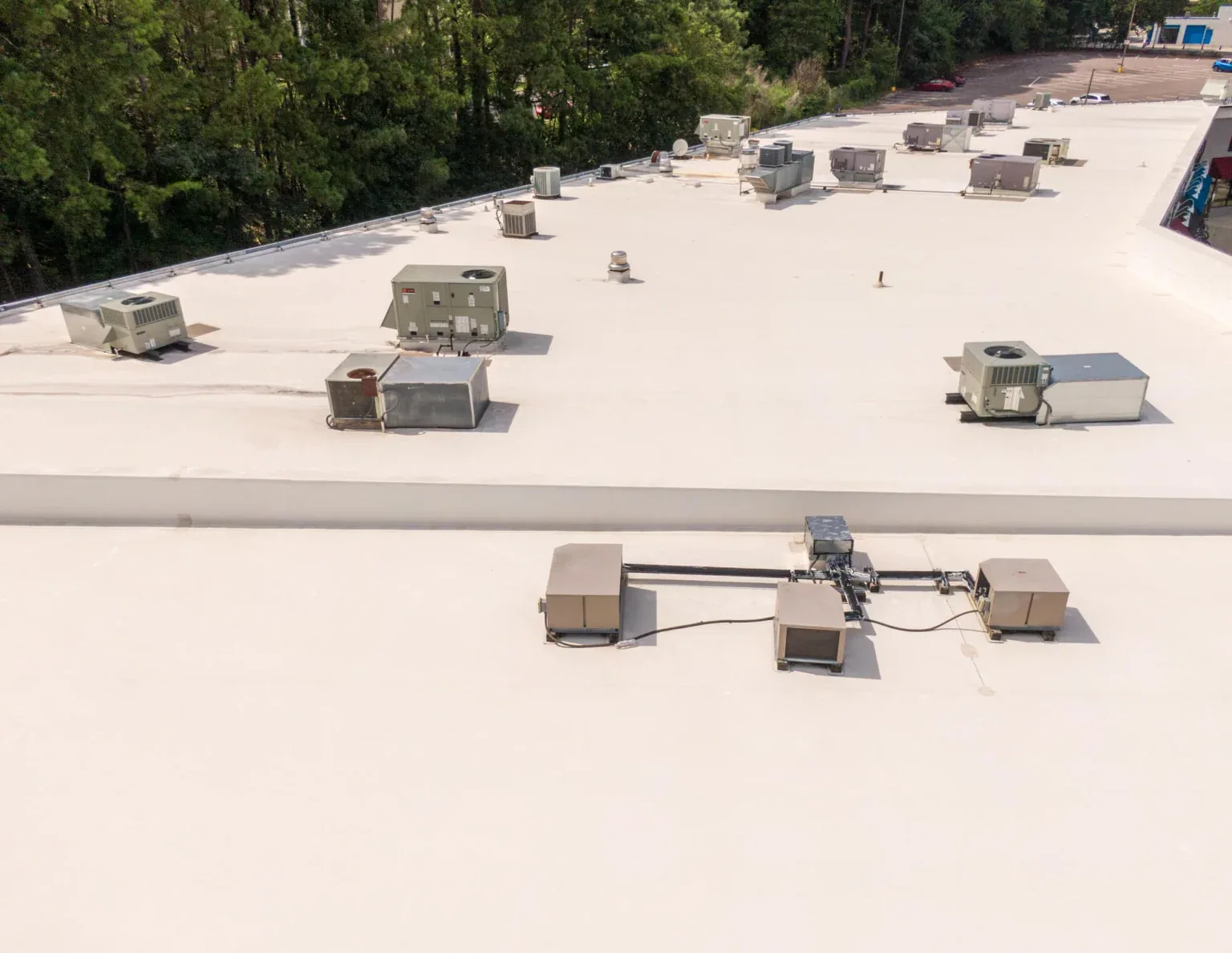
Climate-controlled buildings add a wrinkle. Their roofs hold insulation and sometimes ductwork and units. A leak there wets insulation and raises the energy bill before anyone sees a stain. Drive-up units are simpler, but they have thin roofs with little between the panel and the unit. We note which building is which and check the roof against the use below it. A warehouse roof has similar needs with larger spans.
Gate hours and access codes belong on the plan so a crew reaches every building without a call to the office.
What we find: fasteners, laps and edges
On exposed-fastener metal, the first failure is the washer. Sun and heat dry the rubber. It cracks. Water follows the screw. Next come backed-out screws, where the panel has moved and pulled the fastener loose. Then come open laps, worn sealant at ridge caps and rust at cut edges.
We walk the panels and check fasteners by hand. We look at panel laps, ridge, eave, rake trim and every penetration. On low-slope buildings, we probe seams and check drains and scuppers. Where a building has insulation, a moisture scan shows which of it is wet. Each finding gets a photo and a building number.
Heat and damp wear on all of it. Rain adds up to about 56.6 inches a year around Birmingham, and some 65 days hit 90 degrees or higher.
Gutters and downspouts get a look too. Long rows of buildings shed a lot of water, and a clogged gutter overflows at the eave and soaks the wall. We clear them, check the slope and fasten loose sections. Trim at the eaves and rakes takes wind, so we check its fasteners and seams.
Rust at cut edges is a slow problem. A panel cut on site and left without a seal rusts from the edge inward. We mark each rusted edge and recommend sealing or panel replacement where the loss is deep.
Storm season: hail and wind
Hail dents metal and bruises membrane. Storage roofs took the same weather as the rest of central Alabama on April 25, 2003, when hail reached softball size, part of a year with 29 days of hail above 0.75 inch. Not every dent leaks, but a hard hit can crack a coating or loosen a fastener. Wind lifts panel edges and ridge caps.
So walk the roofs after any storm with large stones. Do it within a week. Take dated photos of every building. A hail damage roof repair starts from that set. The photos also help sort storm damage from older wear if there is an insurance file.
Wind is the second cost. Edges and ridges take the first load, and a lifted ridge cap lets rain run under the panels. We fasten, seal or replace caps that show movement. Then we photograph the repair. The photo set is what turns a storm into a clean file.
When to do it: before the season, building by building
Fix fasteners and laps in winter. Do it before the March through April storm window and again before November. Roof work on a storage site is easy to schedule. The buildings are mostly empty of people. Customers come and go, so we keep access lanes open and mark off work areas.
Larger jobs go building by building. We finish a building and move on. A tenant never sees a roof open overnight. Material is staged out of the drive aisles. A commercial roof repair visit is short, and a full facility pass can take only a few days.
Heat is a limit in July and August. Metal gets hot enough to burn a hand, and sealants flow and fail to cure. Crews start early and finish before the afternoon peak. Spring storms interrupt work, so open areas stay small. Late autumn and winter are the best times for large fastener and lap work.
What it costs: repair, retrofit or replace
Three options. Each has a different cost and a different life.
Repair: replace washers, reset screws, reseal laps. Lowest first cost. Works while the panels are sound. Retrofit: install new framing and panels over the old roof. Higher first cost. No tear-off. It suits buildings where the structure can carry the weight. A metal roof retrofit is that route. Replace: remove the old panels and install new. Highest cost. It resets the clock.
The cost drivers are roof area, building count, fastener condition, panel gauge and rust. We price each option on the same basis so the owner sees all three side by side.
Timing drives price. Storm waits grow after a hail event, and materials get tight. A planned retrofit booked in winter sits in a calmer market. Water gets a season to do its work, so a March repair costs less than the same repair after a May storm.
More on Self-Storage Roofing
Local: Highway 31 and the Pelham-Alabaster stretch
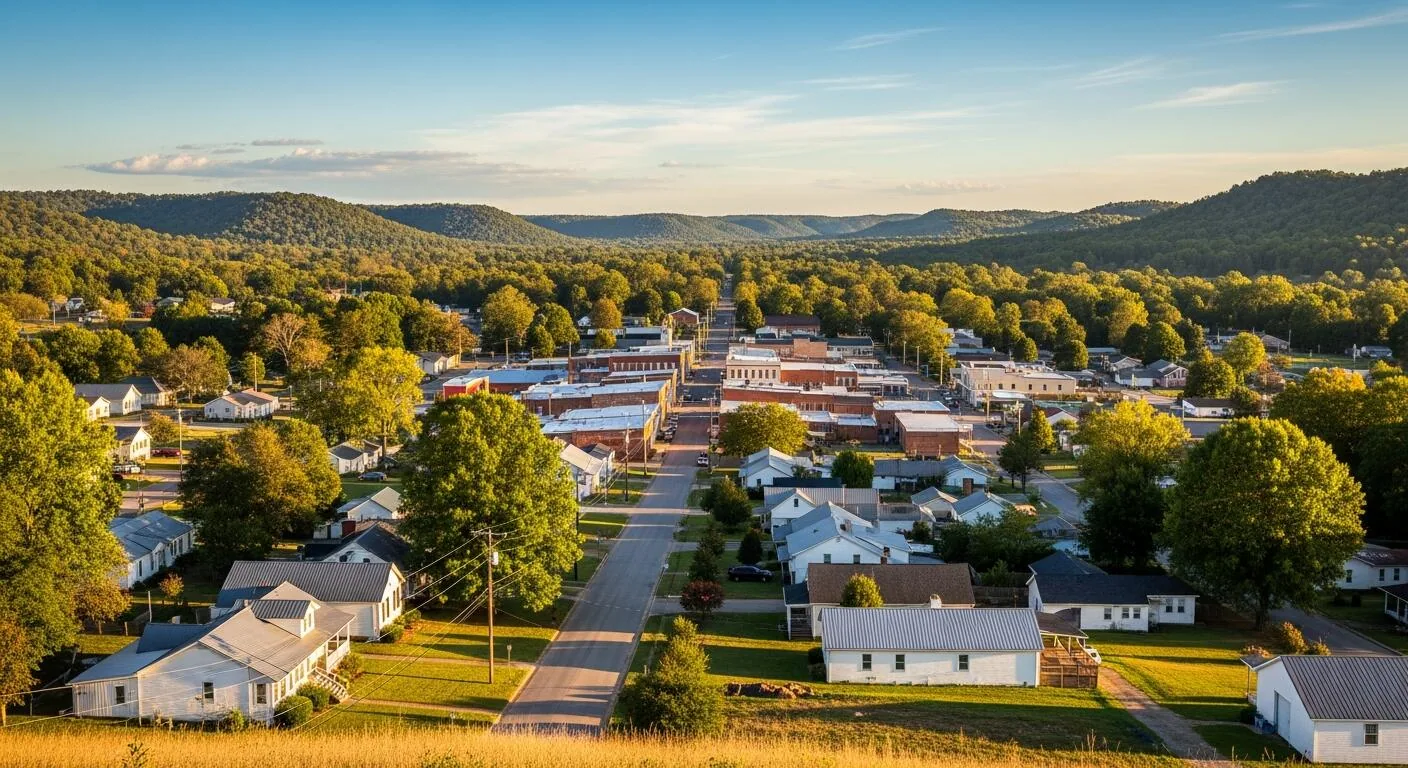
US 31 runs through Pelham and Alabaster, with I-65 reached at Pelham exits 242 and 246 and Alabaster exit 238. A survey records whether each storage building along that stretch carries metal or membrane.
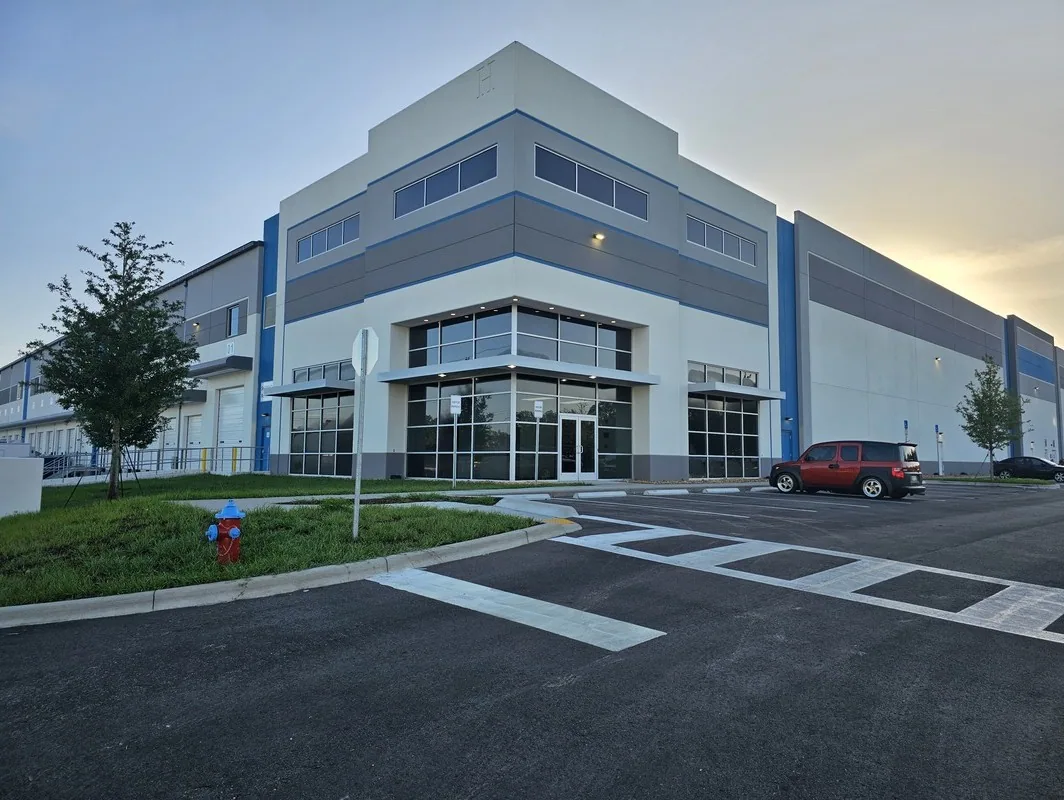
A facility in Pelham or Alabaster gets that survey building by building. Flex industrial buildings carry the same metal and membrane mix.
Commercial Roofing Questions
How do I know if my storage roof screws are failing?
Look for rust streaks below fasteners, backed-out screws, cracked washers and stains inside the unit. A walk with a screwdriver finds the loose ones. Rows of failing washers on one building usually mean the same age and the same failure on the others.
Is a retrofit better than replacing the panels?
It depends on the structure and the budget. A retrofit avoids tear-off and keeps tenants dry during the work, but the building must carry the extra weight. Both options are priced on one basis, and the one that fits the framing and the capital year is the one we recommend.
What happens when a leak damages a tenant's goods?
Document it fast. Photos of the roof, the ceiling and the goods, with dates, protect everyone. We tarp and dry the roof first, then write the findings so the manager has the cause on file.
Can you work without closing the facility?
Yes. We work building by building, keep access lanes open and stage materials away from the drive aisles. Tenants usually do not notice.
How soon after hail should we walk the roofs?
Within a week if stones larger than a quarter fell. Dented metal and cracked coating show up only on close inspection, and early photos help any insurance file.
Related Roofing Work
Warehouse Roofing
Hail Damage Roof Repair
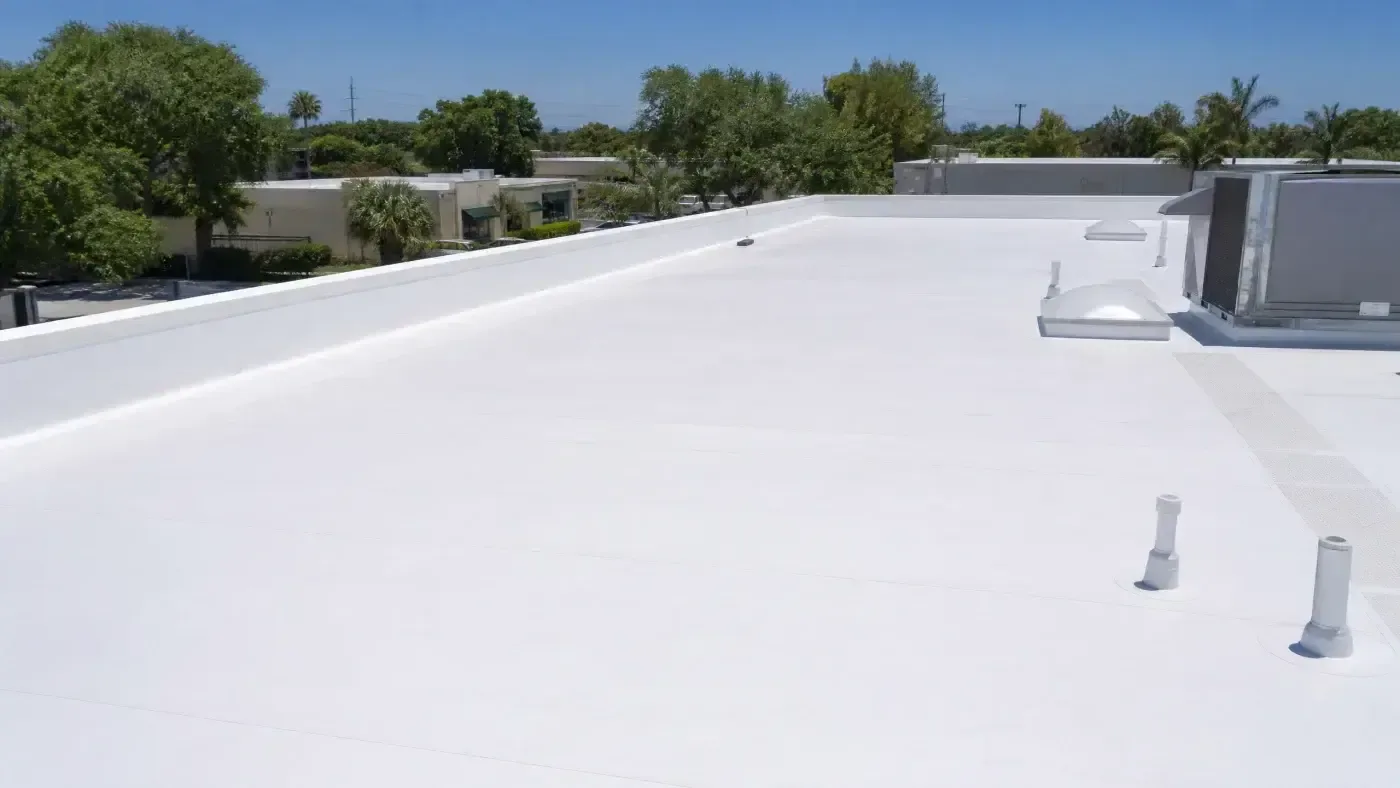
Commercial Roof Repair
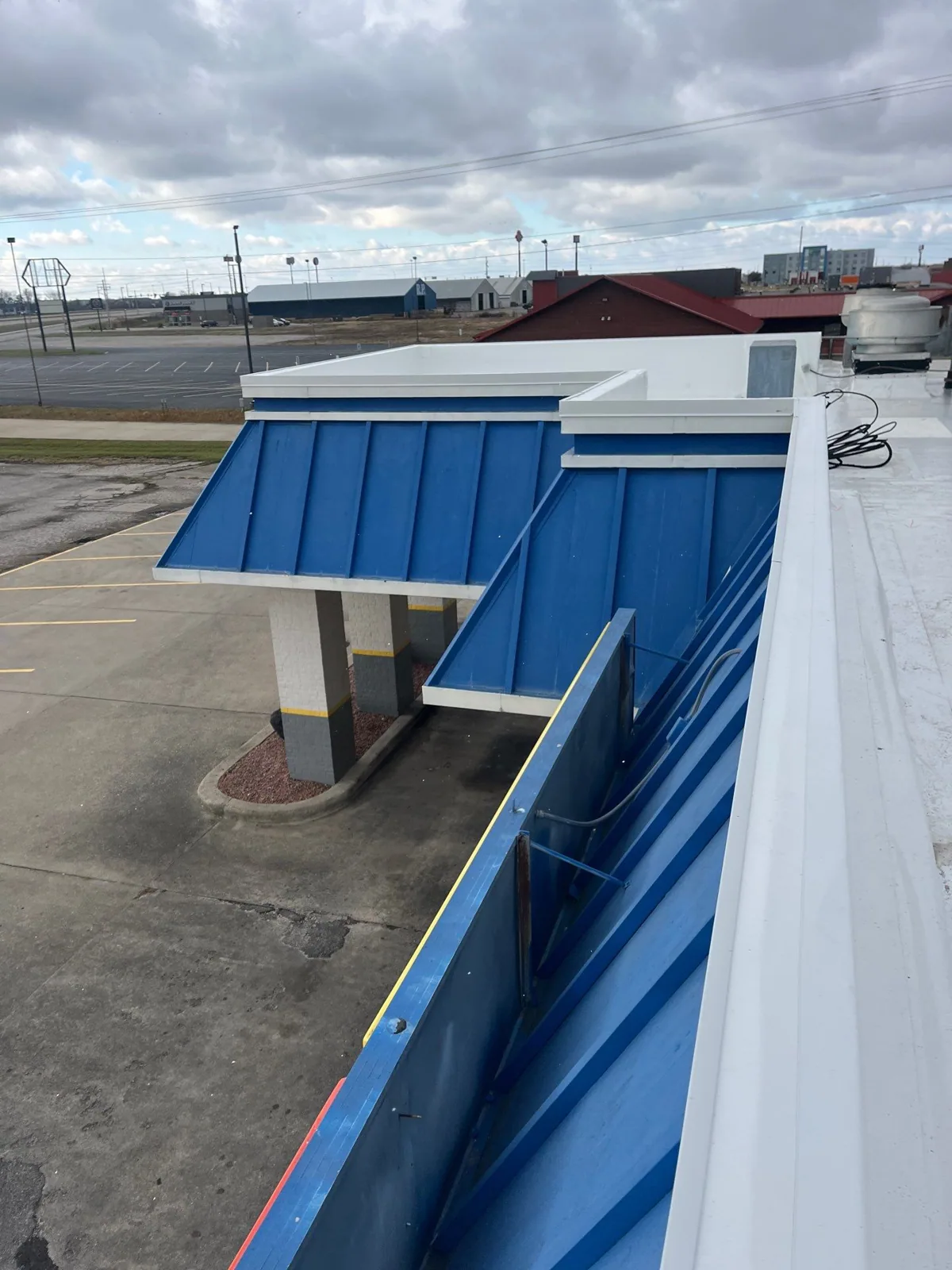
Metal Roof Retrofit
Emergency Leak Calls
Call for a storm walk or budget review
Call before storm season or after hail. The walk pins down which buildings come first, what each option costs and which budget year the work belongs in.