
Roof Recover and Overlay
Roof Recover and Overlay in Hoover, AL
Skipping the tear-off can cut a bill by a good bit. It only works when the old roof is dry underneath. A roof cannot be read for moisture from the top. Hoover, AL sits in a humid subtropical climate, and Birmingham runs near 70 percent relative humidity on average. Water gets into places a surface check never finds.
A recover, also called an overlay, puts a new membrane over the existing roof. Done right, it saves removal cost, landfill cost and a few days of open-roof risk. Done on a wet roof, it seals the problem in. So we test first and quote second.
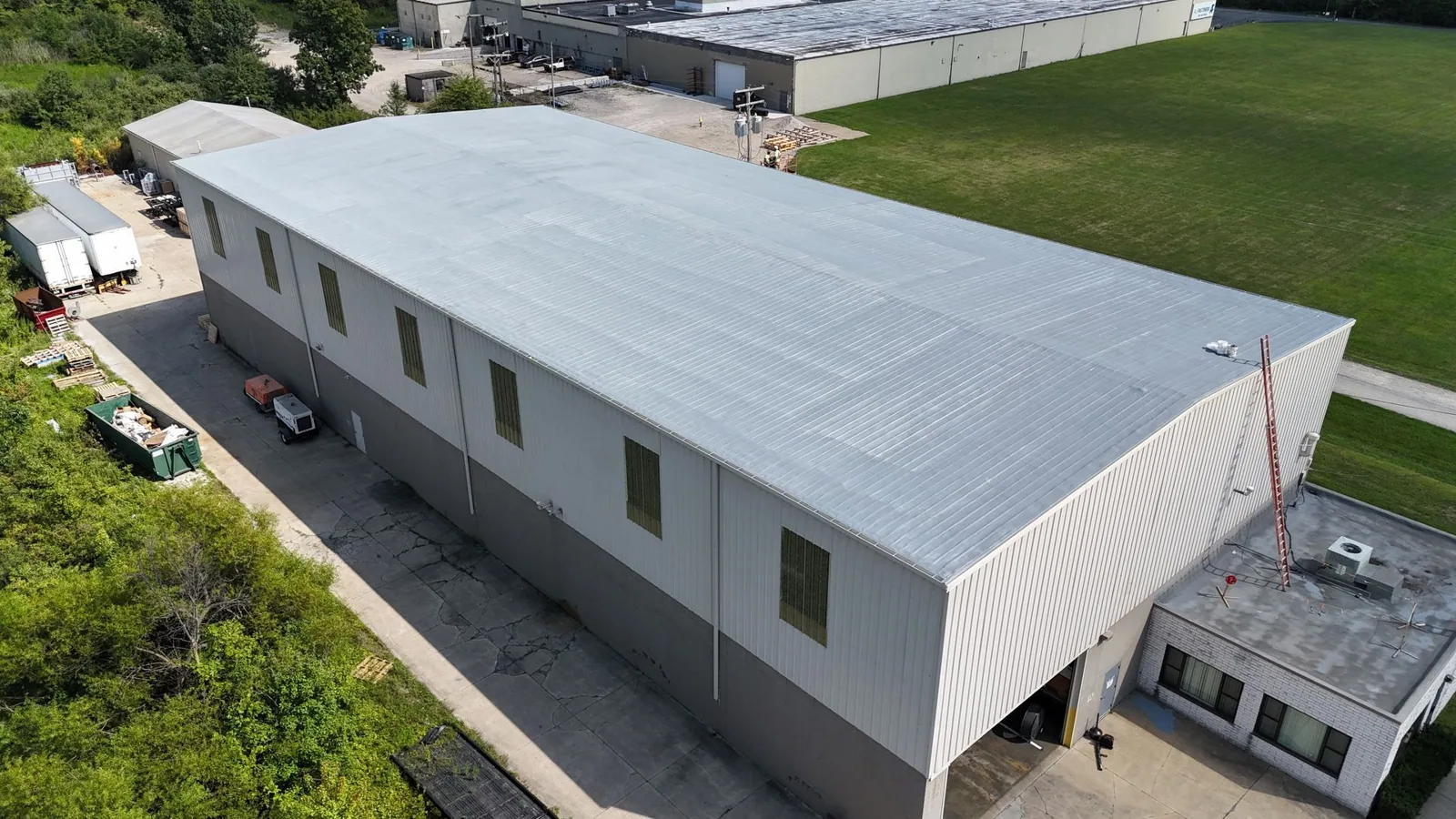
The test: dry or not dry
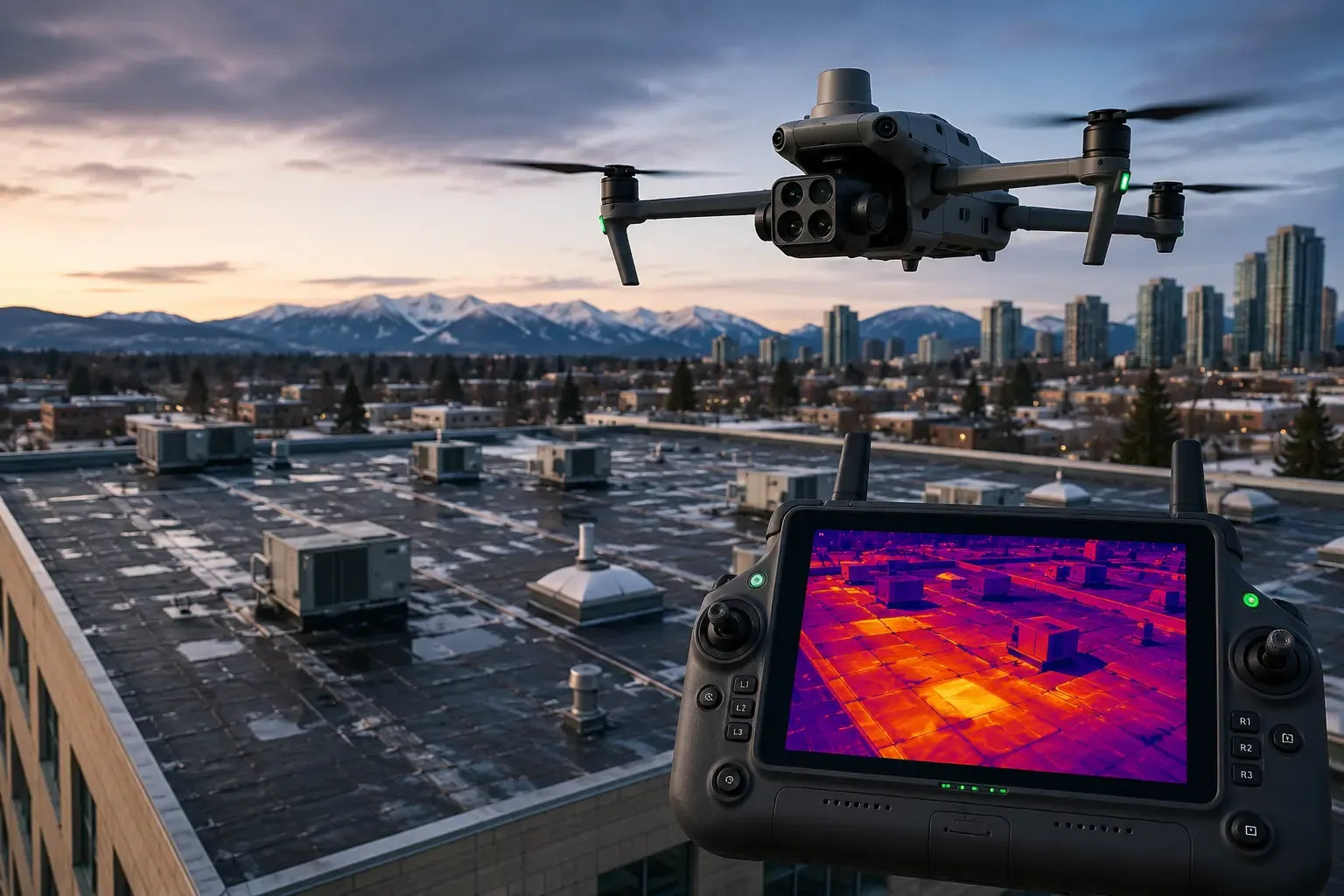
Every recover starts with moisture. We run an infrared moisture survey to find warm and cool patches, then cut cores to confirm. A core shows what the camera only suggests: the layers, the insulation type and whether the material is soaked, damp or dry.
We map every wet spot on a roof plan. A few small wet areas get cut out and replaced before the overlay goes down. If wet insulation covers a large share of the roof, the answer changes. Then a full replacement costs less over time than a recover that fails early. We tell you which side of the line your roof is on, with photos of the cores.
Layers: what the code allows
For state-regulated commercial work, Alabama's baseline is the 2021 International Building Code, in force since mid-2022 and updated in part in March 2025. The model code limits how many roof layers a building can carry, and it bars a recover when the existing roof is wet or badly deteriorated. It also asks whether the structure can carry the added weight.
We count layers at the core cuts. One existing layer is usually fine. Two layers often means tear-off. The energy standard matters too: the state's commercial energy standard is ASHRAE 90.1-2013, and a recover that raises the roof surface may need extra insulation to meet it. We check both before we price, so the code requirements are already in the price.
Systems: what goes over the old roof
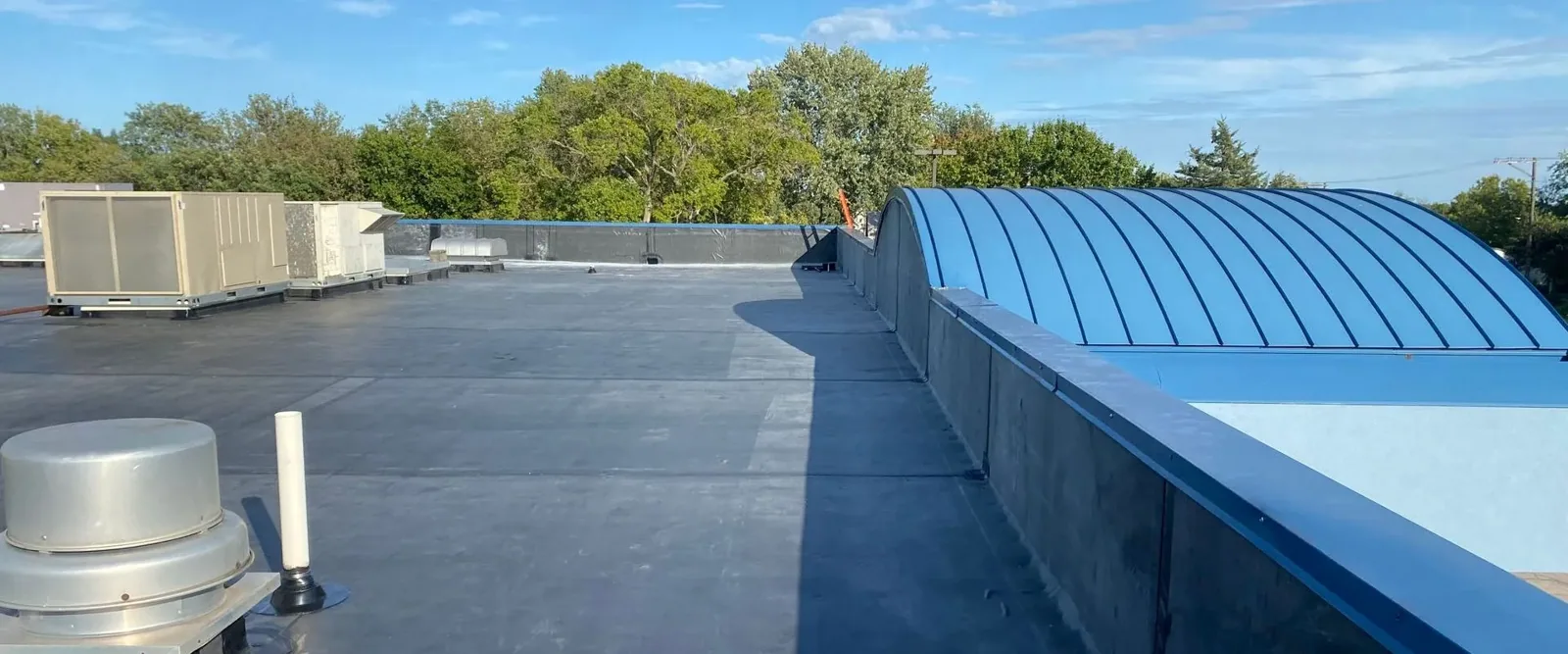
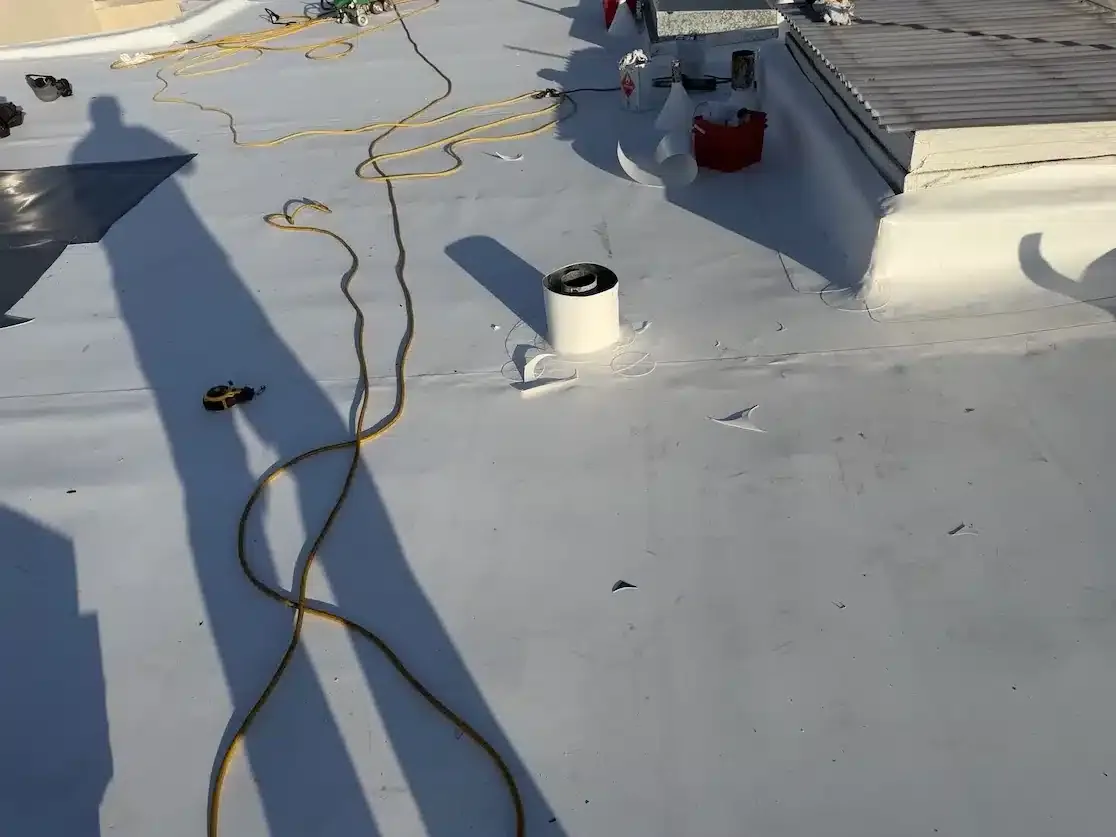
The overlay system depends on what is underneath. Over a smooth built-up or modified bitumen roof, a mechanically fastened or adhered single-ply like TPO is common. Over an old metal roof, a retrofit framing system can bridge the existing panels. Over a coated roof, adhesion testing decides whether the surface will take a new layer.
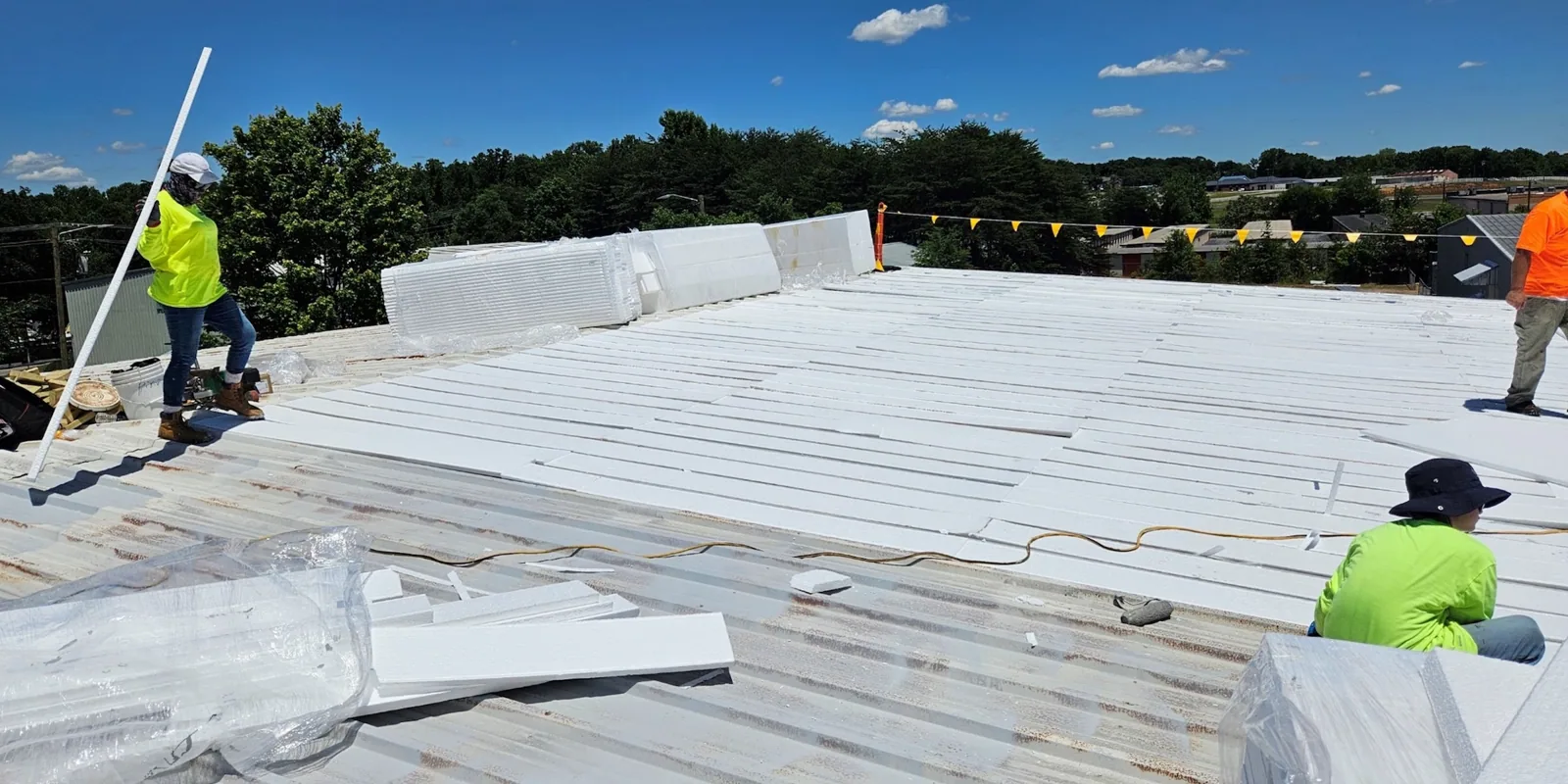
Between the old roof and the new membrane, we often add a cover board. It gives the new membrane a firm, flat bed and protects the insulation from foot traffic. In hail country that matters. On April 25, 2003, central Alabama saw hail as big as softballs, and a membrane over soft insulation bruises more easily than one over cover board. The choice of insulation and cover board sets how well the new layer rides out hail.
Strip centers and big roofs: where recovers pay off
Recovers fit best on large, simple roofs with a dry deck, and retail is where the case is easiest to make. Alabaster has the District 31 complex at Highway 31 and I-65, announced in 2017 as 350,000 square feet of mixed-use retail, and Trussville has the Tutwiler Farm shopping centers along Highway 11 at the I-59 and I-459 interchange. Whether a given roof in either place qualifies is a core-cut question. For retail in general, tear-off disruption costs real money in lost sales and parking.
A recover keeps most of the work above the old surface. Customers keep parking. Tenants keep their ceilings. The saving is not just the debris haul. It is the days the building stays open to the weather, which in spring can matter more than the price of the membrane.
Limits: when we say no
We turn down a recover in four cases. The first is soaked insulation over a large area. The second is a deck that shows rust or rot at the cores. The third is a roof already carrying the most layers the code allows. The fourth is a roof where drains are already too high or too low for the new surface, because adding thickness makes ponding worse.
Ponding is the quiet killer of overlays. If water already stands for more than a day after rain, a new layer on top will not fix it. We look at slope and drain height on the walk and say so plainly. Sometimes the right answer is tapered insulation and a replacement.
More on Roof Recover and Overlay
Cost and timing: what the saving looks like
A recover usually costs less than replacement because it skips removal and disposal. It also finishes faster. But the savings shrink if we have to cut out wet areas, add cover board or raise the drains and curbs. We price those items one by one so you can see where the number comes from.
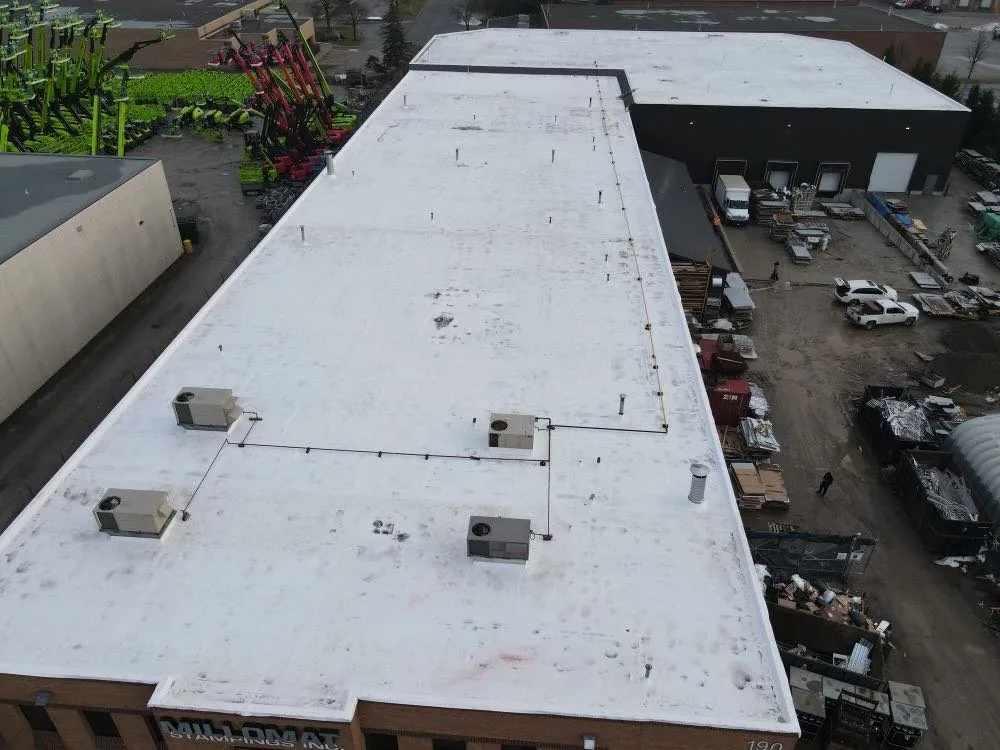
The life of the new roof is the other half of the math. A recover typically sits on an older assembly, so the combined roof is only as good as the oldest layer. For a building you plan to hold a long time, replacement can be the better value. For a lease with a short horizon, a recover often wins. Tell us your hold period and we will price both.
Commercial Roofing Questions
Can I recover a roof that has been leaking?
Sometimes, but only after we find where the water went. A leak can mean one failed flashing or a roof full of wet insulation. We trace it with an infrared scan and cores, fix the source, cut out the wet material and then decide whether an overlay is still sound. If the wet area is large, we recommend replacement and show you the core photos that support it.
How many layers can a roof carry before tear-off is required?
The building code sets the limit, and a core cut tells us how many layers you have. As a rule, a roof with one existing system can often take a recover, and a roof with two usually cannot. We check the current adopted code and the structure's capacity before we price. If your roof is at the limit, a full tear-off is not a choice, and we say so before you spend money on a bid.
Does an overlay change my warranty options?
It can. Many manufacturers warrant a new membrane over an existing roof only if the assembly passes their moisture and condition review. Their terms differ, so we get the requirements for the specific system in writing before we commit. We do not promise a warranty length, because that comes from the manufacturer's own terms and your roof's test results.
Is a recover a good idea on a hail-damaged roof?
Usually not until the damage is documented and handled. Hail can bruise a membrane and crack insulation below it, and an overlay hides both. If an insurance claim is open, covering the evidence can hurt it. We inspect first, record the damage, and then the hail damage repair and the recover question can be settled in the right order.
What if the drains sit too low after the new layer goes on?
Then we raise them, or we recommend replacement. Added thickness lifts the roof surface, and drains set for the old height can end up above the water line, which creates ponds. We measure drain height and slope on the walk. If raising drains and edge metal costs most of what replacement would, the recover stops being a saving and we tell you.
Related Roofing Work
Infrared Moisture Survey
Commercial Roof Replacement
TPO Roofing
Roof Insulation and Cover Board
Emergency Leak Calls
Call for a moisture check before you decide
We will scan the roof, cut the cores and tell you whether a recover is safe or a waste. You get the map and the numbers in writing, whichever way the answer goes.