
Property Management Companies
Roofing for Property Management Companies in Hoover, AL
A property manager with twenty buildings does not have one roof problem. She has twenty small ones, and a spring storm can turn them into a week of phone calls. In Hoover, AL, storm claims bunch up in March, April and November. A February roof walk makes that stretch easier to manage. Low-slope and metal roofs for property management companies are repaired, recovered or replaced, and every building gets a line in one register.
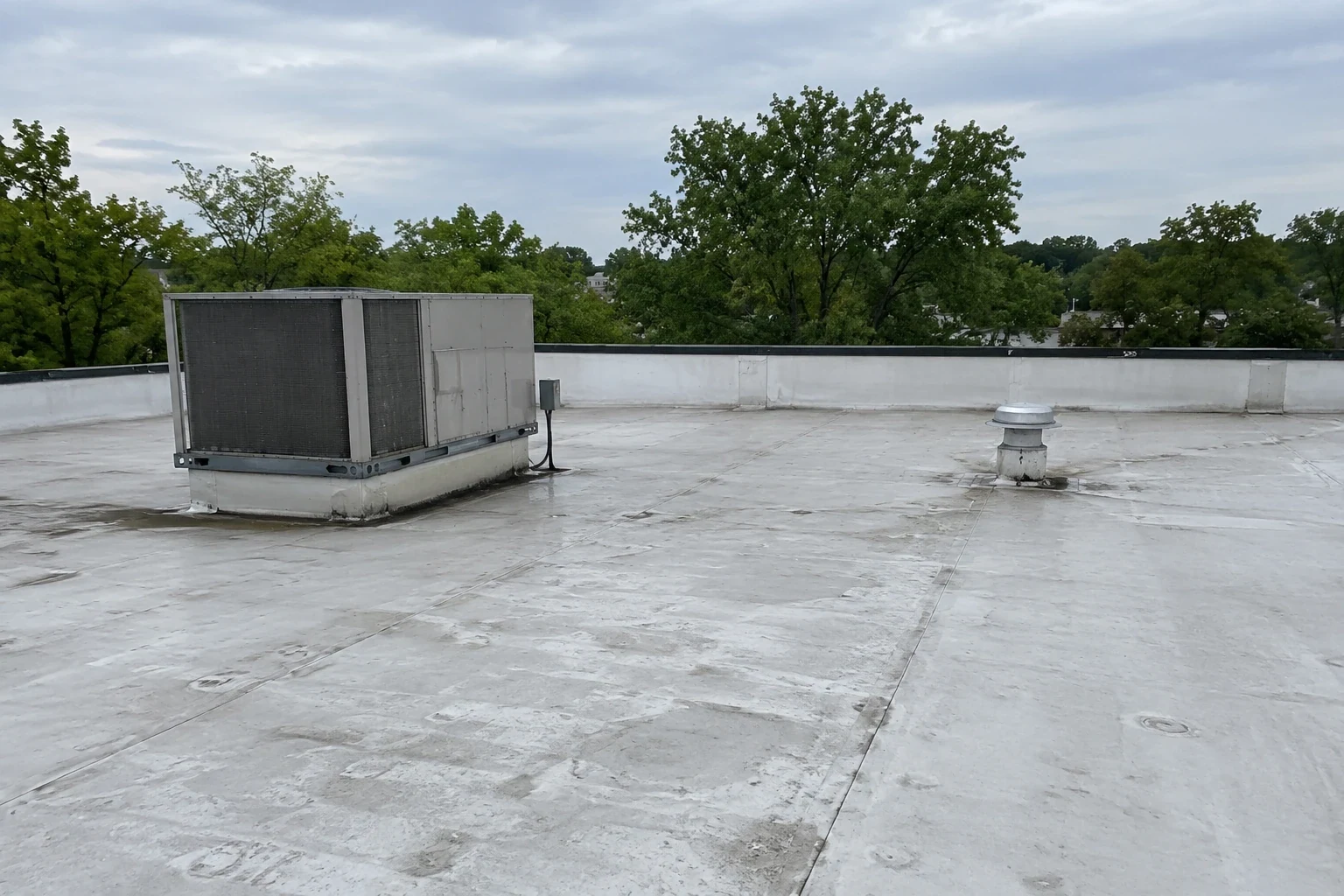
The issue: many owners, many roofs, one phone
A management company answers to owners, tenants and lenders. Each has a different question. Owners want a budget. Tenants want a dry ceiling. Lenders want a record.
The roofs sit under all three. Some are new. Some are old. Some have a warranty. Some have a pile of patches. A manager often inherits them in that state when a contract starts.
The first job is a clean inventory. We walk every roof. We record system, age, drains, units and known repairs. We rate each one and file a first-visit photo set for every building, so any later change has something to be measured against. The result is a single list the manager can sort by owner, by tenant or by risk.
Vendor control is part of the issue. A manager who lets each tenant hire a roofer ends up with patches from six companies and no record of any. We suggest a simple rule: one approved roofer, one register, notice before any roof penetration. Retail-heavy portfolios hit the same problem at scale, as retail and restaurant chains do.
What we find: patterns across a portfolio
A portfolio shows patterns a single building hides. Three buildings from the same builder fail at the same detail. Four roofs of the same age show the same cracked boots. A district with poor drainage leaks at the same corners.
The survey hunts for those patterns by probing seams, checking wall flashing, clearing drains and scanning for wet insulation. Rain and humidity keep seams and sealant working through every season.
When we see a pattern, we say so. One fix on one building may be a model for four others.
Common areas matter. Lobbies, stairwells, mechanical rooms and leasing offices have roofs of their own. They get ignored because no tenant complains about them. A leak in a mechanical room can take out a unit for a week. We put each roof on the survey, not only the big ones.
Storm season: be ready before the phone rings
Portfolio roofs in the metro all share one weather record. The stormiest months are March, April and November. Dixie Alley gave the metro its F5 tornadoes of 1977 and 1998, an EF4 on April 27, 2011 and softball-size hail in April 2003.
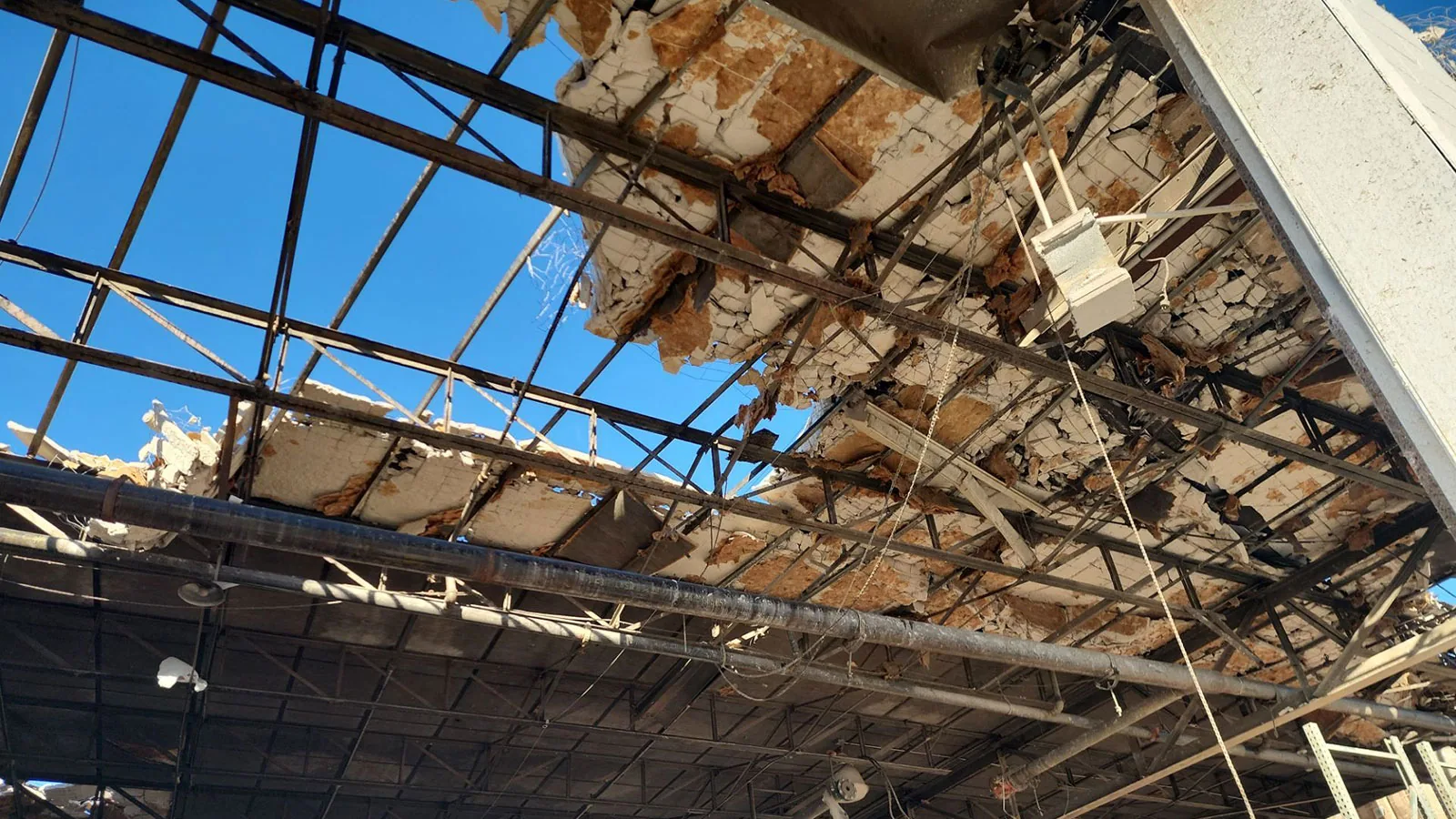
After a storm, managers all call roofers at once, and a dated baseline for each building makes the call specific. Photograph every roof before the season, then walk the worst-hit buildings first, since storm damage roof repair uses the baseline to separate storm damage from older wear. That helps every insurance file.
After a storm, the carrier will want a scope. We build it in lines that match how adjusters read it: field, flashings, metal, drains and units. A manager can then hand the carrier a file with dated photos, moisture readings and a written scope. Insurance and restoration teams read the same format.
When to do it: a calendar for the portfolio
Set a yearly calendar. February: walk every roof. March: fix what the walk found. April through May: respond to storms. June through August: plan the capital list. September and October: clear drains and check edges. November: second storm season. December: set the budget.
Our preventive roof maintenance visits follow that calendar. Each visit adds a dated entry to the register. After a year, the manager has a record that shows which buildings are aging slowly and which are not.
Tenant notices go out ahead of work. We give the manager a one-page notice for every active section, with dates, hours and a contact.
Start with the worst building, not the biggest. Rank by condition and by what failure costs. A small roof over a data closet may outrank a large roof over a storage bay. The ranking comes from the survey, and it can change after a storm, so the register is updated each time.
What it costs: operating expense or capital
Managers have to sort roof spending into two buckets. Repairs and maintenance often run through operating expenses and sometimes pass through to tenants. Replacement is usually capital. The lease decides. We do not read it for you. We write the scope and the invoice in lines that match both buckets.
Price follows roof area, penetrations, wet insulation, the deck and phasing. Repair is the lowest cost, a section replacement stops repeat calls for more money, and a full replacement starts the roof over at the highest cost. Each side of the repair-or-replace line is priced in writing.
Added insulation on a replacement can follow from ASHRAE 90.1-2013, and it appears as its own line.
Crews and materials tighten in storm weeks, while winter bookings are easier to place, and by May a damp season has added to what a March repair would have cost. That is the plainest case for walking roofs early.
More on Property Management Companies
Budget year: one register, many owners
A multi-site roof program keeps every building in one register. Roof asset management adds age, warranty and last inspection to it, and roof capital planning ranks the buildings so money goes to the worst first. Heat makes the register worth keeping: the Birmingham area spends close to two months a year at 90 degrees or hotter, so seams and sealants age on every roof, and the record shows which buildings are aging faster than their neighbors.
Many large corporate tenants fill Riverchase Office Park, and Regions Bank and Blue Cross and Blue Shield of Alabama rank among Hoover's biggest employers. A manager with office stock in Riverchase and retail along Highway 31 in Pelham or Alabaster can hold them in the same register. Owners who invest across properties may also want the owner and investor view of the same records.
Owner reports run one page per building, with a photo, a rating, fixes and a budget year, ready to attach to a monthly owner letter as written.
Commercial Roofing Questions
How do I start with a portfolio where nobody has roof records?
Start with one walk of every building. We record system, age, drains, units and known repairs, then rate each roof. That first report becomes your register, and you update it every visit.
Can you keep reports separate for each owner?
Yes. We build one register and cut a report per owner, so each sees only its buildings, with its own ranking and budget lines.
Who handles tenant notices?
We give you a one-page notice for each active section with dates, hours and a contact. You send it. We confirm the schedule with you before work starts.
How do you split repair costs between operating and capital?
We write the scope and invoice in lines that match both buckets, so your accounting team can assign each one under the lease. We do not interpret the lease itself.
What happens when three tenants call about leaks after one storm?
We tarp and dry the worst first, then walk every affected roof and mark each finding against the baseline. You get one report that sorts the calls by building and by cause.
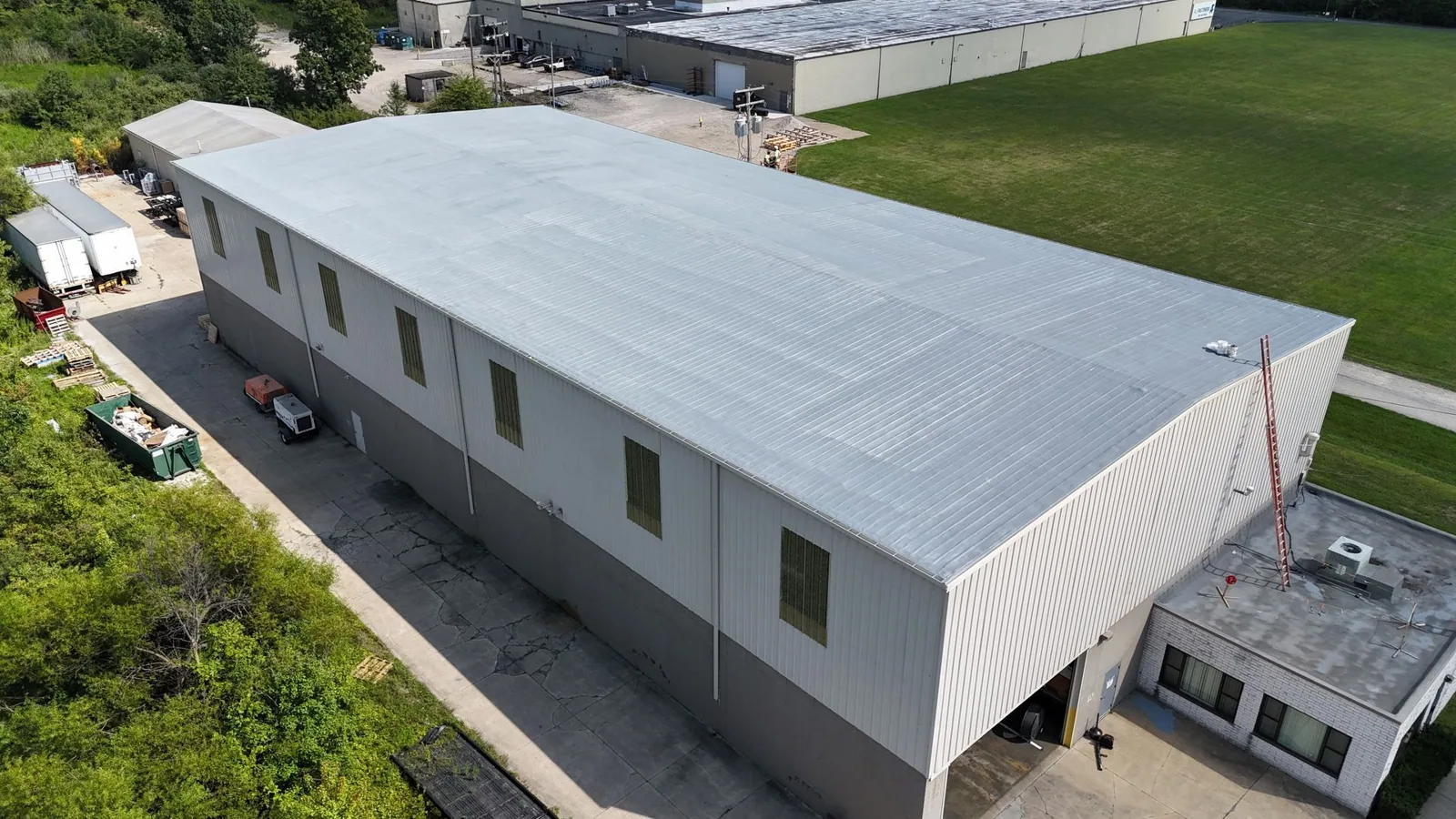
Related Roofing Work
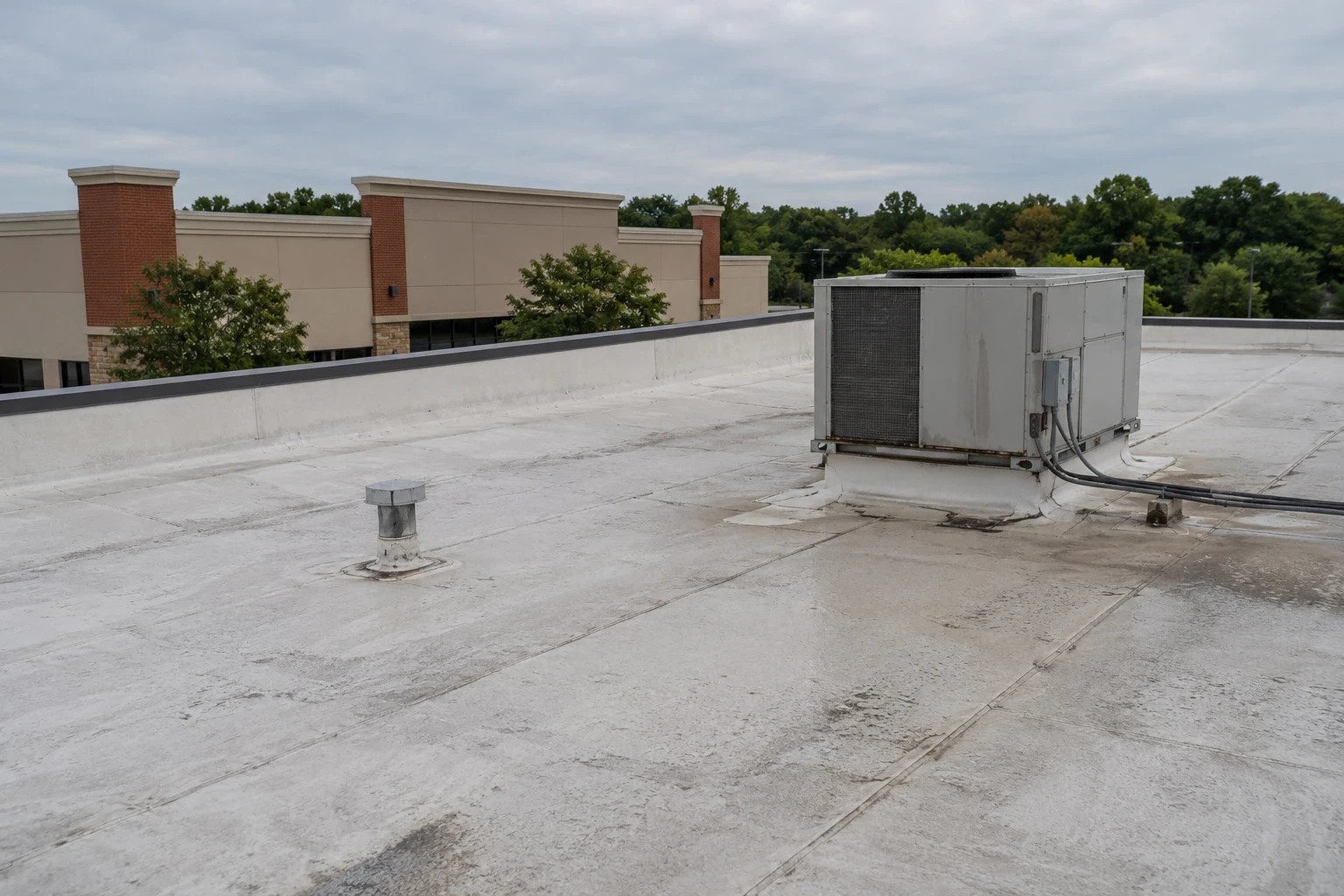
Retail and Restaurant Chains
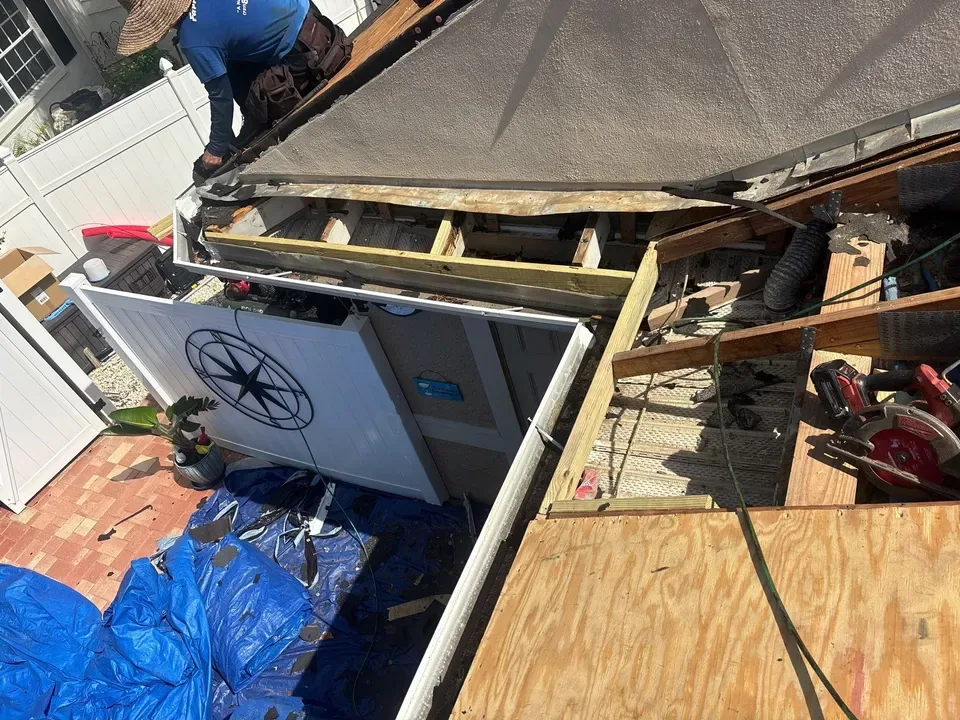
Storm Damage Roof Repair
Insurance Adjusters and Restoration Firms

Preventive Roof Maintenance
Emergency Leak Calls
Call for a storm walk or budget review
Call before storm season or after a storm. The visit pins down which buildings come first, what each fix costs and which budget year it belongs in.