
Healthcare Systems
Roofing for Healthcare Systems in Hoover, AL
A hospital cannot pause care when a roof starts leaking. Storm season in Hoover, AL runs from March through April and returns in November, and a health system that waits for the first storm to learn what its roofs look like pays for it twice. We inspect, repair, recover and replace low-slope and metal roofs for health systems with campuses and clinics, and we give the facilities director a ranked list that fits a capital cycle.
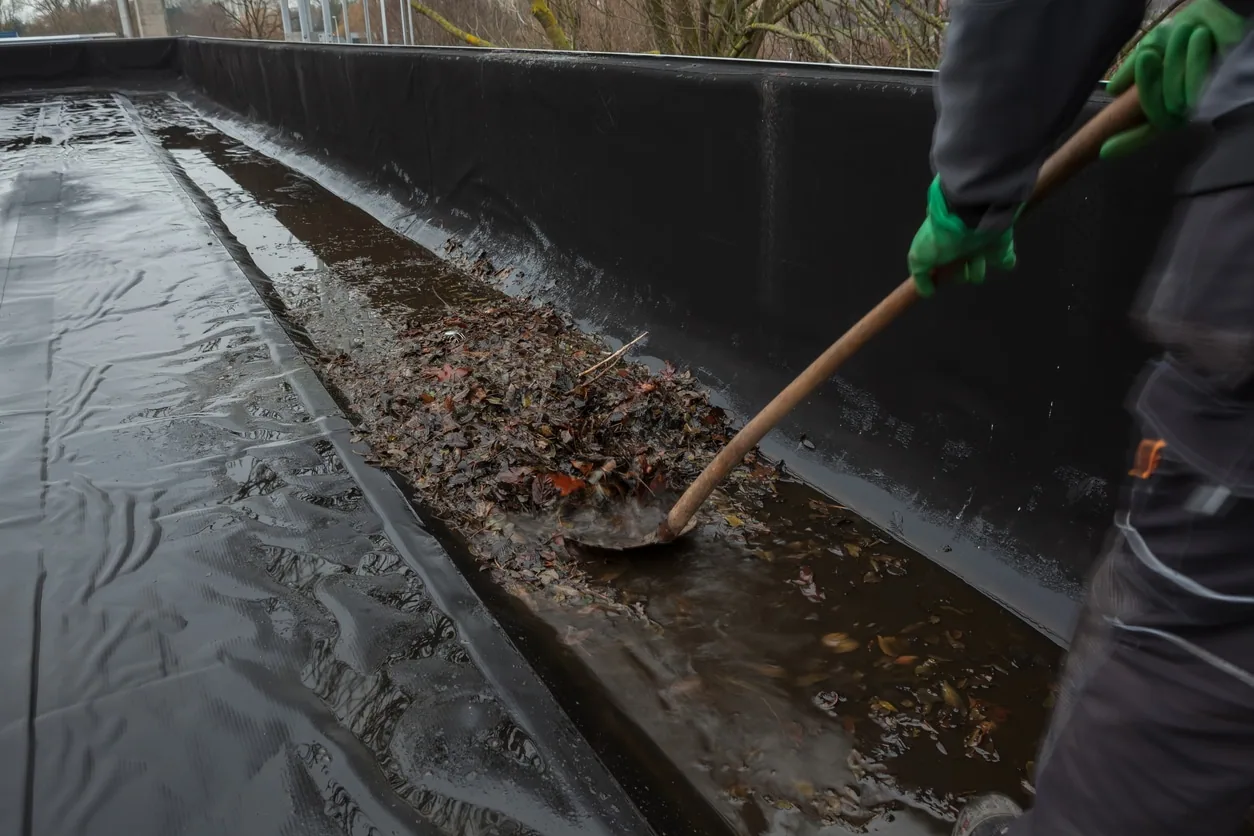
The issue: continuous care under many roofs
A health system owns a mix. A main hospital with towers, wings and penthouses. Outpatient clinics. Medical office buildings. Parking decks. Support buildings. Each has its own roof, age and warranty.
The metro has a large academic medical center: UAB's hospital is a Level I trauma center, and with about 18,750 workers as of 2011 UAB is the area's largest employer. When care carries that much of a regional economy, a roof has little room to fail.
So we rank roofs by what sits below them. A roof over an operating suite ranks above a roof over a storage room. The ranking goes in the report. The facilities director can defend it to a board.
Public hospitals and county systems face the same roof questions with public-bid rules layered on top, the same position public agencies are in. Private systems face insurer reviews and bond covenants instead. In both, the roof needs a record before a question arrives.
Access is the last detail. Hospital roofs are reached through locked mechanical rooms and restricted stairs. We ask who holds the keys, what escort applies and what notice is needed, and we write the route on the plan.
What we find: moisture, mechanical plant and tie-ins
Healthcare roofs carry heavy plant. Air handlers. Exhaust. Generators. Chillers. Each has a curb or a rail. Each has lines through the roof. Boots crack. Sealant dries. Vibration loosens fasteners.
Tie-ins between old and new wings leak first. A hospital that has grown over decades has many of them. We check flashing at every wall and every penthouse.
Wet insulation is a care issue as well as a roof issue. Damp material can affect air quality. A moisture scan finds it early. A core cut confirms it. We report moisture findings fast and recommend how to contain and replace the wet area.
Rain, humidity and summer heat give seams and sealant no season off.
Penthouse walls are another weak point. A tall mechanical penthouse puts a lot of wall against a lower roof, and runoff from the wall lands on the membrane. The flashing at that joint takes the brunt. We check it, check the counterflashing above it and look for staining on the roof below that shows where water has been running.
Storm season: be dry before the first warning
Health systems here plan inside Dixie Alley, whose record includes two F5 storms, an EF4 and the softball-size hail of April 2003. The worst weather lands in March and April and again in November.
A hospital has to stay open through a storm, so walk every roof before the season. Take dated photos. After a storm, walk the worst-exposed buildings first. Storm damage repair uses the baseline to sort storm damage from older wear. Keep the file for the carrier and for the accreditation team.
The 1998 F5 tornado that hit Hueytown and Oak Grove, and the April 27, 2011 EF4 that hit the same area, are a reminder of how fast conditions change. Downtown, the 'Heaviest Corner on Earth' has early 1900s neoclassical office buildings, and the tallest towers reach 34 stories. A health system with buildings in downtown Birmingham or Bessemer carries different wind exposure at each address, and the baseline records it.
When to do it: infection control and quiet windows
Roof work above patient areas follows the system's infection-control rules. Dust and fumes must not reach air intakes. Openings must not let water or particles into occupied spaces. We plan with the facilities and infection-prevention teams. We agree on intake protection, containment, noise windows and escort rules.
Hot work is restricted. We use cold-applied or mechanically attached methods where needed. We work in small sections that close each day. An occupied building reroofing plan lists each limit.
Late autumn through winter is the best window. Storm risk is lower. Summer heat limits crews. Spring storms interrupt open sections.
After a major storm, an insurance claim may follow. Keep the file ready. It should hold dated photos, moisture readings, a written scope and every receipt. The file is built as the work goes, so the carrier can check it line by line, the way insurance and restoration teams expect.
What it costs: roofs, containment and downtime
Cost follows roof area, the number of units and penetrations, wet insulation, the deck, access and phasing. Healthcare jobs add containment, escort and after-hours lines. We list them as their own items so the budget office sees what drives the number.
Repair is the cheapest path, a section replacement ends repeat calls at a higher price, and a full replacement is the largest cost and restarts the roof's life. The repair-or-replace line carries a written price on both sides.
Insulation on a replacement is checked against the ASHRAE 90.1-2013 commercial energy standard, which can call for more than the old roof held, and the building authority confirms the code edition that applies.
Timing moves price. Crews and materials run short after a big storm, a winter booking meets a calmer market and a March repair beats the same repair in May, once a damp season has soaked the insulation.
More on Healthcare Systems
Budget year: a register for the whole system
Roof asset management holds each roof's system, age, warranty, last inspection and rating, and a multi-site program keeps campuses and clinics in one format. Heat plays into the schedule as well: a Birmingham summer holds roughly two months of 90-degree days, which is why the register records the last seam check beside each rating. The roof capital planning list orders sections by condition and by what a failure would cost.
Building types differ inside a system. A tower is not a clinic. Hospital roofing and medical office roofing share methods at different scale.
Reports for a board should be short. A one-page summary for each campus with a photo, a rating, a list of fixes and a budget year. The facilities director can attach it to a capital request without rewriting it.
Commercial Roofing Questions
How do you keep a roof job from affecting patient areas?
We plan with the facilities and infection-prevention teams: intake protection, containment, quiet windows and small sections that close daily. The plan names who approves changes.
What does a health system need on file for each roof?
System type, age, warranty, last inspection, repair history, a rating and a replacement window as a range, plus the departments below. We build that register for each roof.
Why do moisture scans matter on a hospital roof?
Wet insulation can affect air quality and spreads before it shows. A scan finds it early, and a core cut confirms it, so the repair is sized to the wet area.
When is the best time to reroof a hospital wing?
Late autumn through winter, before the March through April storm window. We avoid peak census periods where the system can.
What if a roof opens during a storm?
Phone us at once; the line is answered around the clock. We stop the water, protect the interior and log the opening.
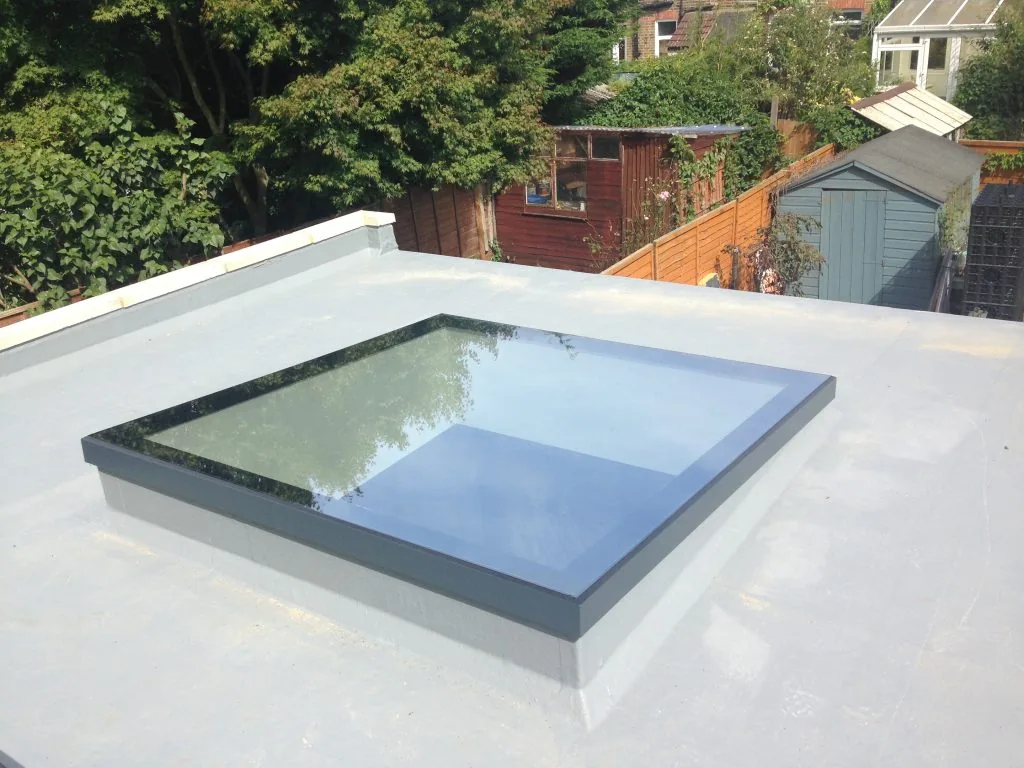
Related Roofing Work
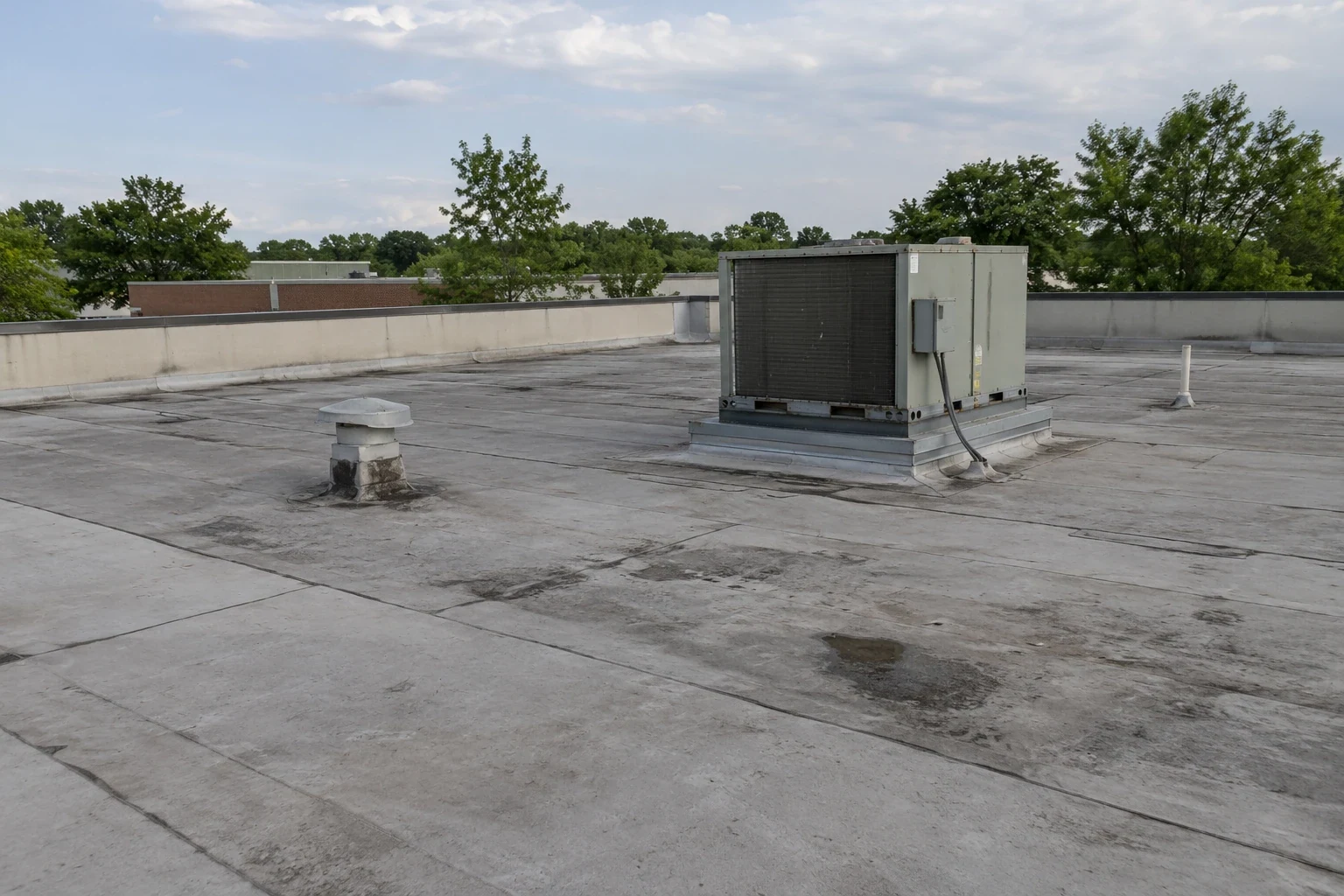
Cities, Counties and Public Agencies
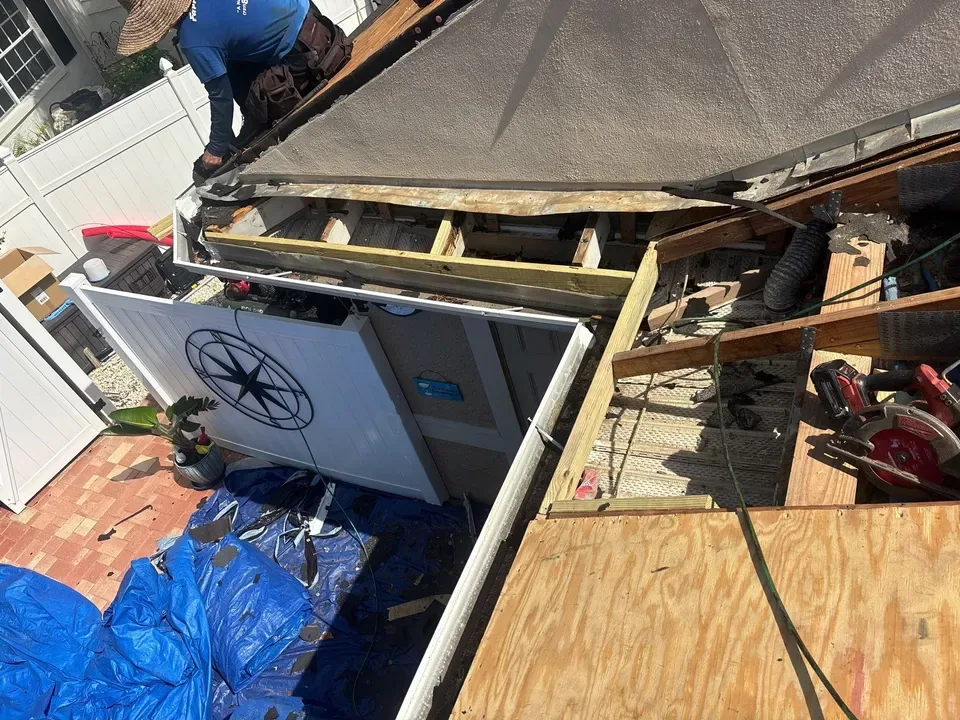
Storm Damage Roof Repair

Downtown Birmingham
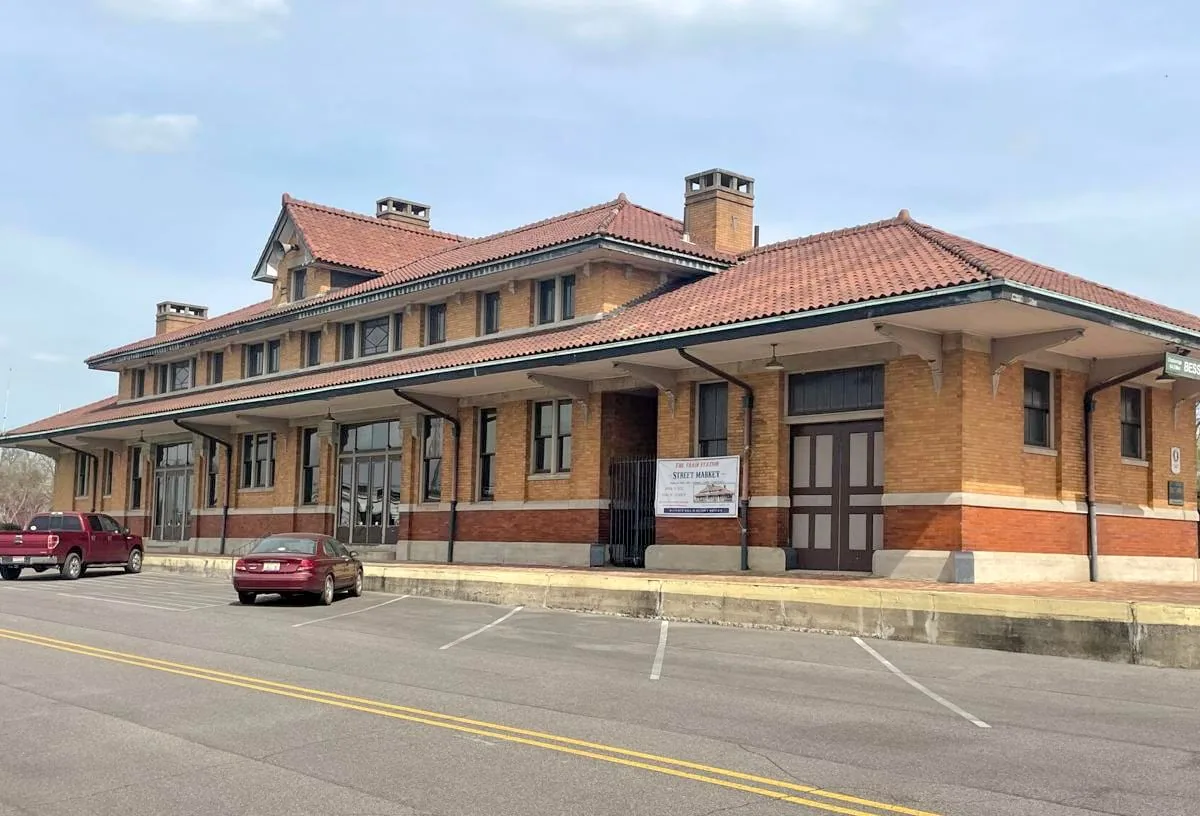
Bessemer
Emergency Leak Calls
Call for a storm walk or budget review
Call before storm season or ahead of the capital cycle. The visit pins down which roofs come first, what each fix costs and which budget year it belongs in.