
Vestavia Hills
Commercial Roofing in Vestavia Hills, AL
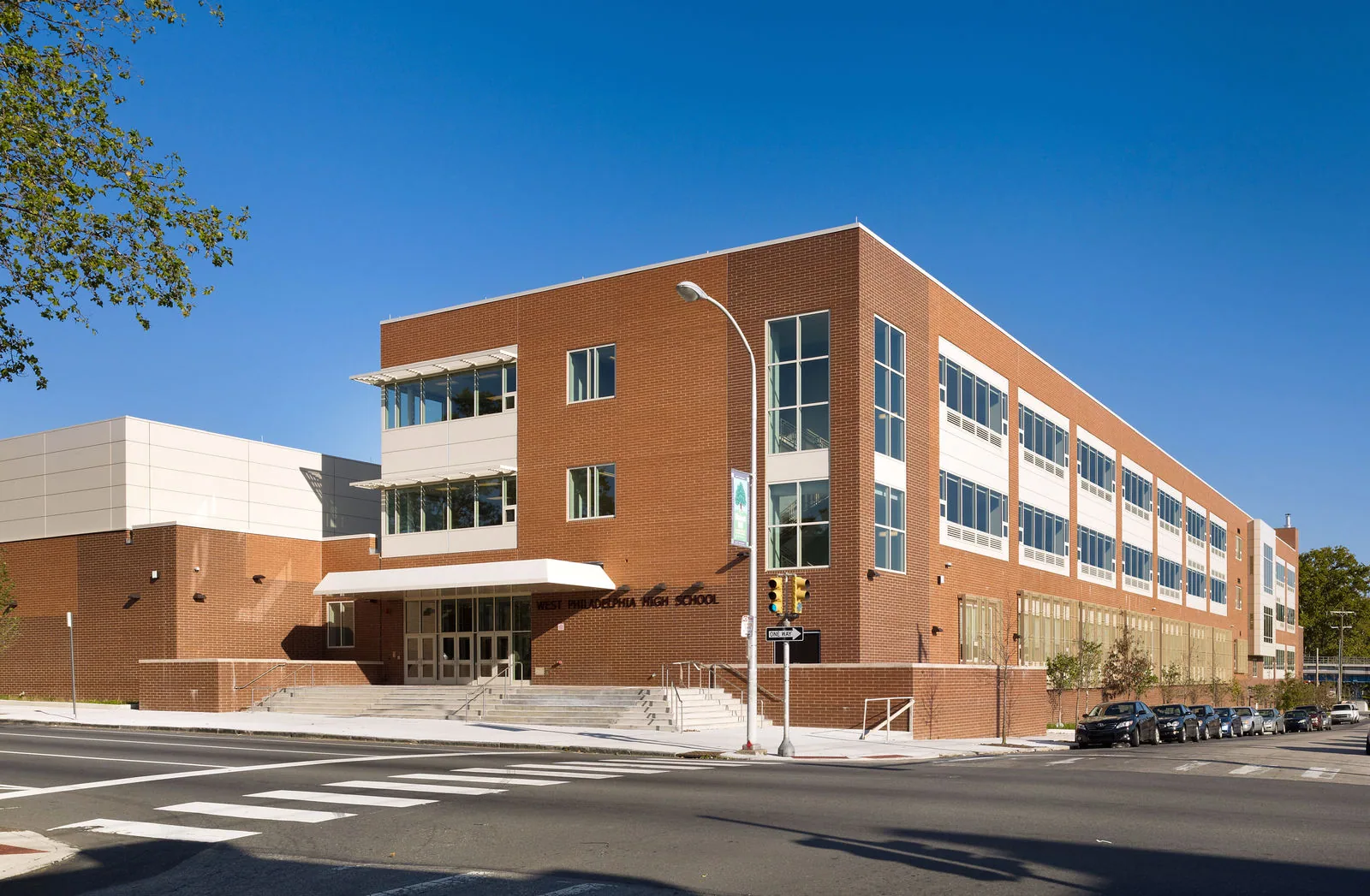
A school roof has a deadline built into the calendar. Work that must finish before students return leaves a summer window of a few weeks. Vestavia Hills runs a city school system with five elementary campuses, two middle schools, an alternative school and the high school, and about 6,000 students enrolled. A district with that many campuses plans roof work years ahead. So we start with a walk of each campus, a ranked list and a price on every item. Then the board sets the budget year, with the summer slots reserved before storm season starts.
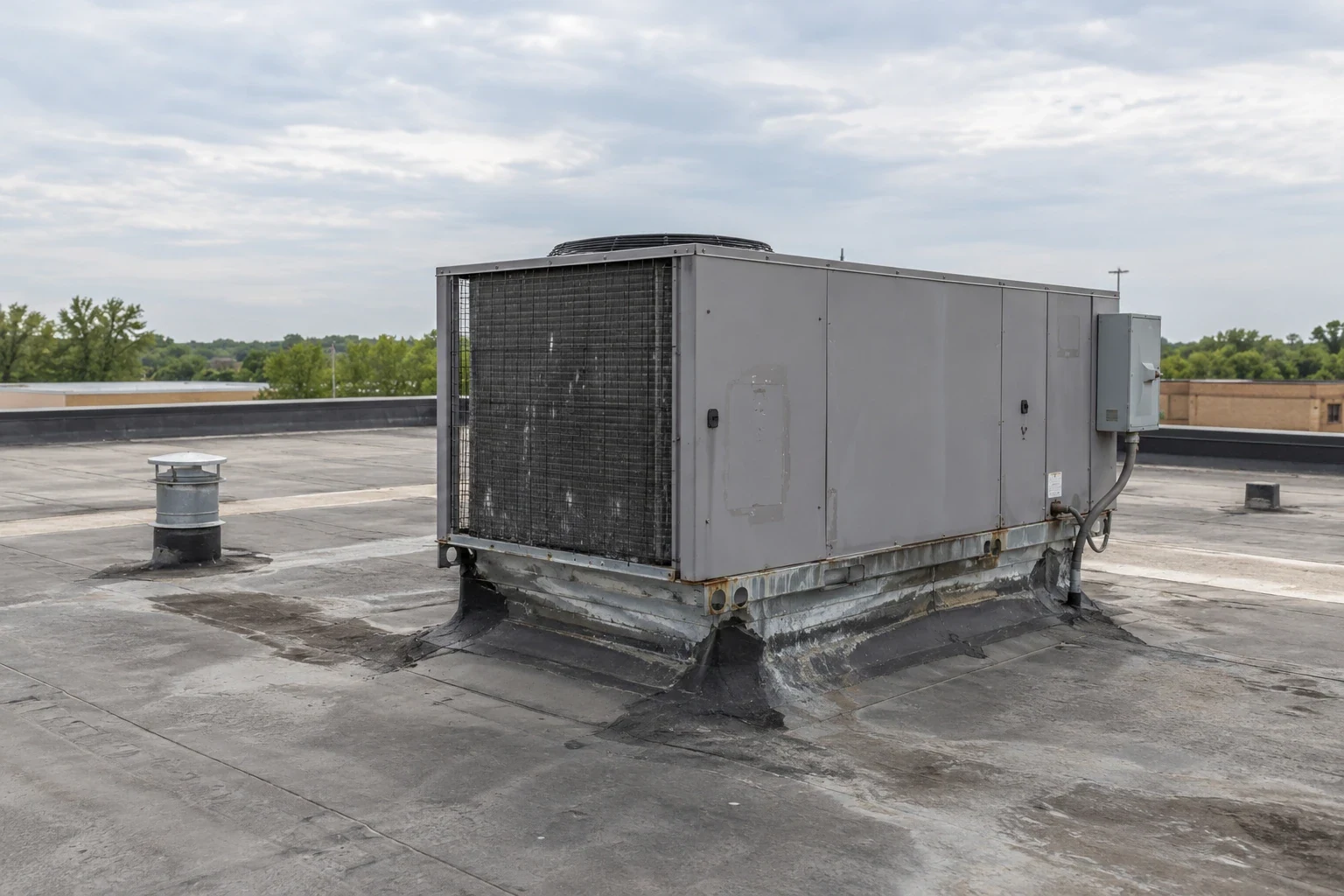
Schools: ranking many roofs for one budget
A school system holds many roofs of different ages and types. A school count is not a roof count, because one campus can have several buildings and several roof areas. We start by listing every roof section, not every school.
Each section gets the same grade. We ask three questions:
- Is water entering now?
- How much service life is left?
- How exposed are the edges and flashings?
The answers rank the sections. Active leaks over classrooms rise to the top. Wet insulation comes next. Age comes last. The board sees one list and one price per line, so it can fund the top of the list this year and carry the rest forward. A school roof program built this way spreads the work over several summers.
Summer break: the working window
School roof work lives on the school calendar. The best window is summer break. Students are out, noise is not a problem and access is easy. But the window is short, and summer in Alabama is hot and stormy.
Summer heat shortens the working day. Afternoon storms interrupt work. We plan early starts, small sections and daily dry-in. We order materials early, since lead times can eat the break. The plan shows the dates for each campus. An occupied building reroof plan covers the weeks when a few staff remain on site, with entrances and parking protected.
Public buildings: bids, records and approvals
Public owners need paper. A clear scope, unit prices and a written schedule help a bid review. We write each line with a price and a reason, so a reviewer can compare. Bids rest on the state code, the 2021 IBC. Larger jobs can bring insulation and wind-code questions, and each one gets its own line.
Records matter too. Each roof gets a file: plan, photographs, repair log and warranty papers. That file helps at budget hearings and with audits. School districts and other public owners often need to show what was done and why. The file shows it.
US 31: retail and office roofs
US 31 runs north to south through Vestavia Hills. The city sits about 7 miles from downtown Birmingham and 4 miles from Hoover. Retail and office buildings line a road like that. Each has curbs, drains and parapets.
Private owners follow the same steps as public ones: walk, scan, rank, price. A February walk finds the defects before March storms. Fixing a defect in winter costs a fraction of fixing the ceiling it ruins in spring, and the repair is done before the first storm tests it. Clearing drains and fixing flashings costs little. Wet insulation costs a lot. Owners with sites in Riverchase and Homewood can keep one report format across all of them.
Tenants on a busy road want little disruption. Deliveries arrive early and customers park near the door. We stage lifts at the back, fence the work area and protect cars below. Sections stay small, and each one is dried in before opening hours. Every tenant gets the dates over its space in writing.
Recreation: fields and facilities
Liberty Park Sports Complex has nine softball fields, four youth fields, five adult fields, a football field and four soccer fields. Fields tend to have small structures: press boxes, concession stands, storage. Small roofs still leak.
For those, the plan is simple. Walk the roofs before the season. Check flashings, vents and edges. Fix what fails. Small buildings are cheap to maintain and costly to ignore, since a wet concession stand closes on a game day.
Drains and gutters on small roofs fill with leaves and pollen in the fall and spring. A ten-minute clearing before each season prevents most overflow calls. We add that to the maintenance list for every small building and record the date.
More on Vestavia Hills
Cost: what moves the number on a campus
Price follows six things. The first is area. The second is the system on the roof and its age. The third is wet insulation, found by scan and core cut. The fourth is the count of curbs, drains and penetrations. The fifth is access: lifts, crane use and where staging fits near a school. The sixth is the calendar. Summer slots are scarce, and a job pushed into storm season costs more in delays.
A campus adds one more: safety. Fencing, flaggers, and a clear path for buses and parents all cost something. We list them as their own lines. We also list deck repair as an allowance, since it shows only after tear-off. If the deck is sound, the allowance stays with the district.
A ranked list lets a board fund the roofs in order, and it lets a superintendent explain the order to parents and staff in two minutes. The top roofs get this year's money. Others wait, with a monitoring date written beside them.
Storm season and the budget year
Spring and November carry the storm risk.
So repair before March. Plan large jobs for the summer break or winter. Check after storms. A multi-site roof program keeps all campuses on one calendar, so each spring starts with a short list, not a long one. Each campus gets a one-page summary with its photos and prices.
Commercial Roofing Questions
How do you rank roofs across a school system?
We list every roof section, not every school, then grade each on three questions: is water entering, how much life is left, how exposed are the details. Active leaks rise first. The board sees one list with a price per line. A storm walk starts the first ranking.
How much of the summer break does a roof job use?
Plan for the whole break to be tight. Heat and storms cut working hours, and materials need lead time. We order early, work in small sections and dry in daily. Large campuses may be split across two summers.
Can roof work happen during the school year?
Yes, for repairs and some replacements, with a plan. Noisy work goes into approved hours, areas under work are closed to students and sections are dried in daily. Emergency leaks are handled at once. Large replacements are better in summer.
What records do public owners need?
A scope with unit prices, a schedule, photos and a roof file with repairs and warranty papers. The file supports budget hearings and audits. We keep one format for every campus so comparison is easy.
How are small sports buildings handled?
Walk them before the season, check flashings, vents and edges and fix what fails. Small roofs are cheap to maintain. A leak in a concession stand can close it on game day, so we put them on the calendar.
When should a school board approve roof work?
Early in the budget year, so summer slots and materials can be locked in. Waiting until spring risks storm delays and long lead times. A ranked list lets the board approve in steps.
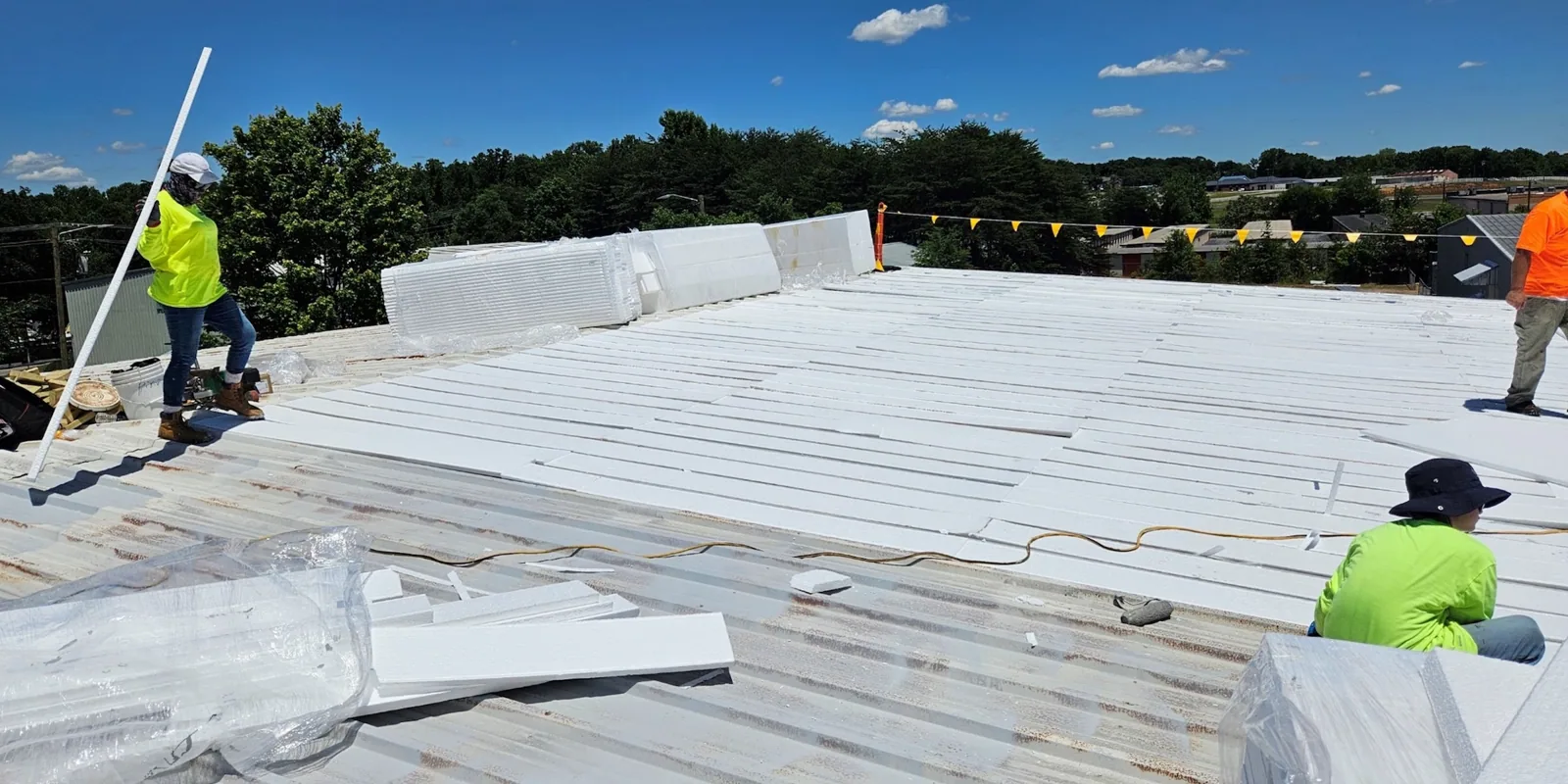
Related Roofing Work
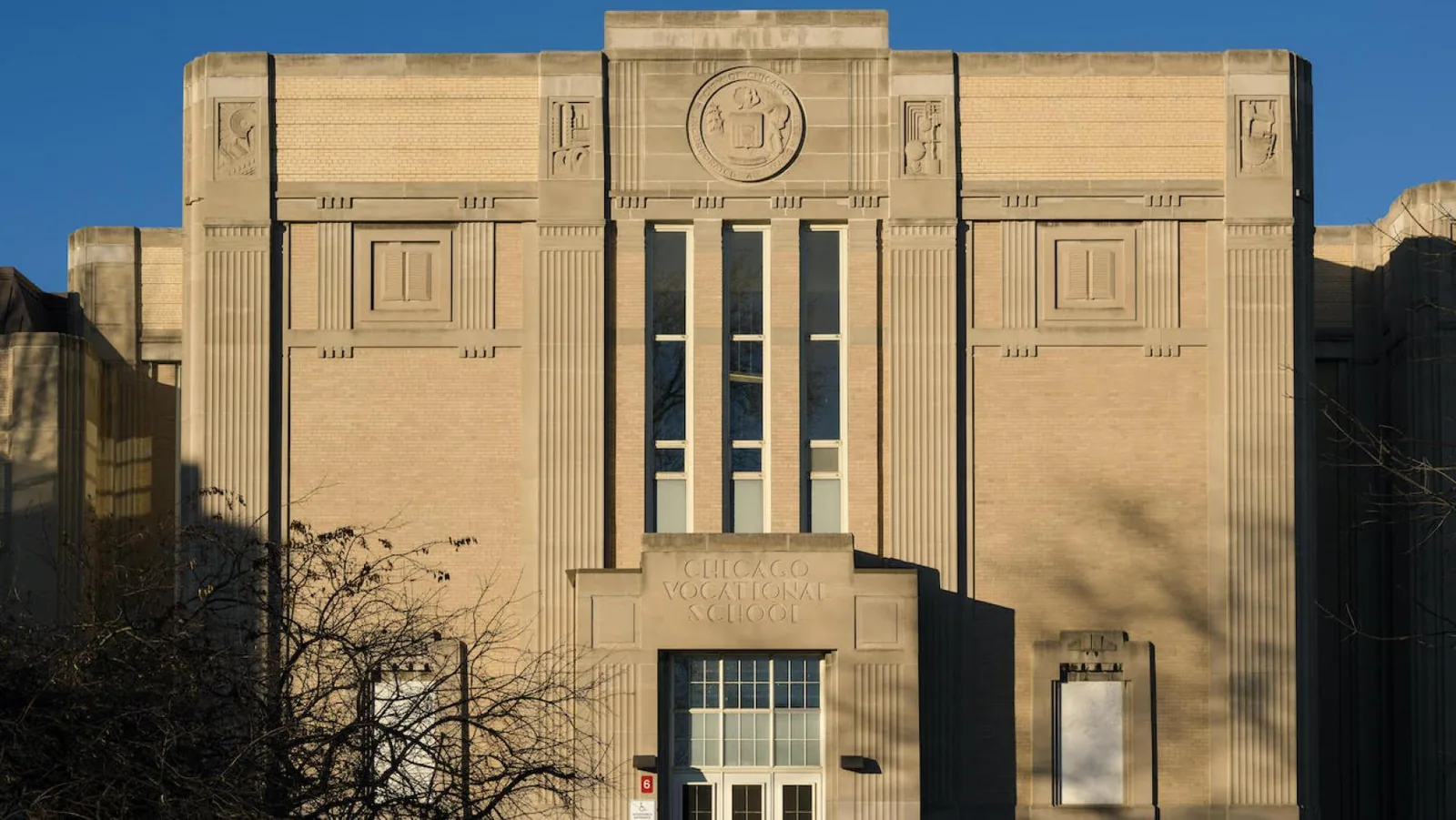
School Roofing
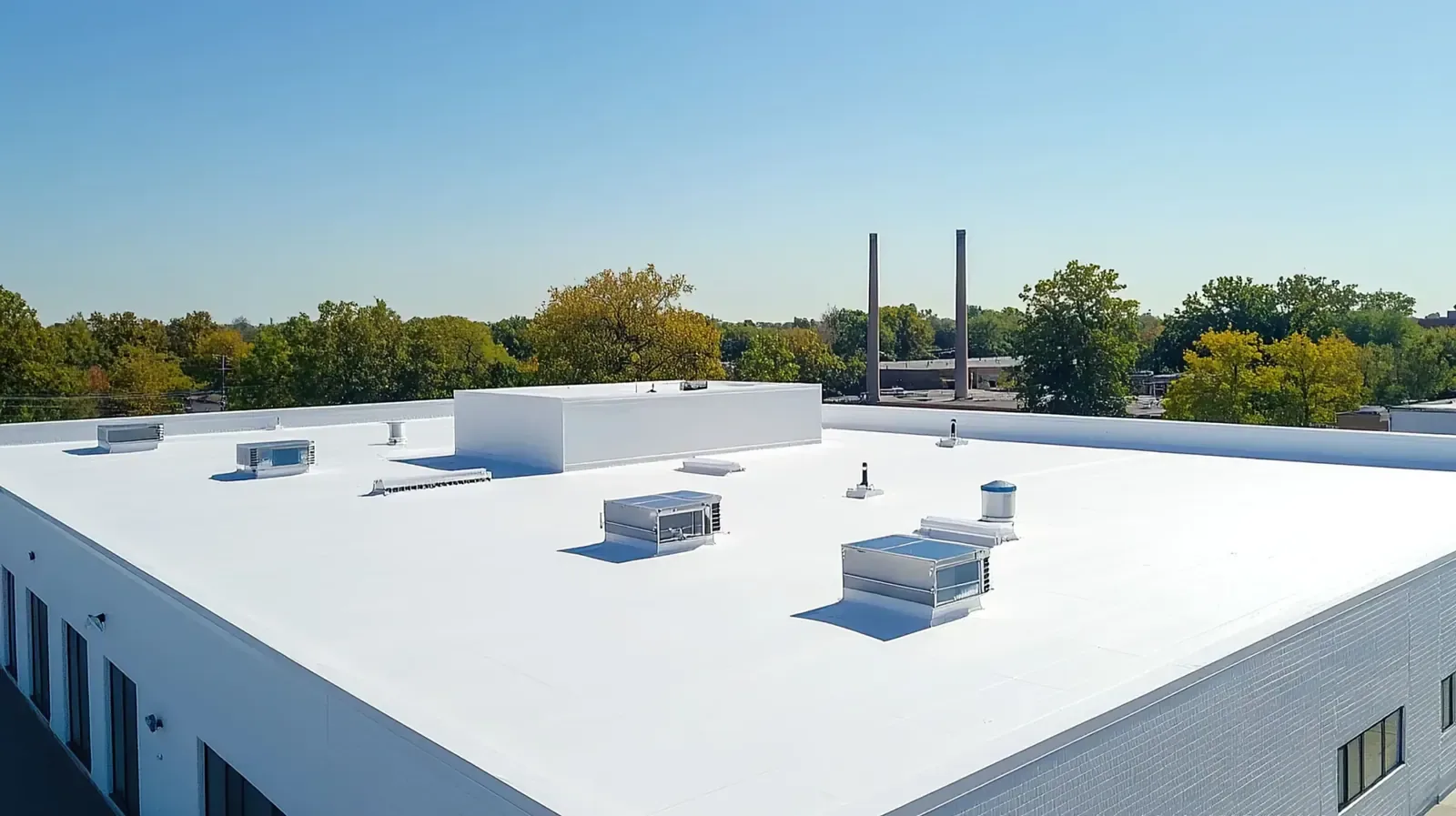
Occupied Building Reroofing
School Districts
Riverchase
Emergency Leak Calls
Call for a storm walk or a budget review
We will walk each campus, rank the roof sections and put a price on every item. The visit pins down which roofs go this summer and which wait for the next budget year.