TPO Roofing
TPO Roofing in Hoover, AL
A TPO roof lives or dies at its seams. The sheet is fine. The weld is the question. In Hoover, AL, heat, humidity and spring hail all test those welds. White TPO is a common single-ply choice. It reflects sun, goes down fast and costs less than most other single-ply sheets. We install and repair it, and we tell you where it fits and where another sheet does better.
The goal is a roof you do not think about between storm seasons. That means the right sheet, the right thickness and a clean weld at every lap.
The issue: what TPO is and how it fails
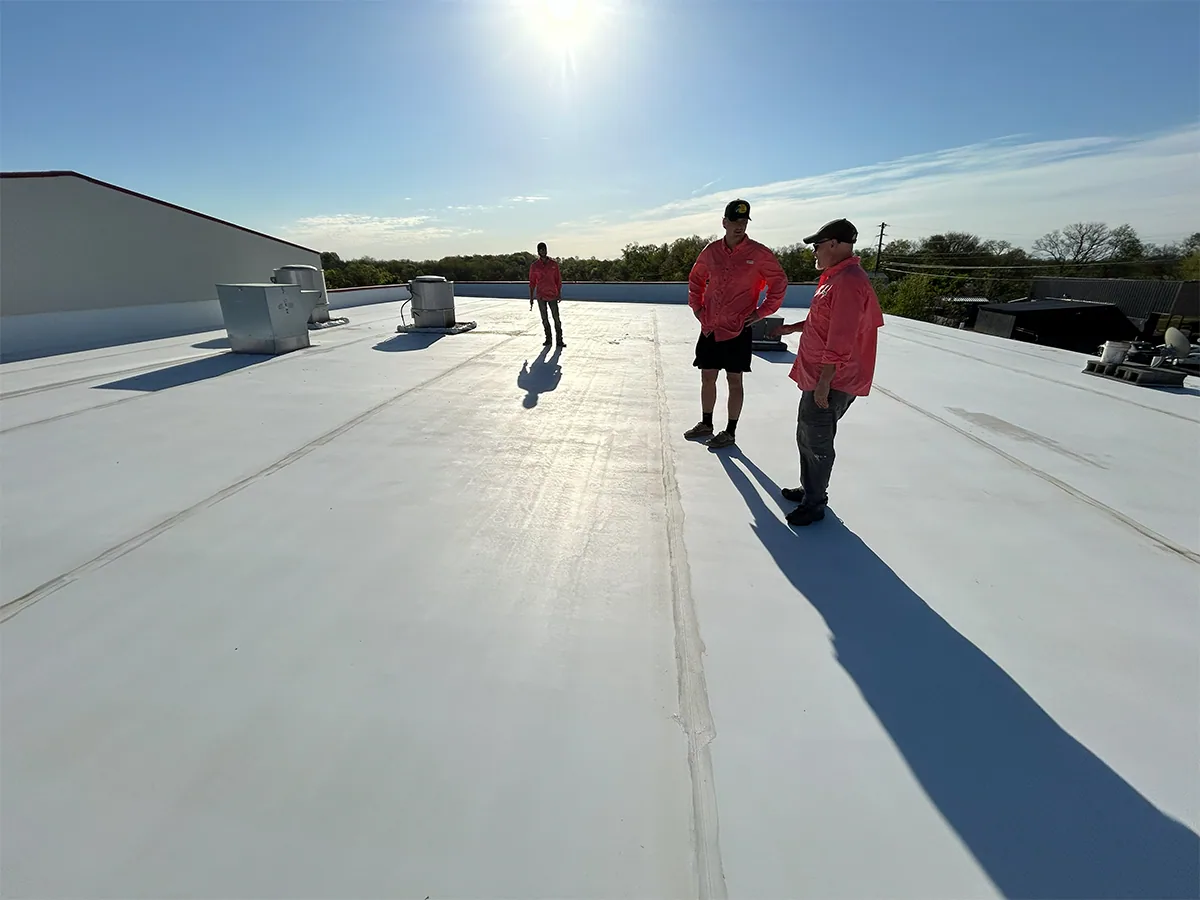
TPO is a thermoplastic sheet. Hot air welds the laps into one membrane. Rolls come in white, tan and gray. It is laid over insulation and held by fasteners, adhesive or ballast.
Failures cluster in a few places:
- Seams that were welded cold or dirty and open later.
- Corners and walls where the sheet pulls away under stress.
- Pipe boots and curbs where hand-welded patches age first.
- Surface cracking on thin or older sheets after years of sun.
Most of these are installation quality and detail work. A good crew and a seam probe on every lap catch them early.
Age shows differently by color. White sheets chalk and collect dirt. Tan and gray hide it. The look is cosmetic. What counts is seam strength and thickness remaining, and a core or a probe measures those, not the eye.
What it costs: sheet, insulation and labor
Three things set the price: sheet thickness, insulation and attachment. A thicker sheet costs more per square foot and gives more margin against wear and hail. Insulation and cover board are the largest line on many bids. Fully adhered systems cost more than mechanically attached ones.
Labor is the quiet cost. Detail work at curbs, walls and drains takes time. A roof with many units costs more than an open field of the same size. We price the field and the details separately, so you see where the money goes and where you can trim.
Warranty terms add a line. A longer manufacturer term usually requires a specified insulation, attachment and inspection routine. We read the terms with you before bidding, so the price you see includes whatever the manufacturer requires to honor it.
Heat and humidity: why white helps
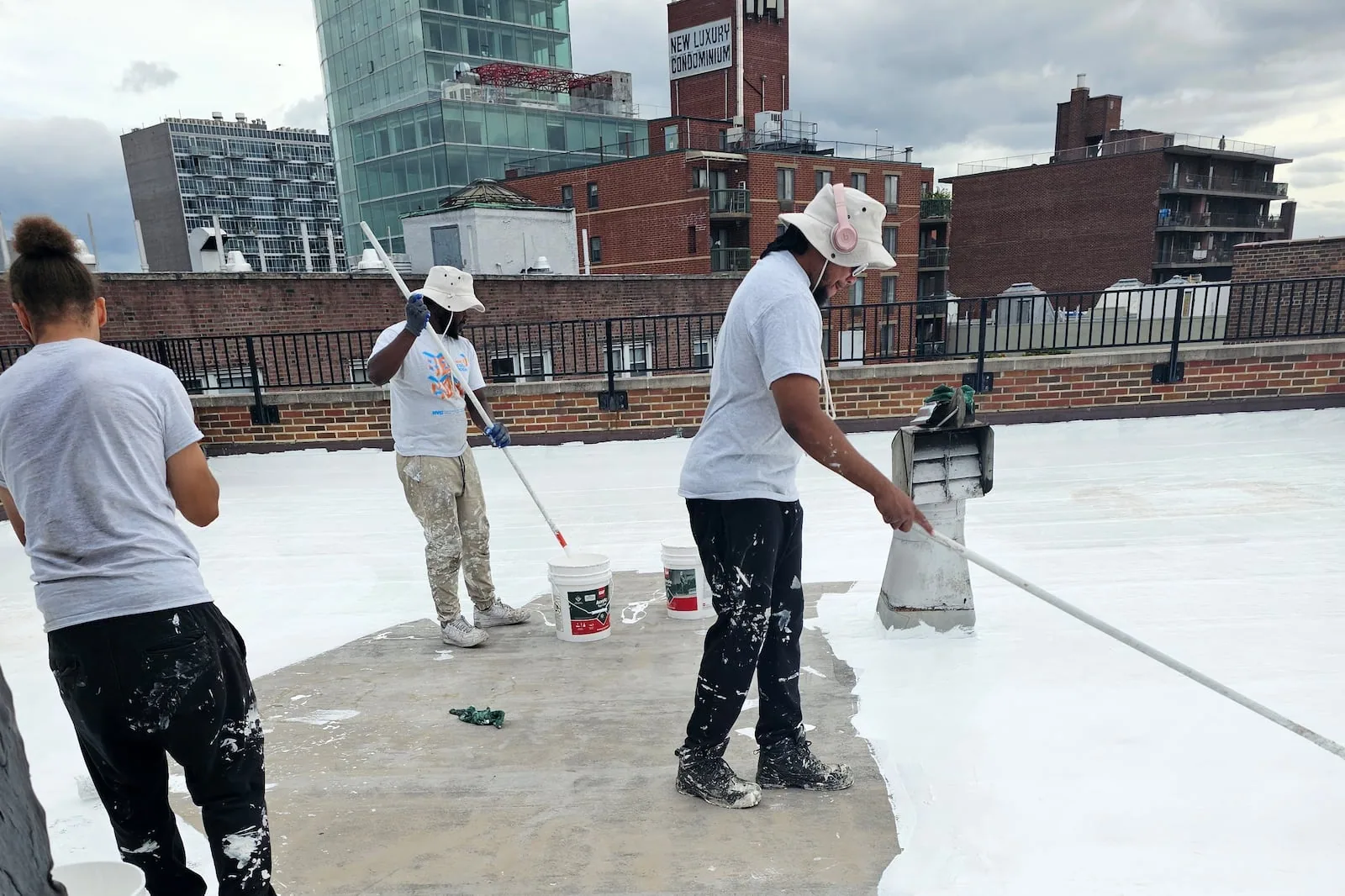
Add some two months of 90-degree days to humidity near 70 percent, and a roof works hard all summer. White TPO reflects sun and keeps the surface cooler than a dark sheet. A cooler surface means less movement at the seams and less load on the air handlers below. The payback follows the same summer cooling logic as a cool roof installation.
Humidity brings dirt and mildew. White sheets show both. A wash every year or two keeps the reflectance up. Skip it and the roof runs warmer than you paid for. We put the care plan in the scope so your maintenance budget carries the line.
Afternoon storms add a quick cooling shock. A hot sheet hit by cold rain contracts fast. Good seams take it. Weak ones open. That is one more reason we probe every lap after a hot, wet week.
Storm season: hail, wind and uplift
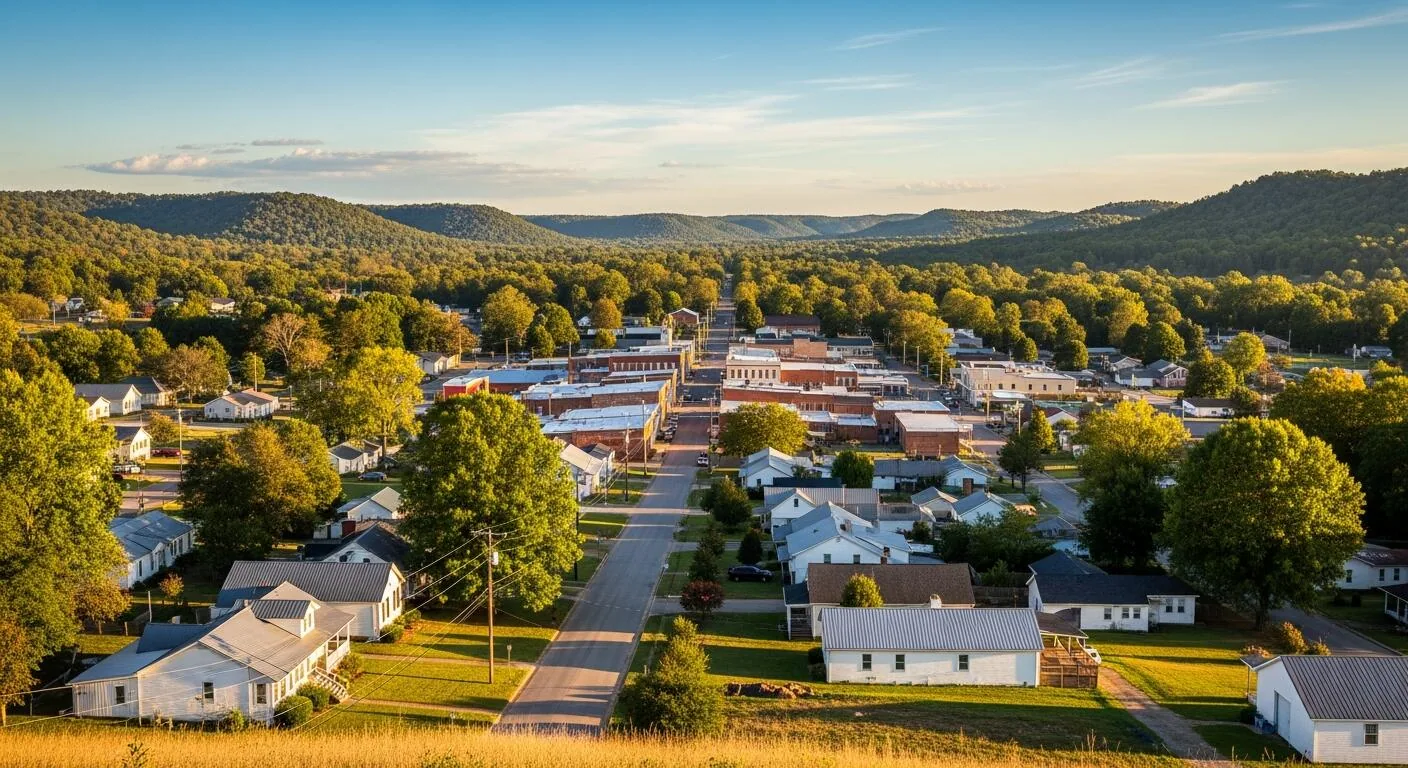
Hoover sits in Dixie Alley. Spring brings severe thunderstorms, and November brings a second season. Central Alabama was pelted on April 25, 2003 by hail as big as softballs. Hail can bruise a thin TPO sheet and the insulation under it, even when the surface looks fine.
Two choices help: a thicker sheet and a cover board under it. Wind is the other load. Edge and corner zones take the most uplift, so attachment is denser there. After any storm we check the perimeter, the seams and the curbs. Our hail damage repair crews handle bruised areas and write up the findings for a claim.
Debris is the other storm hazard. Tornado winds and straight-line gusts throw branches, signs and loose metal across a roof. A puncture in a TPO sheet is a small repair if found fast. We include a post-storm walk in every maintenance plan, with photographs for your file.
By building: where TPO fits in the metro
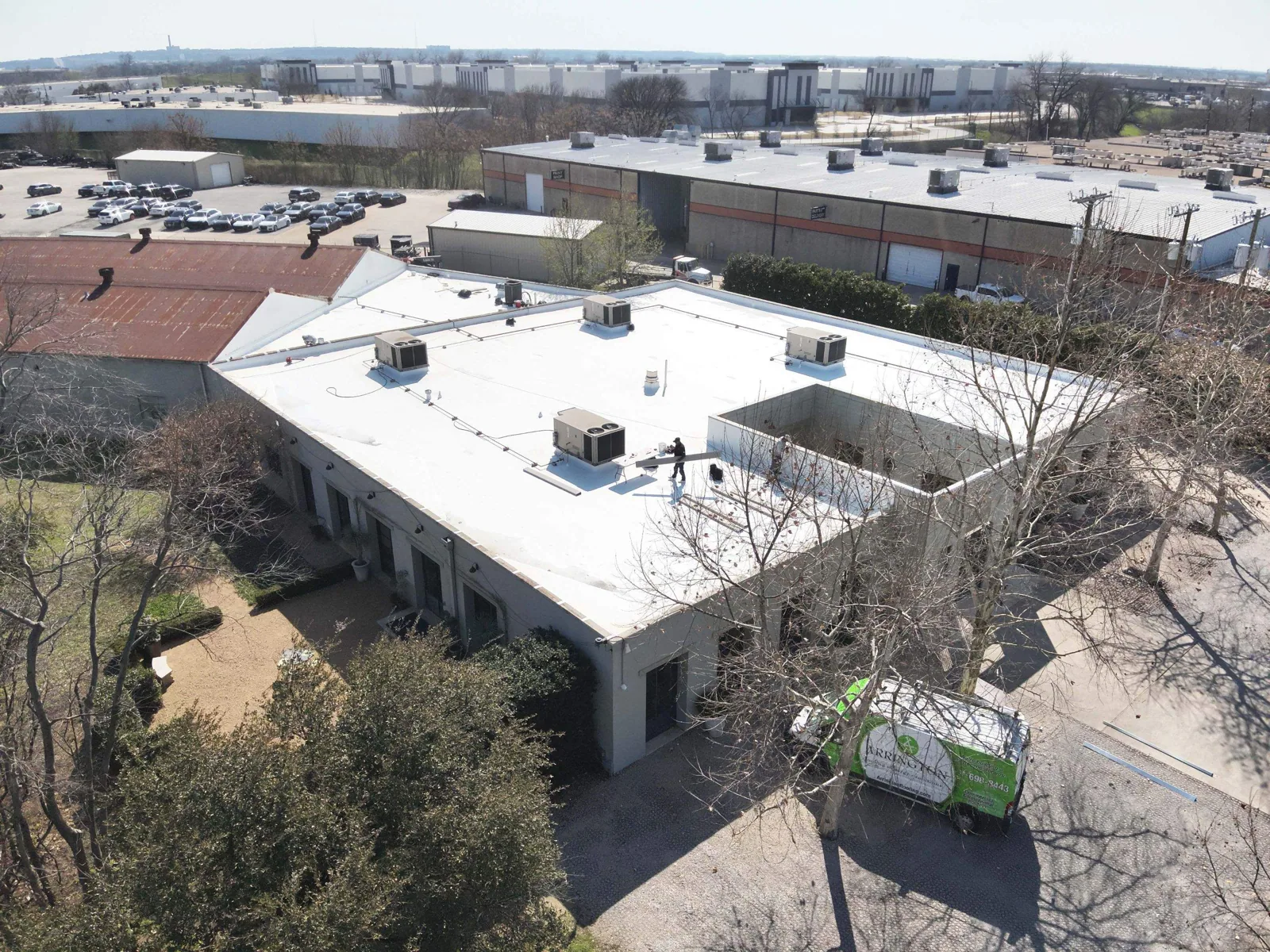
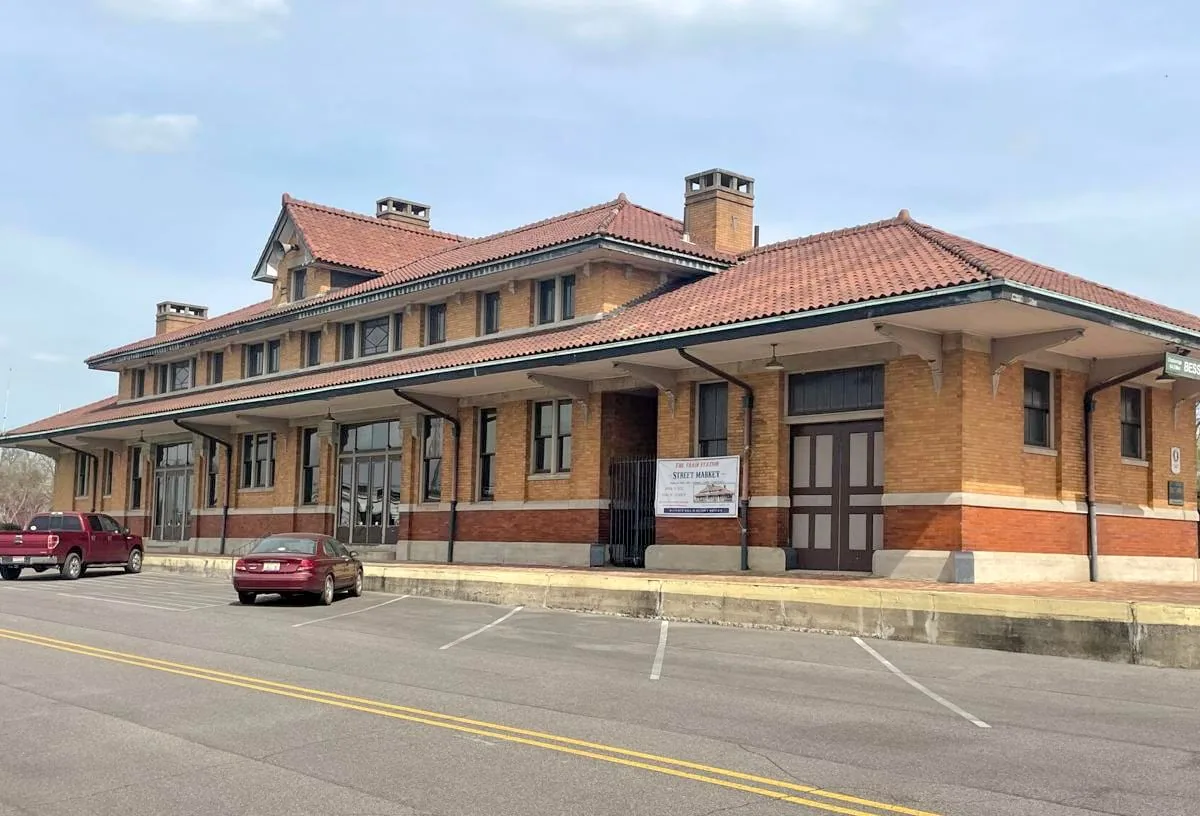
TPO suits large low-slope roofs, such as office buildings in Riverchase, strip centers on Highway 31 and distribution buildings in Bessemer, wherever the existing roof is flat. Big open fields go down fast, and welded seams hold up well on simple roofs. Roofs with heavy grease exposure are a better fit for PVC.
On a re-roof, TPO often goes over existing dry insulation as a recover, saving tear-off cost. Whether a recover is allowed depends on core cuts and the layer count. Where the roof is wet, we remove and replace. A building with many units also needs its curbs and supports checked.
Roof drains matter on a TPO roof, since welded seams do best on a roof that sheds water. Ponding for days stresses the sheet. We check slope to each drain and recommend tapered boards where water sits. A roof that drains well gets more years from the same sheet.
More on TPO Roofing
Recommendation: when we pick TPO
We pick TPO for dry, simple roofs where cost matters and heat is the main enemy. We pick something else when grease, chemicals, heavy foot traffic or ponding dominate. We say so plainly, with the reason.
Walk the roof before you choose. We check slope, drainage, insulation and rooftop equipment. Then we give you a priced option for TPO and one alternative. The comparison fits one page. You decide with the numbers in front of you.
Plan for the first walk-through a year after install. A quick look at seams, flashing and drains catches settling issues while the contractor's workmanship is fresh. We schedule it with the close-out and put it on your calendar.
Heavy foot traffic gets walk pads in the scope. A roof with ponds gets tapered insulation. An owner who wants a darker, more hail-forgiving sheet can see how EPDM compares on the same budget. Each of those changes the price, and each one fits on a line of the bid.
Commercial Roofing Questions
How thick should a TPO sheet be for a Hoover roof?
Thicker sheets give more margin against hail, foot traffic and years of sun. Common choices run from thinner to thicker, and the extra thickness costs a little more per square foot. For a roof with many units or a storm-prone location, we lean thicker. We show you the price difference and the added margin on the bid.
How can I tell if TPO seams are failing?
Look for open laps, lifted edges, wrinkles at seams and water stains below. A seam probe, a thin blunt tool run along the weld edge, finds weak spots that look fine. We probe every lap on an inspection and photograph the open ones. Repair is usually a hot-air patch or a cover strip.
Is white TPO right for a roof near kitchen exhaust?
Often not. Grease and oils can attack a standard TPO sheet. PVC or KEE handles that exposure better. We use them around exhaust fans and keep TPO for the rest of the roof if the building needs it. The roof can mix sheets with proper transitions, and we price that option.
Can TPO go over my old roof?
Sometimes. The old roof has to be dry, flat enough and within the code's layer limit for a recover to work. We scan for moisture and cut a few cores to check. If the insulation is wet or the deck is weak, we remove the old roof first. The scan results decide, and you see them.
What does a TPO roof need after it goes down?
A walk each spring and each fall. Clear the drains, look at the seams, check the flashing at curbs and walls, and photograph anything that changed. Wash the surface every year or two. Fix small openings quickly. A short routine like that keeps the roof near its design life, and the dated photographs help with warranty and claim questions.
Related Roofing Work
Cool Roof Installation
Hail Damage Roof Repair

Riverchase
Bessemer
Emergency Leak Calls
Call for a TPO roof walk and a priced comparison
We will walk the roof, probe the seams and price TPO beside one alternative. The visit pins down the thickness, the attachment and the budget year.