
Downtown Birmingham
Commercial Roofing in Downtown Birmingham, AL
Getting a crane onto a downtown street is a cost of its own, separate from the roof membrane. Permits can take weeks, and closures cost money by the hour. Start the roof plan early and the lift gets booked at a fair price. Start late and you pay for the rush. That is the first cost to ask about in Downtown Birmingham, AL.
Downtown roofs sit on tall towers, early-1900s office buildings and everything between. Each one has its own access problem and its own weather exposure. The roof itself is only part of the bill.
High-rise roofs: wind, access and fall protection
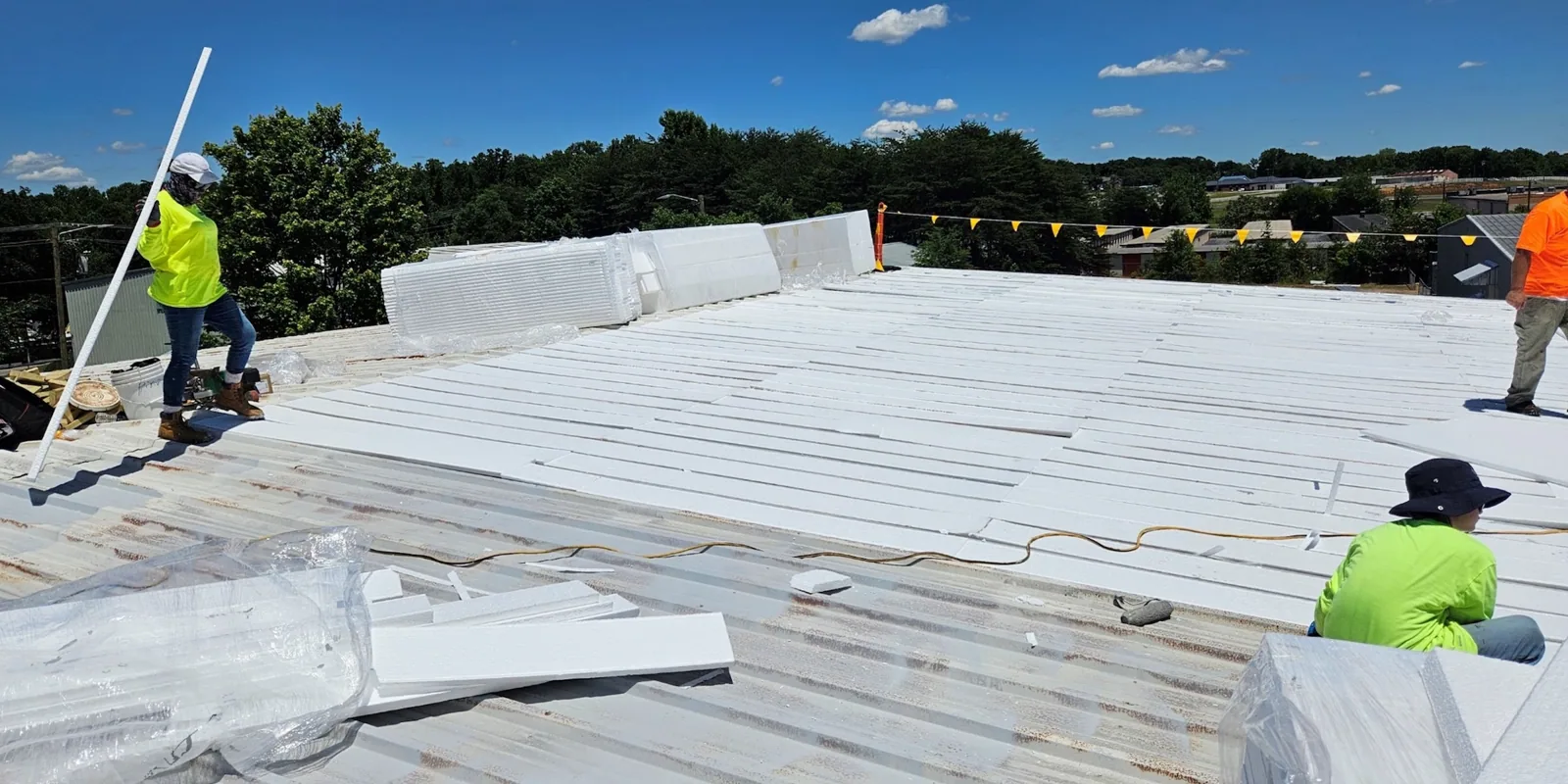
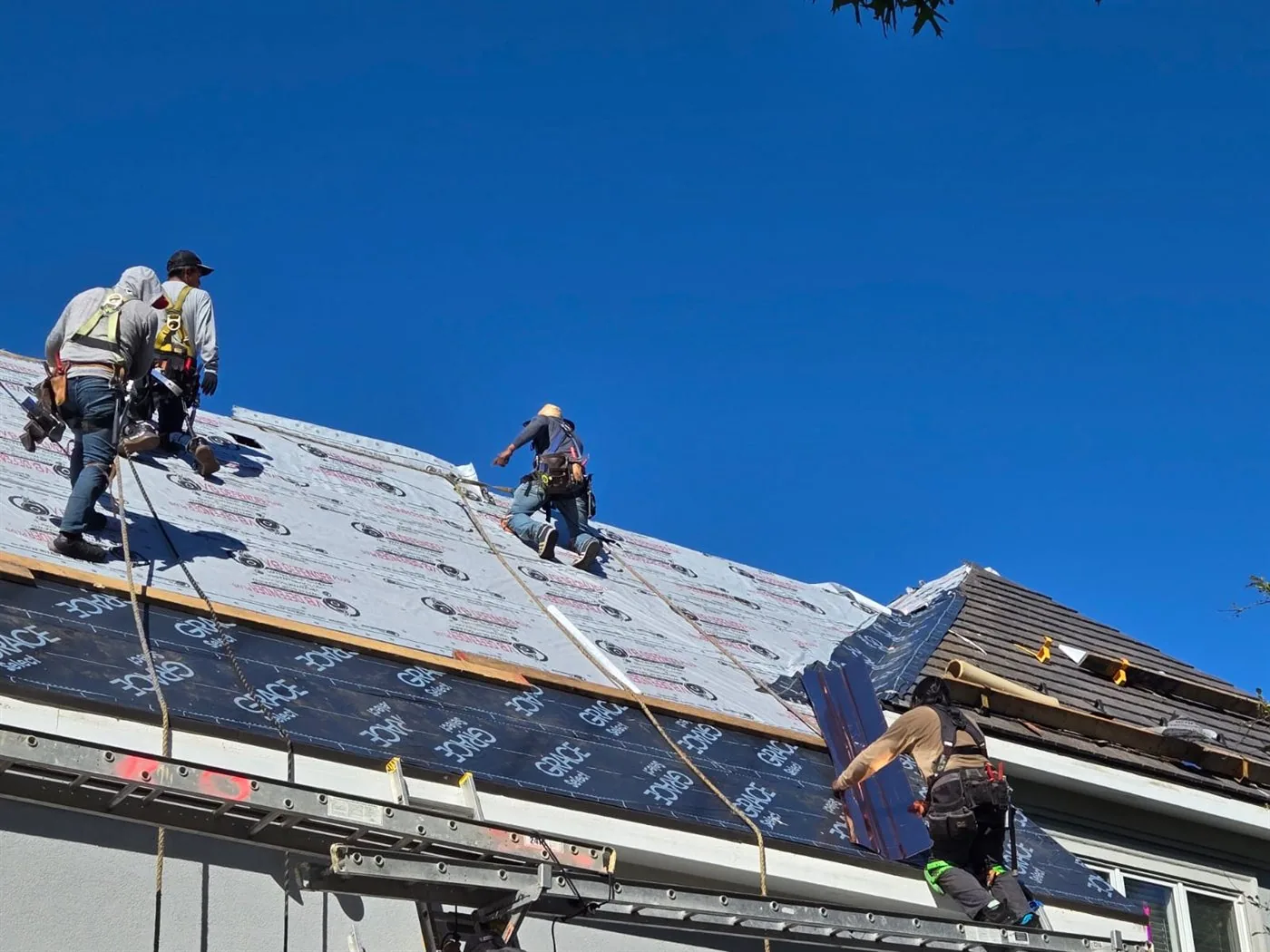
Downtown's tallest buildings include Shipt Tower at 34 stories and Regions-Harbert Plaza at 32 stories. Tall buildings see harder wind at the roof. Edges, copings and rooftop equipment take the load. Roof access is limited, and fall protection is a must.
We check how a crew gets to the roof, where it ties off and where material can land. Those answers set the schedule and the price. On a first walk we also inspect edge metal, parapet caps and equipment curbs, then rank what we find. Edge damage after a storm gets fixed first. Cosmetic items wait for the budget year.
Roof drains on a tall building serve a large area. A blocked drain can load the roof with water in one storm. We clear each drain, check the strainer and test the flow where we can. Overflow drains get the same check. If the primary drain fails, the overflow is the last line. Photograph both and keep the photos with the roof plan. Dated pictures settle arguments later, with tenants, with adjusters and with the next owner.
Early-1900s office buildings: masonry and tie-ins
At the Heaviest Corner on Earth, neoclassical office buildings went up between 1902 and 1912. Buildings with parapets, cornices and tight roof lines have tie-ins. The roof system on any of them gets confirmed on site.
Where parapets and cornices exist, the tie-ins are where leaks start. Cracked caps, open joints and failed counterflashing let water behind the membrane. We photograph each one and number it. A small repair this fall beats a wall repair later. We price both so you see the gap, and a drone pass over the same edges shows what a ladder misses.
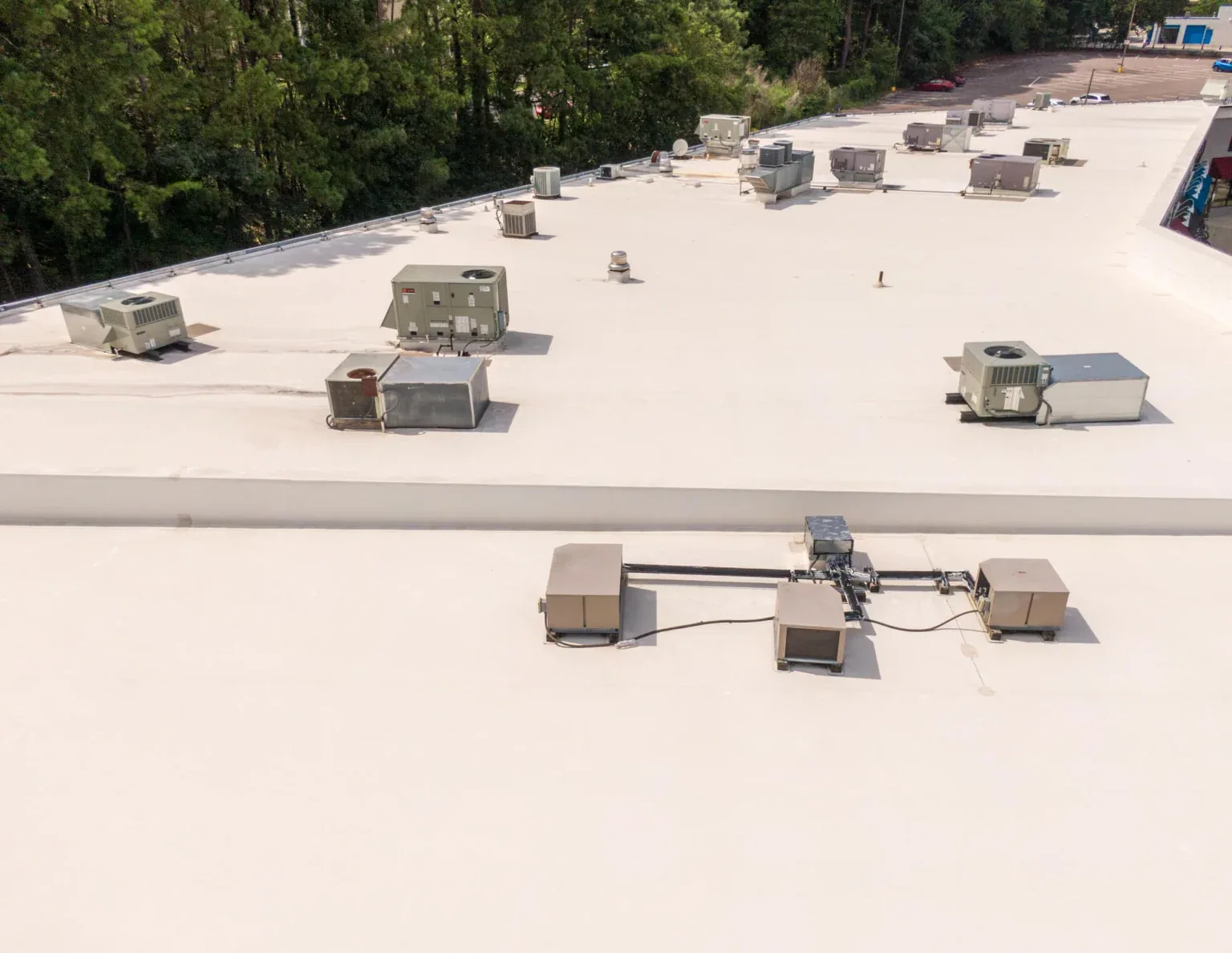
Metal cornices and decorative edges add more tie-ins. Each one is a place where two materials meet and move at different rates. Sealant cracks. Fasteners back out. We check them on a ladder and by drone where the edge is hard to reach. A drone roof inspection shows the top of a tall building without a lift, which saves a day of access cost.
Headquarters and data room buildings: low leak tolerance
Regions Financial, Protective Life and Alabama Power are headquartered in Birmingham, and AT&T has a downtown tower and data center. Corporate towers and data buildings share one need. A leak cannot reach equipment or records.
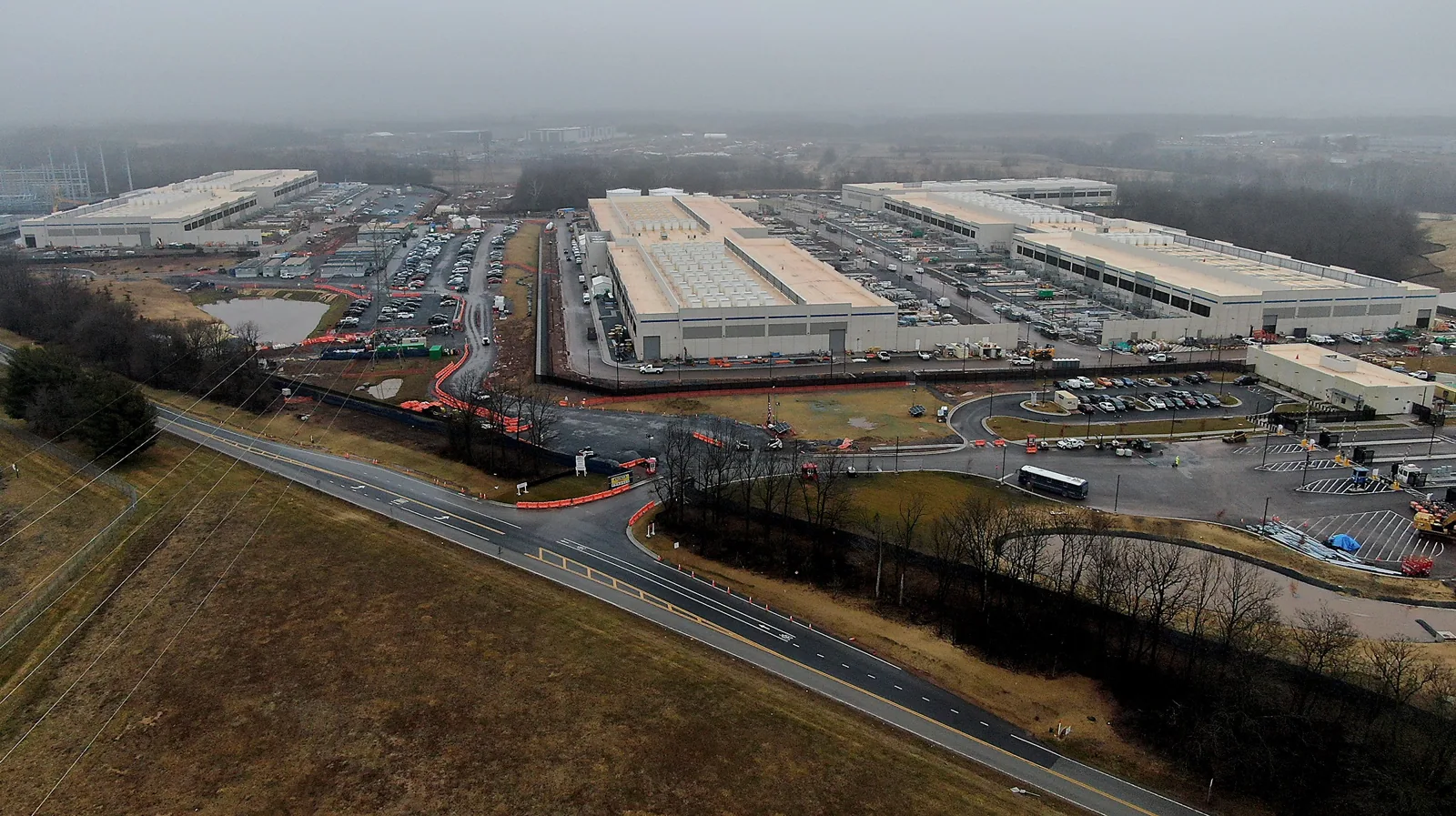
We rank every roof opening by what sits below it. A boot over a storage closet waits for the scheduled work. A boot over an equipment room gets a same-day response. Data-room buildings follow the stricter plan used for data center roofing: same-day response, written reports and quiet work windows.
Rooftop cooling and generators add vibration and heat. Pads wear out, flashing cracks and condensate lines drip. We check each unit's curb and the membrane under its pads. When a unit gets replaced, we inspect the curb the same day, because equipment swaps are when a roof gets damaged. Tell us when the swap is planned and we will walk the curb that day.
Street logistics: closures, hoisting and staging
The 1971 downtown convention complex includes a 19,000-seat arena, and events bring traffic and closures. Crane days and event days should not overlap. We ask for the event calendar before we set a lift date.
Staging is the next issue. Downtown sites have little room for dumpsters and material. Some jobs use hand carry, hoists or small lifts. Each method has a price. Ask for staging as its own line in the bid, so you can compare bids fairly.
Weather also drives the schedule. A crane cannot lift in high wind, and a membrane cannot go down wet. We build rain days into the plan and tell you the likely finish date and the latest finish date. That way the finance office hears one range, not three excuses.
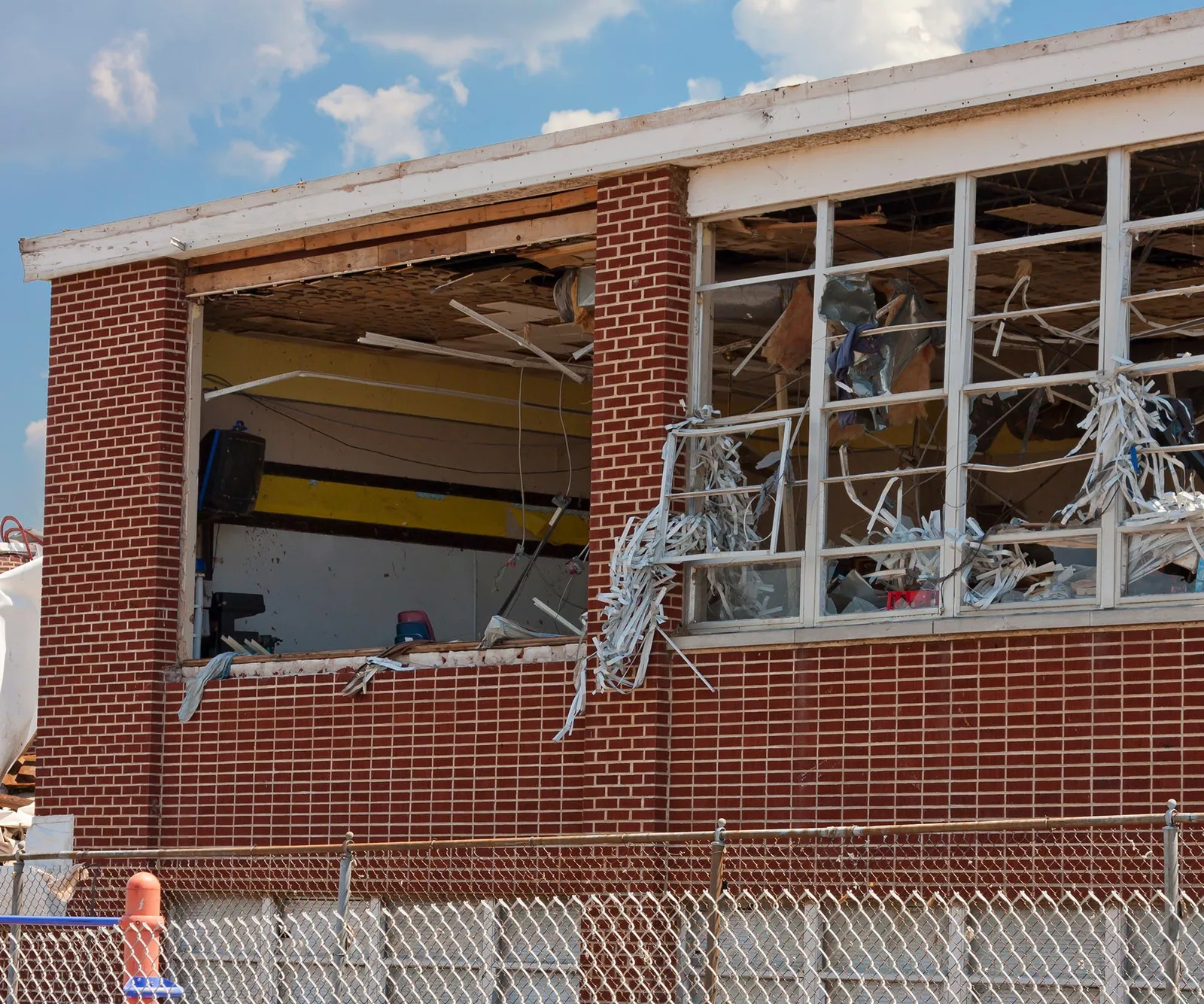
If a leak shows up before the planned work, call us. A tarp-and-dry holds the building until the schedule catches up. Emergency protection is a modest first stage. The permanent repair follows once the cause is found. An emergency roof repair crew works any hour, and we write up the first stage so your insurer sees what was done and when.
Storm season, heat and the budget year
Two calendars run downtown. Spring and November carry the storms of Dixie Alley, whose tornado list runs from 1977 through 1998 to April 27, 2011, and the year adds heavy precipitation, about 56.6 inches, and long hot stretches at 90 degrees or higher.
That means two calendars. Fix leaks and edges before March. Budget for heat wear on membranes and sealants every summer. A written report, with a price on each side of your repair-or-replace line, makes the request easy to approve. A commercial roof inspection each winter feeds that report.
More on Downtown Birmingham
What to send us
Send the building address, roof plan if you have one and any past reports. Tell us who controls roof access. Tell us about event dates, tenant quiet hours and loading rules. We will put them on one schedule.
If you own more than one building, ask about a portfolio plan. Properties in Southside and Homewood can follow the same calendar.
Commercial Roofing Questions
What makes downtown roof jobs cost more than suburban ones?
Access and staging. Cranes need street permits, closures cost by the hour and dumpsters need a spot. We recommend asking for those as separate lines in the bid. Then you see roof cost and site cost clearly, and you can compare bids on the same scope instead of guessing which one hid the extras.
Do older neoclassical buildings need special roof care?
They need careful tie-in work. Parapets, cornices and caps crack, and water gets behind the membrane. We recommend a parapet and counterflashing check every fall. A small cap repair costs little. Wall repair after years of leaks costs much more, and the stain shows up inside long before.
How do you protect equipment rooms during roof work?
We rank openings by what sits below them, close work zones daily and keep tarp-and-dry ready. We recommend a named contact for approvals on your side. Any hidden condition gets photos and a price before the crew goes further. That keeps the schedule and the budget honest.
When should a downtown owner book roof work?
Before the spring rush. Storm claims cluster in March, April and November. We recommend booking in January or February, when crews and cranes are free. You get a firm date, a firm price and a repair finished before the first big storm of the season.
Can event days affect a roof schedule?
Yes. Large events bring traffic and street closures, and crane days cannot overlap them. We recommend sending us the event calendar with the roof plan. We will set lift dates around it and tell you which dates are locked in and which can move.
Related Roofing Work

Drone Roof Inspection
Data Center Roofing
Emergency Roof Repair
Commercial Roof Inspection
Emergency Leak Calls
Call for a storm walk or budget review
Call before the spring rush or right after a storm. The walk pins down your access plan, your parapet condition and your repair-or-replace line. You get a written report with a price on each item.