
Manufacturing Plant Roofing
Manufacturing Plant Roofing in Hoover, AL
A plant shutdown is the cheapest time to fix a roof. It is also the only time some sections can be reached. Miss the window and the next one may be a year away. So the roof plan for a Hoover, AL area plant starts with the shutdown calendar, not the weather.
Weather still matters. Spring storms peak in March and April, and November brings a second round. We plan the heavy work between those rounds and around your production dates.
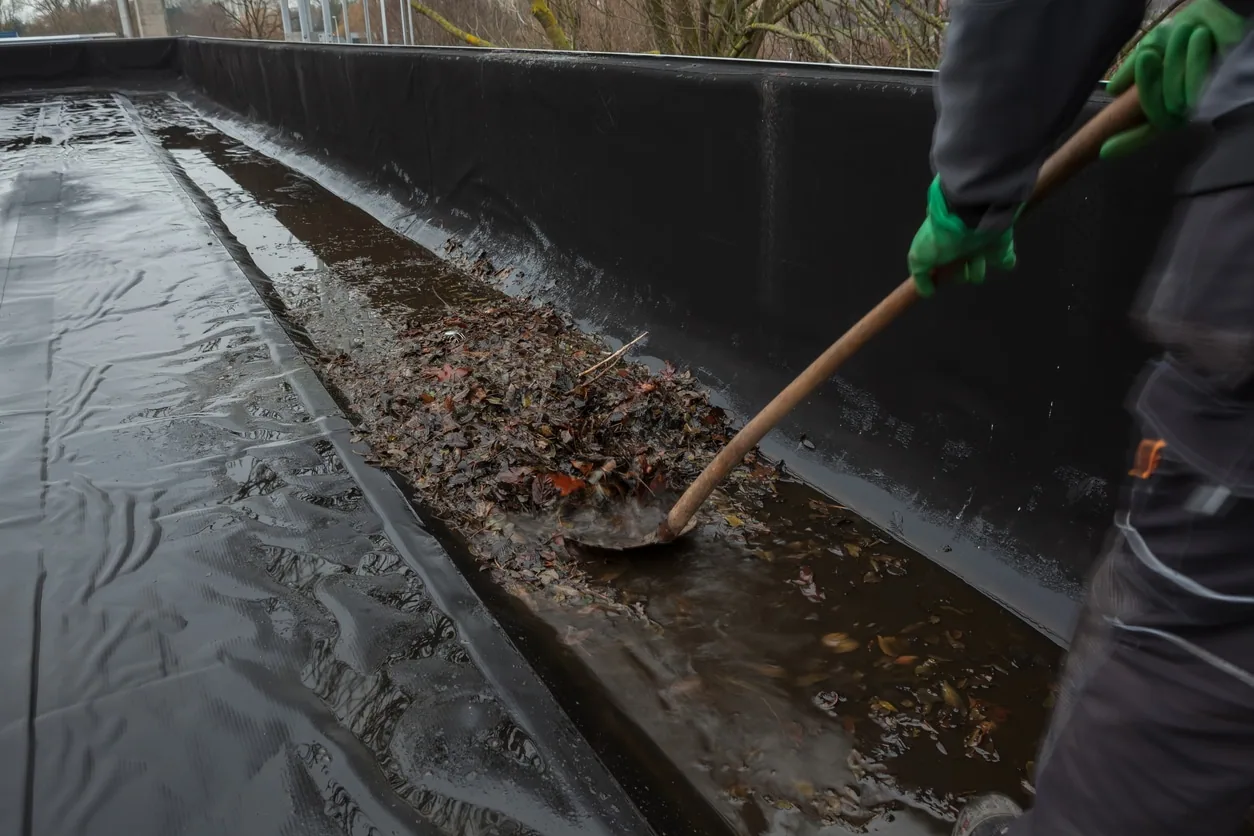
The issue: the process is hard on the roof
A plant roof carries more than rain. Exhaust stacks drop warm, moist air and residue on the surface. Cooling equipment drips. Vents run hot. Foot traffic to equipment wears a path. Each of these shortens membrane life in one spot.
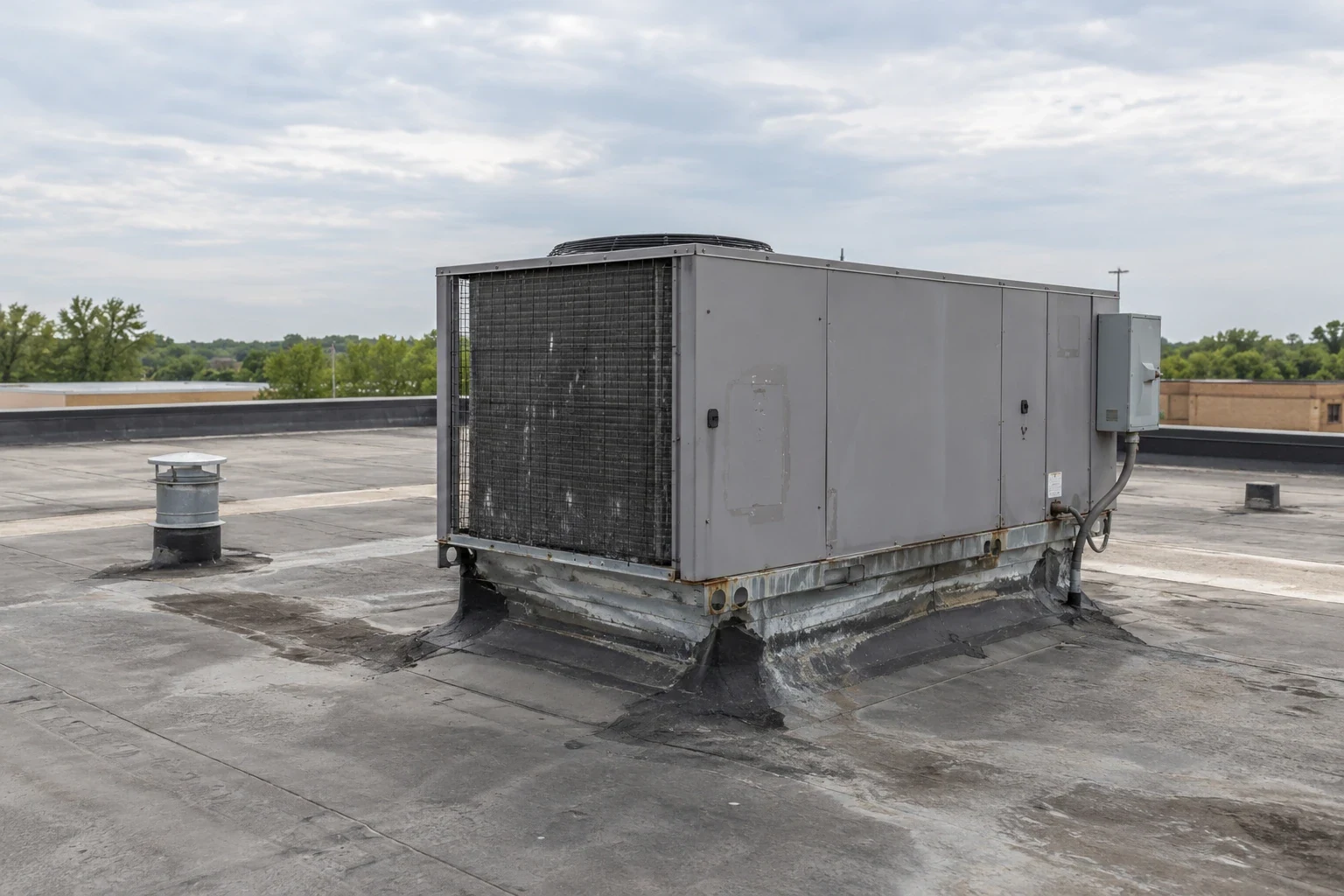
We start at the vents and units. Look for stained, soft or chalky membrane downwind of an exhaust. Look for ponding near condensers. Check every curb and every pipe boot. Leaks over a process area stop product or damage equipment, so these spots rank first. A drip onto a motor control cabinet is not a roof problem for long. It becomes an electrical problem, then a production problem. We mark every unit that sits under a roof stain and tell you which ones to cover this week.
The area has deep steel and iron roots. ACIPCO, McWane, CMC Steel, U.S. Steel and Nucor are all present, and heavy industry puts heat and fumes on roofs.
What it costs: roof first, then production
The roof is the smaller number. A leak over a line is the bigger one. An hour of stopped production can cost more than the repair that prevents it. Wet insulation and corroded deck add to the bill when a leak runs for months.
Cost on the roof moves with area, layers, penetrations, equipment to lift and access. A plant with many stacks costs more per square foot than an open warehouse, because each stack needs its own flashing. A curb and equipment support repair is often the quickest fix for a leak near a unit.
We show the roof cost and the cost of waiting side by side. Then you pick the year. A section left through two storm seasons can pick up wet insulation, a deck repair and a rushed schedule on top of the roof itself.
Hot work permits and fire watch add hours that a shutdown window can absorb but a running plant cannot, which is why the estimate separates shutdown labor from running-plant labor.
Storm season: wind, hail and the plant roof
The Birmingham area sits in Dixie Alley. Both the 1998 F5 and the April 27, 2011 EF4 hit the Hueytown and Oak Grove area of western Jefferson County, and the 1977 F5 belongs to the same record. Hail the size of softballs also fell across central Alabama on April 25, 2003.
Plant roofs have large exposed areas and tall equipment. Wind lifts edges and moves loose covers. Hail bruises the membrane. Once a severe report comes in, the storm walk runs from edges to equipment to drains. We photograph each item with a date.
That record helps with an insurance claim. It also tells you which repairs are urgent and which can wait for the shutdown.
When to do it: shutdown windows and the Helena and Hueytown industrial belts
Helena has a developed industrial park of varied manufacturers, and Vulcan Materials runs an aggregate quarry there. Hueytown has redeveloped about 1,200 acres of the former Woodward Iron site for lighter industry. Bessemer has a U.S. Pipe ductile pipe plant. Different plants, same question: when can the roof come off?
Book the shutdown window early. We can stage materials ahead and pre-cut insulation, so the open time is short. Between shutdowns, we do cheap fixes: seal tie-ins, clear drains, reflash vents.
Heat and humidity shorten seam life, and a Birmingham summer supplies about two months of 90-degree days to do it. A preventive roof maintenance visit each spring and fall catches problems early.
Budget year: plan the roof with the equipment
Roof work and equipment work should share a calendar. If a unit will be replaced next year, reflash its curb with the new unit, not before. If a stack is coming out, hold the repair around it. We read your capital plan and build the roof schedule to match.
Phase the work. Year one: leaks, drains and vents. Year two: the sections that failed the moisture read. Year three: the rest. Each phase has a price, a date and a dry-in plan. The total is lower than one emergency replacement, and it fits a normal budget cycle.
More on Manufacturing Plant Roofing
Recommendation: match the membrane to the process
Not every membrane handles grease, fumes or heat the same way. Where oils or fats reach the roof, a PVC roofing system is often the better pick. Where the roof is clean and dry, other systems work and cost less. We look at what your process puts on the roof, then match the system to it.
A replacement here is scoped to the enforced building code and energy rule, and your designer confirms the final list.
Storage bays on the same site follow the logic of warehouse roofing, and a manufacturer with several plants can put every roof on one schedule.
What to ask us: shutdowns, vents and proof
Call with the plant address and your shutdown dates. Then ask these.
- Which vents and stacks are hurting the membrane?
- Which section has wet insulation, and what do the cores show?
- What can be done in a weekend, and what needs a full shutdown?
- What does it cost to wait one more year?
The answer is photos, readings and a price. A plant with a distribution wing can use the same plan for the loading side, as in distribution center roofing. We also ask you for the process facts: what the stack carries, how hot it runs and what reaches the roof. Those answers decide the membrane.
Commercial Roofing Questions
Can the roof be replaced during a planned shutdown?
Yes, and that is the best use of one. We stage materials ahead, pre-cut insulation and work sections in order of risk. We recommend sharing your shutdown dates by January so we can hold crew time. If the window is short, we do the critical sections first and finish the rest at the next one.
What should I check on the roof between visits?
Look at the area around each vent and unit, and at every drain. Stained or soft membrane, standing water a day after rain and loose covers are the signs. Send us a photo. We recommend a monthly look by someone already on the roof for filters, and a written note kept with the roof file.
How do you protect production lines during roof work?
We work by section, dry in each section the same day and use temporary covers over open areas. Critical lines are scheduled last or during shutdown. A tarp-and-dry crew stands by for early rain. We recommend a walk with your operations lead before work starts, so every sensitive line is marked.
Does the roof have to match the process?
Yes. Oils and fumes attack some membranes more than others. We look at what reaches the roof and match the system to it. We recommend testing a sample of the old membrane downwind of the worst vent. The result shapes the replacement spec and avoids a repeat failure.
When is a coating a smart choice for a plant roof?
When insulation is dry, seams are sound and the surface has worn. A coating is cheaper than tear-off and does not need a long shutdown. We recommend moisture readings and core cuts first. If the cores come back wet, replace that section and coat the rest.
Related Roofing Work
Rooftop Equipment Curbs and Supports
Helena
Hueytown
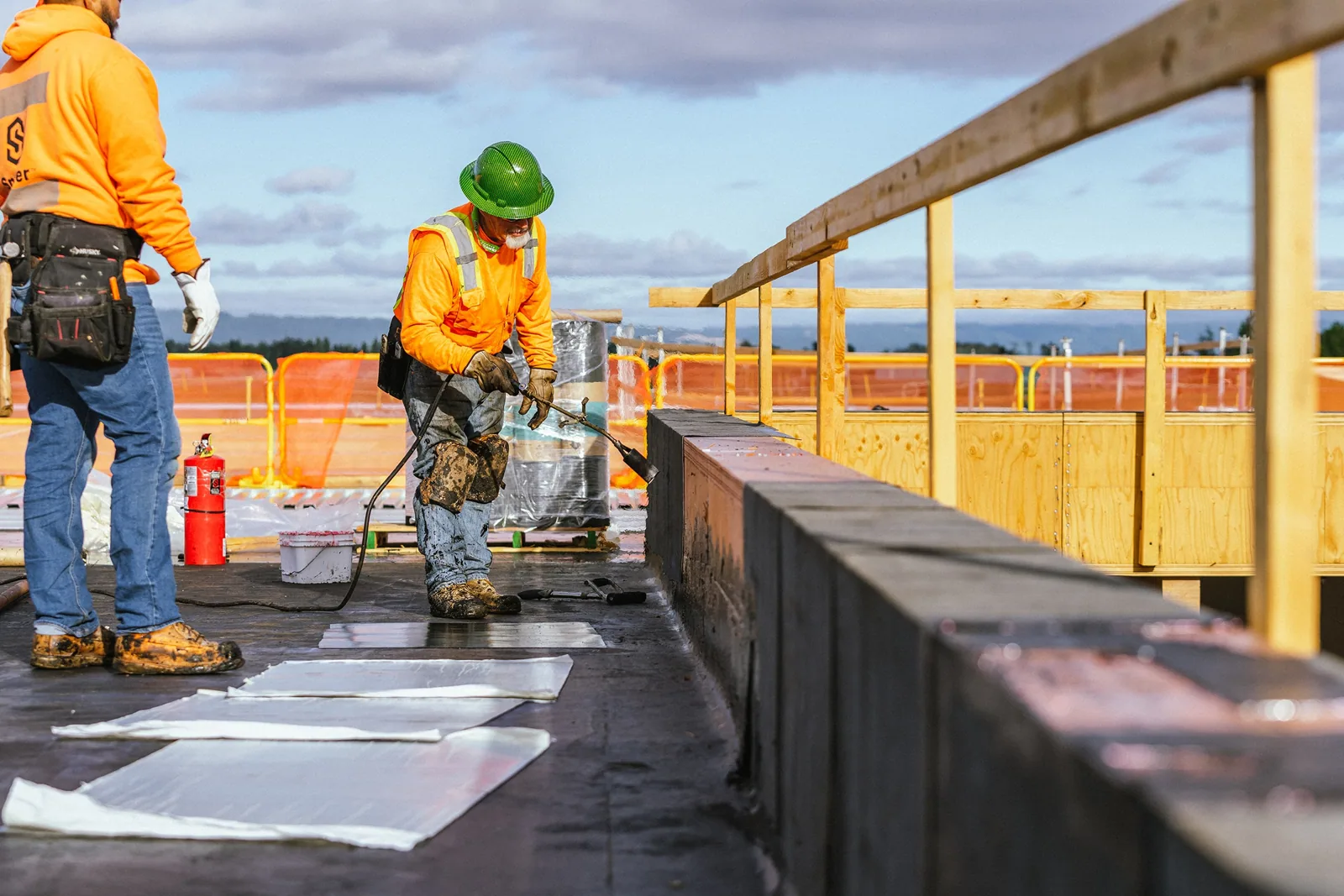
Preventive Roof Maintenance
Emergency Leak Calls
Call for a storm walk or budget review
Call before your next shutdown or after the next storm report. The visit pins down which sections go first and what the shutdown window must allow. You get the list in writing, with a price on each.