
Helena
Commercial Roofing in Helena, AL
Helena, AL has its worst weather in March, April and November. Plan roof work around that calendar and you save money. Ignore it and you pay for rush work. A repair done in February costs a fraction of the same repair done after a storm, when crews are booked out. Here is how we plan roof work in Helena, and what each choice costs.
Helena roofs include an industrial park, a quarry and pipeline operations, and the 19th-century buildings of Old Town. Each needs a different check.
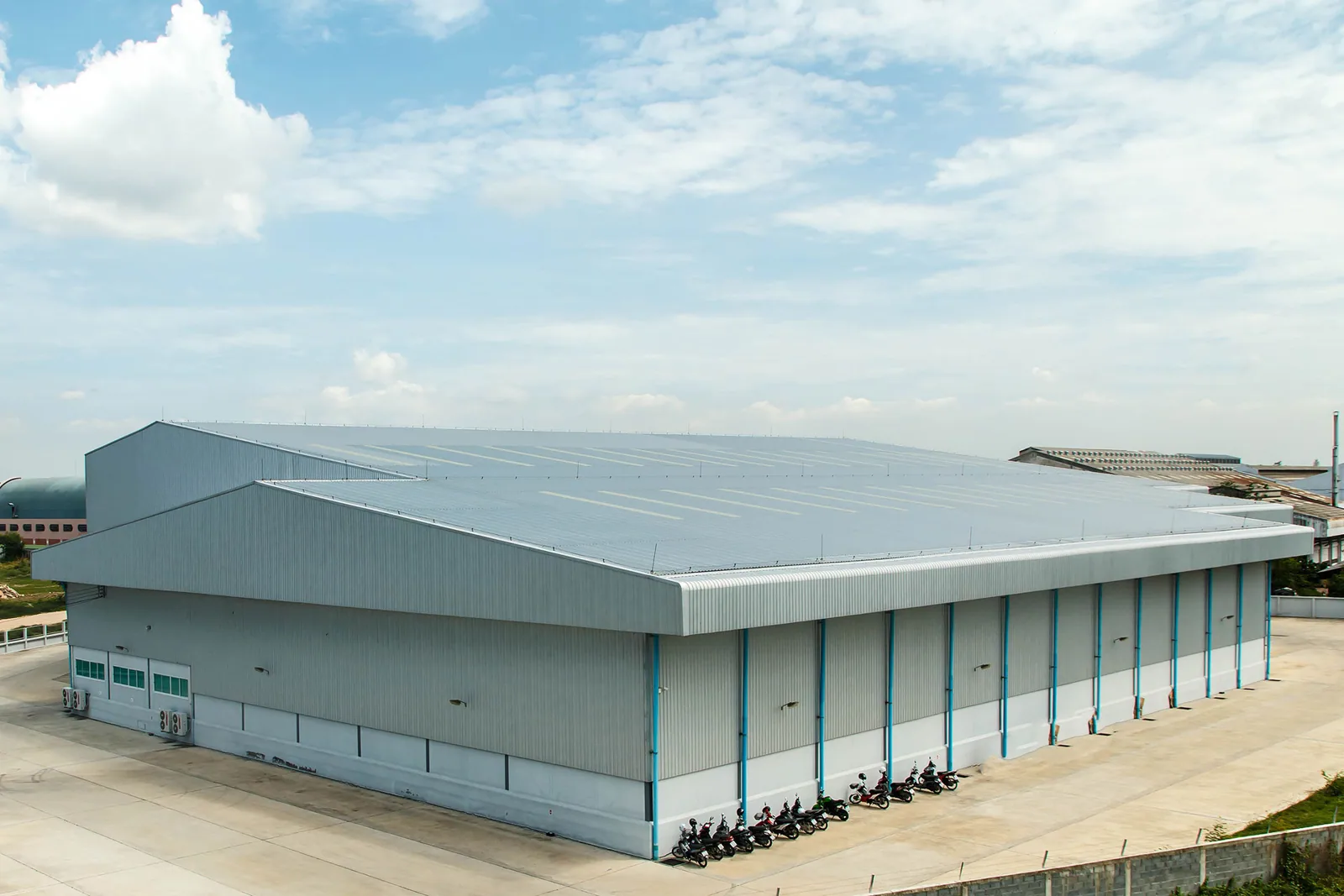
Peak weather: March, April and November
Helena's severe weather peaks in March and April and in November. A March 25, 2021 tornado put EF1 damage on several Helena homes and reached low-end EF3 strength northeast of town, a sign of how fast weather turns here.
Walk your roof in January. Fix leaks and edge metal in February. After any storm, walk it again and call us for a tornado damage or wind check if you see lifted metal or torn membrane. Early calls get early dates. Access is planned as carefully as the roof: AL-261 runs through Helena and I-65 lies about three miles east of Old Town, so we settle the delivery route and the staging spot before the crane date is set. Calls after a storm join a long line.
Edges come first. Wind gets under loose edge metal and peels a membrane from the perimeter inward. Check coping, drip edge and fasteners. Tighten what you can. Photograph the rest and send it to us. A strip of loose metal costs little in February. After a storm it can become a claim, and the price climbs with the damage.
Industrial park roofs: big, flat and busy
Helena's developed industrial park houses a wide variety of manufacturers, and the first walk on each building identifies the roof system. Industrial roofs share traits. Large flat areas. Rooftop exhaust. Heavy equipment. Forklift traffic below and service traffic above.
Look for ponding first. Water that sits more than a day after rain ages seams and adds weight. Look at exhaust next. Heat, steam and oil mist can break down a membrane near the stack. Then look at curbs and pads. We rank each defect by cost and risk. A manufacturing plant roof gets a shutdown-window plan so work does not stop production.
Equipment adds its own risk. Fans, makeup air units and ductwork sit on curbs and stands. Each one is a penetration, and each one vibrates. Vibration loosens flashing and cracks sealant over time. We check every support, mark loose fasteners and tell you which curb to fix first. The curb list is its own line in our bids.
Quarry and pipeline operations: office and shop roofs
Vulcan Materials operates a construction aggregate quarry in Helena, and the Plantation Pipeline has a depot and tank farm there. Operations like these have offices, shops and storage buildings. The buildings are plain and the schedules are tight. Dust and heavy trucks put extra load on roofs and drains.
Dust packs into drains and scuppers. It also hides cracks. We clear the roof surface first, then inspect. Near a tank farm, hot work needs permits and fire watch. We write those rules into the scope before the crew shows up, and we pick cold-applied or mechanically attached methods where heat is not allowed.
Drainage near heavy traffic needs care too. Truck loads shake dust onto the roof, and dust turns to mud in the first rain. Mud blocks drains and holds water against the membrane. We clear drains, flush them and mark any ponding line. If the pond returns after every rain, we price a new drain or tapered insulation next to the repeat patch, so you see both choices.
Old Town: 19th-century commercial buildings
AL-261 runs through Helena, and I-65 is 3 miles east of Old Town, where 19th-century commercial buildings still stand. Old buildings have old roofs and old details. Parapets. Cornices. Mortar joints. Tie-ins between different eras of construction.
A test cut shows what a given roof is made of. Water usually gets in at the tie-ins, where the roof meets a wall. Cracked mortar and failed counterflashing are the common finds. Fixing them early is a small repair. Waiting means wet walls, stained plaster and a bigger bill. A roof recover may fit when a sound old deck can take a new layer.
Before any bid, the scope should come with the roof drawn out, with the tie-ins, the parapets, the drains and every penetration marked and priced one by one. When a bid lists only one square-foot number, you cannot tell what is in it. A scope with lines lets you compare three bids on equal terms, and it keeps the final bill near the quote. Photos and prices for each item come with the report.
Heat, humidity and the budget year
The Birmingham area has about 56.6 inches of precipitation a year, around 70 percent average relative humidity and about 65 days at 90 degrees or higher. That wears sealants and coatings. Budget for it every summer.
Hot weeks also change how crews work. Adhesives and welds need a dry surface and a workable temperature. On a 90-degree day the surface of a dark roof can be much hotter than the air. We start early, break at midday when the roof is too hot to weld well, and finish in the evening. That costs a little in schedule and saves a lot in rework.
Get a written report each winter. Keep it with the repair invoices so the file shows the roof's history. It should show your repair-or-replace line and a price on each side. A preventive maintenance visit each fall keeps drains clear and flashing tight. The same schedule suits property in Pelham or Chelsea.
More on Helena
Commercial Roofing Questions
What month works best for roof work in Helena?
Late fall through winter. Walk the roof in January and fix leaks in February. We recommend finishing before March, when severe weather peaks and crews book up. Work done in the quiet months costs less, finishes on the date you were given and leaves room for a rain day.
How do tank farms and quarries change roof work?
They add permits, dust and fire rules. Hot work may be limited. We recommend a written scope that names the method, the fire watch and the permit holder before the crew arrives. Cold-applied or mechanically attached systems are often the answer where heat is restricted, and the bid should price them.
What should I look for on an old commercial building roof?
Tie-ins and parapets. Cracked mortar, open joints and failed counterflashing let water behind the roof edge and into the wall. We recommend a test cut and a written report before any bid. Pricing blind leads to change orders once the roof is open and the real condition shows.
Does a tornado nearby mean my roof is damaged?
Not necessarily. The March 25, 2021 tornado hit homes and passed northeast of town. We recommend a storm walk after any severe weather. We check edges, equipment and membrane, and we document what we find, damaged or not. A clean report is worth having on file.
How can I keep industrial roof work from stopping production?
Plan around your shutdown windows: material staged away from active areas, zones closed daily, a tarp-and-dry crew ready. We recommend sending a shutdown calendar with the roof plan, so the schedule fits the plant.
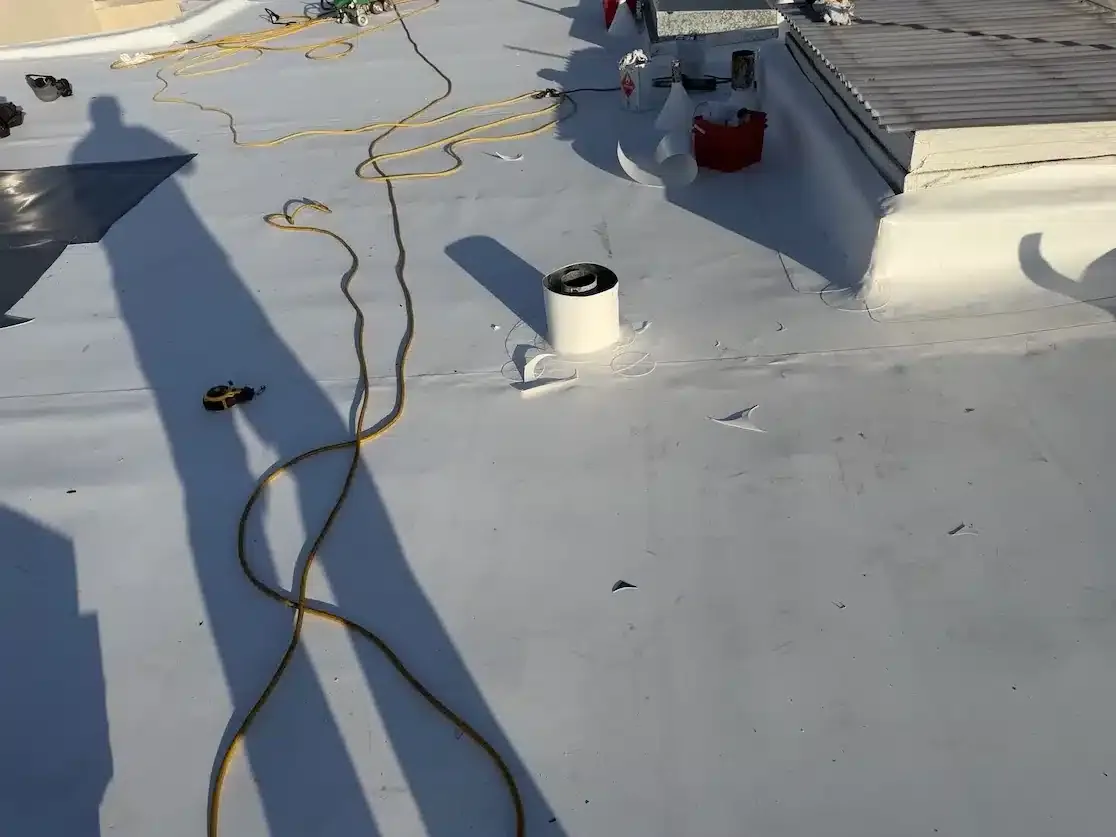
Related Roofing Work
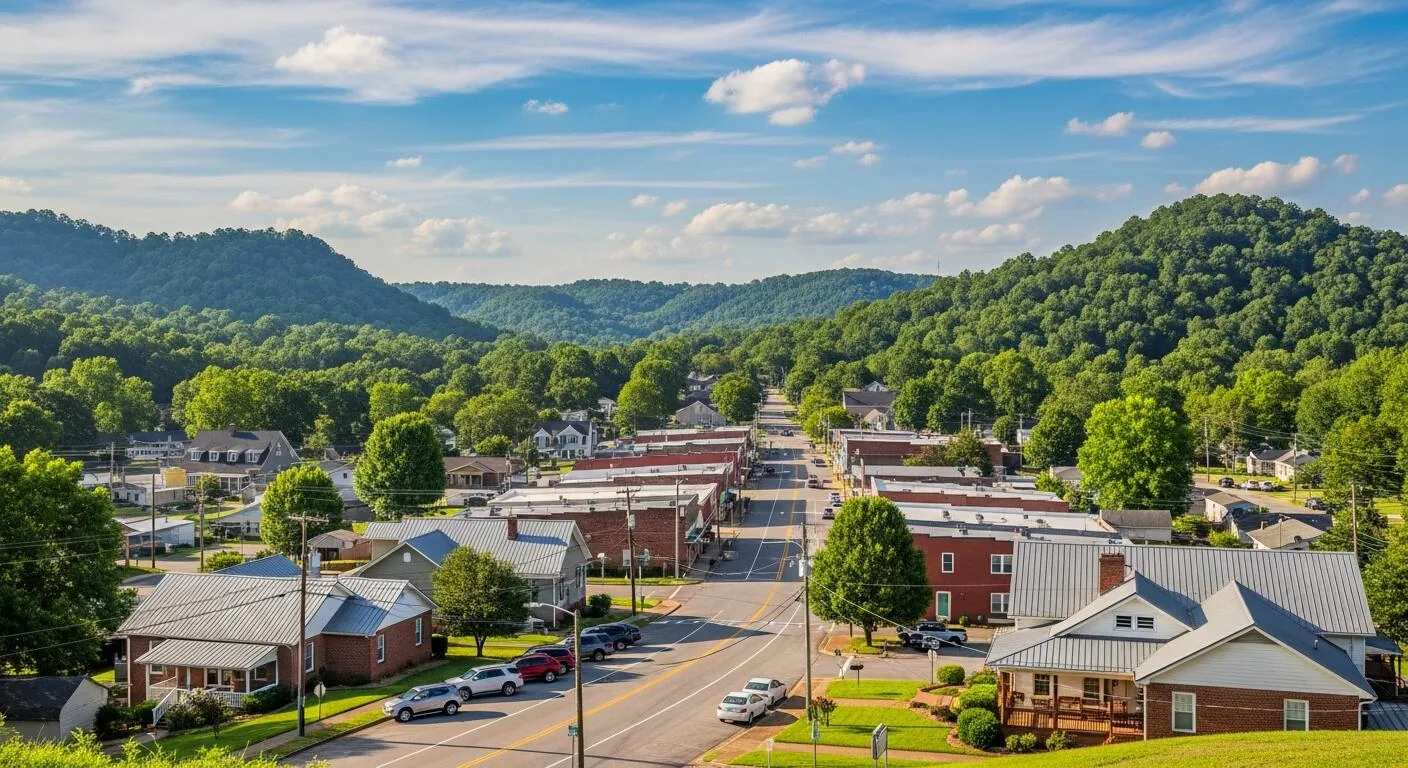
Tornado Damage Roof Repair
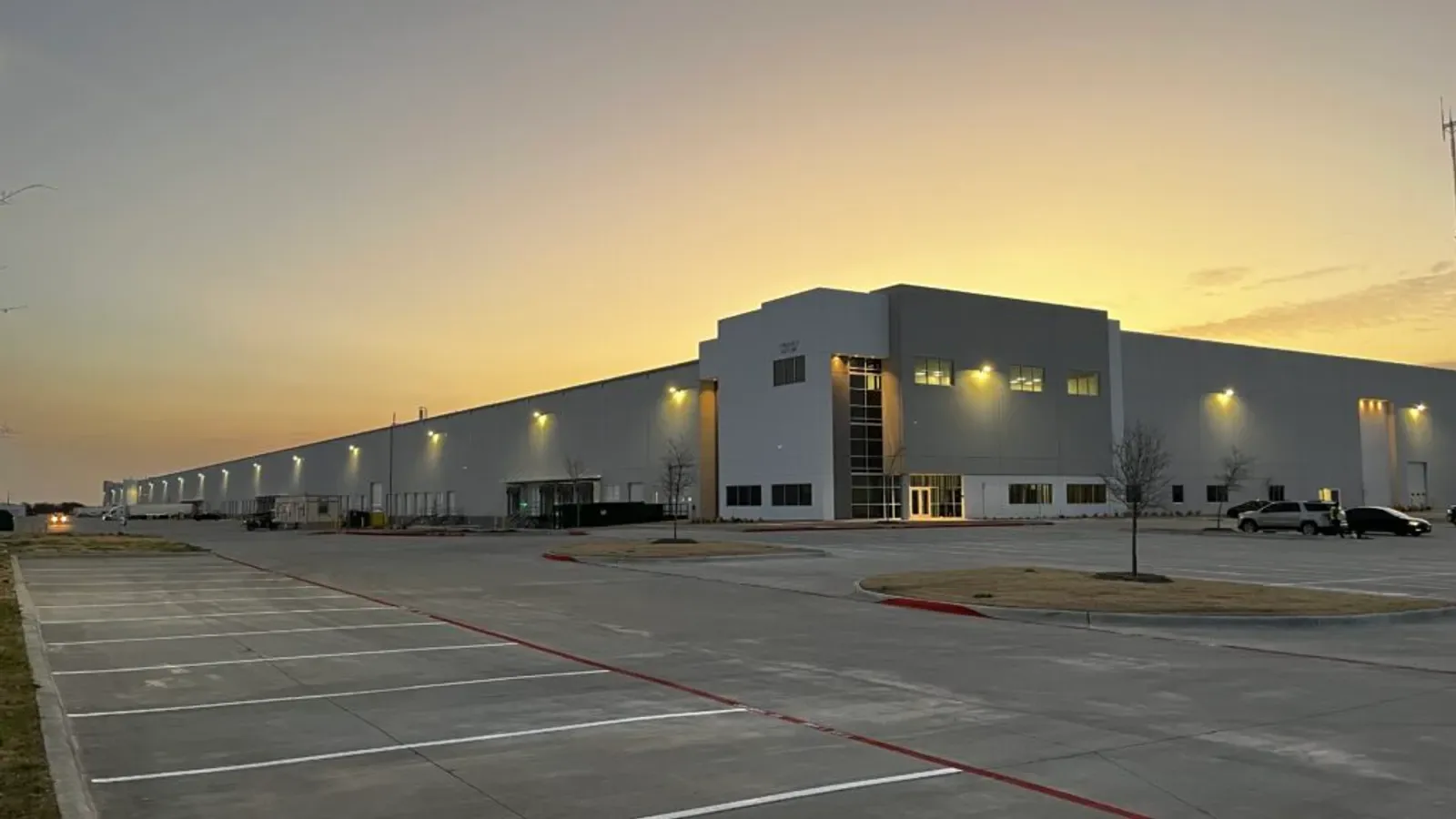
Manufacturing Plant Roofing
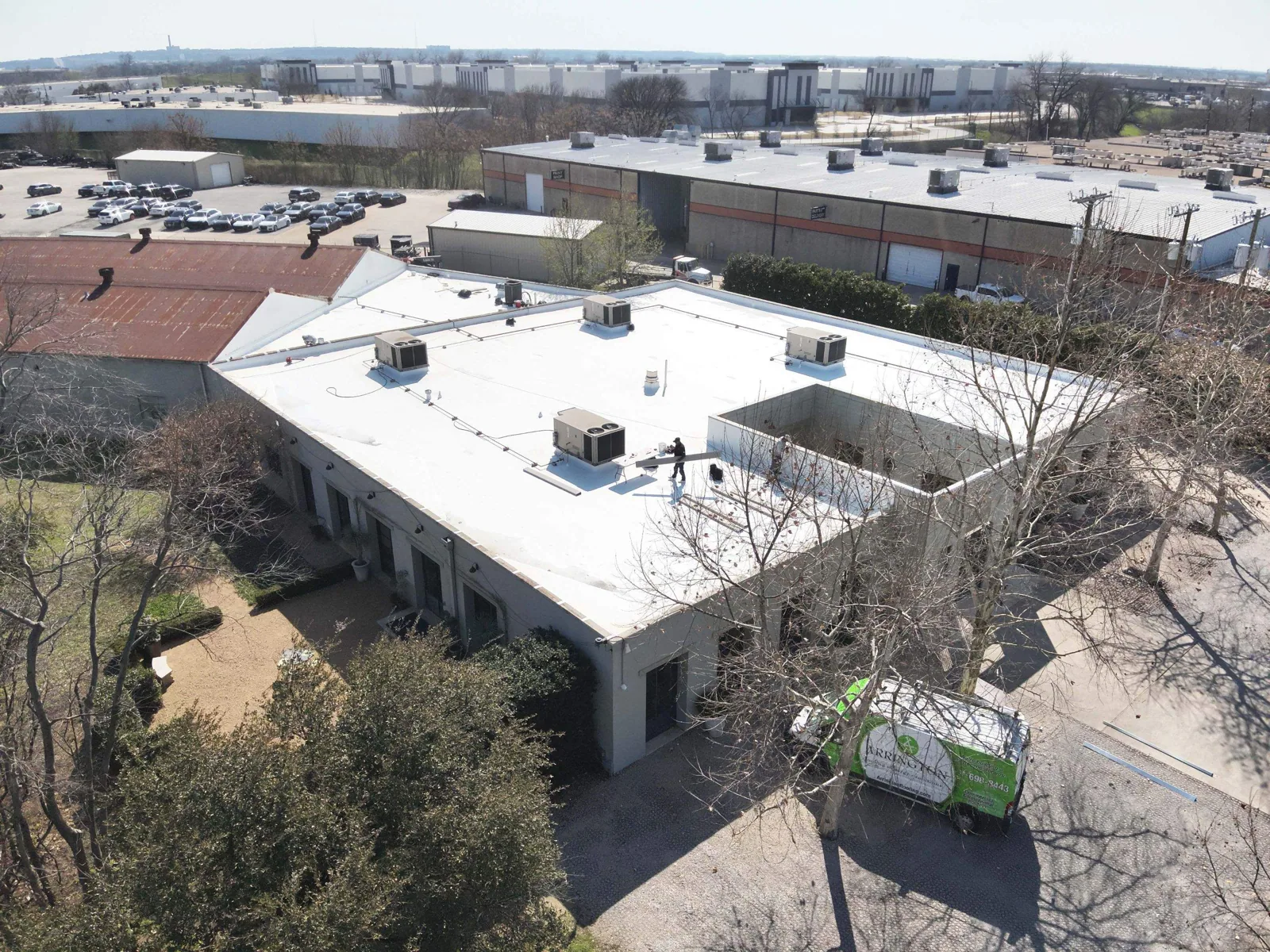
Roof Recover and Overlay
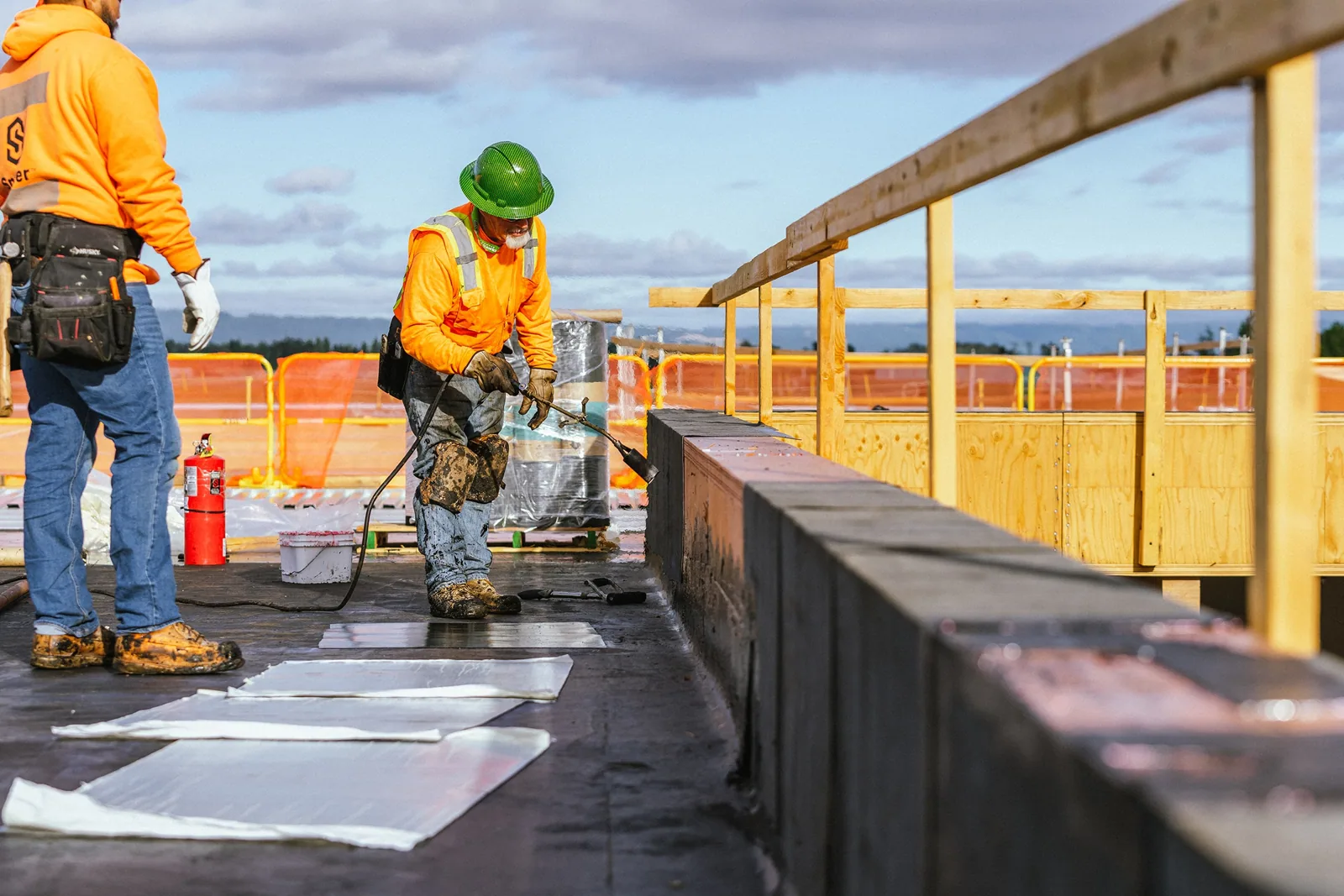
Preventive Roof Maintenance
Emergency Leak Calls
Call for a storm walk or budget review
Call in January or right after the next storm. The walk pins down your ponding lines, your tie-in condition and your repair-or-replace line. You get a written report with a price on each item.