
Riverchase
Commercial Roofing in Riverchase, Hoover, AL
An office park roof carries a long list of equipment. Rooftop units, exhaust fans, antennas and conduit all pass through the membrane. Each one is a curb or a boot to watch. That is the first fact about Riverchase roofing. Hoover annexed Riverchase in 1980, and the annexation added large office buildings to the city. The Galleria at Riverchase, with its shops, hotel and offices along US 31, opened in 1986. A roof there needs a plan, a price list and a calendar. We build all three on the first walk.
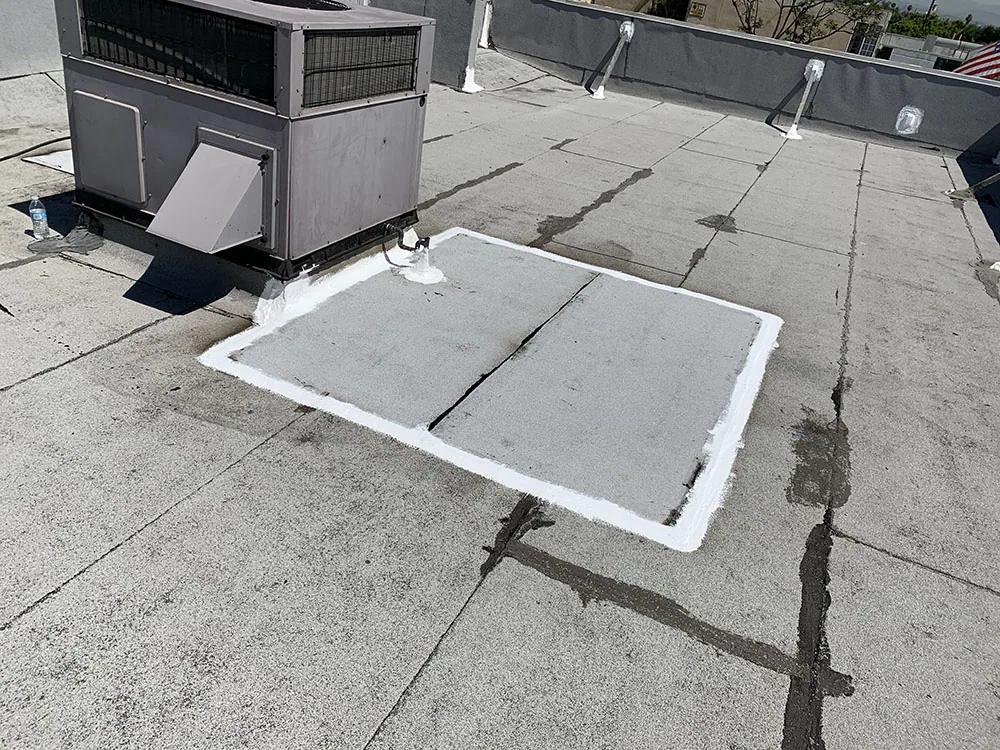
Office parks: what is on the roof
The Riverchase Office Park and other office parks hold many large corporate tenants. Hoover's largest employers include Blue Cross and Blue Shield of Alabama (1,711 jobs) and Regions Bank (2,644). In an office building, tenants run on schedules. Records and equipment sit below the roof. A leak can cost more than the repair.
So we walk the roof with a short list:
- Rooftop unit curbs: height, corners, sealant.
- Pipe boots and conduit supports.
- Drains and scuppers: strainers, slope, standing water.
- Parapets and wall terminations.
- Seams and the sheet surface.
Each item gets a photo and a plan number. Then we put a price beside it. You decide what goes this quarter and what waits a year.
The Galleria side of Riverchase adds another layer. A complex with shopping, hotel and office uses has several kinds of tenant under its roofs. Where uses share a roof or a wall, a leak in one can reach another. So we map which roof section sits over which use, and we note who to call. I-65 and I-459 meet inside Hoover, which puts these buildings at a major interchange. Crew access, lift staging and deliveries all depend on traffic, and we plan the day around it.
Curbs and units: the leak you can predict
Rooftop equipment changes over time. A unit is replaced. A bigger one lands on the old curb. A line set crosses the sheet. Nobody updates the roof plan. Each change is a possible water entry.
We compare the equipment on the roof with the plan. We check curb height, corner flashing and the sealant at each line. We also check the pads under pipes. A pad that sits on the membrane wears it through. Curb and support work rebuilds weak curbs and adds sleepers. A curb repaired in February costs less than a ceiling replaced in May.
Access: working above tenants
Tenants come first. We ask five questions before mobilizing. Where is the roof hatch, and who holds the key? Where can a lift stand? Which hours are quiet? What sits under each roof section? Who calls us if a ceiling drips?
The answers go on one page. Loud work, such as tear-off and fastening, goes into approved hours. Dust and fumes are managed near fresh-air intakes. We cover or avoid them. Sections stay small. A section opened in the morning is dried in by evening. Materials come up early. Debris goes down in chutes or bins away from entrances.
A first commercial roof inspection sets the baseline. The access page and the findings sit together in the file. The next crew starts with both. A manager with buildings elsewhere can reuse the same page for every site, the way property management companies do.
Storm season: what to do before March
The metro's tornado list holds two F5 storms and a 2011 EF4. Storms peak in spring and return in November.
For an office roof, the calendar is plain. Walk it in February. Fix loose edge metal, open seams and cracked boots. Clear drains. Check again after any big storm. A preventive maintenance plan puts two visits on the calendar each year. The winter visit costs less than the spring emergency, and it gives the carrier a record if a claim follows.
Heat and humidity: the slow wear
The metro spends about 65 days a year at 90 degrees or hotter, in air near 70 percent humidity. In the afternoon the sheet grows, and at night it shrinks. Over summers, that pulls at seams and flashings.
We look for four signs:
- Wall shrinkage, where the sheet pulls off its base.
- Dried sealant along counterflashing.
- Boots split around pipes.
- Water lines that linger after rain.
Each one is cheap early and costly late. A split boot is a small job. Wet insulation under it is a big one. We scan with infrared when the surface looks fine but a ceiling stain says otherwise. The scan runs after sunset, when wet insulation holds heat longer than dry. A few core cuts confirm what the scan shows. The map goes on the plan, and the plan drives the price.
More on Riverchase
Budget year: repair, recover or replace
Set the line between repair and replacement by condition. Dry insulation and local damage get repairs. A sheet that has aged but sits over dry insulation can take a recover. If wet insulation spreads across large areas, plan on replacement.
Before quoting, we scan the roof and cut cores where the scan shows heat. Each option then gets its own price on a single page: repair now, recover next year, replace in three. Property managers who hold several buildings in the Highway 150 corridor and Inverness can rank them by leaks first, then wet insulation, then age. The ranking gives the budget meeting a short agenda. An office building roof with a tall parapet needs different flashing work than a low one, and the plan says which is.
Commercial Roofing Questions
How do you work on an office roof with tenants below?
We plan around the building's hours. Noisy work goes into windows the manager approves. We keep sections small and close each one before evening. Ceiling covers and equipment shields go in where needed. Access, hatch keys and staging space are settled in writing first. Call for a storm walk and we will build the schedule with you.
What do you check first on a roof with many rooftop units?
The curbs. Height, corner flashing, sealant and the pads under pipes. Equipment changes over time, and each change can open a water entry. We compare the roof to the plan, mark differences and price repairs per curb. A curb fixed in winter is cheaper than a ceiling fixed in spring.
When should I schedule a roof walk?
February, ahead of the spring storms, and again in the fall. Visit once more after a big hail or wind event. Each walk gets photos, a punch list and a price on each item. The records help with a claim if damage follows.
How do I decide between a repair and a recover?
Check the insulation. If a scan and core cuts show it dry and firm, a recover can fit. If the sheet is aged but the insulation is dry, a recover often costs less than a tear-off. If the insulation is wet in large areas, plan for replacement. We price both sides.
What does a leak over a server room call for?
A same-day dry-in, then a trace. We tarp or seal the entry, protect equipment and document the stain. Then we find the real source. Water often travels along the deck before it drops. The permanent repair follows once the source is clear.
Can you work in more than one building at a time?
Yes, in phases. We rank buildings by active leaks, then wet insulation, then age. The top building gets the first budget dollars. We share one report format across buildings so comparison is easy.
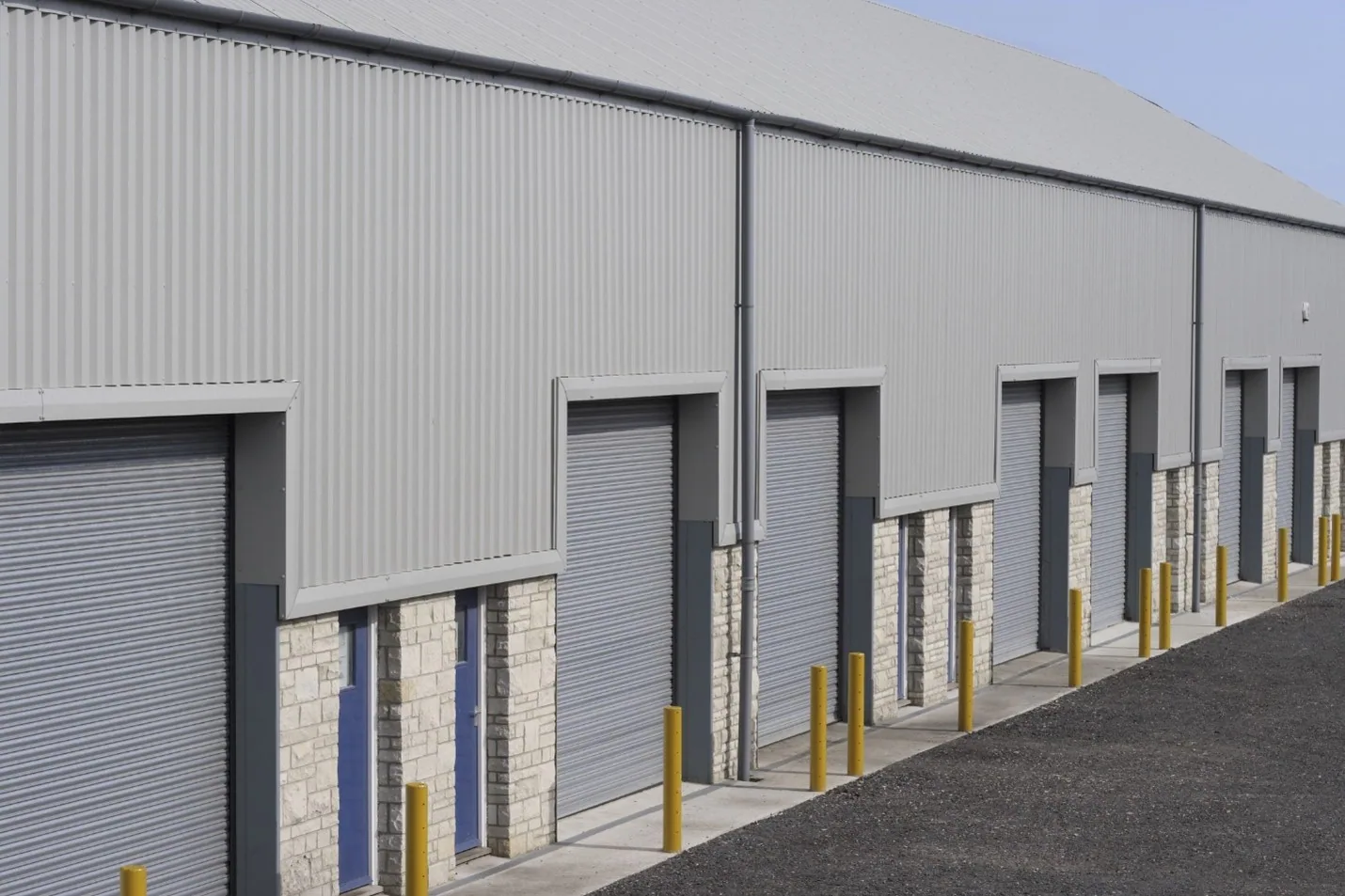
Related Roofing Work
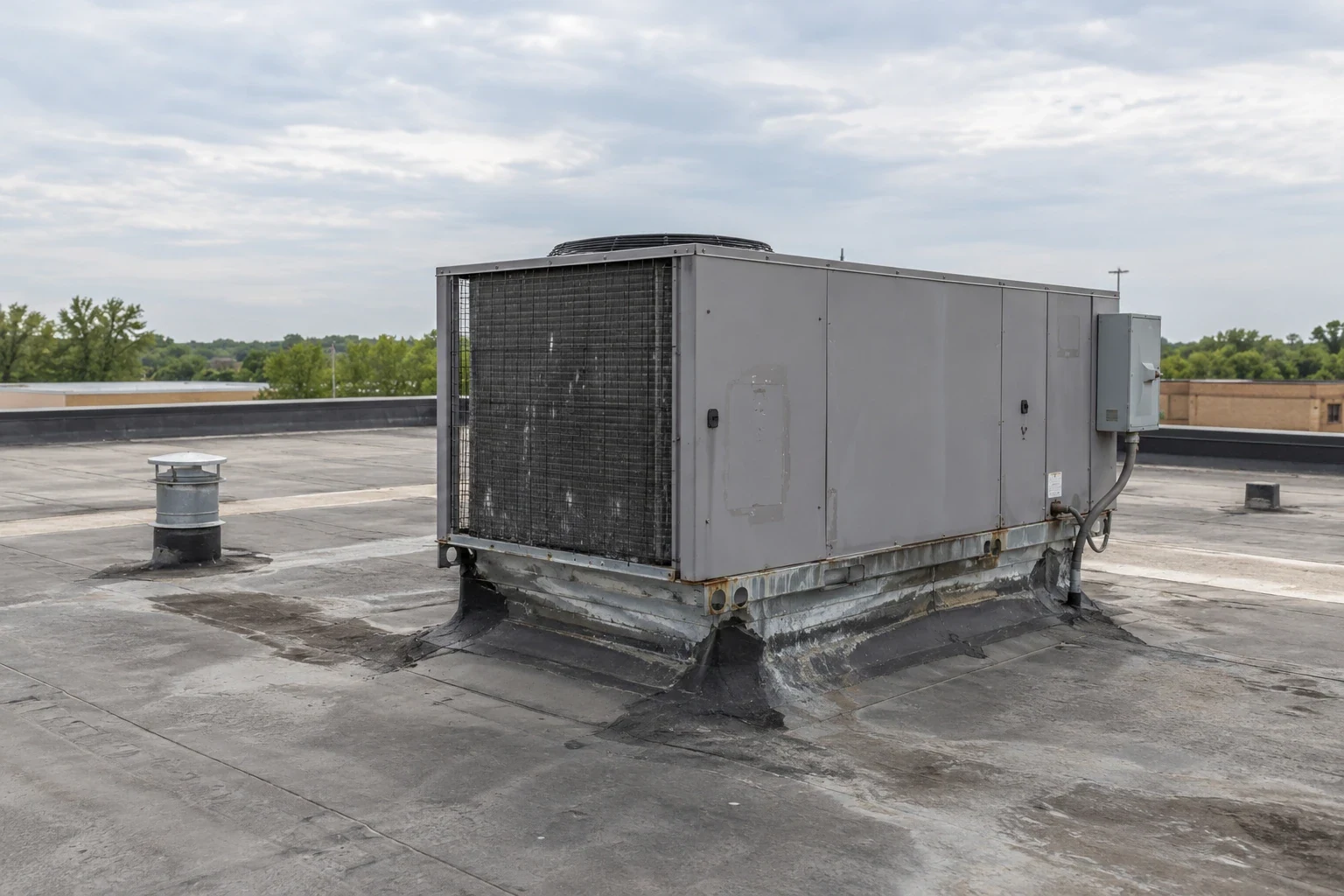
Rooftop Equipment Curbs and Supports
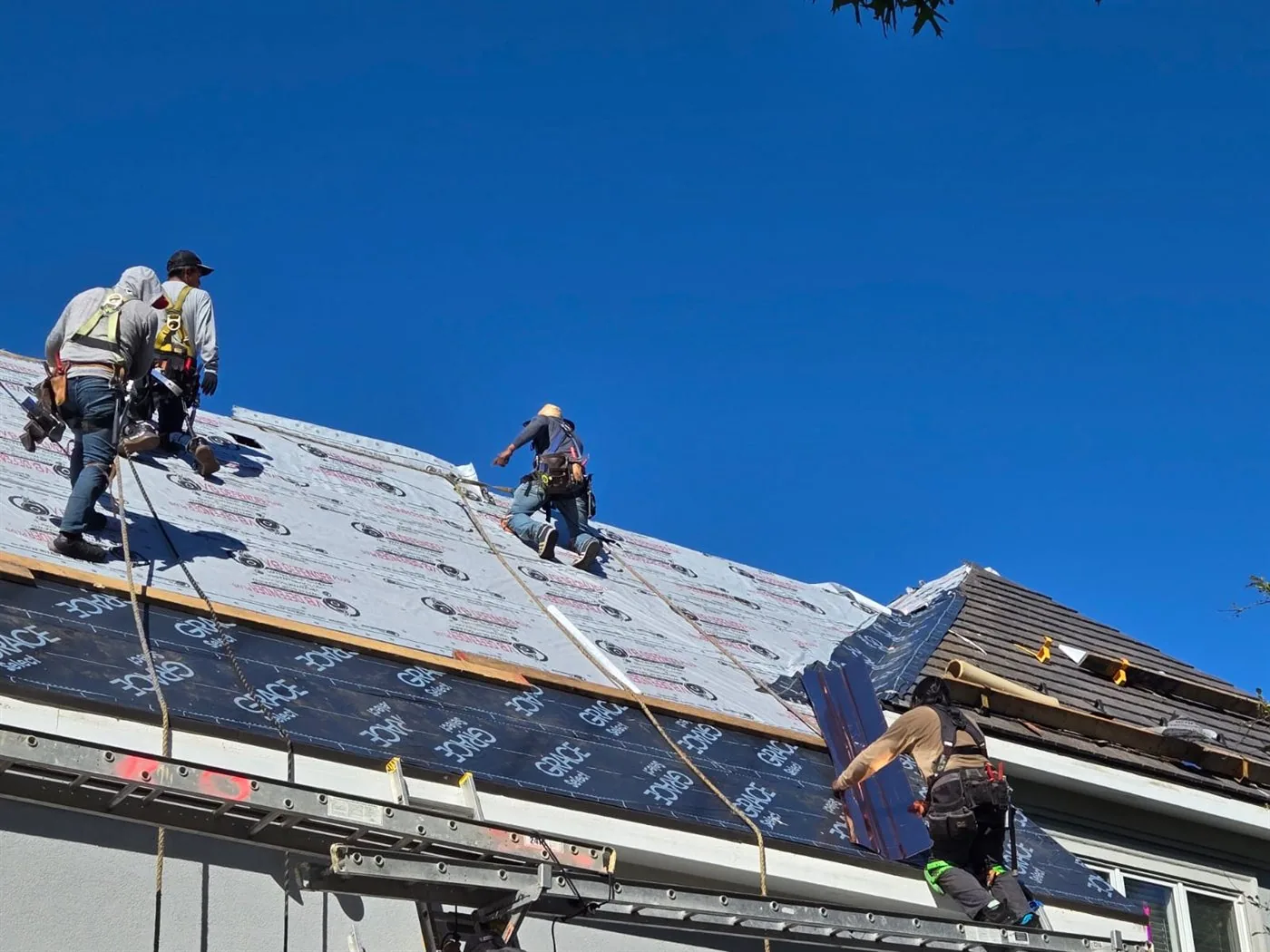
Commercial Roof Inspection
Property Management Companies
Preventive Roof Maintenance
Emergency Leak Calls
Call for a storm walk or a budget review
We will walk the roof, check every curb and drain and put a price on each item. The visit gives you a priced punch list for the whole building.