
Mountain Brook
Commercial Roofing in Mountain Brook, AL
Leaf season sets the first line of the roof budget in Mountain Brook, AL. About 92 percent of the city is under tree cover. Every fall the leaves land on low roofs and pack into scuppers. A clogged scupper turns a dry roof into a pond in one rain. We start there. Clear drains cost a little. Water-soaked insulation costs a lot.
Mountain Brook roofs include the village centers, the low-profile office buildings and the shops. Here is what we check on each, what it costs to wait and when to do the work. Call early in the season. You will get a better date and a better price, and the crew will have time to do the job right.
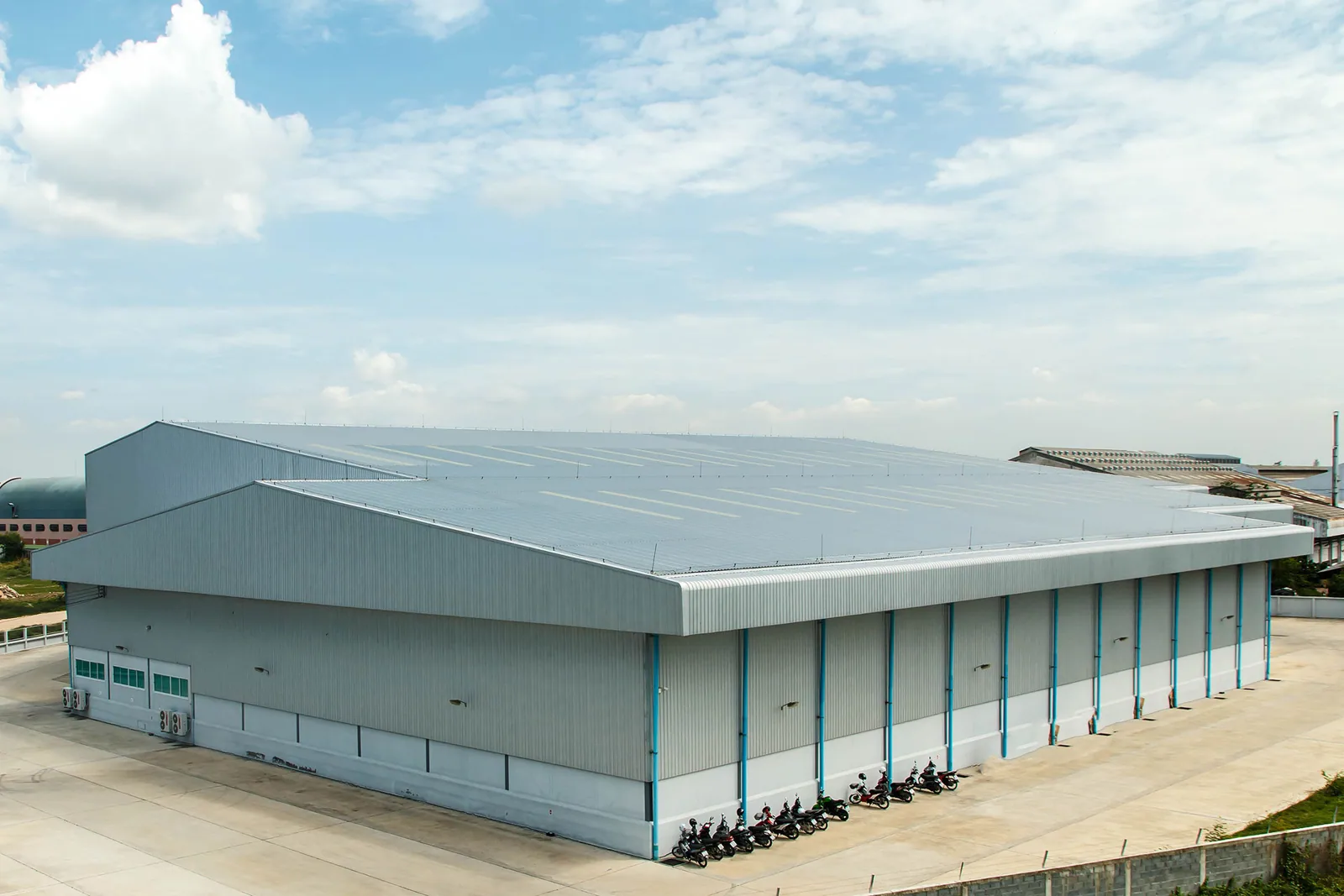
Trees: the debris you can count on
Trees mean steady debris. Leaves, seed pods, limbs and pine straw all end up on the roof. They block drains, hold moisture against the membrane and feed moss and algae. Moss lifts edges. Algae stains the surface and hides cracks.
Here is the plan we recommend. Clear drains and scuppers every fall after the leaves drop. Clear them again in late winter, before spring storm season. Cut back limbs that touch the roof. Photograph each drain before and after. If you do only one maintenance job a year, make it this one. It is the cheapest line in the budget and it protects the most expensive one.
Limbs and storm damage: what falls on a roof
Spring thunderstorms are the main threat, with another round from November into early December. In a city this wooded, that wind brings limbs down on roofs. A limb can puncture a membrane, dent metal or tear off flashing.
After any storm, do a storm walk. Look for punctures, lifted laps and bent edge metal. Check the ceiling inside. Call us if you find a wet spot. We tarp and dry the building first. Hail is the quiet cost, and central Alabama's April 25, 2003 stones were the size of softballs. A bruised membrane is invisible from a parking lot, so a hail check has to happen on the roof itself. Then we document the damage and price the permanent repair. A small puncture patched in March costs far less than the same hole in May.
Village centers: older buildings, more tie-ins
Warren Manning's 1929 plan centered denser commercial development on English Village, Mountain Brook Village and Crestline Village. Commercial buildings in dense village centers often share walls and carry rooftop equipment. We confirm what each building actually has on the first visit.
Shared walls and parapets mean tie-ins. A tie-in is where one roof meets a wall, a curb or another roof. Tie-ins fail first. We check every one. Cracked sealant, lifted counterflashing and open laps each get a photo and a number. Fixing a tie-in early is a small repair. Ignoring it is how a ceiling gets wet. Roof leaks seldom show up where the water gets in. Water runs along the deck and drops somewhere else. We trace it before we price it, so you pay to fix the right spot. A leak repair that skips the trace often has to be done twice.
Low-profile office buildings: big flat surfaces
Mountain Brook has a 1955 office park with low-profile buildings and free parking, one described as the first of its kind in the US. Low-profile office buildings let a flat roof carry the whole story, and each roof gets checked for what it is actually made.
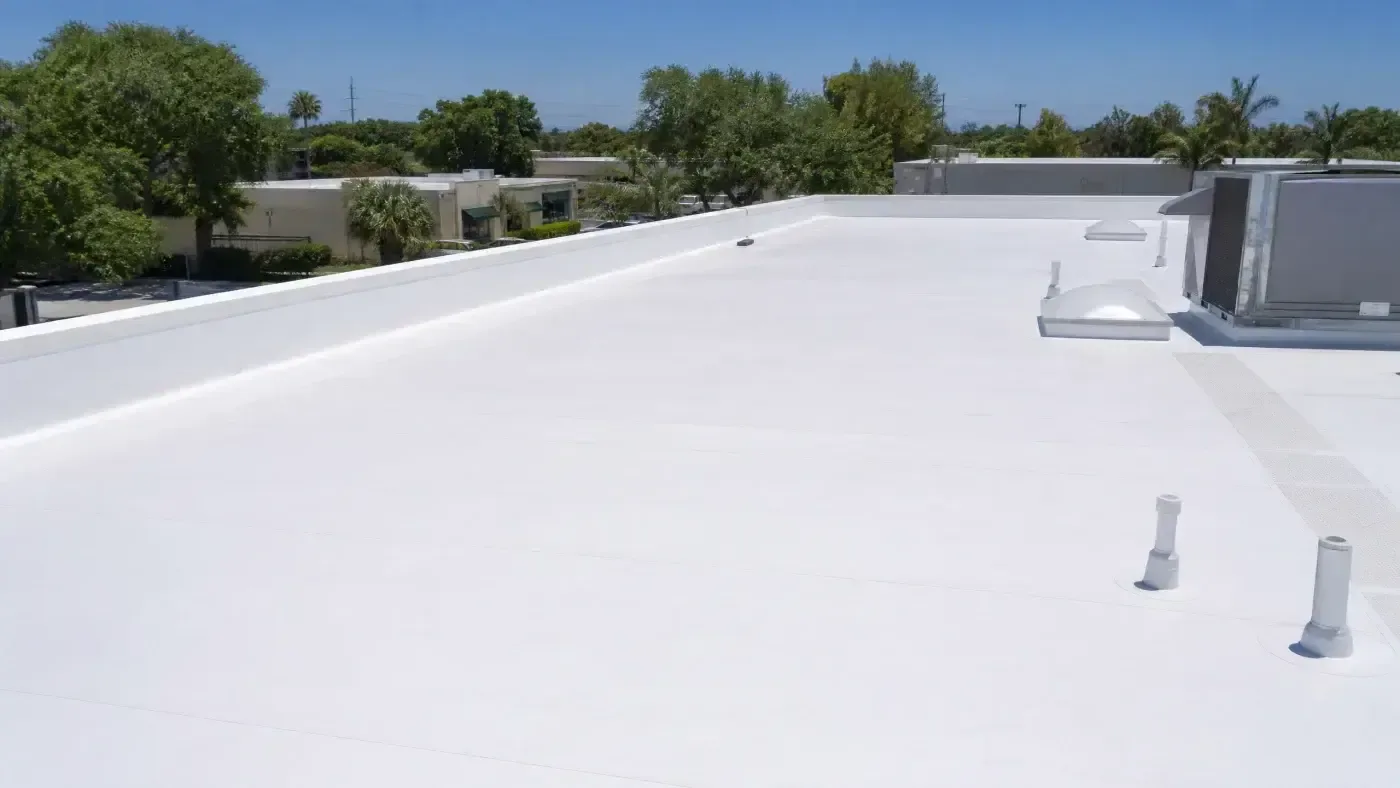
On a low flat roof, ponding is the main thing to watch. Find the ponding line after rain. Mark any spot where water stays past the second day. Standing water ages seams and adds weight. If the same spot ponds every time, the fix may be a drain or tapered insulation, not another patch. A small repair done in the dry season beats a big one done in the rain.
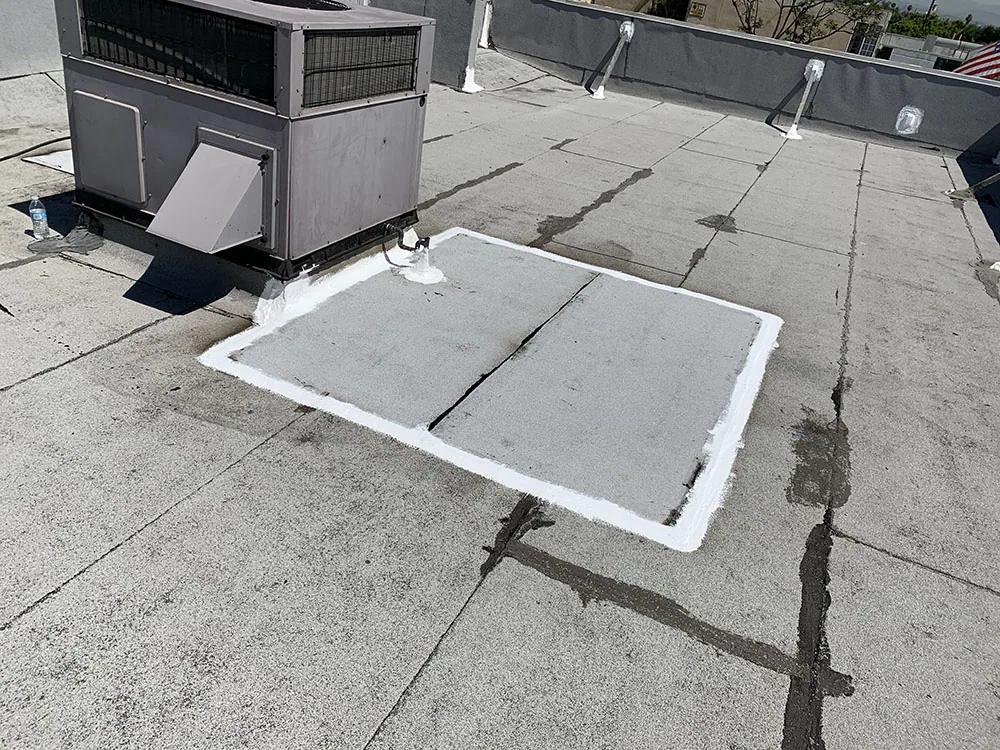
Office roofs also carry rooftop units. Each unit sits on a curb with flashing around it. Check each curb for cracked sealant and loose fasteners. An office building roof with ten units has ten places to leak. We mark every one on the plan and rank them by what sits below.
Timing and cost: when to do the work
Plan around the calendar. Fall is the time for drain cleaning and small repairs. Late winter is the time for the hail check and any replacement planning. Spring is when storm claims bunch up, in March, April and November. Contractors book up fast then.
Rain totals about 56.6 inches a year in the Birmingham area, and about 65 days reach 90 degrees or higher. Heat and humidity wear on membranes and sealants. So the budget year should include a yearly inspection. A first fall walk also shows which trees hang over which roofs, so the limb-trimming request goes to the right owner before the winter wind. A written report draws the repair-or-replace line. Roofs above that line get repaired. Roofs below it go into the capital plan. A preventive maintenance visit each fall keeps the line honest.
More on Mountain Brook
What to bring to the first call
Bring the property address, the roof age if you know it and any past repair invoices. Tell us where the leaks show up inside. Tell us when you last cleaned the drains. We will tell you what the storm walk will pin down.
If the building is in a village center, tell us about the neighbors. Shared walls change who is responsible for a tie-in. If it is in an office park, tell us who manages the common areas. That saves a week of phone calls. An owner with other properties in Homewood or Vestavia Hills gets the same approach there.
Commercial Roofing Questions
How often should drains be cleared in a wooded area like Mountain Brook?
Twice a year at minimum. Clear them after the leaves drop in fall and again in late winter before spring storm season. We recommend a third check after any big wind. A clogged drain can hold water against a membrane for days, and that is how small leaks begin.
Can tree limbs on a roof void a repair or a claim?
They can complicate it. Insurers look at whether damage came from a storm or from long neglect. We recommend trimming limbs away from the roof and photographing the trimmed roof each year. Dated photos show the roof was kept up, and that helps if you ever file.
What should I check on a flat roof after a heavy rain?
Look for ponding lines. Mark where water still stands a day later and photograph it. Check scuppers and drains for debris. Look inside for new stains. We recommend sending us the photos. A pond that comes back in the same place needs a fix, not another patch.
Do older village buildings need a different kind of roof work?
Often yes. Shared walls, parapets and many tie-ins raise the odds of flashing failures. We recommend a full tie-in check before any bid. Pricing a replacement without knowing the condition of the walls and flashing leads to change orders once the roof is open.
When is the best time to schedule roof work in Mountain Brook?
Fall for drain cleaning and small repairs. Late winter for a hail check and replacement planning. We recommend avoiding the March, April and November storm rush, when crews are booked and claims pile up. Booking early gives you a firm price and a firm date.
Related Roofing Work
Hail Damage Roof Repair
Commercial Roof Leak Repair
Commercial Roof Repair

Office Building Roofing
Emergency Leak Calls
Call for a storm walk or budget review
Call before the leaves fall or before spring storms. The walk pins down your ponding lines, your tie-in condition and your repair-or-replace line. You get it in writing, with a price on each side of the line.