
School Districts
Roofing for School Districts in Hoover, AL
A school district has one big roof window a year, and it is the ten weeks of summer. Miss it and the work waits a year, through another storm season. That is the timing fact facilities teams in Hoover, AL plan around. Hoover City Schools is one of the city's largest employers, with 1,869 jobs, and the buildings behind that number are a roof inventory. School campus roofs, low-slope and metal, are repaired, recovered or replaced, with findings written so a board can act on them.
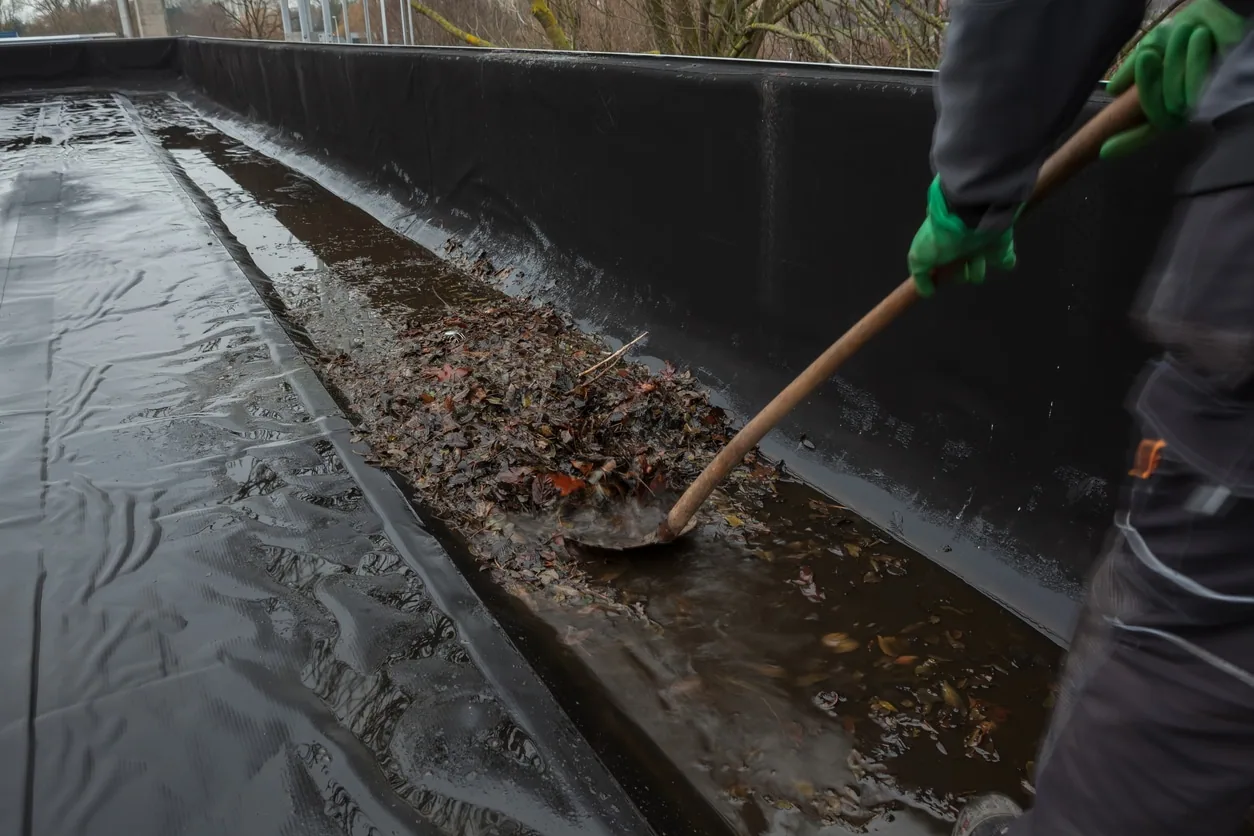
The issue: many campuses, one summer
A district holds elementary, middle and high schools, support buildings and athletic facilities. Each campus has several roofs. Wings were added in different years. Gyms and cafeterias sit under taller roofs. Each roof has its own age and system.
The budget is fixed. The calendar is fixed. The roofs are many. So the district needs a ranking, not a guess. We survey every campus, rate each roof and sort them by condition and by what sits below.
A roof over a classroom ranks above a roof over a storage shed. A roof with repeated leaks ranks above a roof with none. The list tells the board where the next dollar goes.
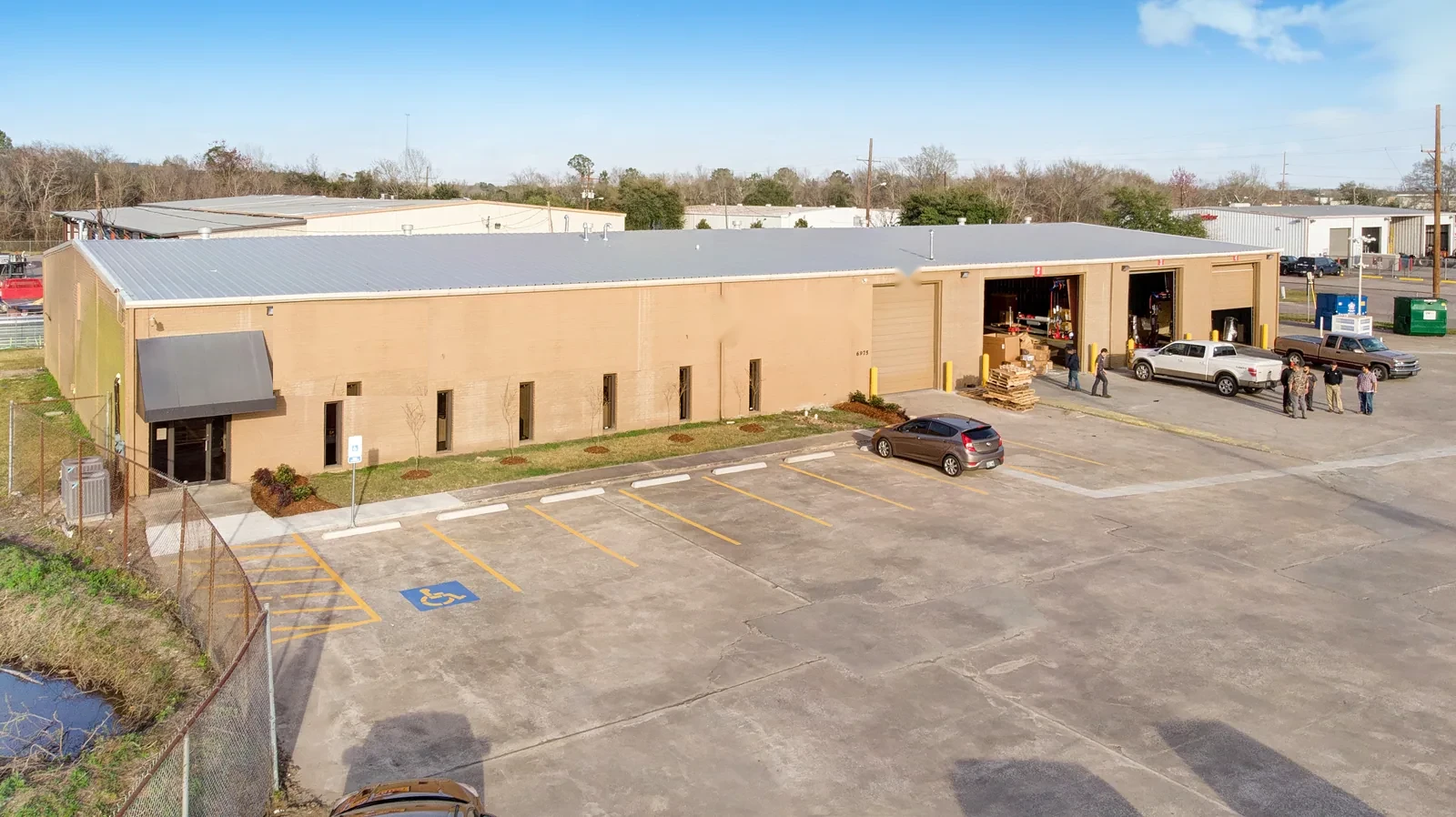
On larger jobs a construction manager or architect can sit between the district and the roofer, as general contractors do on other projects, and the working method is the same: a written scope, a price by line and a schedule that names the summer weeks.
What we find: units, drains and tie-ins
Classroom wings carry many rooftop units. Each has a curb, lines and condensate. Boots crack. Sealant dries. Condensate stains the sheet. Gym roofs hold moisture until it drips on the floor. Tie-ins between old and new wings leak first.
The roof walk probes seams, checks wall flashing and clears drains, scuppers and gutters. Wet insulation shows on a moisture scan, a core cut confirms it, and photos and numbers go on the plan.
Humid air and heavy rain keep seams and sealant working all year.
Athletic buildings add their own roofs. Field houses, concession stands and press boxes are small, exposed and often drain to the outside. A loose cap or an open seam there drips on students and fans. We rate those roofs with the rest of the campus and add them to the list. Press boxes and concession stands get a look from the ground first and a ladder second, since a small roof with a bad edge cap can drip on a ticket line during a Friday night game.
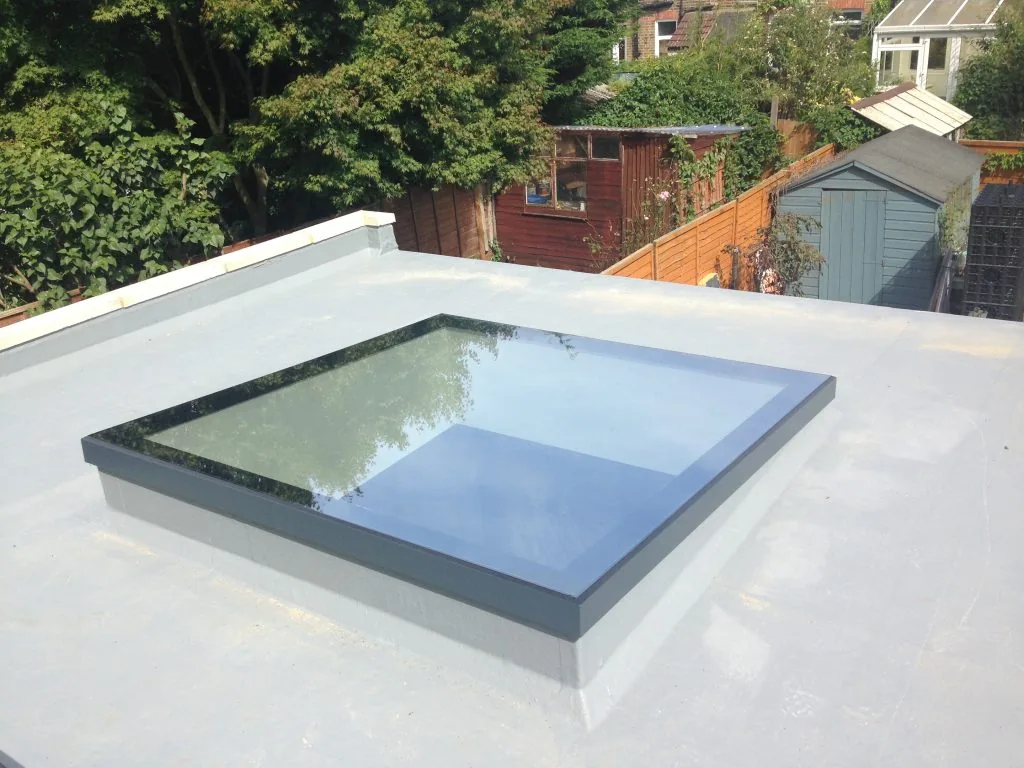
Skylights and roof hatches get a check too. Old skylights crack and yellow. An unlatched hatch can let rain down a stairwell. We note both and recommend guards, locks or replacement.
Storm season: what the region has seen
Schools in this part of the state sit in Dixie Alley. Tornadoes struck in 1977, in 1998 (the April 8 F5 flattened both Oak Grove High School and Oak Grove Elementary School) and on April 27, 2011, and on April 25, 2003 stones as big as softballs hit central Alabama. March and April are the heavy months, then November.
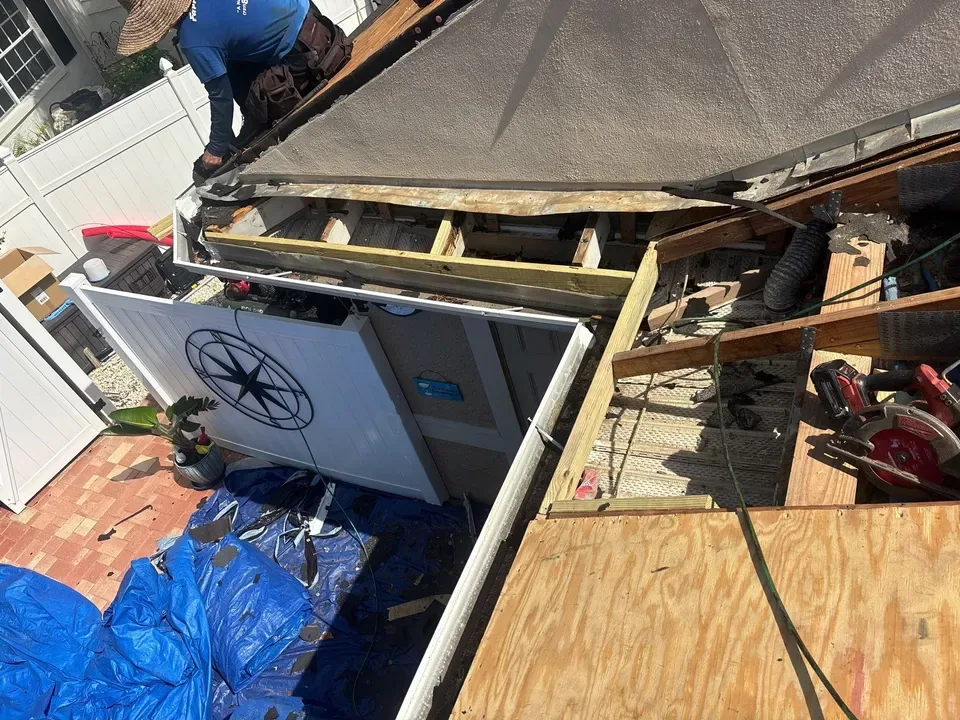
Every roof gets a baseline before the season, and the worst-hit campuses are walked first after a storm. Storm damage roof repair compares against that baseline, and the file supports insurance and any state or federal reporting.
Wind goes after edges and equipment. Loose metal falling from a school roof is a safety event, so we fasten, seal or replace edge pieces that show movement and photograph the work. Canopies and covered walkways get the same check, because they are exposed on several sides and often lightly built.
When to do it: spring survey, summer build
Work backward from summer. The calendar runs from a fall or winter survey through a winter report, a spring scope and bid, early material orders and a June and July build, with closeout before the first bell.
Large replacements take the summer. Small repairs run on weekends and breaks. During the school year, we protect pathways, limit noise and keep intakes clear. No work happens above occupied classrooms during instruction. Our occupied building reroofing plan lists each limit.
Summer is hot, so crews start early. Afternoon storms interrupt open sections. We keep sections small and cover them at day's end.
A leak during testing weeks or graduation gets a temporary dry-in from the roof side, so classrooms below stay in use and the permanent work moves to the next break. Trim, membrane and insulation have lead times of weeks, so ordering in spring allows a June start and a finish before the first bell.
What it costs: lines a board can vote on
For the board, the scope breaks into lines a bidder can price, with unit pricing for deck repair and alternates for added insulation.
Roof area, unit and penetration counts, wet insulation, deck condition and phasing set the price. A repair is the least expensive, a section replacement stops repeat calls and a full replacement costs most and begins a new service life, and both sides of the repair-or-replace line carry written prices.
Before pricing, the local building authority confirms the code edition and the ASHRAE 90.1-2013 requirement that apply.
Price follows timing. A big storm strains crews and materials, winter bookings are easier, and a March repair costs less than a May repair after another damp season.
More on School Districts
Budget year: a register for every campus
A multi-site roof program keeps every campus in one register. The roof capital planning list ranks sections by condition and consequence and spreads work across summers, with a page per roof for system, age, warranty, last inspection, repair history and a replacement window as a range.
Irondale's public buildings include Shades Valley High School, and the 1998 tornado took two Hueytown schools. A district with buildings in Irondale or elsewhere in the metro can hold them all in one record. Public agencies face the same bid rules, and the school building itself brings its own details.
Summer scheduling gets its own column in the register: the weeks a campus is empty, the weeks it hosts camps or summer classes and the last day the crew can be off the roof. Those dates decide which campus goes first more often than the roof rating does. A board report stays short, at one page per campus, listing the photo, the rating, the fixes and the budget year.
Commercial Roofing Questions
How early should a district start for a summer roof project?
Begin the fall before: that timing yields a winter report, a spring budget request and a bid with time to order materials for June and July. A spring start pushes the work to the following summer.
Will your scope work for a public bid?
Yes. Every layer and detail gets its own line, deck repair is priced per unit and upgrades are alternates, so bidders compare like with like.
What happens if a roof fails during the school year?
We tarp and dry it, protect the classroom and document the damage. Permanent work waits for a break or summer unless it is unsafe to wait.
How do you rank roofs across a district?
By condition and by what sits below them. Classrooms rank above storage, and roofs with repeated leaks rank above clean ones. The list sets the order across summers.
Who answers if a roof leaks overnight?
Calls are taken overnight and on holidays, and the first visit is about stopping the water and noting the opening.
Related Roofing Work
General Contractors
Storm Damage Roof Repair
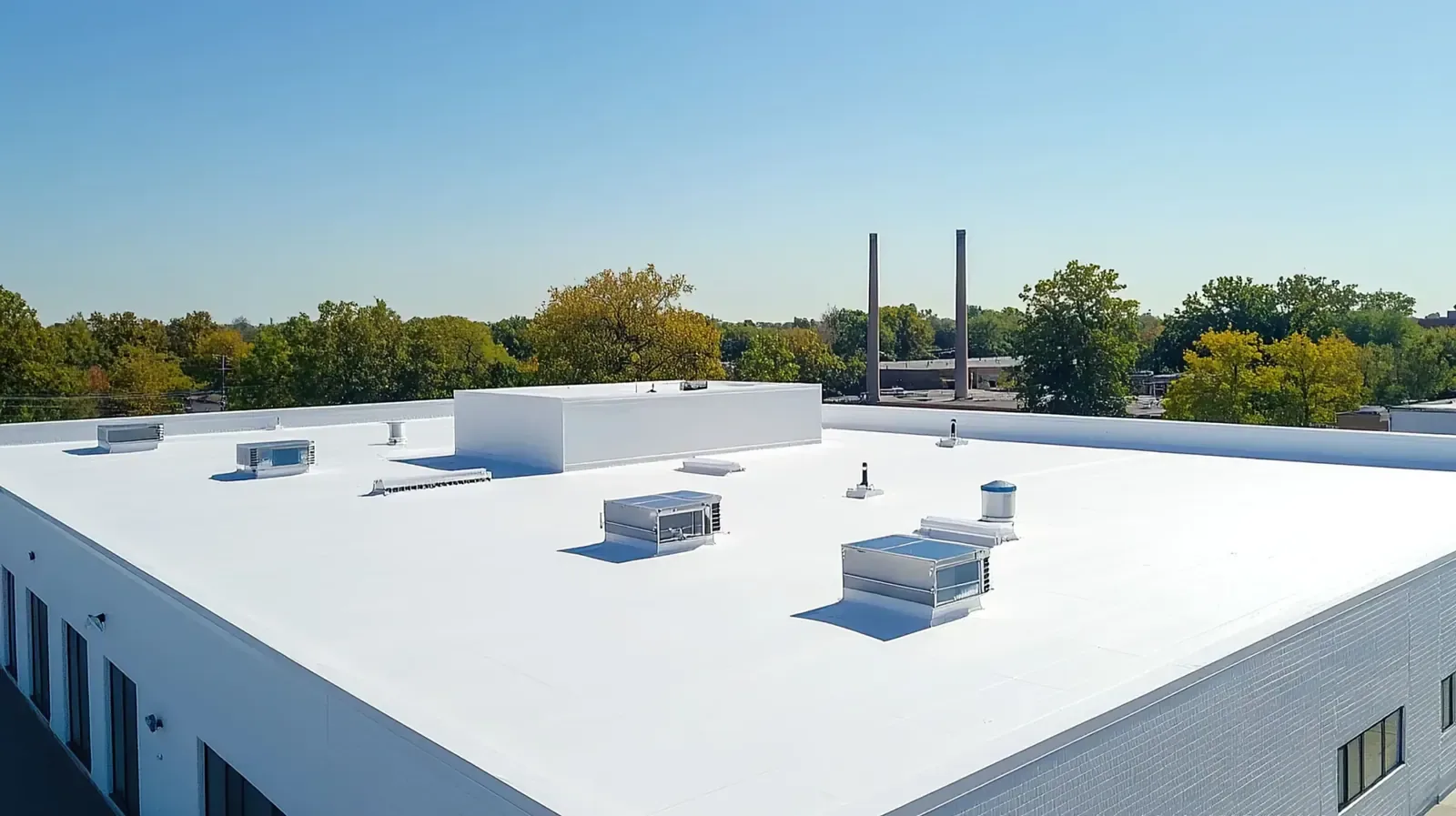
Occupied Building Reroofing
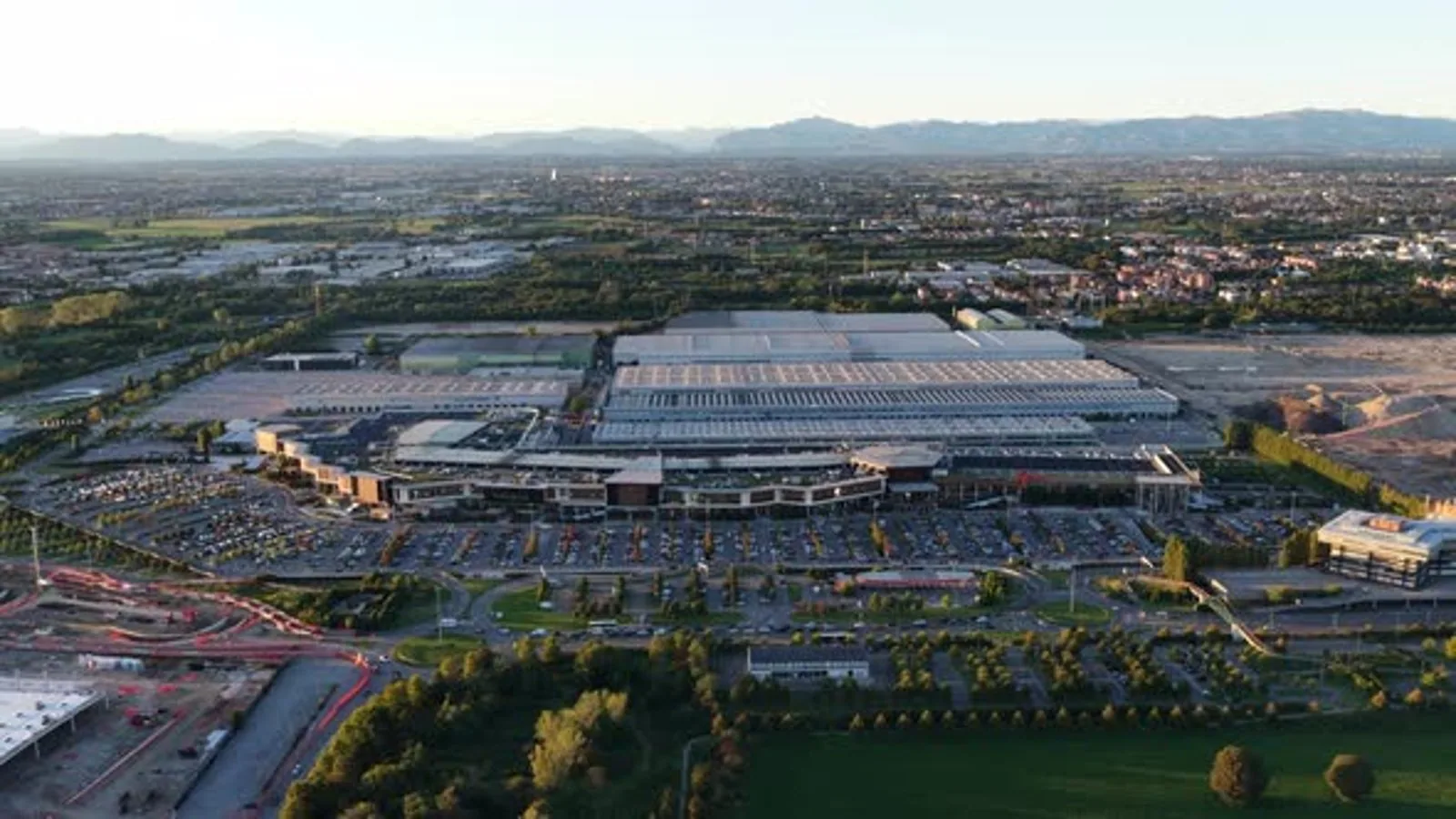
Multi-Site Roof Programs
Emergency Leak Calls
Call for a storm walk or budget review
Call in the fall, before the budget cycle opens, or after a storm. The visit pins down which campuses come first, what each fix costs and which summer it belongs in.