
Alabaster
Commercial Roofing in Alabaster, AL
Alabaster, AL sees measurable rain on about 125.6 days a year, and the city averages 56.19 inches of precipitation. That is a lot of days for water to find a weak seam. A roof here gets wet more often than it gets dry. So the question is not whether it will leak. The question is where, and how much it costs when it does.
We start with the places water goes, because that is where the money goes too. Drains, seams, tie-ins and rooftop units. Then we put a price on each fix and a date on each one.
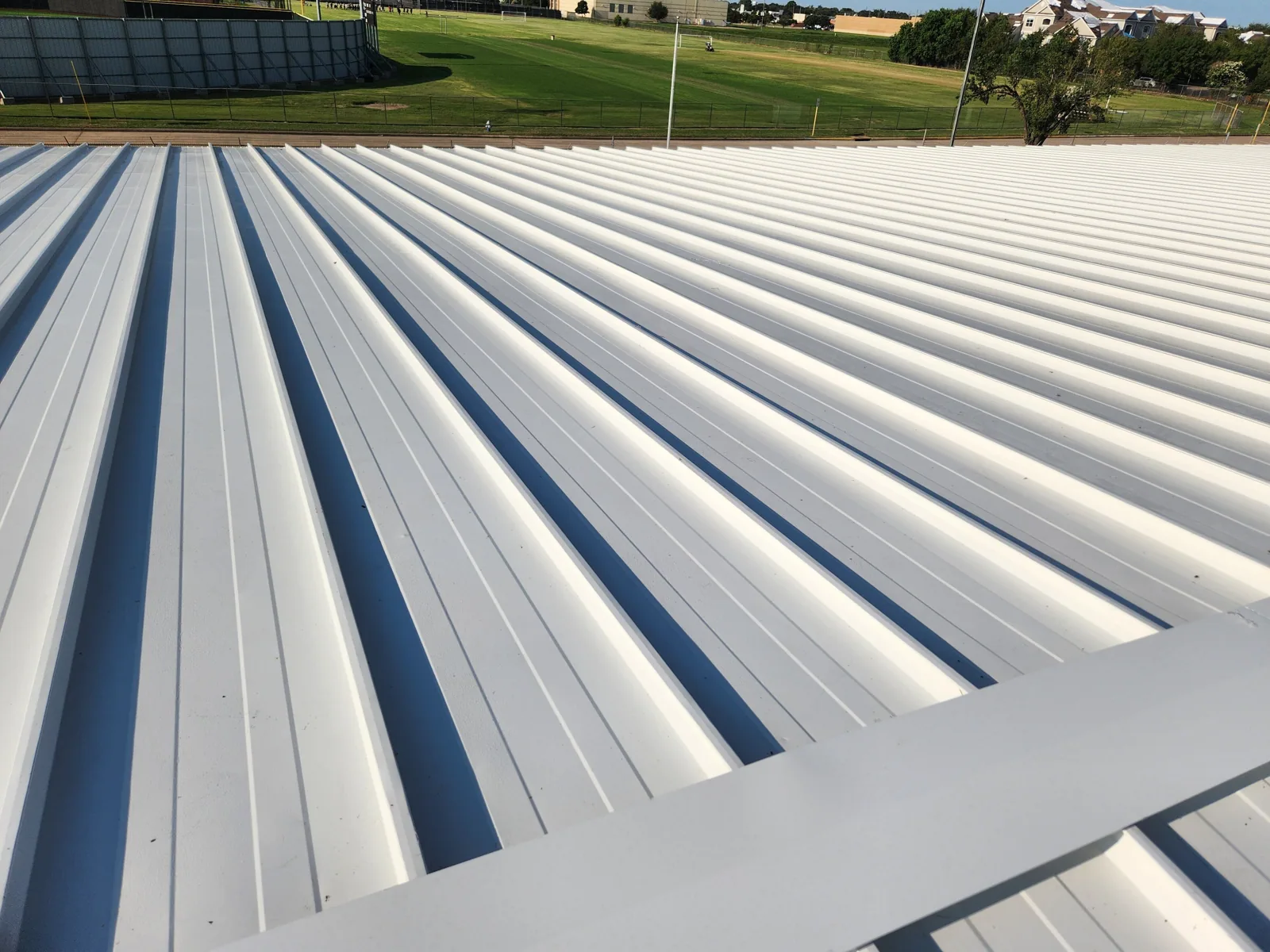
Rain days: why small leaks grow
About 125.6 rain days a year means little leaks do not stay little. A pinhole at a seam lets in water on every one of those days. The insulation soaks it up. The deck rusts or rots. By the time a stain shows inside, the damage under the roof is wide.
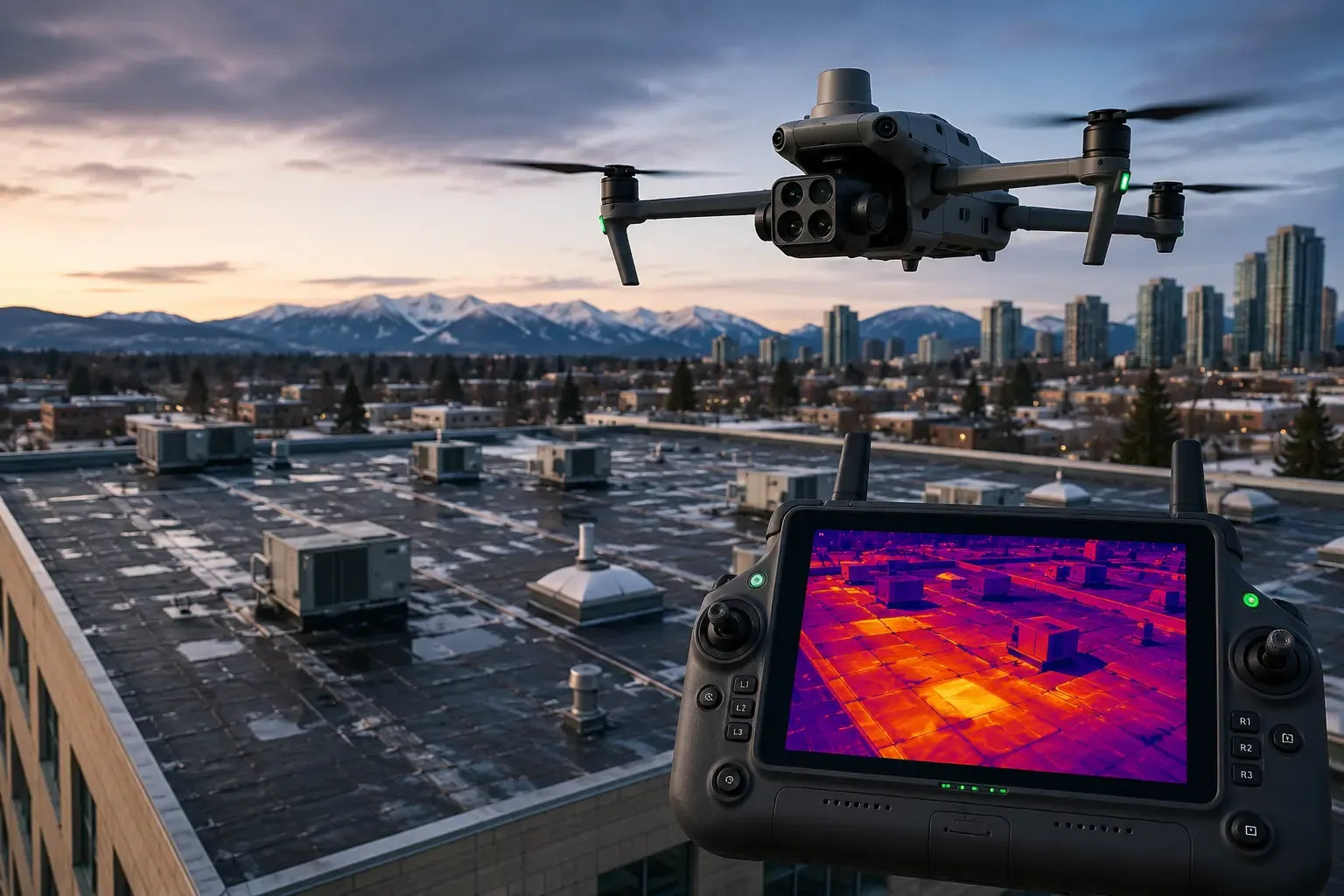
The fix is to find leaks early. A yearly walk catches most of them. We also use a moisture scan when a roof looks fine but a ceiling does not. An infrared moisture survey shows warm and cool patterns that mark wet board. A scan costs far less than replacing wet insulation across a whole roof.
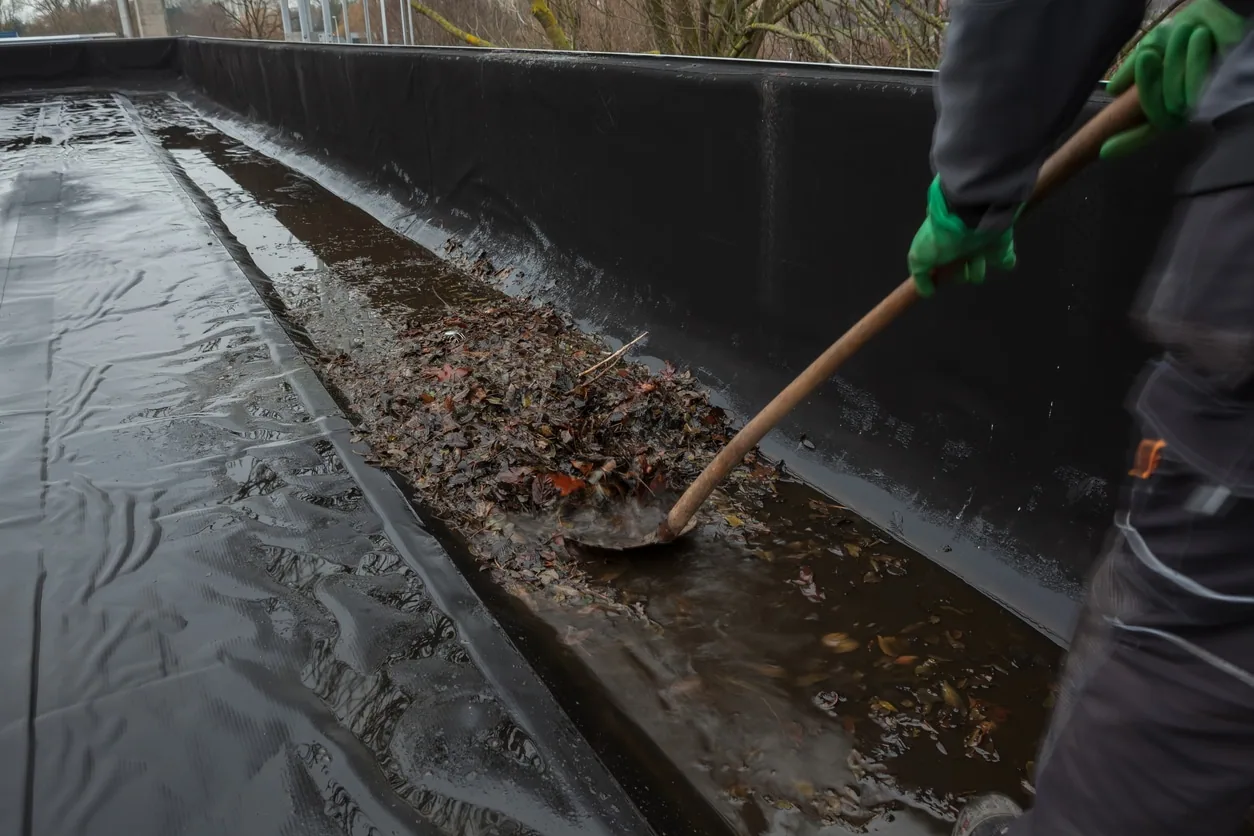
Drains matter just as much. With rain this frequent, a slow drain keeps water on the roof for days. Standing water ages seams and adds weight. We clear each drain, check the scupper outlets and mark any ponding line. A repeat pond may need a new drain or scupper, not another patch. Photograph the pond after each rain. The photos make the case for the fix, and they let the finance office see why the money is needed.
US 31 and I-65: retail and service roofs
US 31 runs through Alabaster, and I-65 is reached at exit 238. Highway 31 retail means strip centers, service shops, restaurants and banks, and each roof gets checked on its own merits.
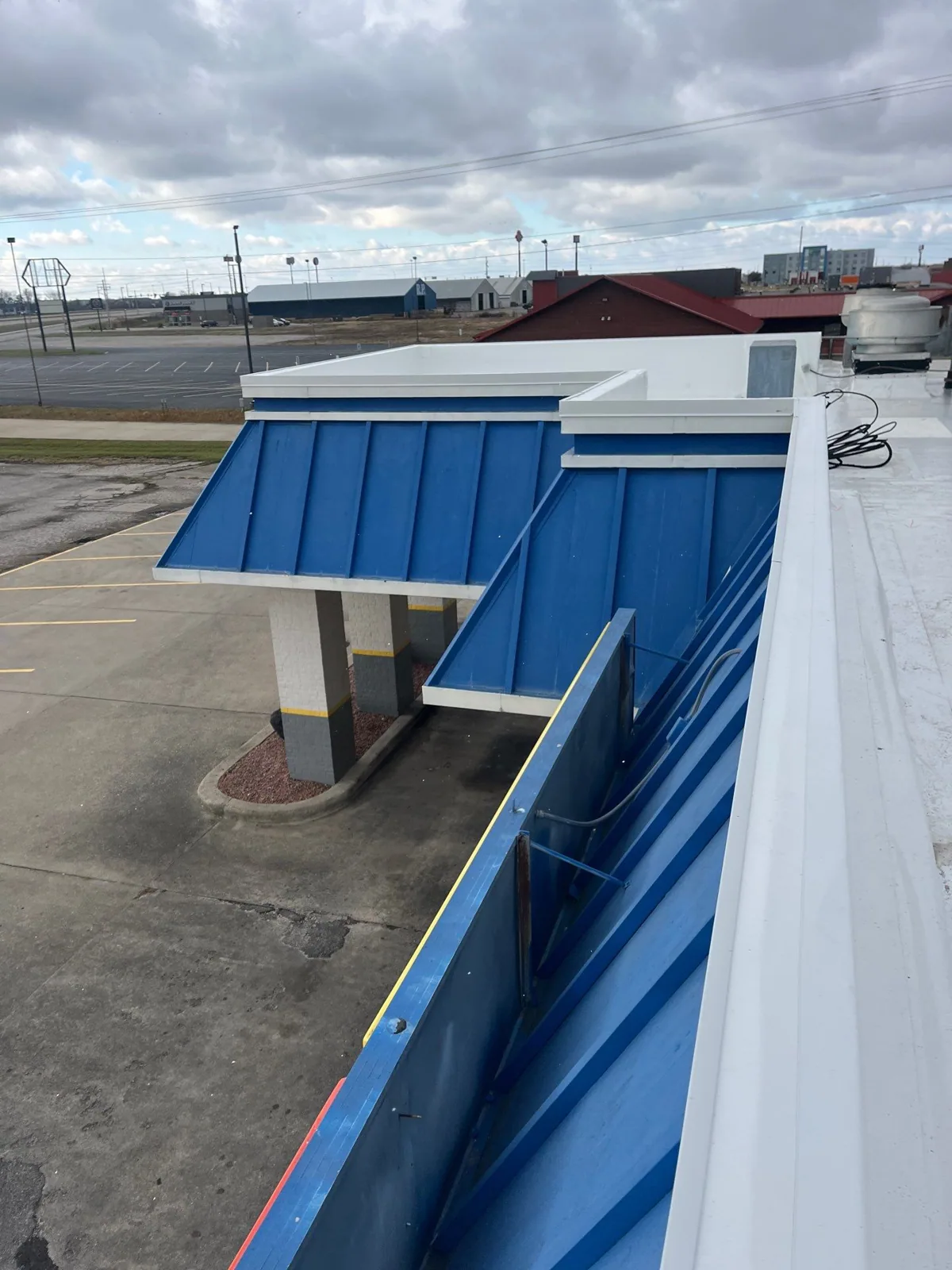
Retail roofs have many penetrations. Each one is a possible leak. Each tenant calls about their own ceiling. We map the roof by bay, trace leaks to the right source and give the property manager a list ranked by cost. Fix the cheap ones now. Plan the expensive ones for the budget year.
Hot weather adds a second wear cycle. Summers around Birmingham run to roughly two months of 90-degree days, with relative humidity averaging about 70 percent. Sealants soften. Coatings chalk. Seams that held in winter open in August. We check sealant and coatings each summer and mark what needs touch-up before the fall rains return.
New retail complexes: what changes at 350,000 square feet
Announced in 2017, District 31 is a mixed-use retail complex of 350,000 square feet at Highway 31 and I-65. Large mixed-use projects bring many tenants and many contractors. When a lot of trades work on a roof, damage happens. A pipe support gets bolted down through the membrane. A crane sets a unit on a flat sheet.
If you own or manage a building of that kind, have a roofer walk the roof when the other trades finish. We photograph each penetration and every new curb, and we log damage before it turns into a leak. The record also protects you against blame later. Send us the list of contractors who worked on the roof, with dates. We match our photos to their work orders. If something was damaged, the date narrows who was on the roof. If nothing was, the clean record helps when the warranty comes up for review.
Medical offices along Highway 31
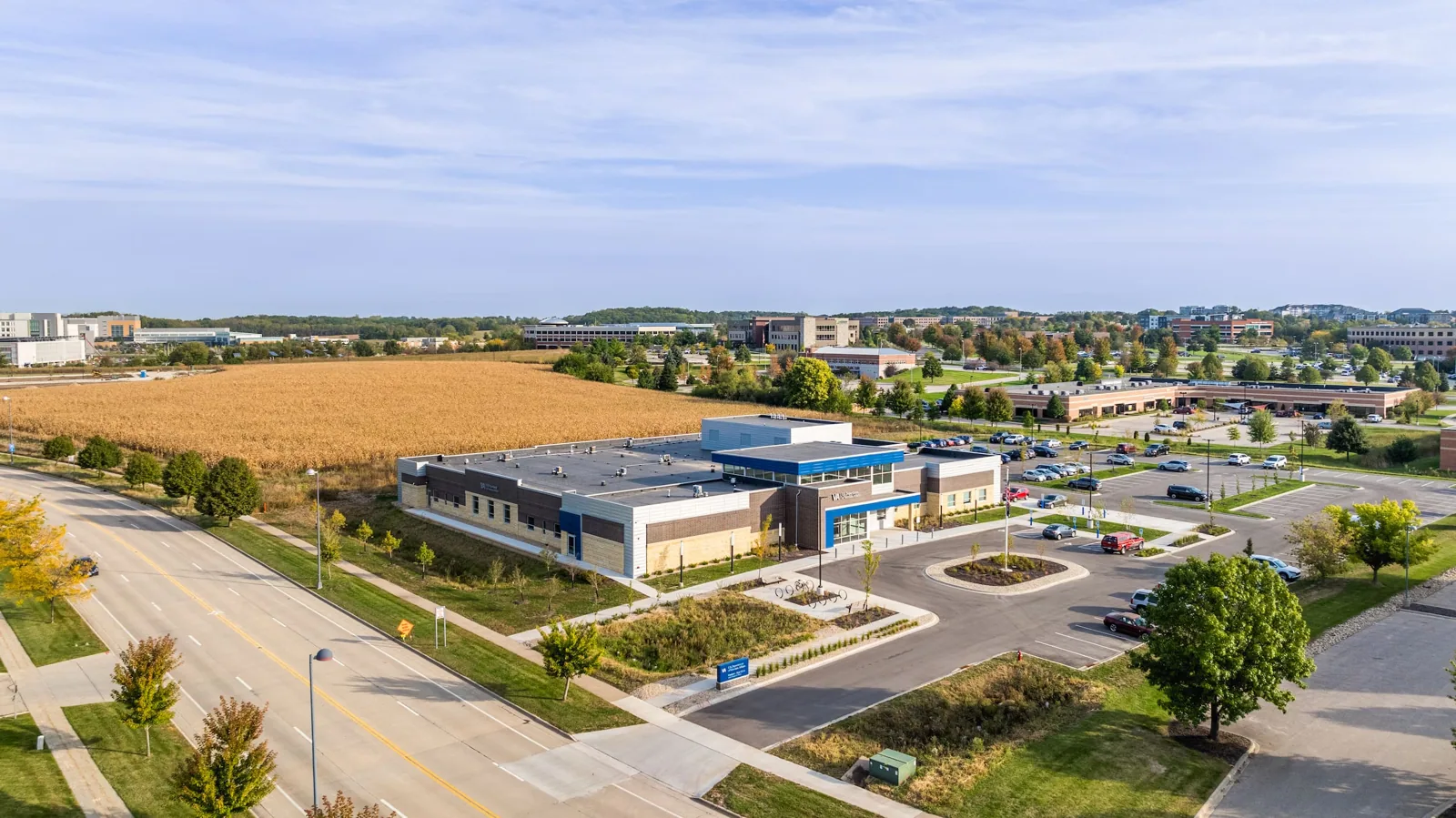
The city considered expanding a Main Street Medical Mile along Highway 31 with more medical facilities and retail. Medical tenants have tight rules. Quiet hours. Clean air. No wet ceilings. A medical office roof needs a plan before the crew arrives.
We write the plan with the practice manager. Work zones close each day. Air intakes stay protected. A named contact approves any change. Leak calls get a same-day tarp-and-dry. Then we trace the cause, document it and price the lasting repair. That order keeps patients out of the water and the schedule on track.
Rooftop air handling is the next item. Medical buildings run more exhaust and more air movement than retail. Each unit has a curb, flashing and a service path. We inspect all three, photograph the defects and rank them by what sits below. A cracked curb over an exam room moves to the top of the list.
Storm season and the second peak
Alabaster plans its roofs inside Dixie Alley. Spring is the main thunderstorm season, November and early December the second, and Gulf tropical systems now and then add storm-force wind. On the tornado list sit two F5 storms, in 1977 and 1998, and the April 27, 2011 EF4.
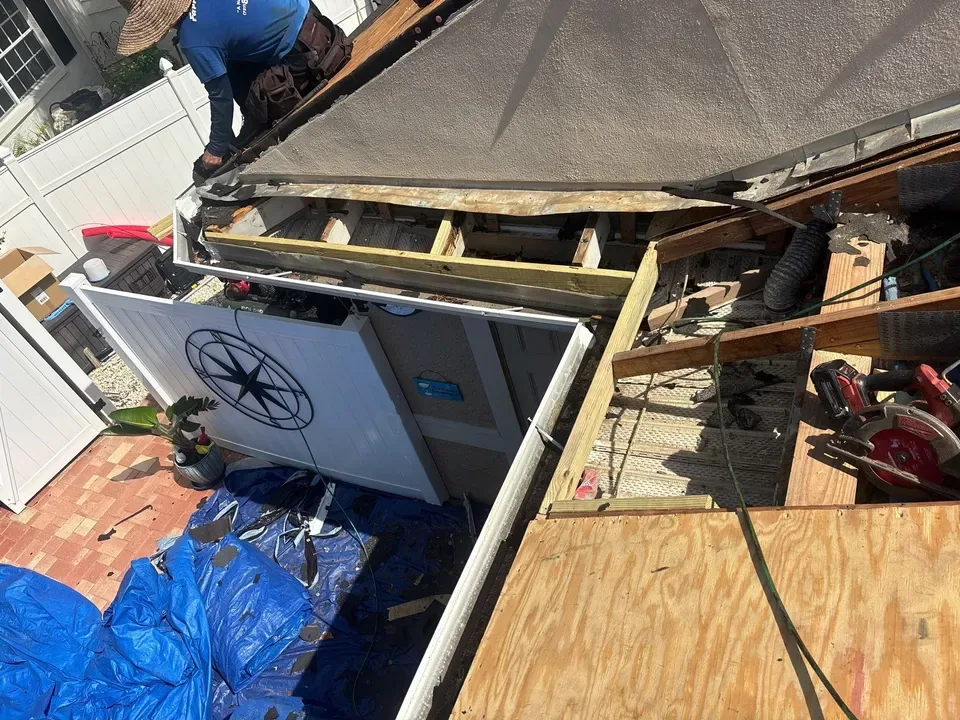
Plan your roof work around those windows. Walk the roof in January. Fix edges and leaks in February. Keep a storm budget for March, April and November, and set the number from last year's repair invoices. After any storm, do a quick check yourself, then call us for a storm walk if you see anything.
More on Alabaster
Budget year: repair line and replace line
Every roof has a repair-or-replace line. Above it, repairs pay off. Below it, each repair is money spent on a roof that is done. We find your line by looking at the age, the leak history, the insulation and the drains. Then we put a price on each side.
That written report is what your finance office needs. It shows what to spend this year and what to hold for next year. Owners with property in Pelham or Calera can use the same report format, so a portfolio gets one calendar.
Commercial Roofing Questions
Why do roofs leak more in a wet climate like this one?
Water has more days to find a flaw. Alabaster averages 56.19 inches of precipitation and about 125.6 days of measurable rain. We recommend a yearly walk. A pinhole found in winter is a small patch, priced in hours. The same pinhole ignored for a rainy year can soak insulation across a whole bay.
Is a moisture scan worth the cost?
Yes, when a ceiling stains and the roof looks fine. A scan shows wet insulation you cannot see. We recommend one before any large repair or replacement bid. It tells you how much to replace and how much to keep, and it prevents change orders after the roof is open.
Who is responsible for roof damage when many trades work on a roof?
The contract usually decides, but the record decides first. We recommend a roof walk with photos before and after the trades finish. If a unit set or a pipe support caused damage, the photos show when it happened, and the repair is billed to the right party.
Do medical tenants change how roof work is scheduled?
Yes. They need quiet hours, protected air intakes and no wet ceilings. We recommend a written plan with a named contact on both sides. Leaks get a same-day tarp-and-dry, and the lasting repair waits for a window that the practice controls.
When should I walk the roof before storm season?
January or February. That leaves time to fix edges and leaks before March. We recommend booking then, because March, April and November are the busy months, and crews and materials get scarce once the first storm hits and the calls start.
Related Roofing Work
Infrared Moisture Survey
Roof Drains and Scuppers
Medical Office Roofing
Storm Damage Roof Repair
Emergency Leak Calls
Call for a storm walk or budget review
Call before spring storm season or right after a storm. The walk pins down your leak sources, your moisture map and your repair-or-replace line. You get a written report with a price on each item.