
Distribution Center Roofing
Distribution Center Roofing in Hoover, AL
Peak season and storm season do not wait for each other. A distribution center in the Hoover, AL area has a fall rush and a spring storm window. A roof job has to fit between them. Miss the gap and the work lands on top of your busiest weeks, at a higher price.
So the roof plan starts on the calendar. We pin down the dates first, then the scope, then the number. You get all three in writing before a truck moves.
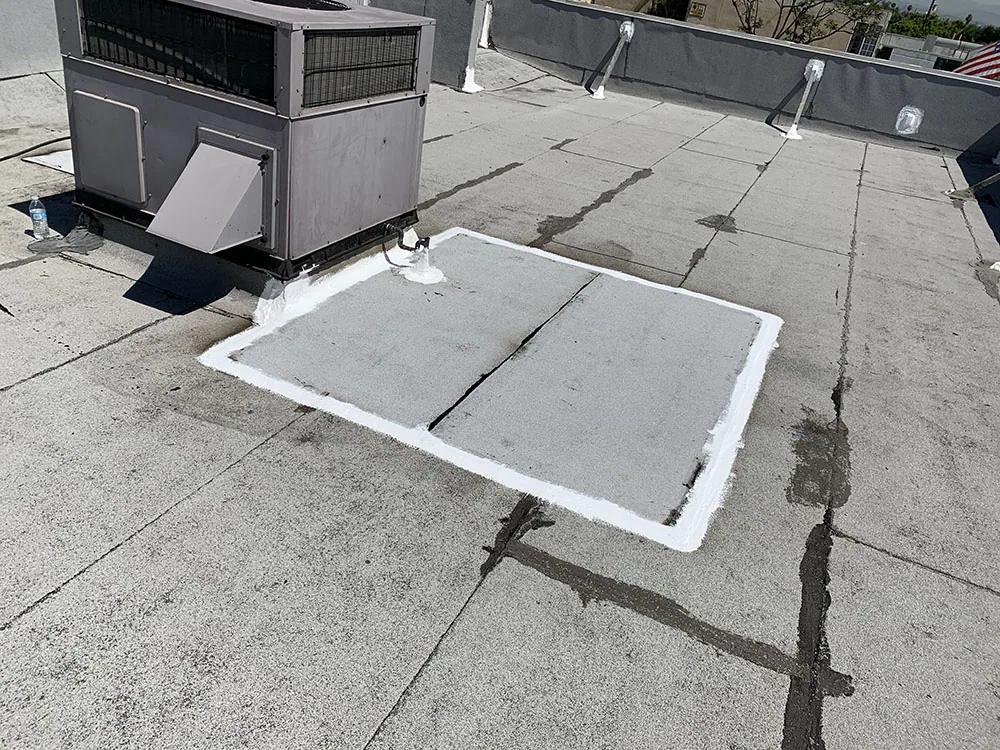
The issue: docks, drains and uptime
A fulfillment building runs on dock hours. Trucks back in, doors open, and rain blows toward the wall. The roof edge above each door takes the hit. Coping works loose. Sealant cracks. Water runs down the inside of the wall onto the first pallet.
Inside, the roof is hard to read. Racking, sprinkler pipe and conveyor hide the ceiling. A stain on a pallet tells you water arrived. It does not tell you where. We trace it from the roof side and mark the entry.
Drains are the second issue. A large flat roof sends a lot of water to few outlets. One clogged outlet loads a whole bay. Clear them before every storm season. Check the overflow openings too. If the main drain clogs, the overflow is the last stop before water reaches the parapet line, and many are blocked by an old patch. We flow-test each one with a hose and write down the result.
Rack height changes how a leak reads. Water that drips from a roof opening can run down a rack upright and show at a pallet two aisles over, so the roof crew works from a floor map that marks which bays hold the most sensitive stock.
What it costs: downtime is the big number
The roof invoice is not the biggest cost. Downtime is. A leak that stops a sorting line costs more per hour than the repair costs per day. Wet inventory comes next. Then the claim paperwork.
That is why we price two ways. First, the repair or replacement on the roof. Second, the cost of waiting one more season. Owners see both on one page.
What you pay on the roof depends on area, layers, wet insulation, penetrations and access. A building with many dock doors has more edge metal per foot of roof. An edge metal and coping repair at the docks often ends a recurring leak for a small share of a reroof.
Storm season: March, April and November
Dixie Alley covers Birmingham and its suburbs. Tornado records near Birmingham run through 1977, 1998 and April 27, 2011. A January 25, 2021 EF3 caused significant damage to businesses in Fultondale, where I-65 and US 31 are the two main north-south highways.
Wind goes for edges, coping and rooftop equipment. Hail bruises membrane. After a severe report the storm walk goes edges first, then units, then drains. A wind damage repair record, with dated photos, helps any claim that follows.
Claims bunch up in March, April and November. Book your walk early. Photos and a report taken before the claim queue forms move a file faster.
When to do it: around peak, not through it
Plan big roof work for the quiet months. Late winter works for many buildings. Early summer works for others. Avoid the weeks before peak, when freight is stacked to the roof and dock doors never close.
Bessemer is home to an Amazon fulfillment center of 800,000 square feet. Fultondale and Tarrant sit near I-65 at Walkers Chapel Road, with Boyles Yard rail lines shaping distribution and retail nearby. A building like these gains most from a spring walk and a fall walk set on the calendar in January, before any leak forces the issue.
We can work in sections, keep docks open and dry in each bay before we leave. An occupied building reroof plan lists the dates for each bay.
Budget year: tie the roof to the capital plan
A distribution roof is a large line in a budget year. It should not be a surprise. The condition report ranks each bay, and the ranking feeds a three-year plan. Year one covers leaks and drains. Year two covers the bays that failed the moisture read. Year three covers the rest.
Landlords and tenants split these costs in different ways. The report helps both sides. It shows what was found, in photos, with dates. That keeps a lease conversation to the facts.
If a lender or buyer asks about the roof, hand over the report. It answers the question in one page. Owners who keep it current spend less time on due diligence and less time on claims.
More on Distribution Center Roofing
Recommendation: fix drains, edges, then the field
Start with the cheap items. Clear drains and scuppers. Reseal edge metal. Fix tie-ins at units. Cores across the field come next. Dry insulation gets restored, while insulation that is wet in more than a few spots gets replaced by section.
Seams age faster in a long, humid summer. Check seams every year, and mark any lap that has opened.
A smaller building follows the same steps as warehouse roofing, and a freezer building adds vapor questions, as in cold storage roofing. Logistics and 3PL operators face the same dock and uptime questions.
What to ask us: dates, bays and numbers
Call with the building address and the last roof report. Then ask for three things.
- A bay map with the order of work
- A date range that avoids peak weeks
- A price for repair, restoration and replacement side by side
We also ask you three things. Which doors cannot close? Where does stock sit that cannot get wet? Who signs off on a change to the schedule? Those answers shape the plan more than the roof does. A storm walk takes a morning. The written plan follows in days.
Commercial Roofing Questions
Can you replace a roof without stopping shipping?
Usually yes. We work in bays, keep dock approaches clear and dry in each bay before the crew leaves. Tell us which doors and lanes cannot close. We recommend a two-week plan with a bay map, shared with your operations lead before day one. Weather days are built in, and a tarp-and-dry crew stays on call for any bay left open when rain moves in early. Dock hours, sort windows and shift changes go on the same calendar.
How do I know where a leak starts when racking hides the ceiling?
We start on the roof, not the floor. We mark the nearest tie-in, drain, curb and edge, then confirm with moisture readings. Your team sends the aisle, the date and the weather. We add the roof side: the nearest unit, drain and wall tie-in, plus a moisture read across the likely path. We recommend shooting a photo of every stain with the aisle number in frame.
When is the quietest window for roof work here?
Late winter, before spring storms, works for most buildings. Early summer also works if peak season starts late. We recommend avoiding the weeks right before peak. Book a window of dates rather than one day, so a rainy week does not push the whole job.
Does hail damage show up right away?
Not always. Bruises from hail like the softball-size stones of April 25, 2003 can leak weeks later. We recommend a hail check within two weeks of any severe report. Photos taken early support a claim and cost little.
Should we restore or replace an older distribution roof?
Core it first. Dry insulation and tight seams mean a coating can add years at a lower price. Wet insulation across more than a few spots means replace that section. We put the cores, readings and both prices on one sheet, so the decision is a number.
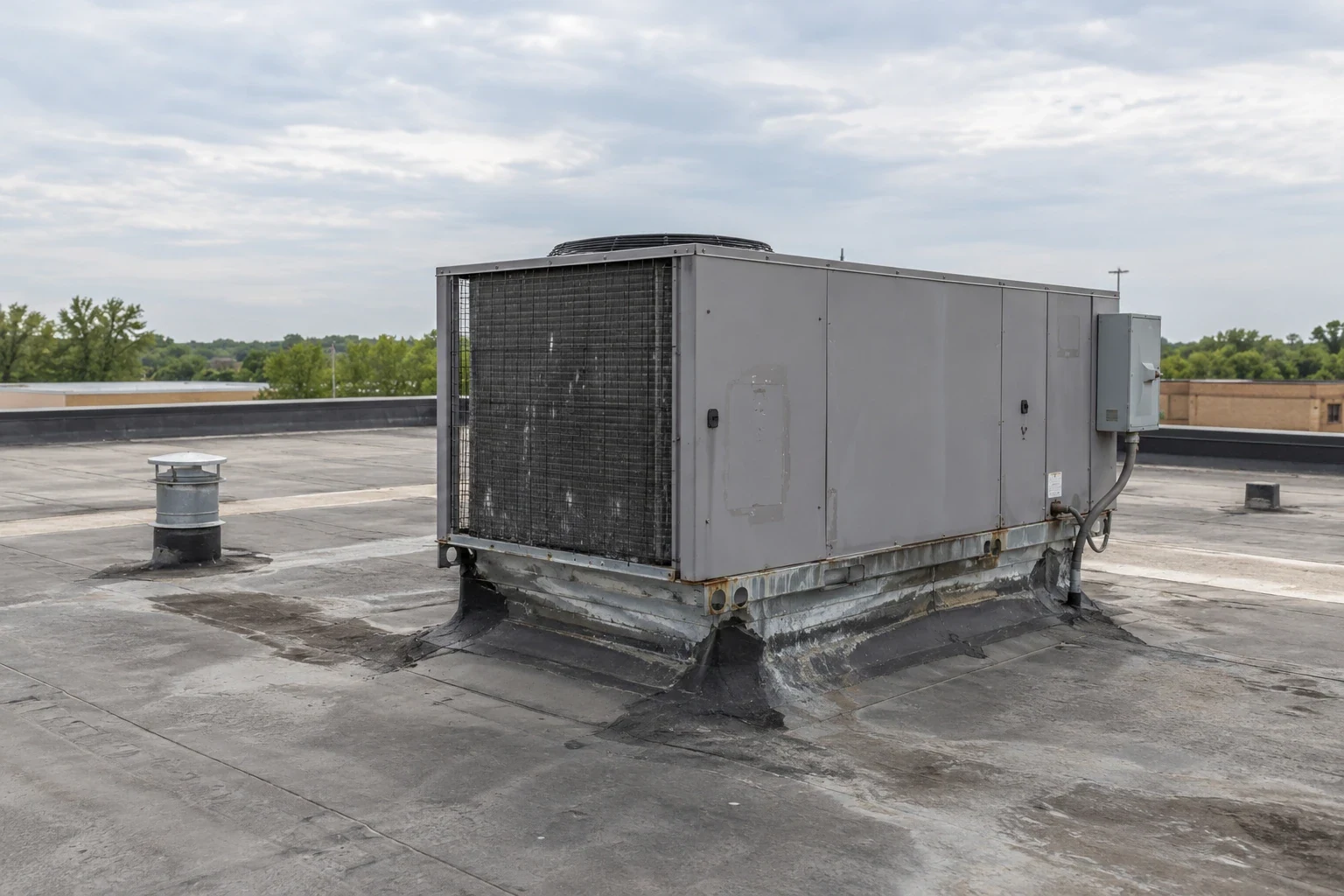
Related Roofing Work
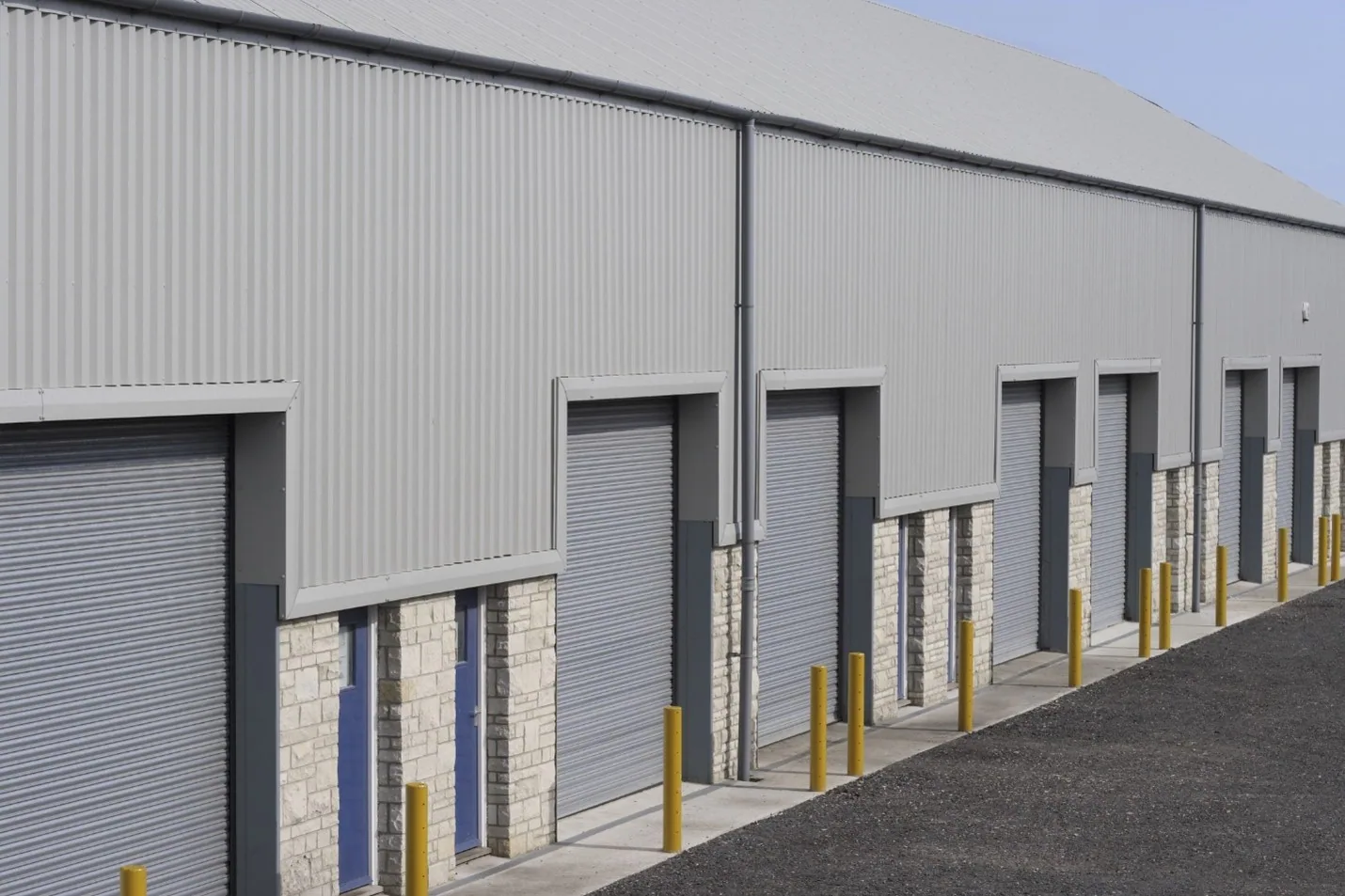
Edge Metal, Coping and Gutters
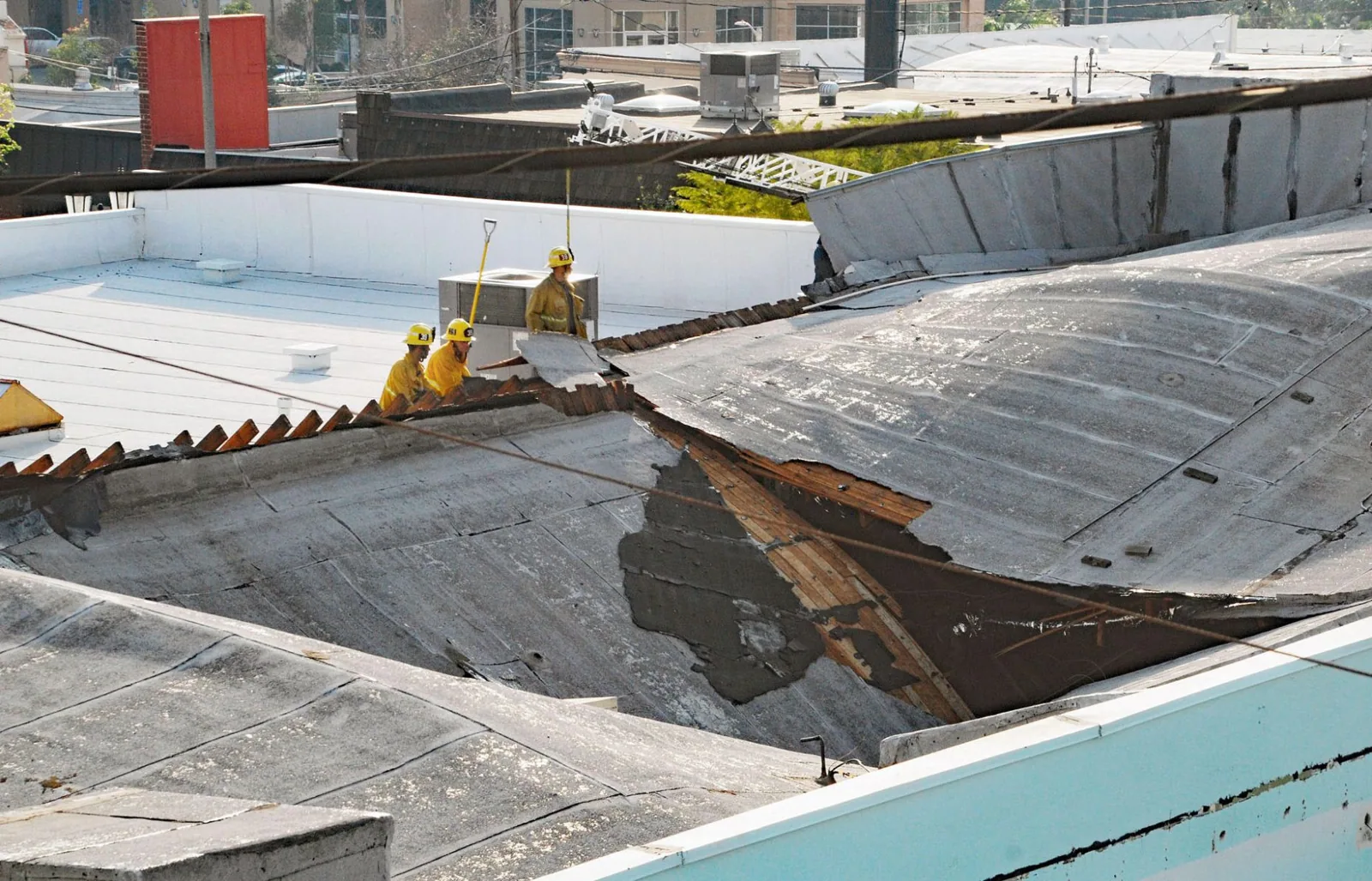
Wind Damage Roof Repair
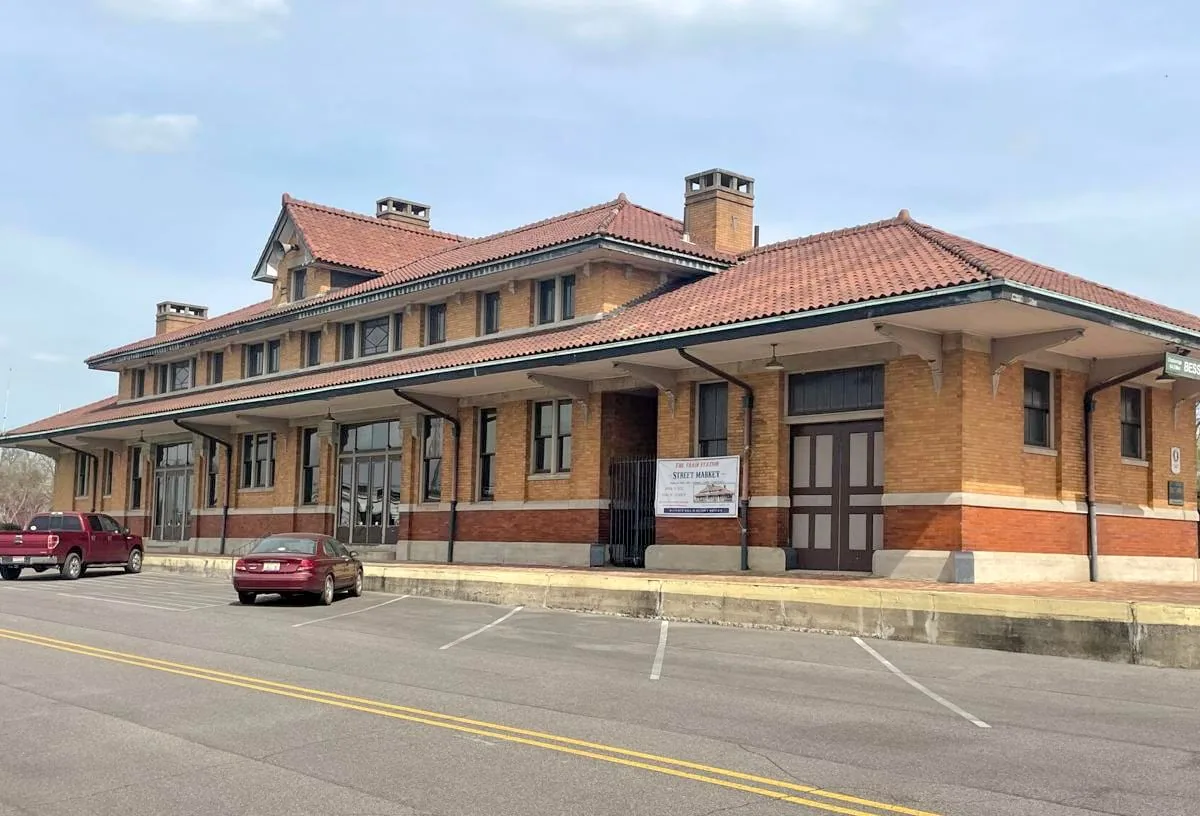
Bessemer
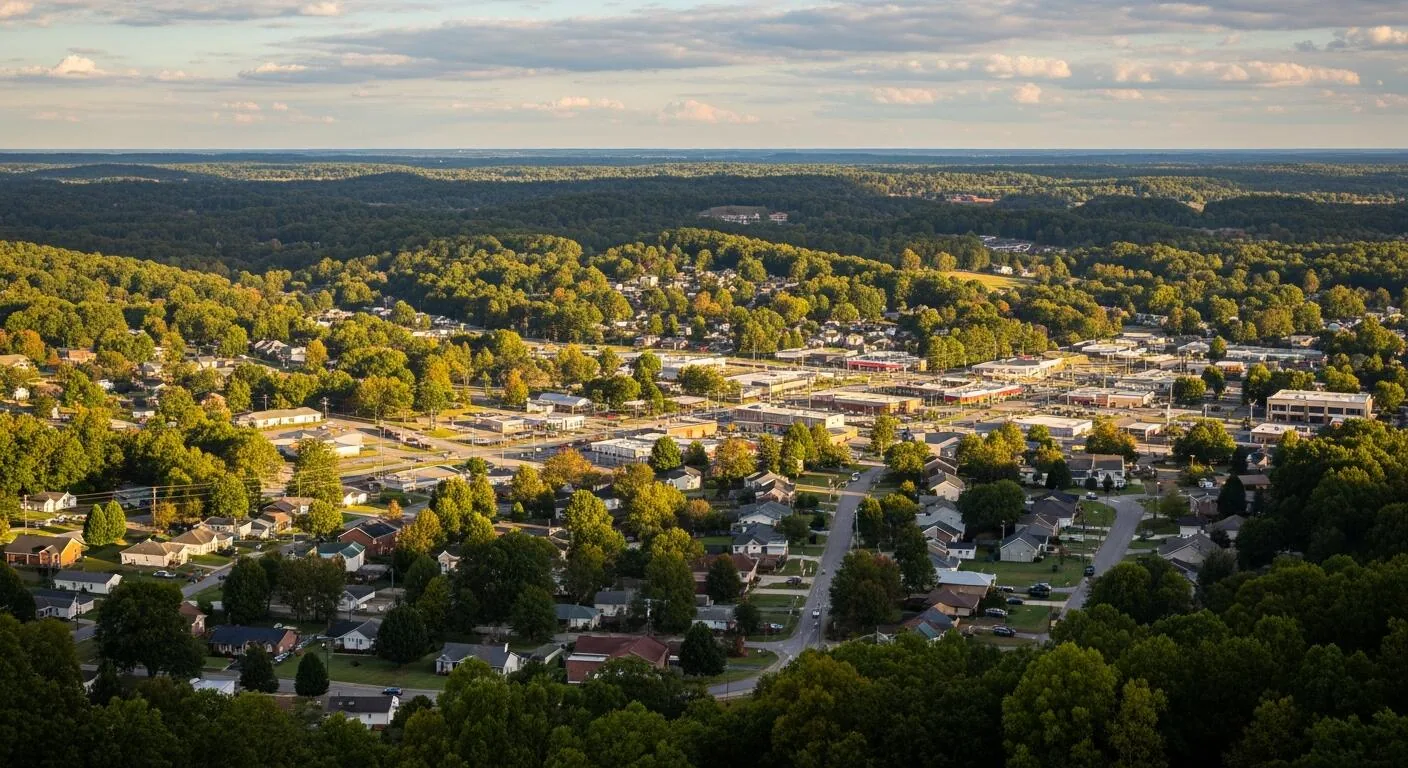
Fultondale
Emergency Leak Calls
Call for a storm walk or budget review
Call before peak season or after the next storm report. The visit pins down the dates, the scope and the number for each bay. You get them in writing.