
Office Building Roofing
Office Building Roofing in Hoover, AL
Office leases renew on dates. Roof budgets close on dates. Storm season starts on a date too. A property manager in Hoover, AL has to line all three up. A wet ceiling tile in a corner office in April can undo all that planning in an afternoon.
So we start with the calendar. The roof gets walked in winter, priced in February and scheduled ahead of March. You walk into the budget meeting with a number, a date and a photo.
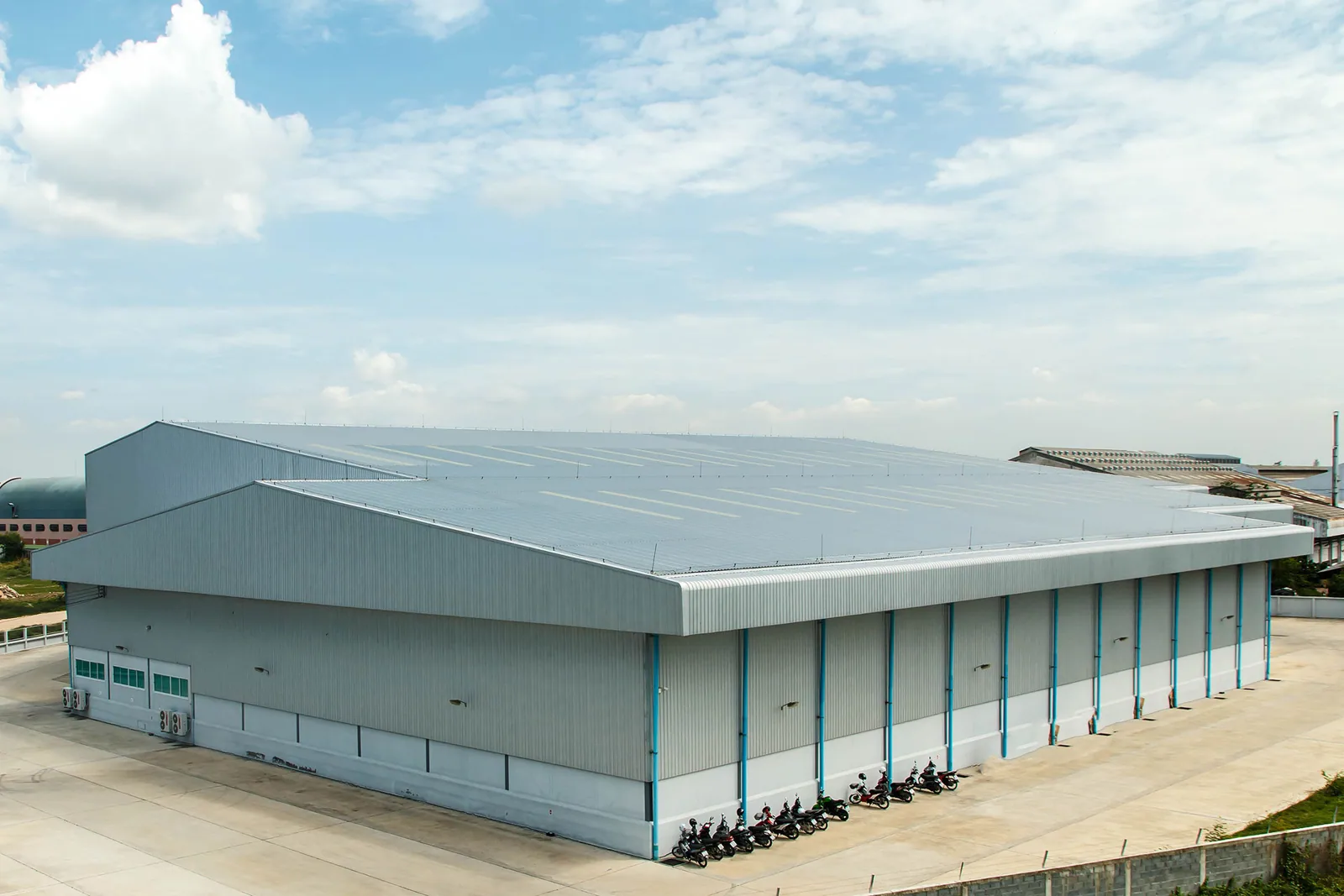
The issue: rooftop units and the tie-ins around them
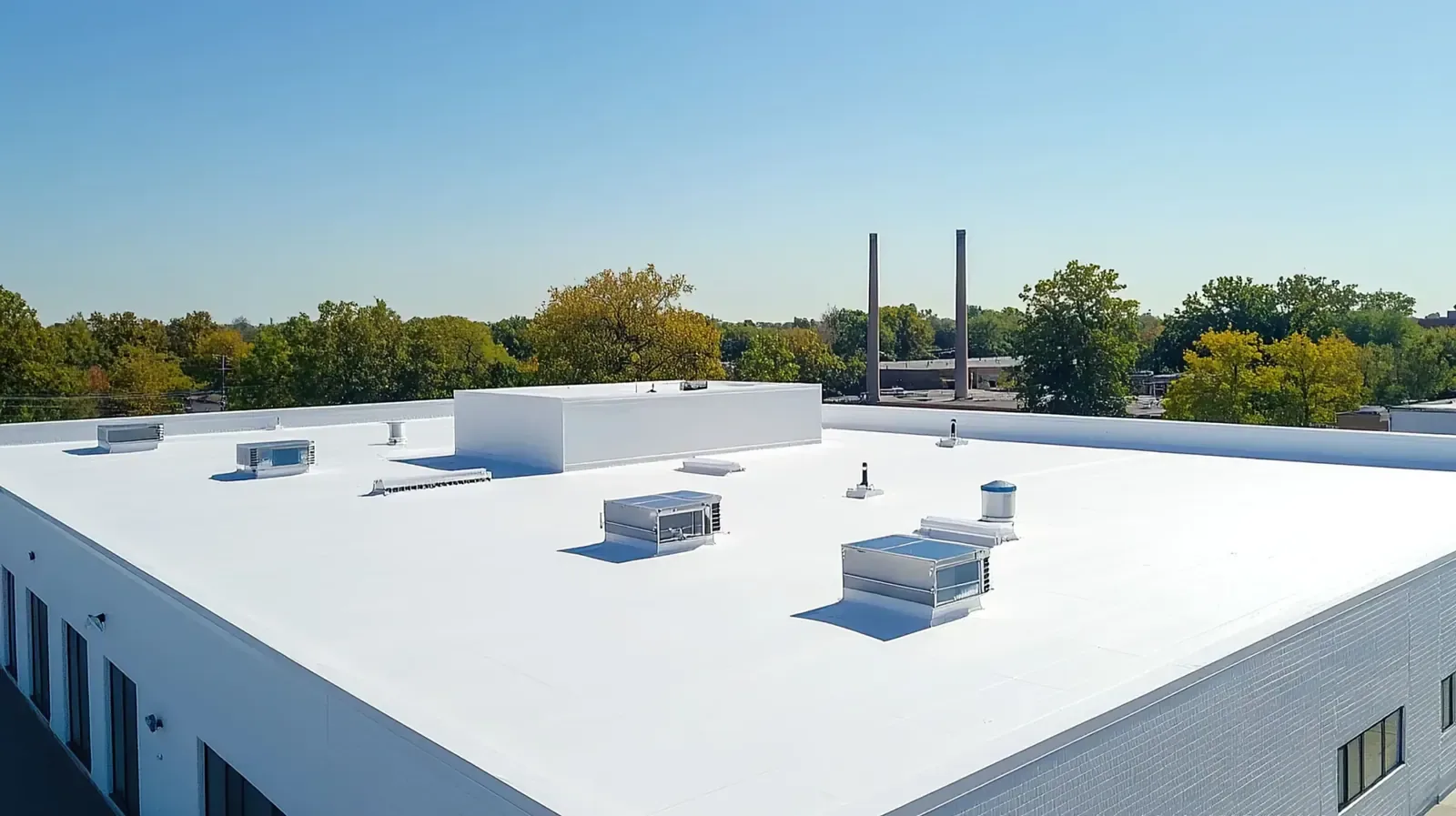
Many office roof leaks start at a tie-in. Rooftop units shake their curbs loose. Wall flashing opens at the parapet. Pipe boots crack. Roof drains clog with leaves. The field of the roof is usually fine.
We probe the seams near every unit and mark every gap. We clear the drains and flow-test them. We read the edge metal. Technicians walk to the units on the same path every month, so we check that path for wear and add walk pads where the membrane is thin.
Mountain Brook is a good example of drain trouble. About nine tenths of the city sits under tree cover, so leaf debris and tree damage are regular roof and drain issues. A 1955 office park there is billed as the first of its kind in the US.
What it costs: tenants notice before you do
A small leak costs a repair visit and a ceiling tile. A leak that goes through a lease year costs a tenant complaint, a rent talk and sometimes a move-out. Wet insulation adds a second bill. Mold adds a third.
What the roof costs follows area, layers, wet insulation, units to lift and the building's access rules. A taller building costs more to reach, and a commercial roof leak repair at the real source costs less than a string of patches at the stain.
Repair, restoration and replacement go in a single comparison, and one more year of waiting is priced next to them.
Shared building systems add a coordination line. When a roof drain ties into interior plumbing, the plumber and the roofer need the same shutoff time, and the estimate lists that coordination so the property manager sees who must be on site.
Storm season: March, April and November
Dixie Alley covers the metro, and its tornado list runs from the 1977 F5 through the 1998 F5 to the EF4 of April 27, 2011. Spring is the main thunderstorm season, with another from November into early December. On April 25, 2003, stones the size of softballs landed on central Alabama, part of a year with 29 hail days above three-quarters of an inch.
Strong wind strips edge metal, coping and unit covers from office roofs, and hail bruises the membrane. After a severe report, run a storm walk that covers edges, units and drains. Each item is photographed, dated and filed. March, April and November are when claims cluster, so a file with photos and a report moves sooner.
When to do it: Riverchase, Downtown and the lease calendar
Riverchase, the business and residential community Hoover annexed in 1980, added large office buildings to the city. The Riverchase Office Park holds many large corporate tenants, and Hoover's largest employers include Regions Bank with 2,644 jobs and Blue Cross and Blue Shield of Alabama with 1,711. Downtown Birmingham adds towers such as Shipt Tower (34 stories) and Regions-Harbert Plaza (32).
Plan low-rise Riverchase roofs for late winter. Plan work on tenant-heavy floors for quiet hours. We stage materials on the ground, hoist outside peak traffic and dry in daily. An occupied building reroof plan lists the dates by wing.
Budget year: the three-year roof plan
Set the roof budget once, then keep it. Year one: leaks, drains and tie-ins. Year two: restore dry sections with a coating, or replace the failed ones. Year three: the rest. Each year has a price and a date.
The condition report ties it together. It lists every roof section with photos and moisture readings. A lender or buyer reads it in minutes. A new property manager picks up where the last one stopped. The report cuts the time you spend explaining the roof to anyone. Keep the photos, the readings and the repair log together, and update them after every visit, so the file always shows today's roof and not last year's.
Heat and humidity matter here. Hot, humid summers wear on seams and sealants, so we plan a yearly seam check.
More on Office Building Roofing
Recommendation: walk, fix, then decide
Walk the roof before you set the budget. Fix tie-ins and drains first. Take cores across the field and read moisture. Then choose: repair, restore or replace. A roof coating restoration works on a dry, sound roof. A full replacement fits wet insulation and splitting membrane.
The designer confirms what applies, starting from the state's building code and its ANSI/ASHRAE/IES 90.1-2013 energy rule. Medical tenants add their own rules, as in medical office roofing, and a server room brings the zero-leak standard of data center roofing.
What to ask us: questions that fit a property manager's week
Bring the building list and the last roof report to the call, and ask these.
- Which units and tie-ins are open right now?
- Are the drains flowing, and when were they last cleared?
- How much of the insulation is wet, and where?
- What goes in this year's budget, and what can wait?
- What does the work cost, tenant by tenant, in noise and access?
Answers arrive as photos, readings and a price. For a Downtown Birmingham tower or a low-rise park on Highway 31, the order is the same: drains, tie-ins, units, field. The difference is how we reach the roof and when we are allowed on it.
We also ask you for the lease dates on any tenant who is sensitive to noise or dust. Those dates decide the quiet windows. A roof plan that respects them draws fewer complaints and fewer calls to your desk.
Commercial Roofing Questions
How do I tell a roof leak from an air-conditioning leak?
Timing tells you most of it: a roof leak appears during or right after rain, while an air-conditioning leak appears on humid days without rain and follows a duct line. We recommend writing down the date, the weather and the room before calling us. A moisture read on the roof settles it in one visit.
Can roof work happen with tenants in the building?
Yes. We work in sections, keep entries clear, hoist outside peak hours and dry in daily. We recommend giving tenants a one-page schedule two weeks ahead, with the noisy days marked. Quiet tenants, like law offices or call centers, get their own window.
How often should an office roof be walked?
Twice a year. Walk in late winter, before storm season, and again in early fall, before the November round. Add a hail check after severe reports. We recommend booking both in January. A short report after each visit keeps the file current.
What is the best way to budget for a roof?
Use a three-year plan with a price for each year. Fix leaks and drains first, then the failed sections, then the rest. We recommend asking for repair, restore and replace prices side by side, so the board can see what each path costs over ten years.
Does leaf debris really matter on a roof?
It does in tree-heavy areas like Mountain Brook. Leaves block drains, drains back up and water finds seams. We recommend clearing drains every spring and fall, and after any storm that drops limbs. A blocked drain costs little to fix and a lot to ignore.
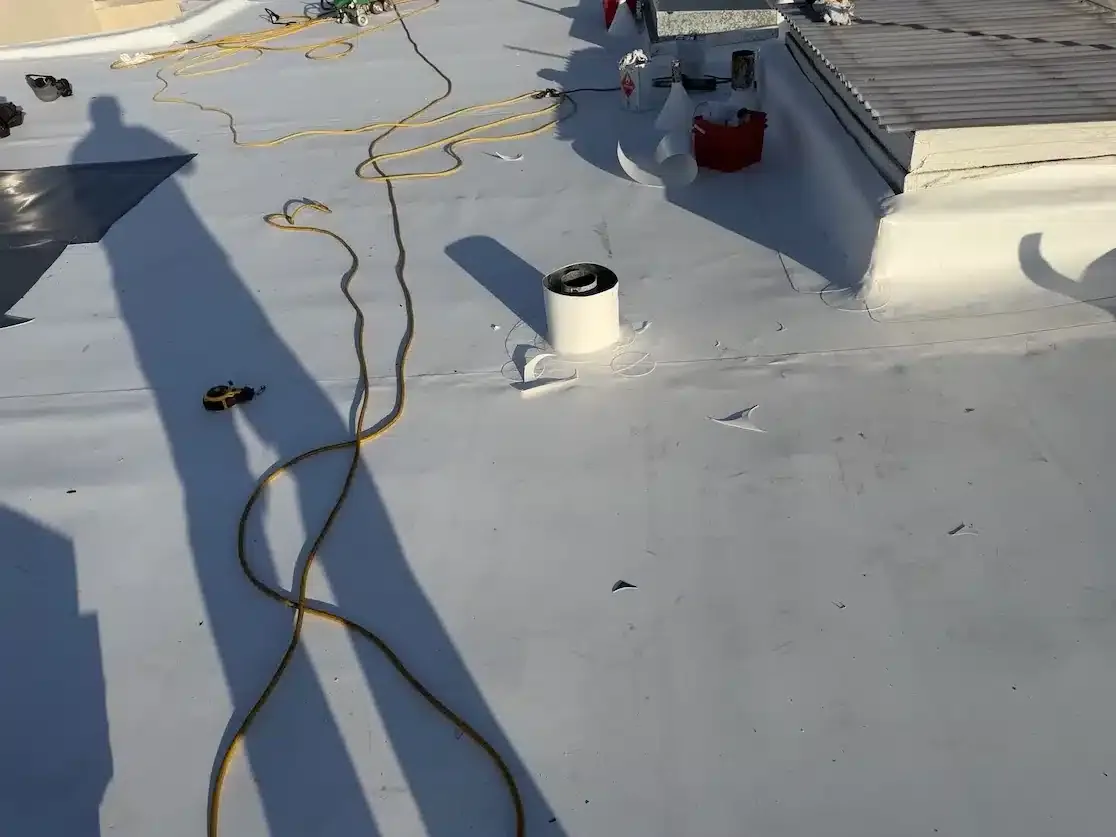
Related Roofing Work
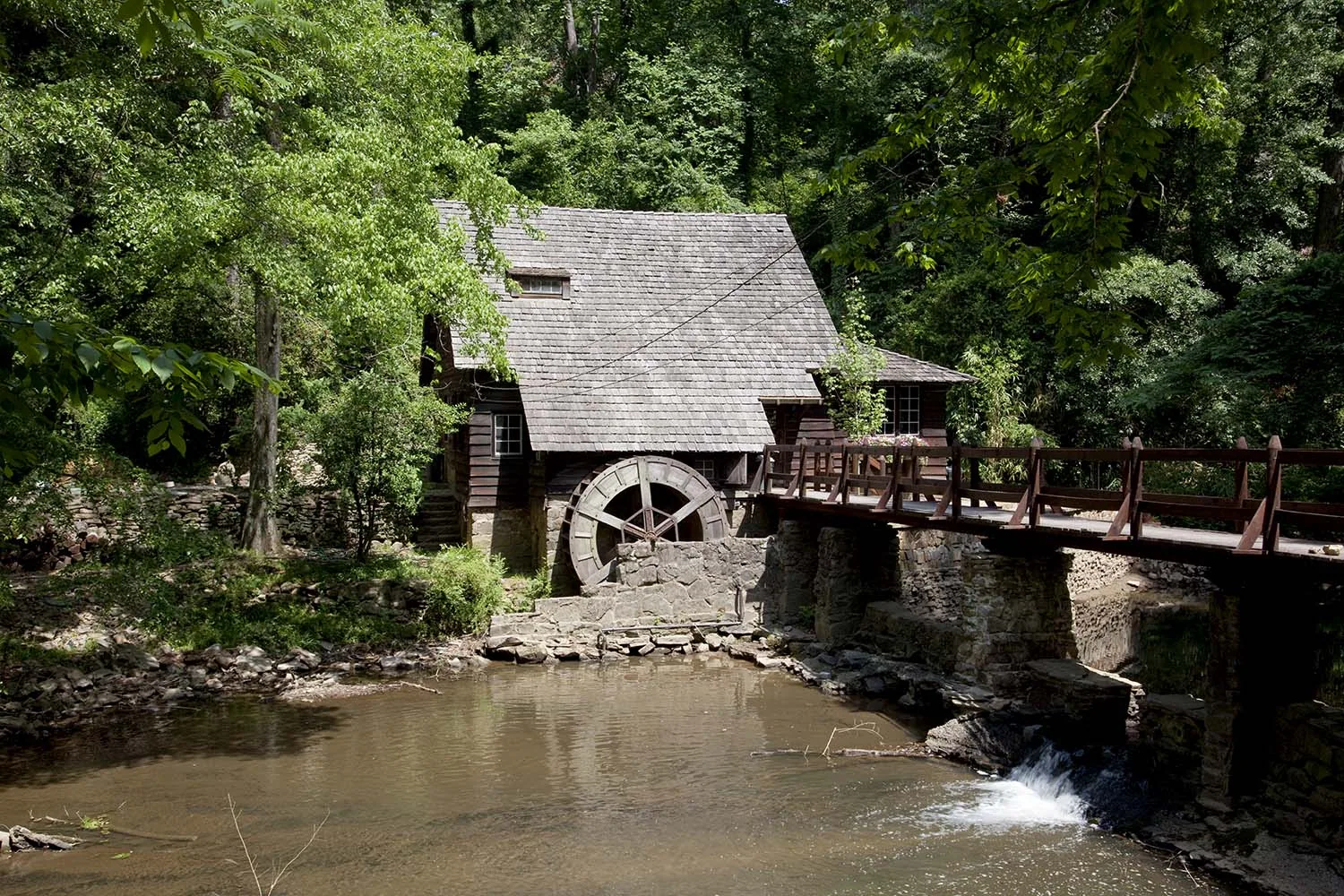
Mountain Brook
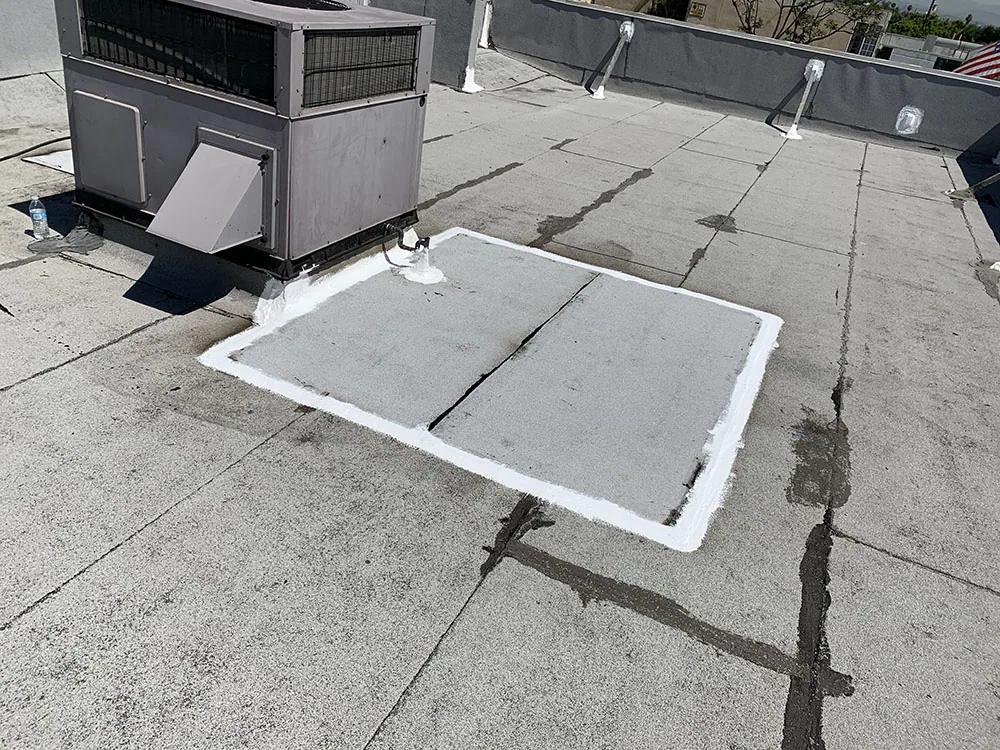
Commercial Roof Leak Repair

Riverchase
Occupied Building Reroofing
Emergency Leak Calls
Call for a storm walk or budget review
Call before spring, or after the next severe report. The visit pins down which items go in this year's budget and which can wait. You get the list in writing, with a price on each.