
Flex Industrial Roofing
Flex Industrial Roofing in Hoover, AL
A flex building has an office front and a warehouse back, and its roof has two jobs to match. The office side wants a clean, dry ceiling. The warehouse side wants a roof that carries units and survives forklift traffic on the dock. In Hoover, AL, the budget question is simple: which tenant's leak do you fix first, and who pays? Low-slope and metal roofs on flex and light-industrial buildings are repaired, recovered or replaced, with each roof section tied to the suites under it.
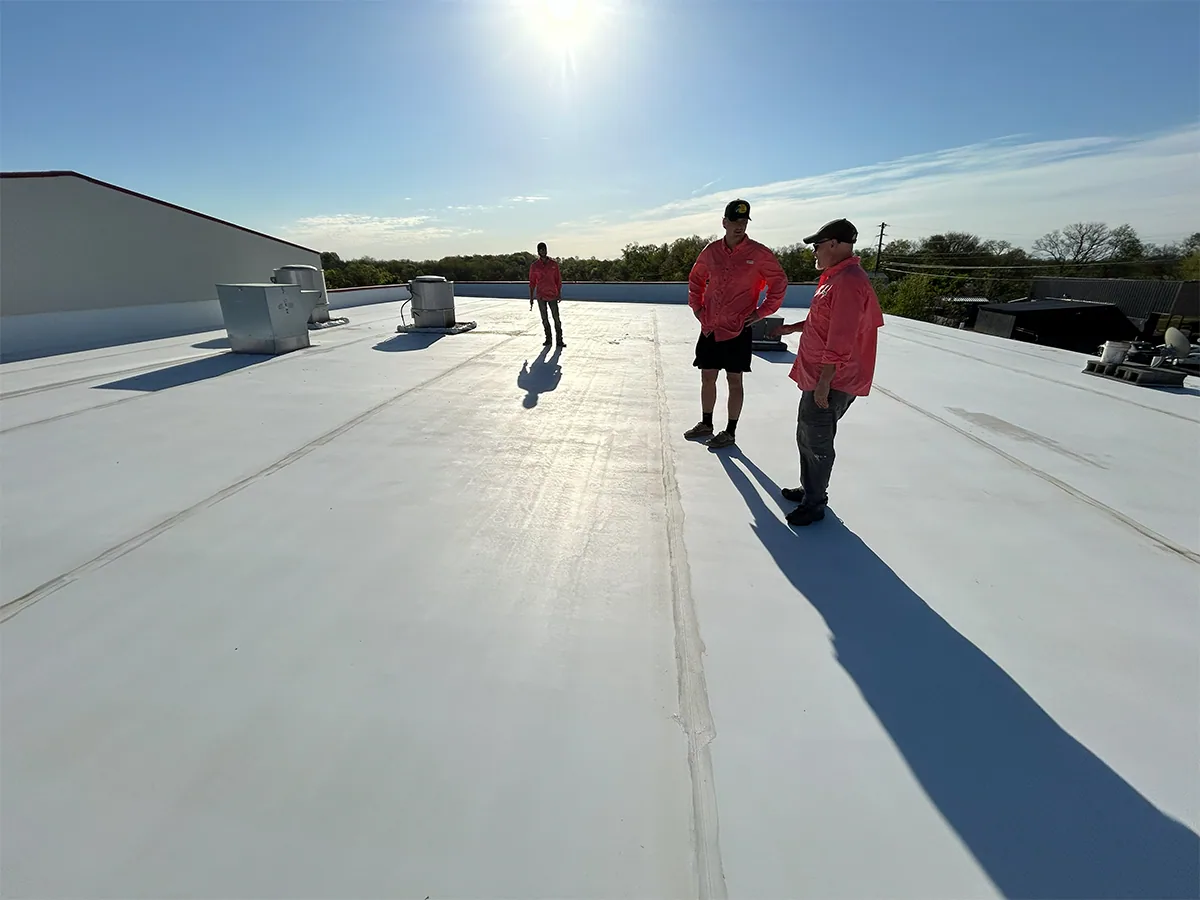
The issue: shared roofs and changing tenants
Flex buildings are leased by the suite. A tenant moves in, adds a unit, cuts a penetration and moves out. The next tenant adds another. After a few cycles, the roof carries a record of every lease.
That record shows up as orphan curbs, capped lines, patched boots and extra penetrations. Each is a possible leak. Each belongs to a past tenant. The landlord inherits all of them.
So we start with a map. Every curb, boot and line goes on the plan, with the suite it serves. The landlord can then assign each item to a tenant or a budget line.
Tenant improvements make it worse. A tenant adds a dust collector, a spray booth exhaust or a new rooftop unit. A contractor cuts the roof in a hurry. The boot is short. The sealant is thin. Nobody tells the landlord. Six months later, the suite below has a drip. We recommend a simple rule: no roof penetration without notice, a roofer on site and a photo of the finished flashing.
What we find: front sections and rear docks
The office front is usually a smaller low-slope section with a parapet. It leaks at wall tie-ins and at rooftop units. The warehouse rear is a larger section, often a single-ply or modified bitumen roof or metal panels, with exhaust fans, skylights and dock-end flashing. Wear shows at the dock side, where trucks, vibration and handling are hardest on joints.
We probe seams. We check flashing at every wall and curb. We clear drains and scuppers. A moisture scan finds wet insulation. Photos and numbers go on the plan. Seams and sealant work hard in a metro with about 56.6 inches of rain a year and 65 days at 90 degrees or higher.
Skylights and roof hatches appear on many flex roofs. They crack, yellow and leak at their curbs. A hatch left unlatched lets rain into a stairwell. We check each one and replace failed units. We also look at walkways. Tenants' technicians walk the same path to a unit every month, and the sheet thins there. A walkway pad costs little and saves a puncture.
Storm season: hail, wind and the November peak
Birmingham sits in Dixie Alley, where tornadoes in 1977, 1998 and 2011 set the scale of risk. Storms crest in March and April and come back from November to early December. Hail reached softball size across central Alabama on April 25, 2003.
A flex park has many roofs close together. One storm can hit all of them. So take baseline photos of each before the season. After a storm, walk them all again. Storm damage repair uses that comparison to tell storm damage from older wear. Keep the photos for the landlord and the carrier.
Wind goes for edges and for equipment. We check edge metal, caps and the fastening of every unit. A fan that moves in a gust works its curb open. A loose cap lets rain behind the wall. We fix those before the March window, not after it.
When to do it: between tenants and before storms
The best time for roof work is between leases. A vacant suite can be a staging area or a protected zone. But leases do not follow the weather. So we plan around both.
Late autumn and winter give the best working window for most flex roofs. Crews work in sections. A tenant in a neighboring suite keeps working. Loud work waits for hours the tenant picks. We give notice to every suite under the active section. An occupied building reroofing plan lists those limits.
If a leak opens, call at any hour. We stop the water first. Then we map the source.
Plan the order of buildings. In a park with several flex buildings, start with the one with the most active leaks and the most tenants. Move to the next as budget allows. A multi-building program lets the owner spread cost across budget years and keep the same crew and the same specification. A multi-site roof program holds the records together.
What it costs: landlord or tenant
Costs follow roof area, the number of penetrations, wet insulation, deck condition and the phasing. A building with many tenants has more penetrations. A building with a metal rear section has different fastener and trim costs than a membrane section.
The lease decides who pays. Many leases pass roof repairs to the tenant under the leak and roof replacement to the landlord. Some pass both. We do not read the lease for you. We give the landlord a map and a list that match the lines in it.
Commercial energy work here follows ASHRAE 90.1-2013, and a replacement may need more insulation than the old roof had. We confirm it with the building authority and price it as its own line.
Timing drives price. After a hail or wind event, crews and materials get tight. Costs can climb and waits grow. A planned replacement booked in winter sits in a calmer market. Water spreads through insulation over a season, so March repairs run cheaper than May repairs.
Dock-end and office-end sections are priced apart because they use different details, which lets a landlord with one tenant under repair see that cost without the rest of the building.
More on Flex Industrial Roofing
Local: Bessemer, Helena and the industrial belt
Industrial space shows up across the south and west of the metro. Bessemer, served by two interstates, US 11 and SR 150, has an Amazon fulfillment center of 800,000 square feet and a U.S. Pipe ductile pipe plant, and Helena has a developed industrial park with a wide variety of manufacturers.
A flex building in Bessemer or Helena gets surveyed section by section, since each suite's roof has its own age and layers. Warehouse roofs and self-storage roofs share many of the same patterns.
Closeout finishes the job. At closeout the landlord gets a punch list, the warranty walk and finished-detail photos. The file records what was repaired, when and with what, which answers the next tenant's question and the next lender's.
Commercial Roofing Questions
Who pays when a tenant's unit leaks into a neighbor?
The lease decides. We map every unit and leak path, so the landlord can assign responsibility from evidence instead of argument.
What is an orphan curb?
A curb left behind after equipment was removed. If it is not capped and flashed, it leaks. We recommend removing it or sealing it with a proper cap.
Can one section be repaired without affecting the others?
Usually yes. We work in sections and protect the suites below. Neighboring tenants keep working.
When is the best time to reroof a flex building?
Late autumn through early spring, before the March through April storm window. If a suite is vacant, we use it as a staging zone.
How do you handle a roof with a metal rear and a membrane front?
We rate each section on its own system. The metal section gets fastener, lap and trim checks. The membrane section gets seam, flashing and drain checks. The report ranks both together.
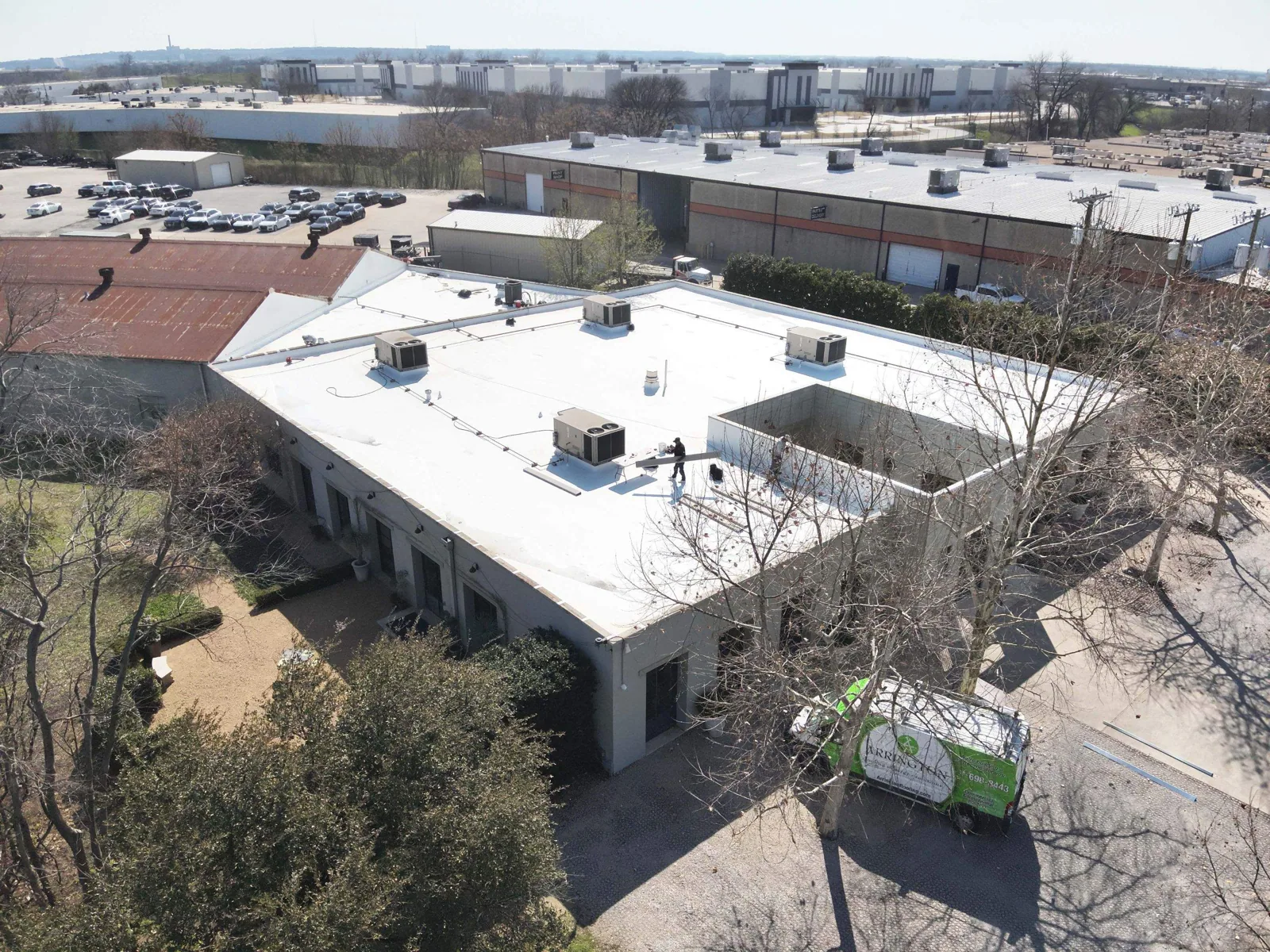
Related Roofing Work
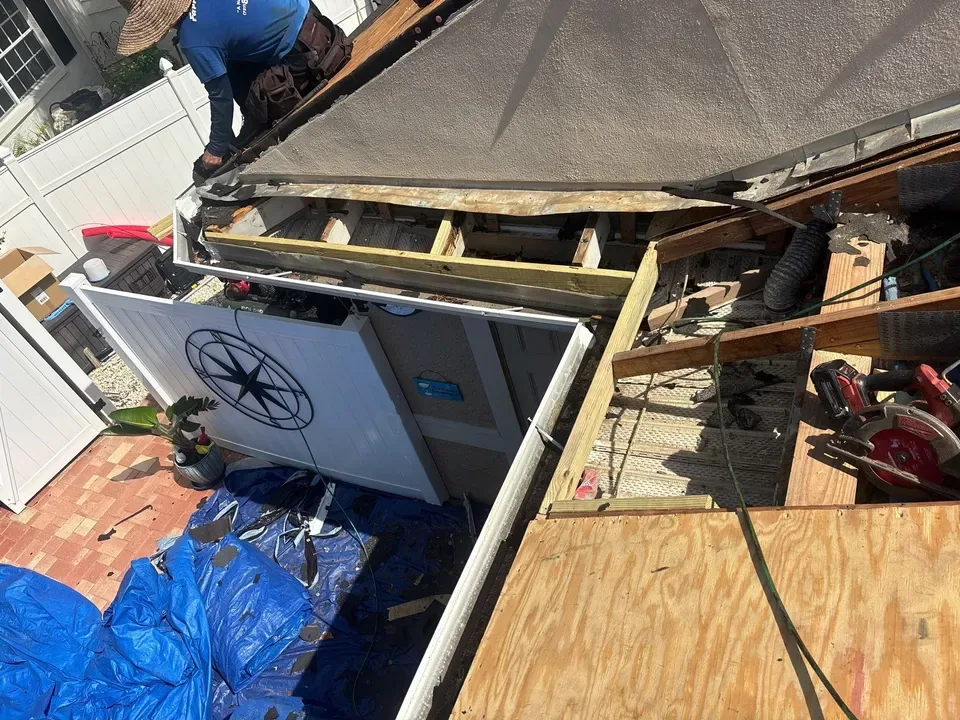
Storm Damage Roof Repair
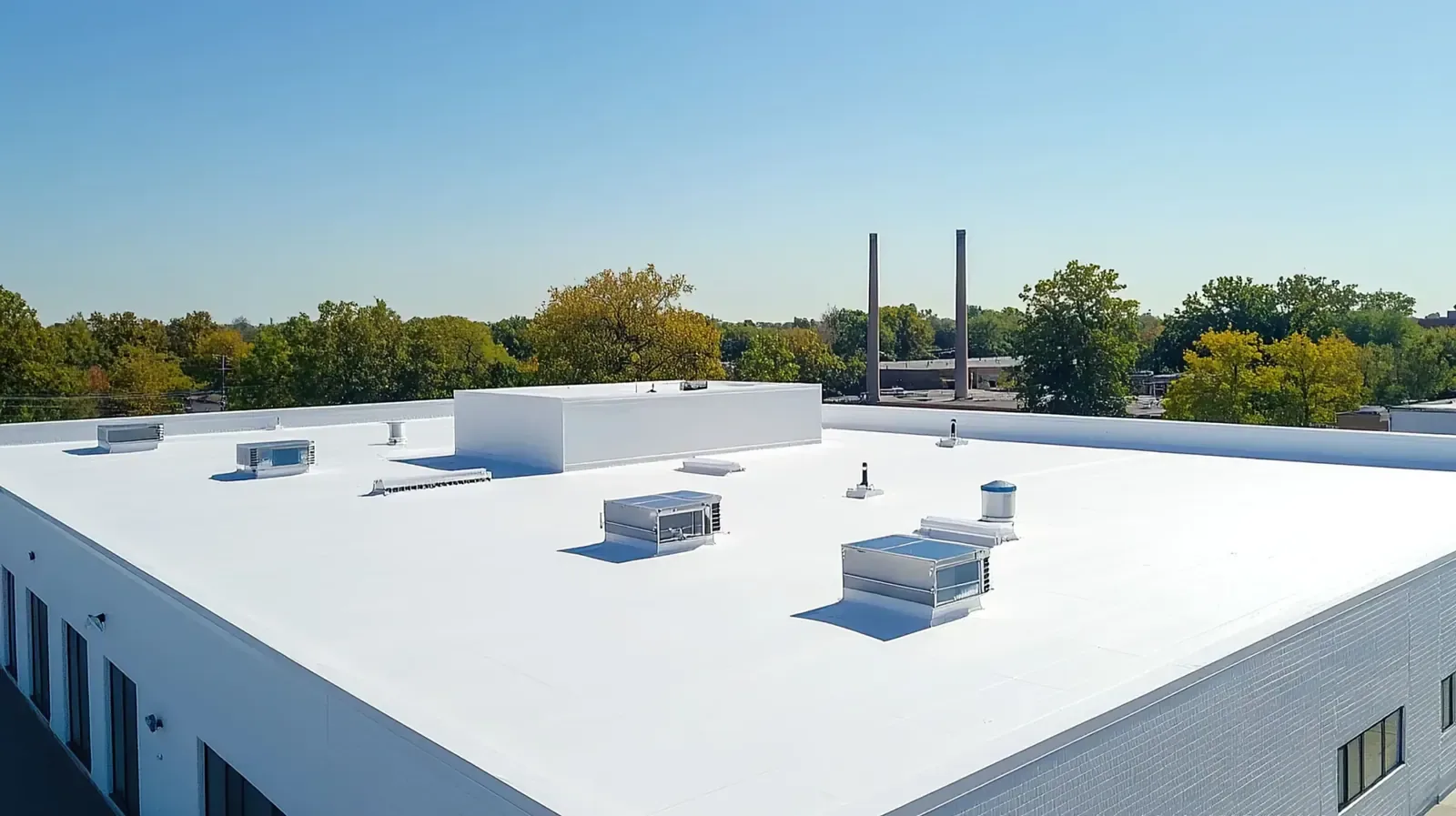
Occupied Building Reroofing
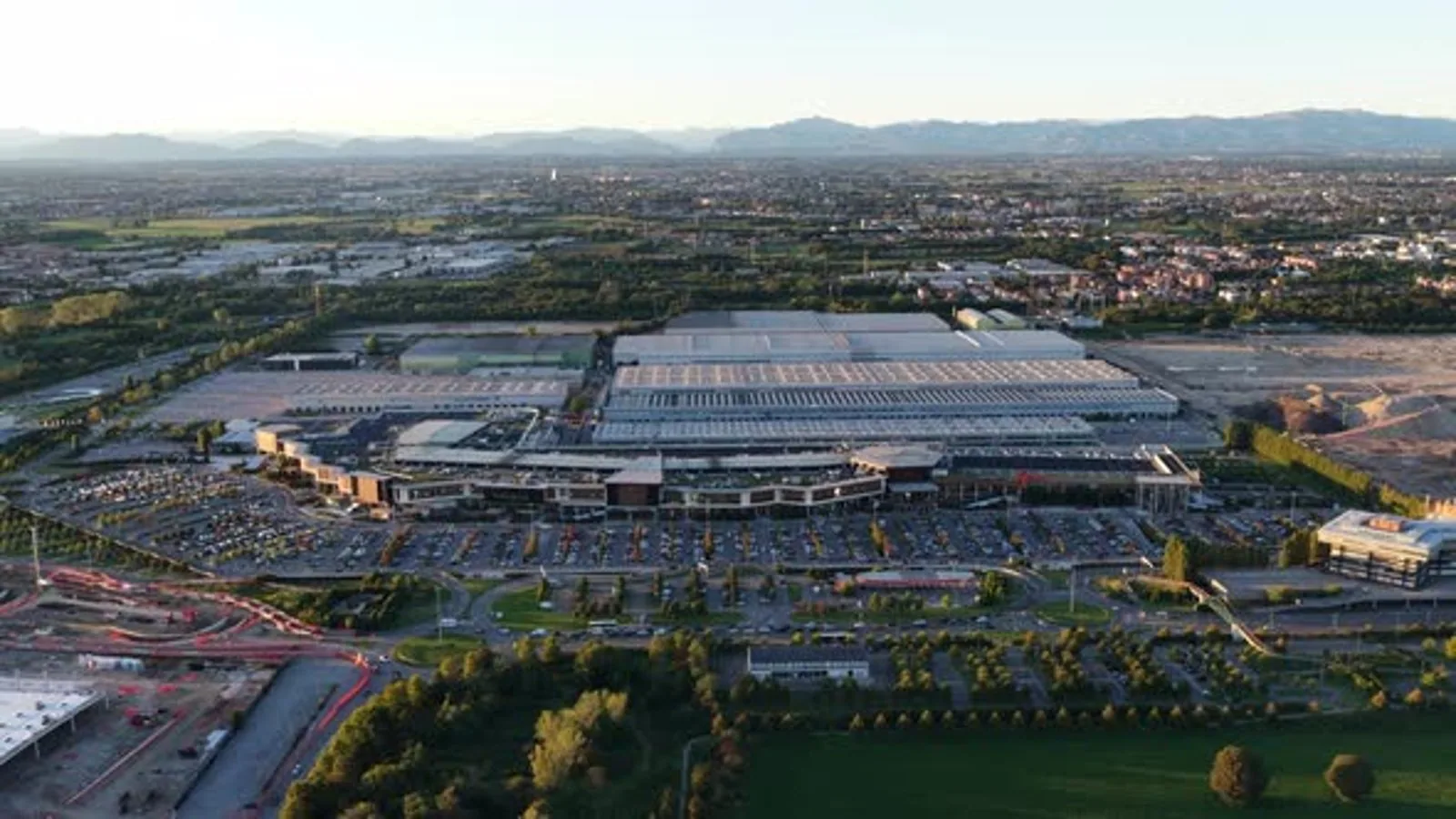
Multi-Site Roof Programs
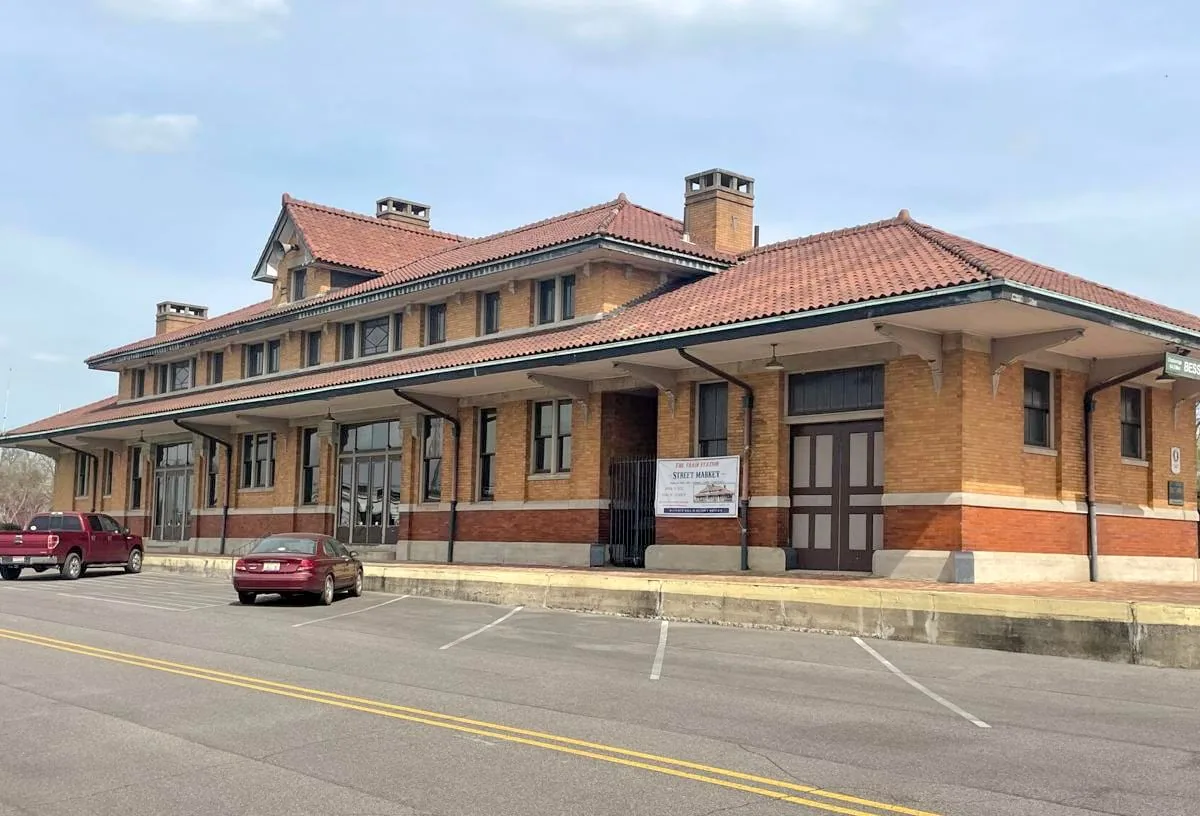
Bessemer
Emergency Leak Calls
Call for a storm walk or budget review
Call before storm season or after a storm. The walk pins down which sections come first, which tenant or landlord line each repair belongs to and which budget year it falls in.