
Calera
Commercial Roofing in Calera, AL
Calera, AL grew 41.9 percent in ten years, from 11,620 people in 2010 to 16,494 in 2020. Fast growth means new roofs and old roofs on the same street. New roofs hide defects behind a warranty. Old roofs show theirs. The smart move is to check both before a storm does it for you.
Calera also has a National Register historic downtown. Roof work there has its own rules and its own costs. We cover both below, with what each choice costs and when to do it.
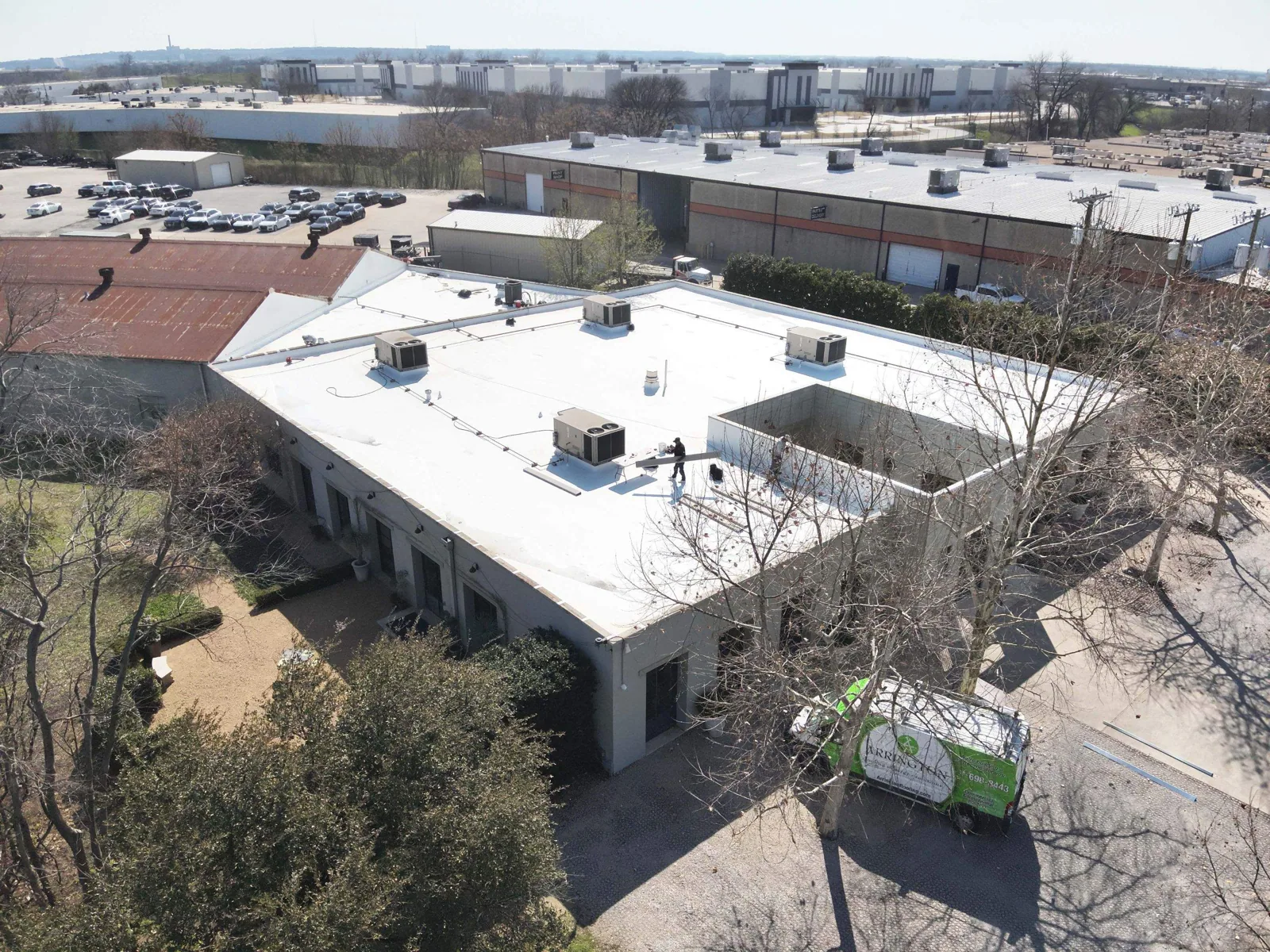
Growth on US 31 and I-65
US 31 is the main highway through Calera, and I-65 runs along its eastern side with exits 228, 231 and 234. A growing town on a main highway adds commercial roofs, and the first walk writes down what each one actually is.
New commercial roofs often come with a short list of problems. Missed flashing. Loose fasteners. Pads that were never set. Drains placed a little high. Catch them in the first year, while the builder still answers the phone. A year-one walk costs little. The same defect found in year six costs a repair and a dispute.
Photograph everything at the walk. Every curb, boot, drain and seam. Keep the photos with the warranty papers. If a leak shows up later, the photos show whether the defect was there on day one. That settles the question of who pays, and it does so without a lawyer. Ask your builder for the roof plan and the material list at the same time. Without them, a bidder in year eight has to guess what is under the sheet, and guesses show up as change orders. A one-page list of membrane, insulation, fastener and warranty terms is enough. Tenant turnover in a young commercial strip adds a second wave of roof work: a new tenant brings a new rooftop unit, a new curb and often a new kitchen exhaust, and each addition is cut into a roof that is only a few years old. We map each addition on the plan the week it goes in, so the roof file grows with the building.
Calera Downtown Historic District: old walls, new roofs
The Calera Downtown Historic District is on the National Register of Historic Places. Buildings in a historic district may face review rules for visible changes, and an older building can carry shared walls and parapets. We confirm what each one actually has. Ask the owner or the city what applies before you sign a bid.
On older buildings the leaks start at the edges. Cracked caps. Open mortar joints. Failed counterflashing where the roof meets a wall. We photograph each one and give it a number. Small repairs now cost little. Wet walls cost a lot. We price the repair and the wall damage side by side. The gap is the reason to act. A repair in fall beats a rebuild in spring.
Parapets and shared walls bring one more cost. Work on a wall shared with a neighbor needs coordination. Who pays for the cap that serves both buildings? Settle it before the work, in writing. We can mark the shared items on the plan, so the two owners can split the bill on the same page. It saves a week of phone calls.
Long-span buildings, airport side and highway side
Shelby County Airport is located in Calera, and I-65 runs along the city's eastern side. Any long-span building, whether near the airport or the interstate, catches wind and carries a big load. Wind exposure, drainage and span are the three items priced first, because they drive the cost of repairs on large buildings.
For long-span roofs, look at the edges and the fasteners first. Wind gets under loose metal and works inward. Then look at seams and drains. A big flat roof with one slow drain holds a lot of water. Photograph ponding after rain and mark it on the plan. If the same spot ponds each time, the fix is a drain or tapered insulation, not another patch.
Storm season: March, April and November
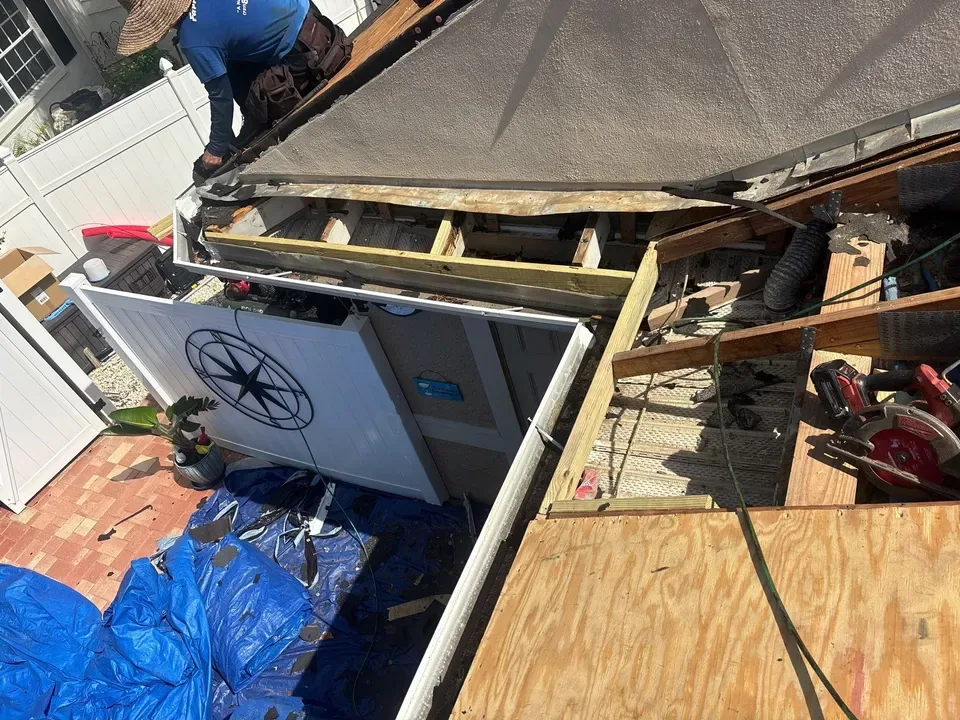
In Calera the storm picture is Dixie Alley's: the 1977 and 1998 F5 tornadoes, the April 27, 2011 EF4, a spring peak, a second round late in the year and the occasional Gulf tropical system with storm-force winds. A wind damage repair after a storm starts with securing the edges, then documenting the rest.
Plan around it. Walk your roof in January. Fix edges and leaks in February. After any storm, check the ceiling inside and the roof edge from the ground, then call us for a storm walk. Early calls get early dates.
Wind gets first look. Check coping, drip edge and rooftop units for movement. A loose unit tears its own flashing. A lifted cap lets water behind the membrane. Tighten what you can reach and photograph the rest. Dated photos before and after a storm are what an adjuster wants to see, and they take ten minutes to take.
Heat, humidity and the yearly budget
Heat and moisture wear sealants, seams and coatings every year, so budget for it every year.
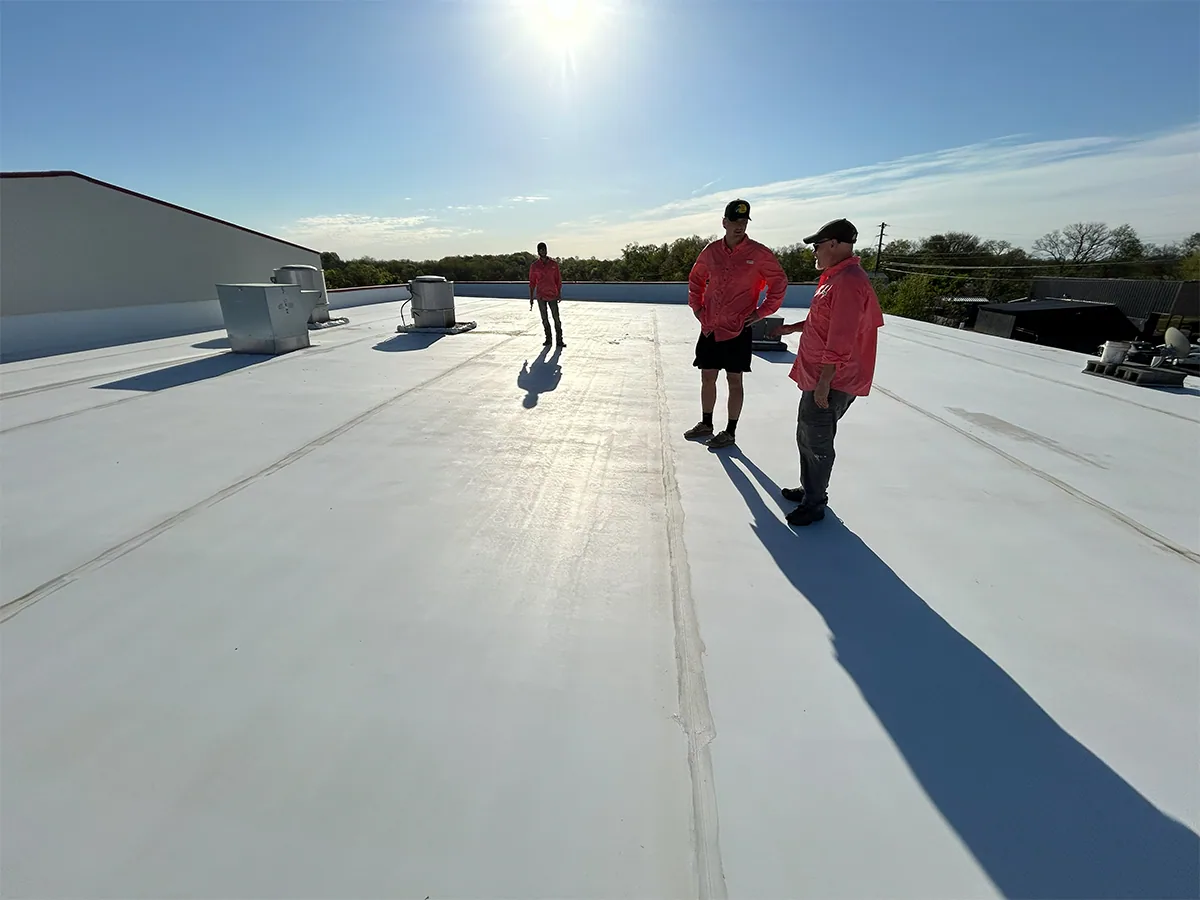
Coatings are one way to stretch a tired roof. A sound, dry roof can take a new coating and gain years at a fraction of replacement. A wet one cannot. A moisture scan tells you which you have. Scan first. Then decide. Spending on a coating over wet insulation wastes the coating and hides the problem.
A written report sets the repair-or-replace line, priced on both sides. Roofs above the line get repaired. Roofs below it go into next year's capital plan. Phased work suits a growing town: the worst roofs get this year's money, and the newer ones get a walk and a photograph set to carry forward. Owners with property in Alabaster or Montevallo can use the same format for every building they own.
More on Calera
Commercial Roofing Questions
Why check a new roof in its first year?
Builders fix defects without a fight while the warranty is young. Missed flashing, loose fasteners and high drains are common. We recommend a walk at month ten with photos. Defects found then are the builder's to fix. Defects found in year six are usually yours, and the repair bill lands on your budget.
What changes when a building is in a historic district?
Visible work may need review, and older walls need careful tie-in repair. We recommend asking the city what applies before you sign a bid. We list visible and hidden items separately so your submission is clean and the price does not change after the review comes back.
How do I handle ponding on a large flat roof?
Mark the pond after rain and photograph it. If it stays more than a day, record the depth. We recommend sending us the photos. A pond in the same spot every time needs a drain or tapered insulation. Another patch only delays the real fix and adds to the bill.
When should a Calera owner book roof work?
Book in the first two months of the year, which leaves room to fix edges and leaks ahead of March, since the best crew dates vanish after the first storm.
What does a repair-or-replace line mean in practice?
It is the point where repairs stop paying off. We recommend a written report that puts a price on each side of it. Above the line, you repair. Below it, you plan replacement. The report lets your finance office approve the right amount at the right time.
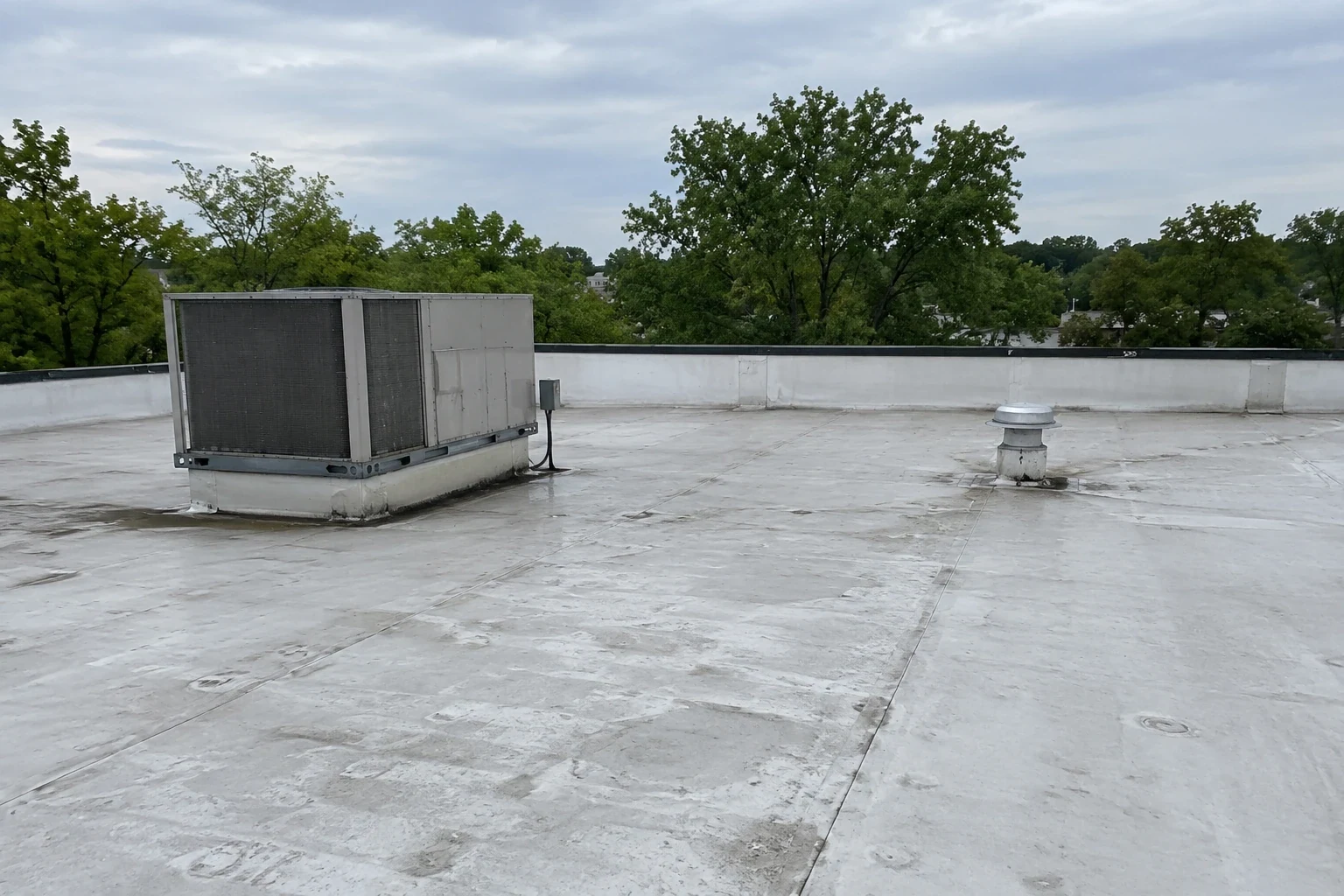
Related Roofing Work
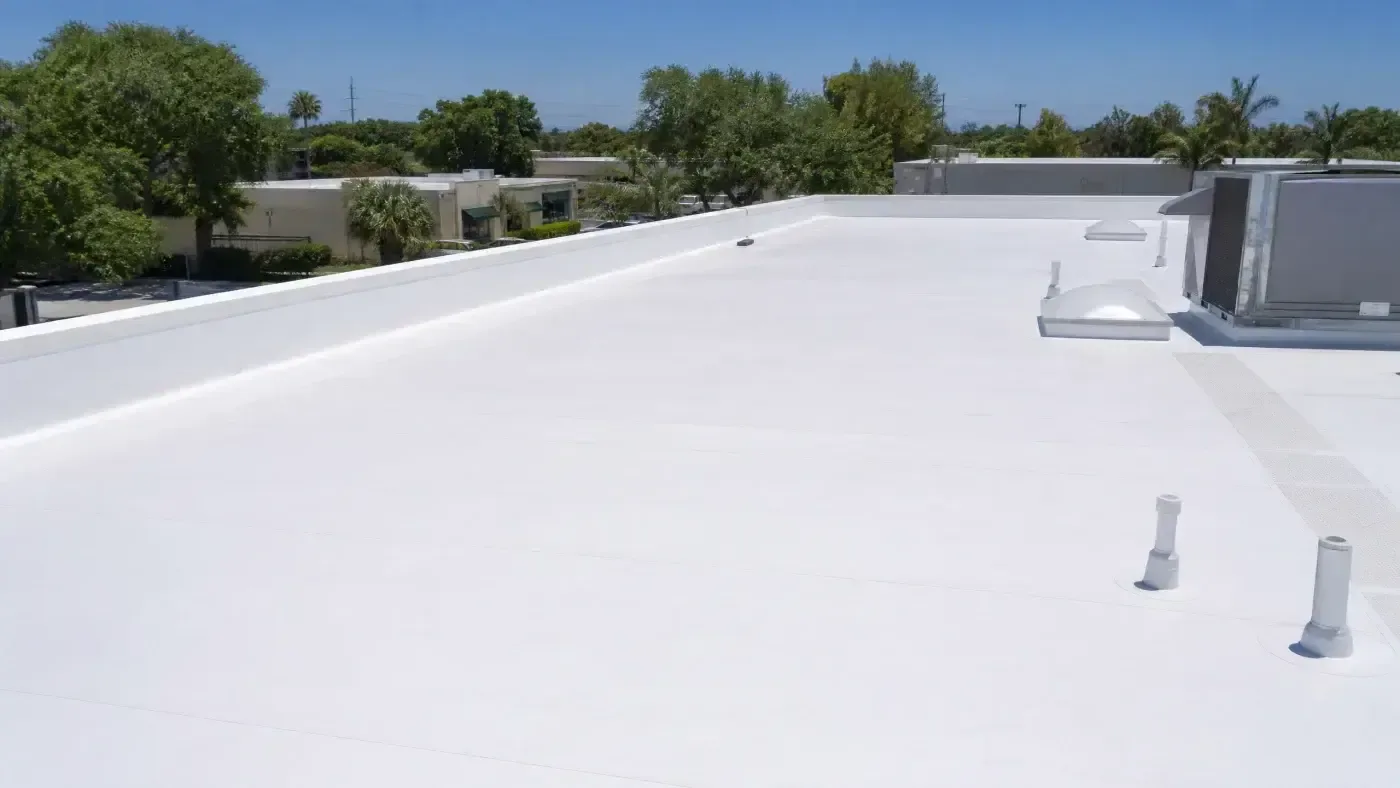
Commercial Roof Repair
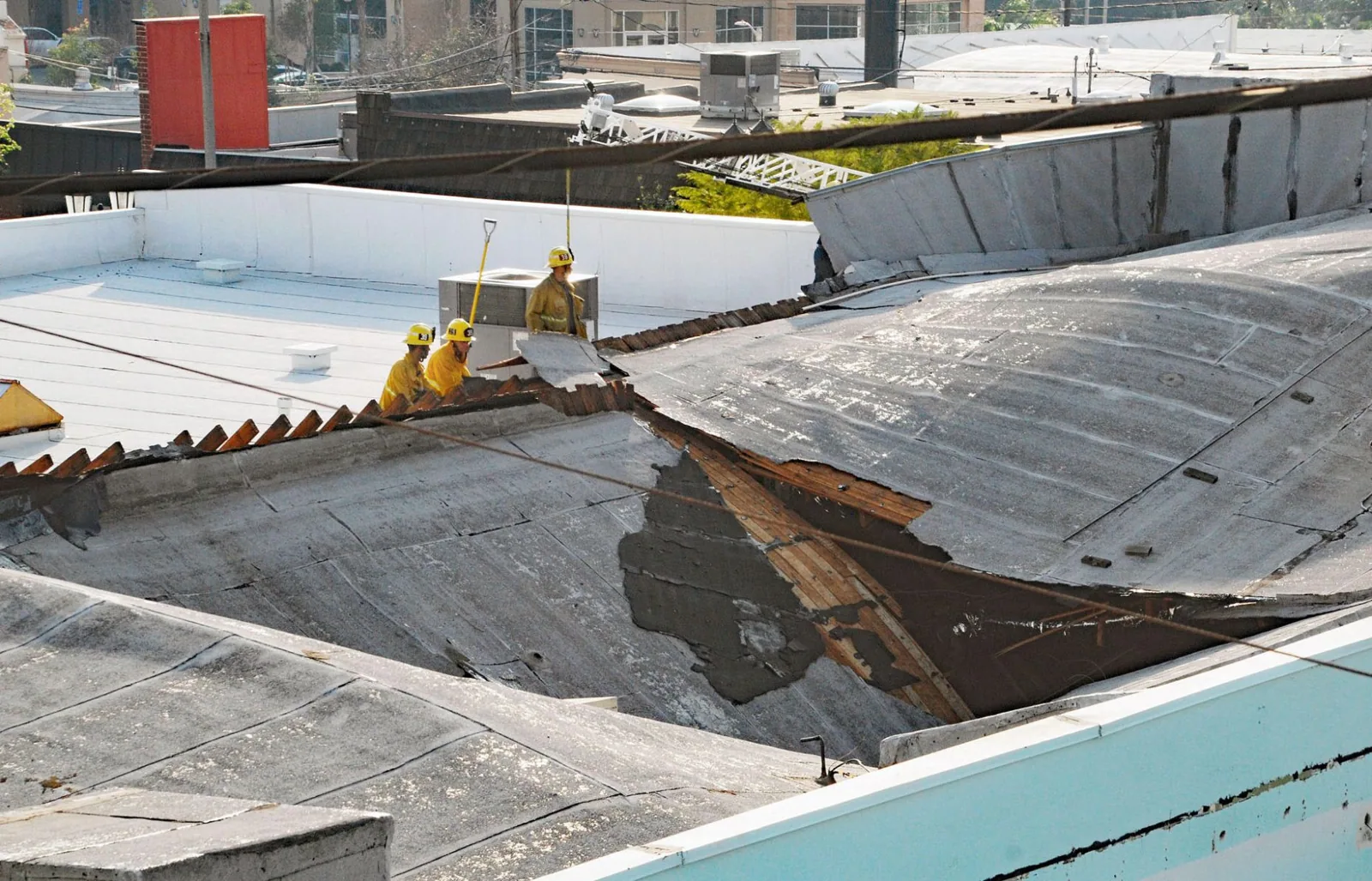
Wind Damage Roof Repair
Storm Damage Roof Repair
Roof Coating Restoration
Emergency Leak Calls
Call for a storm walk or budget review
Call in January or right after the next storm. The walk pins down your flashing condition, your ponding lines and your repair-or-replace line. You get a written report with a price on each item.