
Real Estate Investors and REITs
Roofing for Real Estate Investors and REITs in Hoover, AL
A roof that fails in the second year of a five-year hold costs more than the same roof in year five. That is the timing fact an investor in the Hoover, AL market lives with. Spring storm season arrives every year, and it does not wait for the business plan. Owners, investors and REITs get their low-slope and metal roofs inspected, repaired, recovered or replaced, with findings an asset manager can drop into a model.
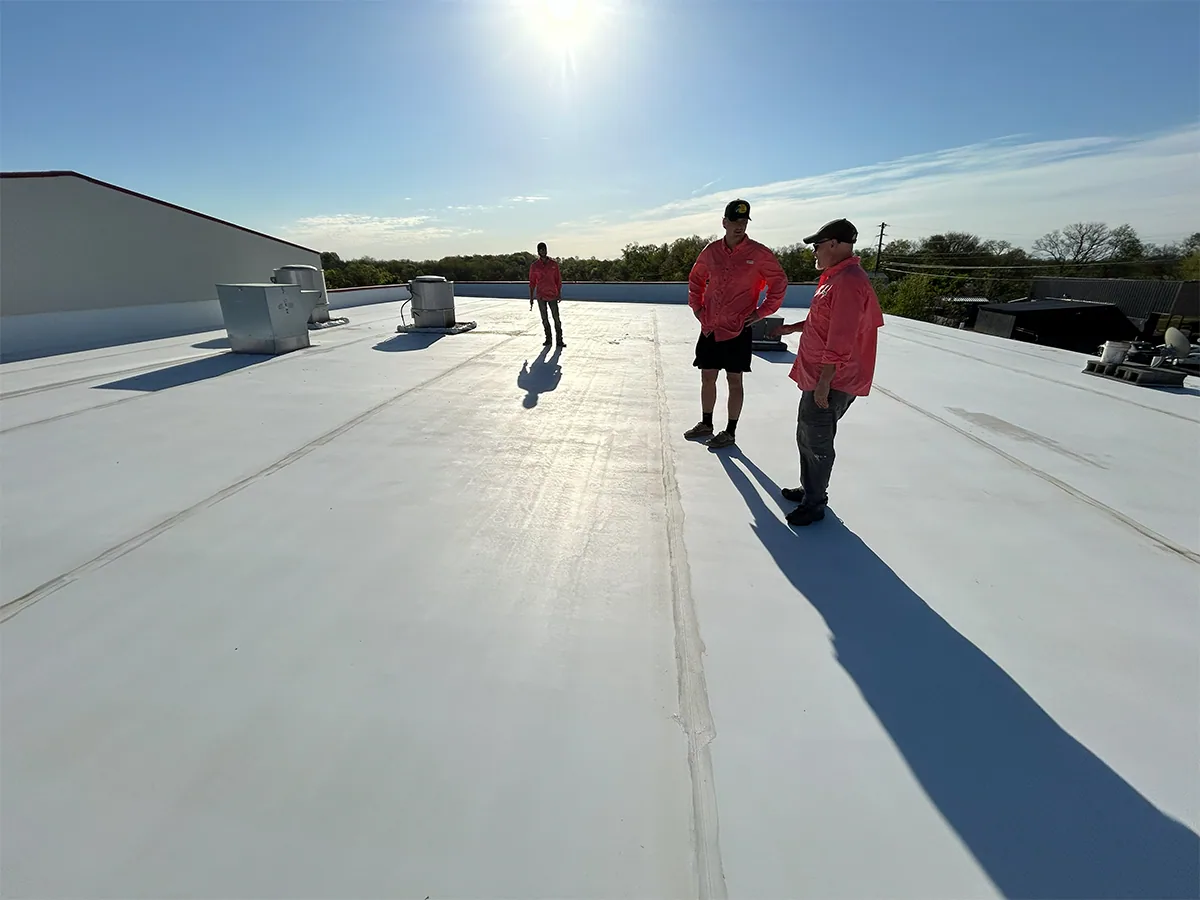
The issue: the roof is a line in the model
An investor sees a roof as a capital line and an exit risk. A buyer will ask about the roof at sale. A lender will ask at refinance. An insurer will ask at renewal.
So the roof needs a record. It needs an age, a system, a last inspection date, a list of repairs and a replacement window. It needs a plain statement of what is leaking now and what will fail next.
We write that statement. We keep the finding separate from the estimate. The asset manager decides how to model it. We just make sure the field facts are right.
Hold periods change the right answer. A three-year flip wants a roof that does not leak and does not need replacing before sale. A ten-year hold wants a roof that fits the full term. A value-add plan wants the roof folded into the renovation budget. We ask which one applies before we recommend a path. A plan for hospitality groups follows the same logic with a brand renovation cycle layered on top.
What we find: surprises that hit returns
The expensive surprises are few. Wet insulation under a roof that looks fine. Repeated repairs at one detail. A deck that has rusted at the drains. A warranty that lapsed after an uncleared notice. Drainage that holds water for days.
The walk covers seams, wall flashing and drains and scuppers, and a moisture scan and confirming cores locate wet insulation, with photos and numbers filed on the plan.
Rain and humidity here, plus long hot summers, work on membranes all season.
Roof age is not roof condition. A ten-year-old roof with poor drainage can be worse than a twenty-year-old roof that sheds water well. A seller's leak log is worth reading closely. A run of repairs at the same wall or the same curb tells a buyer where the next dollar goes, and a gap in the log after a known storm raises its own question. We note both in the report, because repeated fixes at one detail often point to a flashing or drainage cause that another patch will not cure. We rate by observed condition. We record the age as one input and the moisture, seams, flashing and drainage as the others.
Acquisitions: a survey before the clock runs out
Due diligence windows are short. A roof survey has to fit them. A due diligence roof survey gives a buyer a dated record of condition, a list of immediate repairs and a range for remaining service life. Moisture scans and cores come with it where the window allows.
The report separates three things. What is leaking now. What will fail inside the hold period. What belongs in the capital plan after that. A buyer can use that split to price a credit, require a repair before closing or set a reserve.
Start the survey early. Ordering in the last week leaves no room to price repairs.
Documents matter as much as the walk. We ask for the installation record, any warranty, past invoices and leak history. Missing documents are a finding too. A buyer who cannot find the warranty should assume there is none, and price the roof that way.
Access can be a limit. Some sellers restrict roof access or time. We plan the walk to fit and state what we could not reach, so the buyer knows how complete the picture is.
Storm season: portfolio exposure
Portfolio risk in the metro has a name: Dixie Alley. Its record runs from the 1977 and 1998 F5 storms through the 2011 EF4 and the softball-size hail of April 2003, and the storm calendar peaks in March, April and November.
An investor with several buildings in the metro carries correlated risk. One storm can reach many roofs. A baseline for every building should be on file before the season, and the worst-hit are walked first afterward. Storm damage repair then sorts storm damage from older wear, which matters for every claim file.
Insurance language matters here. Policies treat wind and hail damage differently from wear and tear. A dated baseline and a written comparison after the storm help an adjuster sort one from the other. Keep the photos with the loss file, and keep the invoices with them.
What it costs: capex now or later
The numbers come from roof area, penetrations, wet insulation, deck condition and phasing. Repairs are cheapest, a section replacement ends repeat calls for more money, and a full replacement is the largest cost and gives a fresh start.
The timing question is what an investor cares about. Repair now and defer replacement. Replace now and sell with a fresh roof. Or hold and let a buyer discount for it. We price each path on the same basis, with the repair-or-replace line in writing, so the model can use real numbers.
Replacement insulation is checked against ASHRAE 90.1-2013, and any added thickness is its own line in the estimate.
Price tracks timing: crews and materials are scarce right after a big storm, a winter booking meets a quieter market and a March repair costs less than the May version once another damp season has passed.
More on Real Estate Investors and REITs
Budget year: records lenders and buyers accept
A roof capital planning list ranks buildings by condition and consequence, with a replacement window as a range, and roof warranty management tracks notice dates and maintenance duties so coverage is not lost by neglect.
Birmingham is home to the headquarters of Regions Financial, Protective Life and ProAssurance, among others, and Hoover's office parks hold large corporate tenants. An investor with office stock in Riverchase or downtown Birmingham can hold both in the same register. Property managers who run those buildings may prefer the manager view of the same record.
Commercial Roofing Questions
How early should a buyer order a roof survey?
As early in the diligence window as possible. A survey with moisture scans and cores takes time, and a buyer needs room to price repairs before closing. We give you a first read quickly and the full report after the field work.
How do you handle a roof near the end of its life at acquisition?
We give the range of remaining life, the repair list for the hold period and a replacement price on the same basis. The buyer can then set a credit or a reserve with numbers in hand.
What records does a lender want?
Usually the age and system of each roof, the last inspection, the repair history and any warranty. A dated survey with photos answers most of it in one file.
Does a fresh roof help at sale?
It can remove a discount and a negotiation. We document what was installed and the warranty terms, so a buyer sees the roof as a closed item.
What if a storm hits several buildings at once?
We tarp and dry the worst first, then walk the rest against the baseline and write one report for the portfolio. You get a ranked list and a scope per building.
Related Roofing Work
Hotel Owners and Hospitality Groups
Due Diligence Roof Surveys
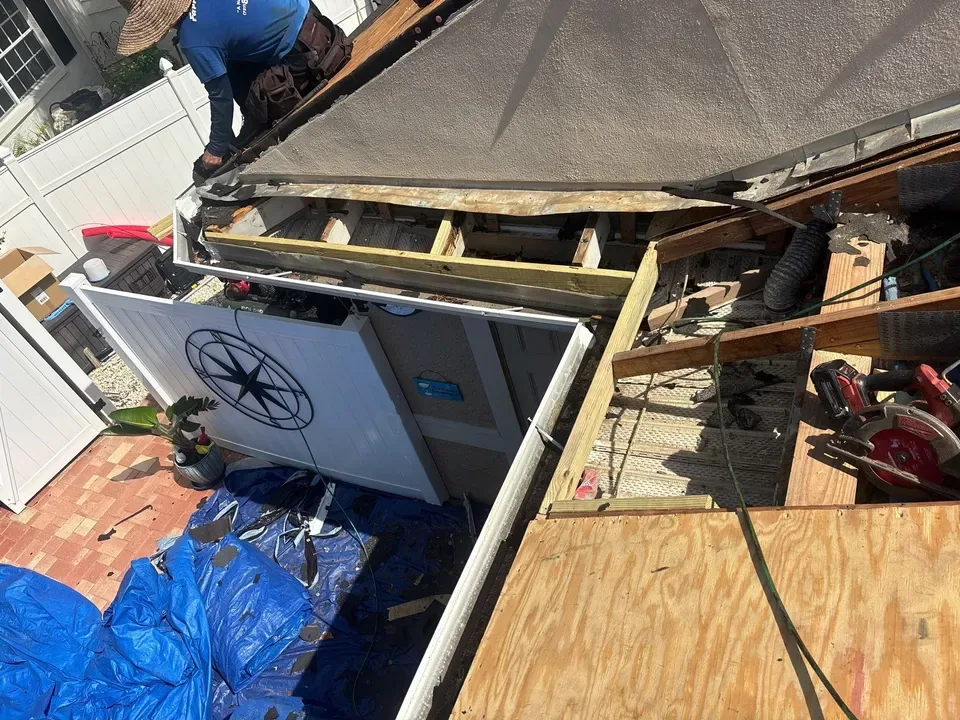
Storm Damage Roof Repair
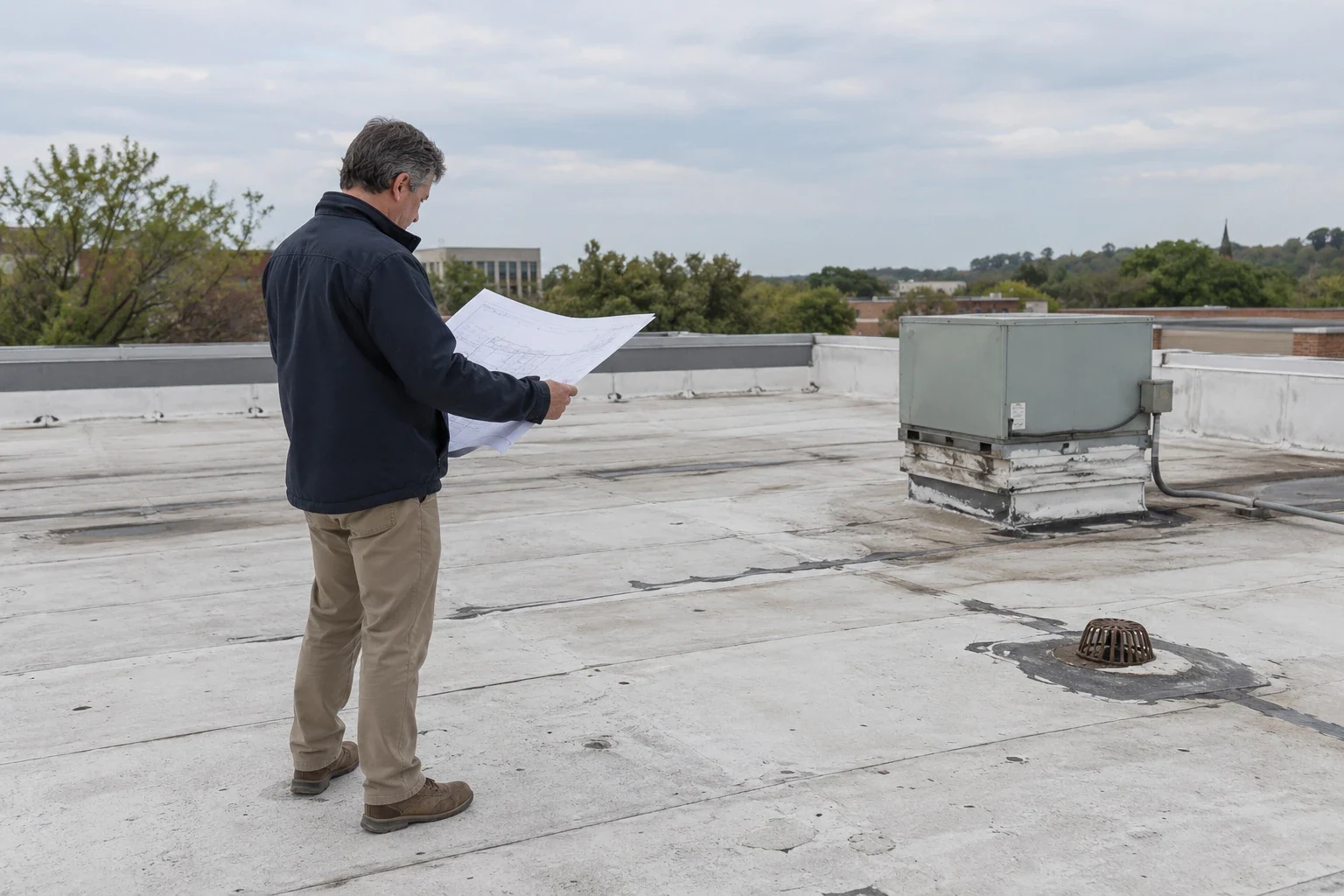
Roof Capital Planning
Emergency Leak Calls
Call for a storm walk or budget review
Call ahead of an acquisition or before storm season. The visit pins down the repair-or-replace line for each building and the budget year each item belongs in.