
Highway 150 Corridor
Commercial Roofing in Highway 150 Corridor, Hoover, AL
A roof along SR 150 has a long way to drain. State Route 150 runs east-west from the center of Hoover to the west side. Patton Creek, a shopping area, sits on it. Off SR 150 near I-459 Exit 10 sits the Hoover Met complex. A wide commercial roof sheds water to a few drains. If one clogs, a pond forms in minutes. So the first thing we do on the corridor is walk the drain lines. Then we check the edges and the seams. Then we put a price beside each finding.
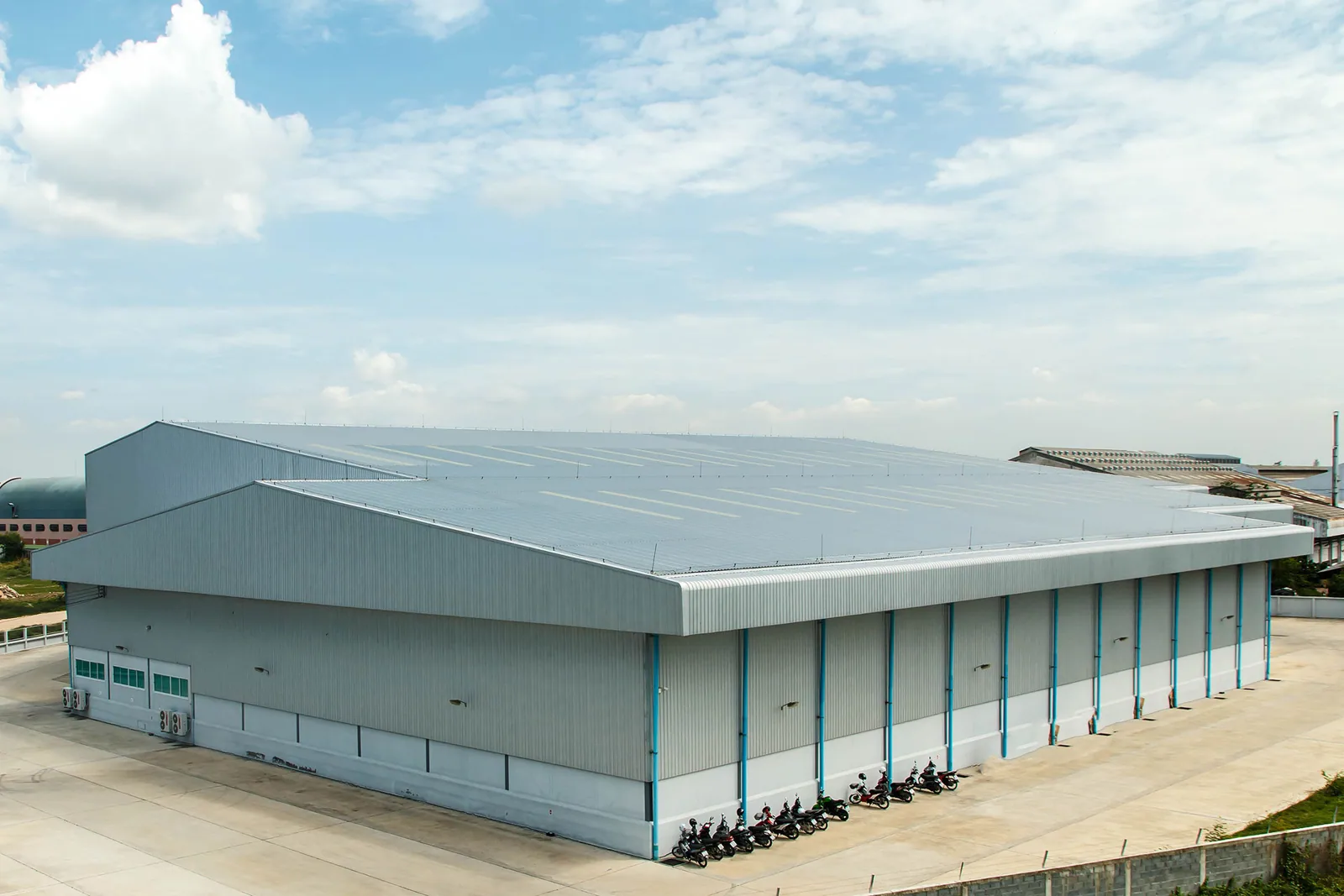
Drains: where wide roofs fail first
Wide roofs concentrate water. A drain serves a large area. When leaves, silt or granules clog the strainer, the whole zone ponds. Standing water adds weight and finds small defects.
On each visit we do the same checks:
- Clear the strainer and the sump.
- Run water in and watch the flow.
- Measure standing water after rain.
- Look for stain rings and algae bands.
- Check the overflow scupper, if there is one.
A roof with no overflow has one exit. If it clogs, the roof loads up. An overflow scupper gives the water a second path. It is a small job on a parapet roof. It protects the roof in a heavy storm.
Retail: tenants, curbs and shared walls
The corridor includes shopping areas, so shared roofs are common. A shared roof means shared leaks. We map the roof by tenant and number each curb and unit. The lease decides who pays. A clear record keeps the repair moving.
For a shopping center roof, we check parapets, wall terminations, rooftop units and the seams between them. Open flashing at a wall is the most common entry. We re-seat the counterflashing and rebuild the corner. We probe seams near drains, since water collects there. Each repair gets a photo and a plan number. We also look at what sits on the roof: antennas, signs and satellite dishes mounted on the membrane. A mount fastened through the sheet is a leak waiting. We re-flash each one or move it to a curb, and we note it on the plan so the next sign contractor sees it.
Hail and wind: checks after the storm
The weather service tallied 29 days with hail over three-quarters of an inch in 2003, and the April 25 storm dropped stones as big as softballs on central Alabama. Membranes bruise, asphalt roofs shed granules and single-ply sheets can crack at the point of impact.
After a storm, we walk the roof within days. We look for dents in metal, bare spots and soft spots. We map every hit. Hail damage repair starts with that map. You get a count and a price for each. The map also supports the claim.
Wind comes first at the edges. Tornadoes in 1977, 1998 and 2011 show what the region can produce. We check edge metal and corners before every spring.
Recreation buildings: big spaces, plain rules
The corridor also carries recreation space. The Hoover Met complex includes the Finley Center, an indoor multi-sport facility, along with outdoor fields and sixteen tennis courts. A large recreation building follows the same rules as any wide roof along the corridor: find the roof system, check the drains, check the edges and the penetrations.
Indoor sports space has one special concern. A leak over a floor or a court costs events. So the plan puts dry-in first and schedules permanent work for quiet weeks. Owners with sports and recreation buildings can ask for a seasonal calendar. We build it around events, not around our crew. Lifts and bins go to the back of the building, away from crowds and parking. Work stops when events begin. The roof is closed by then, because the day's section was planned to dry in before the first game.
Cost: what moves the price on a wide roof
Five things set the price. Area comes first. Then the count of drains, curbs and penetrations. Then wet insulation, found by scan and core cut. Then edge length and wall height. Then access: a lift, a crane or tenant hours.
A wide roof can hide a lot of cost in the field. If a pond has sat on a section for years, the insulation below may be wet across a large area. A scan finds it. The scan costs little compared with a tear-off that surprises the budget. We run it first on any roof with ponding.
We write each cost on its own line with a month beside it. Repairs that stop water entry go first. Items that can wait a year are marked as such. You approve in steps. That keeps cash flow smooth and the roof dry.
More on Highway 150 Corridor
Along the route: Riverchase and Bessemer
SR 150 connects Bessemer with Hoover. That stadium is about three miles from the Riverchase Galleria. An owner with roofs along this route and several buildings benefits from a single report format. We rank by leaks first, then wet insulation, then age. The top roof gets the first dollars.
Roofs in Riverchase and in Bessemer follow the same ranking. At the other end of SR 150, Bessemer has a U.S. Pipe ductile pipe plant as well as an Amazon fulfillment center of 800,000 square feet. Roofs on distribution and industrial buildings get the same drain and edge checks.
Budget year: what to do and when
Walk the roof in February. Fix open seams, loose metal and split boots before March. Clear drains. Check again after storms. Decide by condition: dry insulation and local damage get repairs, and wet insulation across large areas means replacement.
We scan with infrared and cut a few cores to draw the line. Then we price each option on one page. Two visits a year under a preventive maintenance plan keep the February walk on the calendar.
Commercial Roofing Questions
Why do wide roofs pond so fast?
A few drains serve a large area. When one clogs, water has no second exit. Standing water adds weight and finds small defects. We clear drains on each visit, measure ponds after rain and add an overflow scupper where there is none. Call for a storm walk and we will mark every drain on the plan.
When should a roof be checked after hail?
Within a few days, while the marks are fresh. Claim clocks start on the storm date. We walk the roof, map every hit and quote a count with a price. Waiting through spring can bury the evidence under new damage.
Who pays for a leak in a shared retail roof?
The lease decides. We map the roof by tenant, number each curb and unit and record who each serves. The record shows where the leak started and who is responsible. Repairs proceed while the paperwork moves.
Is an overflow scupper worth adding?
On a parapet roof with one drain path, yes. It gives water a second exit if a drain clogs. It is a small job compared with the damage a loaded roof can take. We include it as its own line in the quote.
How do you schedule work around events at a recreation building?
We build a calendar around the event schedule. Dry-in goes first after a leak. Permanent work goes into quiet weeks. We share dates with the manager in writing.
When is the best time to do roof repairs?
Before March. Spring storms find open seams fast. Book the walk for February so repairs land before the storms. Fall before November's storm season is a second window.
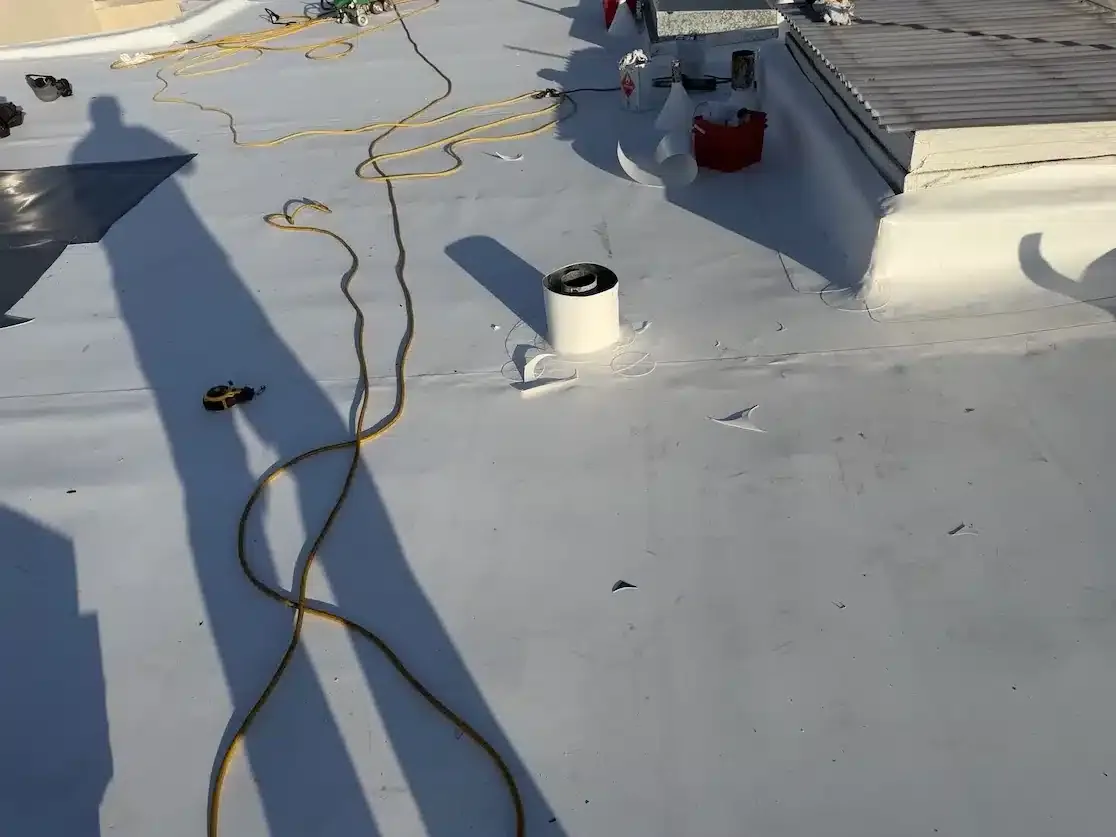
Related Roofing Work
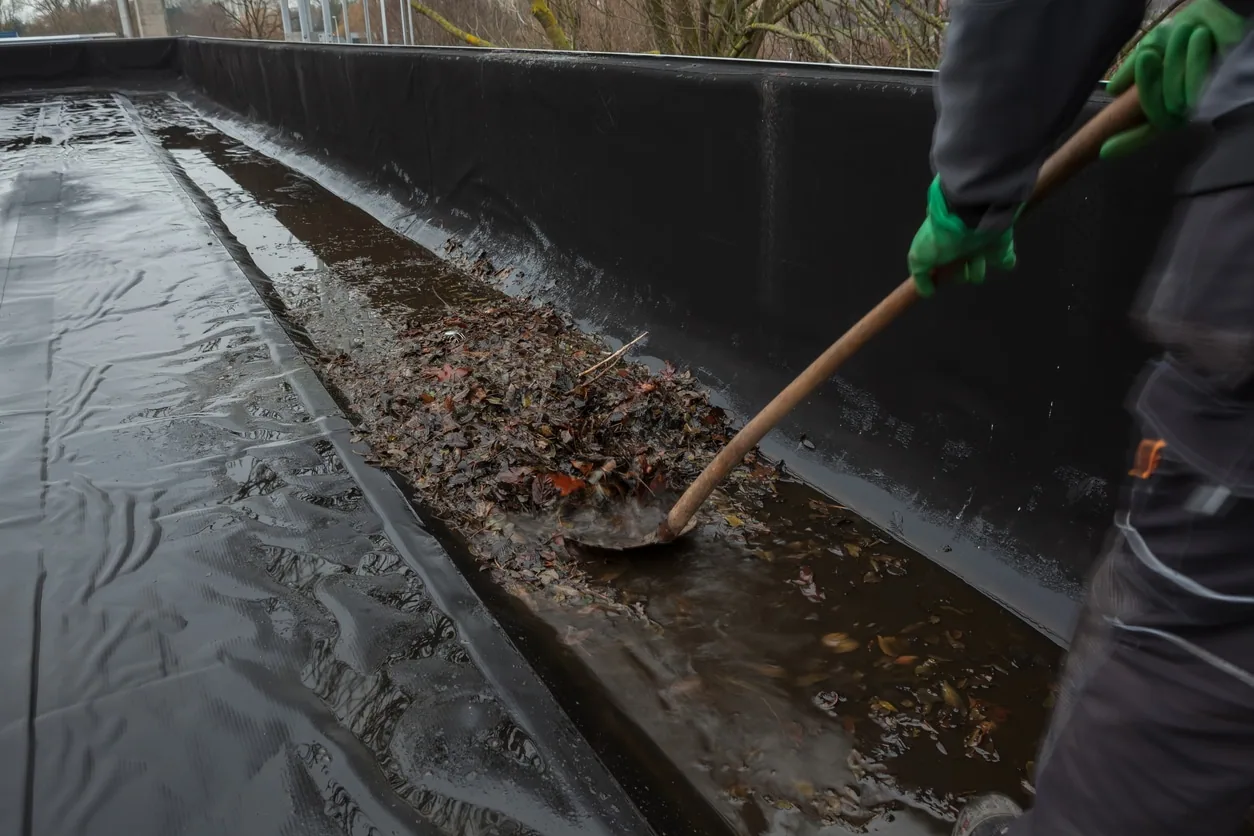
Roof Drains and Scuppers
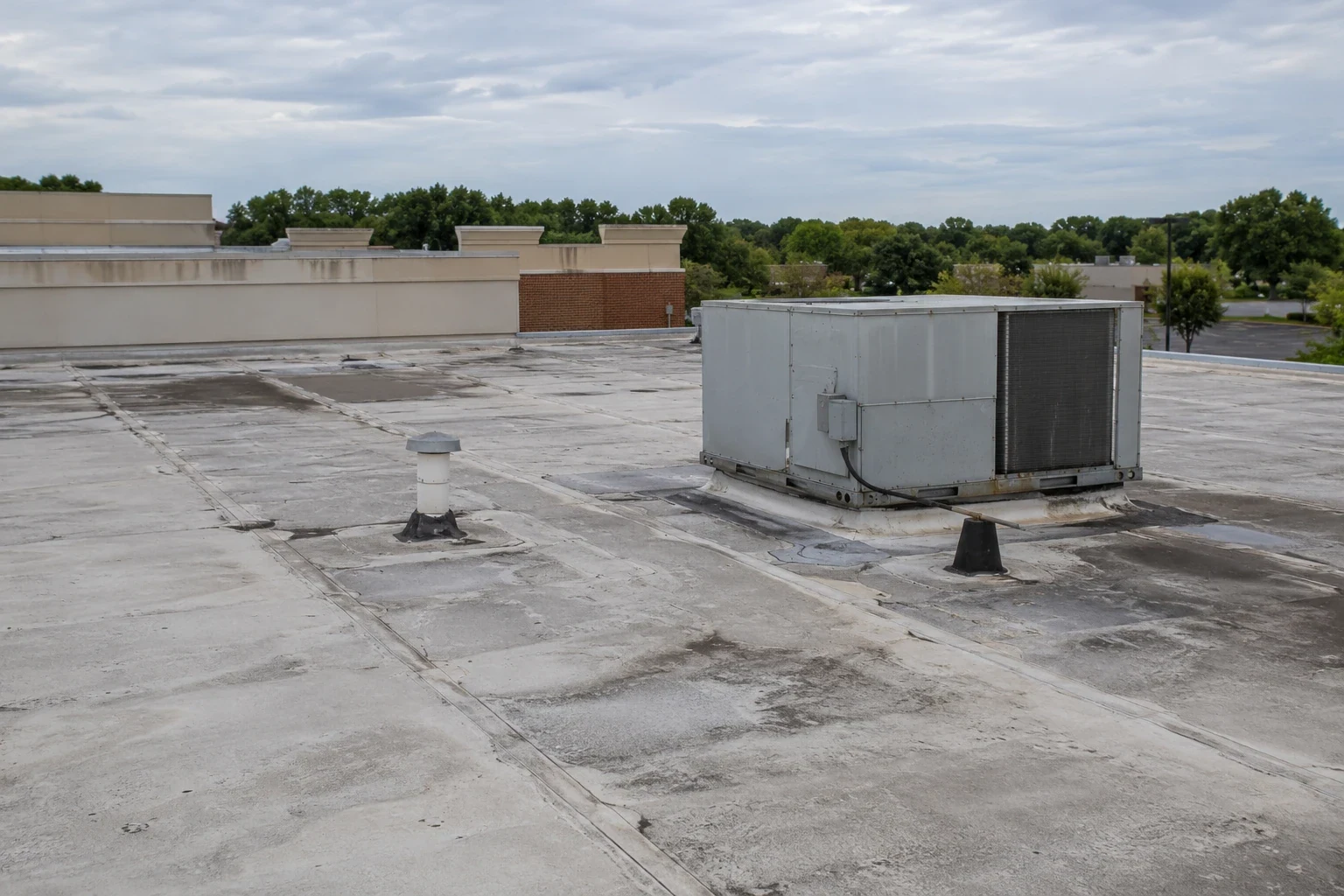
Shopping Center Roofing
Hail Damage Roof Repair

Riverchase
Emergency Leak Calls
Call for a storm walk or a budget review
We will walk the drain lines, edges and seams and put a price on each item. The visit names the drains to fix first and the month each repair belongs in.