
Inverness
Commercial Roofing in Inverness, Hoover, AL
A first roof question on US 280 is grease. The corridor through Inverness includes many restaurants and shopping centers. A restaurant roof collects fan grease, drips from refrigeration lines and heavy foot traffic from service techs. A strip center roof shares curbs, drains and walls among tenants. Both need a walk and a price list. We start at the exhaust fans and the drains. Then we trace each ceiling stain back to the roof. Every finding gets a photo, a plan number and a price.
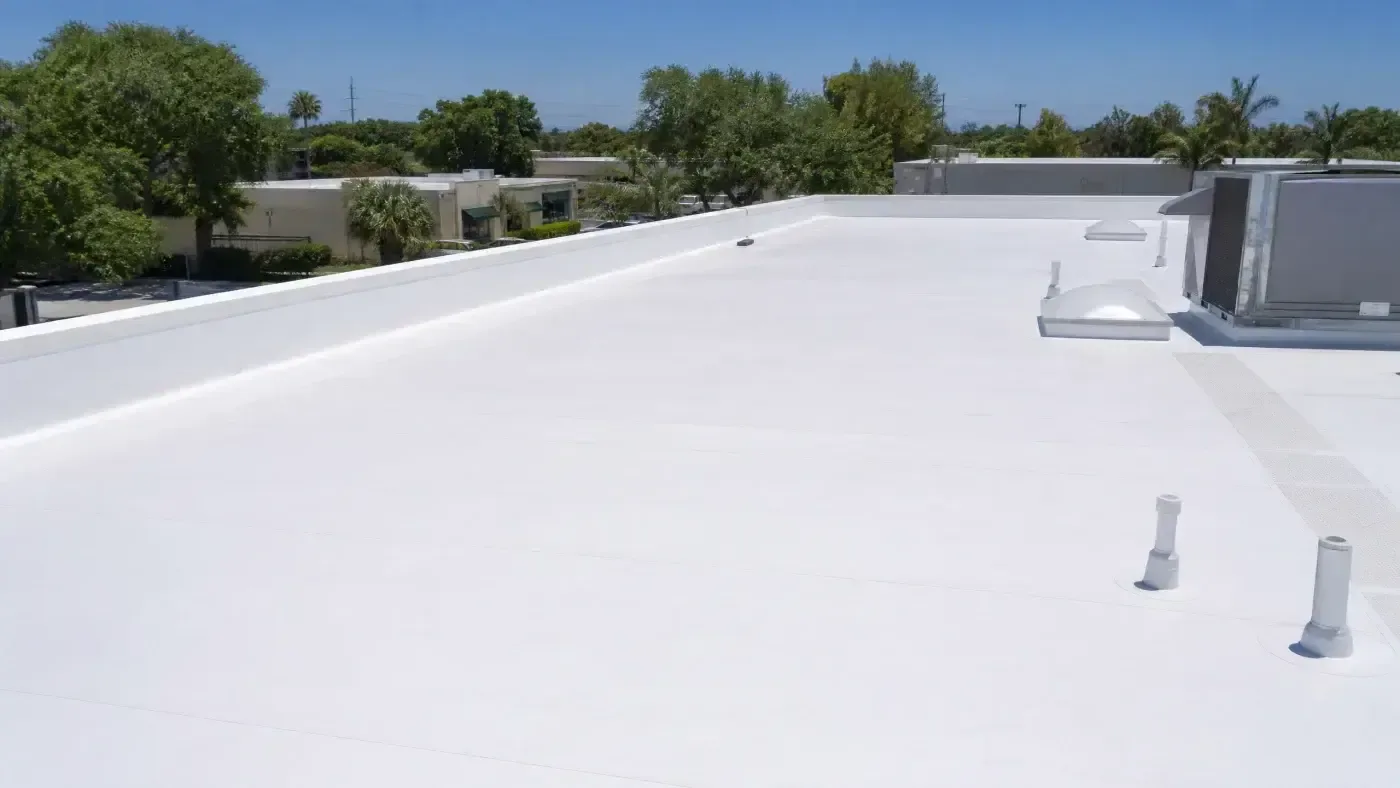
Restaurants: grease, heat and traffic
Kitchen exhaust leaves a film on the roof. Many membranes soften or swell under oil. The sheet near a fan outlet may feel tacky. A pool of grease can hide a failing seam.
On a restaurant roof, we check:
- Grease trays at each fan, and whether they are emptied.
- Soft or tacky patches around outlets.
- Walk routes from the hatch to the units.
- Pipe boots on refrigeration and gas lines.
- Drains near the kitchen wall.
Repairs include a grease-resistant patch, a larger tray and walk pads. Walk pads move the wear off the sheet. A tray costs little. A leak over a dining room costs a lot.
Shopping centers: shared roofs, shared repairs
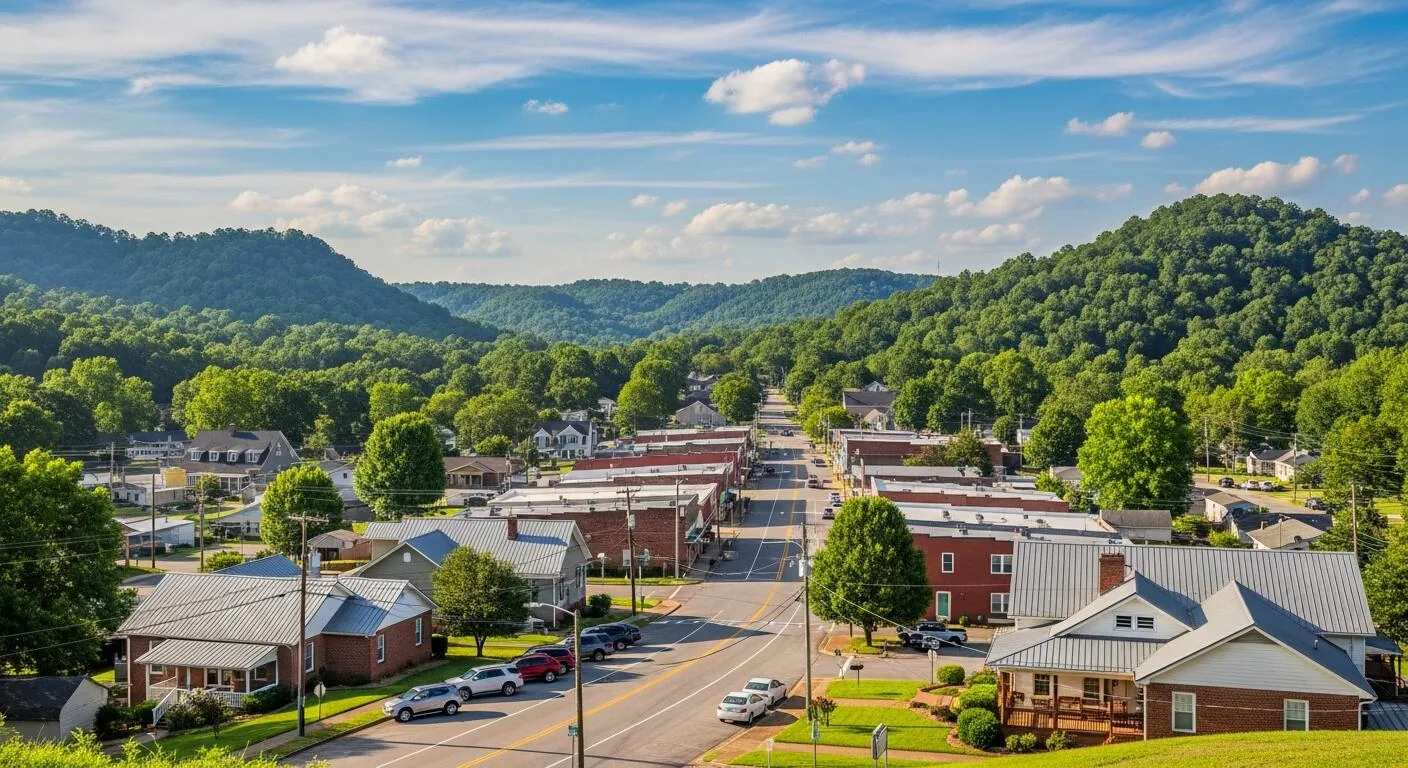
US 280 meets Valleydale Road at a major intersection in Inverness. Shopping centers line the corridor. A shared roof means shared water. A leak in one suite may start over another.
So we map the roof by tenant. Each unit and curb gets a number. We record which tenant each one serves. The lease usually decides who pays for what. A clear record keeps repair bills from stalling. It also shortens the call: we know which suite to enter first.
Drains matter in long roofs. Water has a long way to travel. A blocked scupper turns a rain into a pond. We clear drains and scuppers on each visit and photograph them. Then we measure any ponding after the next rain. If a pond stays more than a day or two, we look at the drain height and the deck. A lower sump or a tapered insulation saddle usually fixes it, and the repair costs far less than the wet insulation a pond leaves behind.
Hours and access: working around the lunch rush
A restaurant has a rhythm. Prep starts early, lunch is busy, and dinner runs late. A roof crew has to fit into the gaps. We ask for the quiet hours and plan tear-off, fastening and equipment work inside them. Hot work and fumes are kept away from fresh-air intakes, or the intakes are covered for the shift.
Shopping centers have their own clock. Deliveries come early. Customers park near the entrance. We stage lifts and bins at the back, fence the work zone and protect cars from falling debris. Sections stay small, so each is dried in before the doors open. A written schedule goes to each tenant with the dates over their space. That plan costs nothing and prevents most of the complaints.
Emergency calls follow the same rule in a faster form: dry-in first, document the entry point, then plan the permanent repair for a quiet window. Keep a phone number and the hatch key location posted at each tenant space, so a crew arriving at night does not lose an hour.
Permits: which office reviews the work
Inverness is a neighborhood within Hoover. It sits mostly inside city limits, with some parts in unincorporated Shelby County. That matters for permits. The city and the county can have different offices and different forms.
So the first step is the address. We confirm which jurisdiction reviews the work before we price it. Alabama's current code is the 2021 IBC, and parts of the 2024 edition were added in 2025. Replacement jobs can raise insulation and wind questions. We list the code items on the quote as their own lines. That way a reviewer can check them, and you can see what the code adds to the price. If the reviewer asks for a change, the price follows that one line and not the whole job.
Storm record: the 1994 tornado and spring season
On March 27, 1994, an F2 tornado hit business buildings in Inverness, Pelham, Helena and Indian Springs. The metro's list also holds two F5 storms (1977 and 1998) and an EF4 from April 27, 2011. Spring brings the main storm season, and November brings a second.
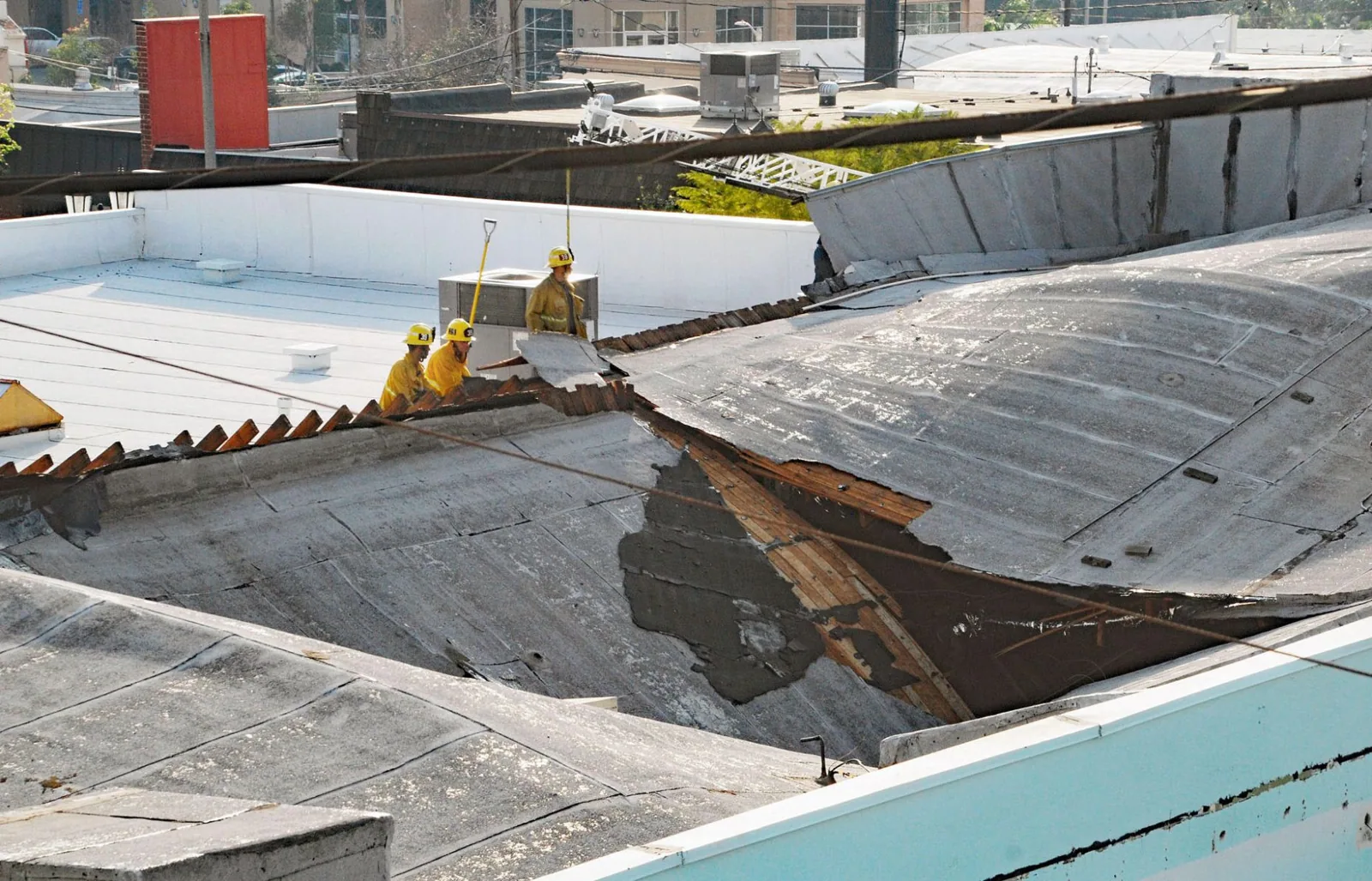
For commercial roofs, that history sets the calendar. Walk the roof in February. Fix loose edge metal and open seams before March. Check again after any storm. A tornado damage repair after a direct hit starts with safety and dry-in. A wind damage repair after a lesser blow starts at the edges.
More on Inverness
Heat and humidity: the wear you can budget
Heat and humidity wear on seams, sealant and flashings. They are steady, not sudden. So the cost is predictable.
We budget it by year. Reseal flashings this winter. Replace split boots. Weld or splice open seams. Those items cost little each. Together they keep the insulation dry, and that is what protects the roof's remaining life. We write each item with a month beside it, so the winter list is done before the spring list starts. Wet insulation is the big line. It is the reason we scan with infrared when a surface looks fine but a ceiling stain says otherwise.
Budget year: what goes first
Rank the work. Active leaks first. Then wet insulation. Then loose edges and open seams. Then age. For owners with sites along US 280 and in Riverchase, one report format covers all buildings. The top building gets the first dollars. The rest wait their turn. Owners near the Highway 150 corridor use the same ranking. We write the order on one page, with a price beside each choice.
Commercial Roofing Questions
Why does grease matter on a restaurant roof?
Kitchen exhaust leaves oil on the sheet near fans. Many membranes soften or swell under oil, and a failing seam can hide under a stain. We check trays, look for tacky patches, clean the area and add walk pads. A storm walk marks every grease zone on the plan.
Which office reviews a roof permit in Inverness?
It depends on the address. Inverness is mostly inside Hoover city limits, with some parts in unincorporated Shelby County. We confirm the jurisdiction before pricing. Then we list code items such as insulation and wind attachment as separate lines for the reviewer.
How do you handle a shared roof over several tenants?
We map the roof by tenant, number every curb and unit and record who each serves. That shows where a leak starts and who pays. Repairs go ahead while the paperwork moves. The record also helps at lease renewals.
Should I repair a roof or replace it?
Check the insulation. Dry insulation and local damage favor repair. An aged sheet over dry insulation may take a recover. Wet insulation across large areas favors replacement. We scan and cut cores, then price all three on one page.
When is the best time to fix a flat roof?
Before March, ahead of spring storms. Winter to early spring is often best for larger jobs. Rain-free summer weeks also work, with shorter days. Fall before November's storm season is another window.
What does the 1994 tornado mean for a roof today?
It shows the area has seen damaging wind. We check edge metal, fasteners and corners with that in mind, and add attachment where exposure calls for it. After any storm, we walk the perimeter first.
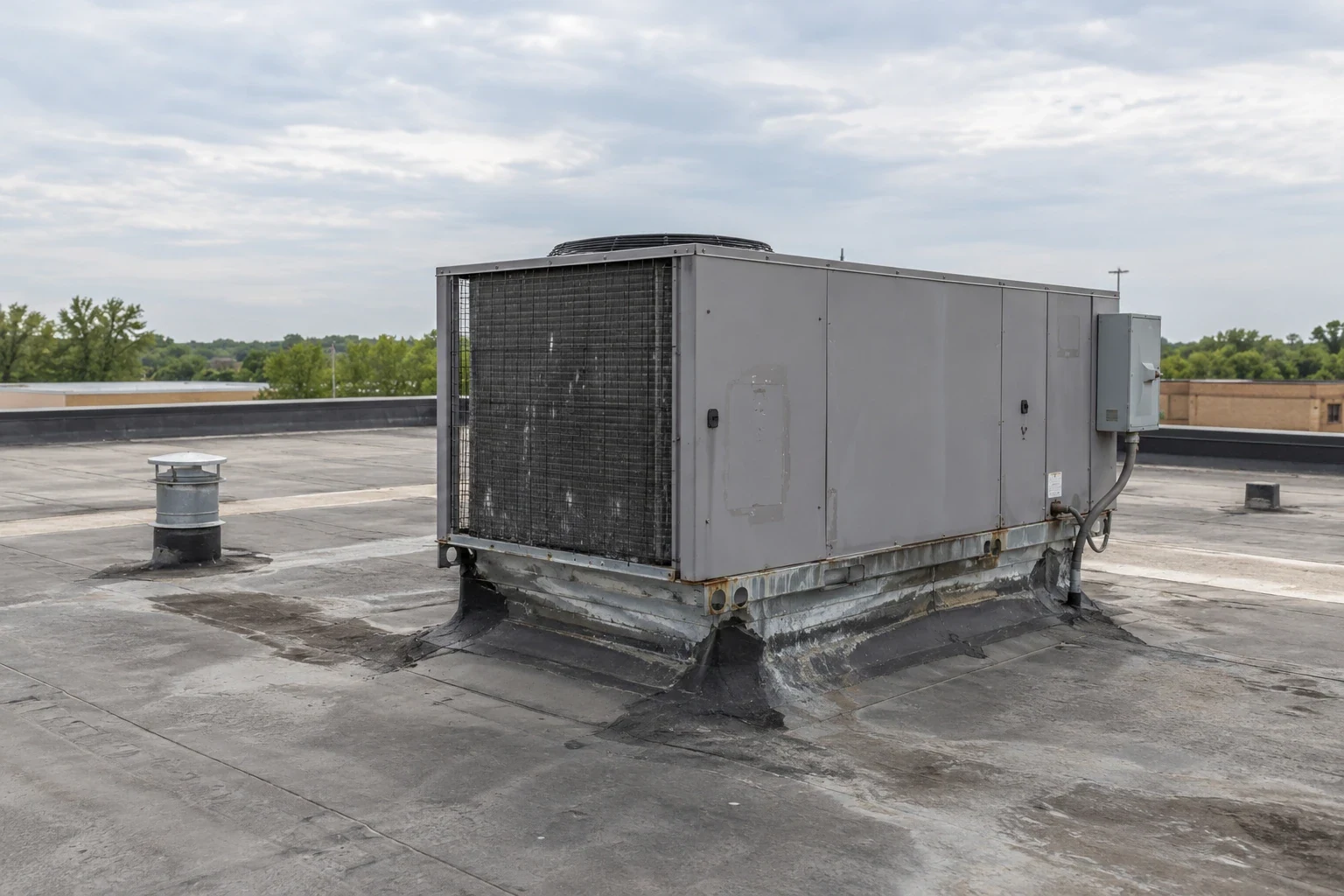
Related Roofing Work
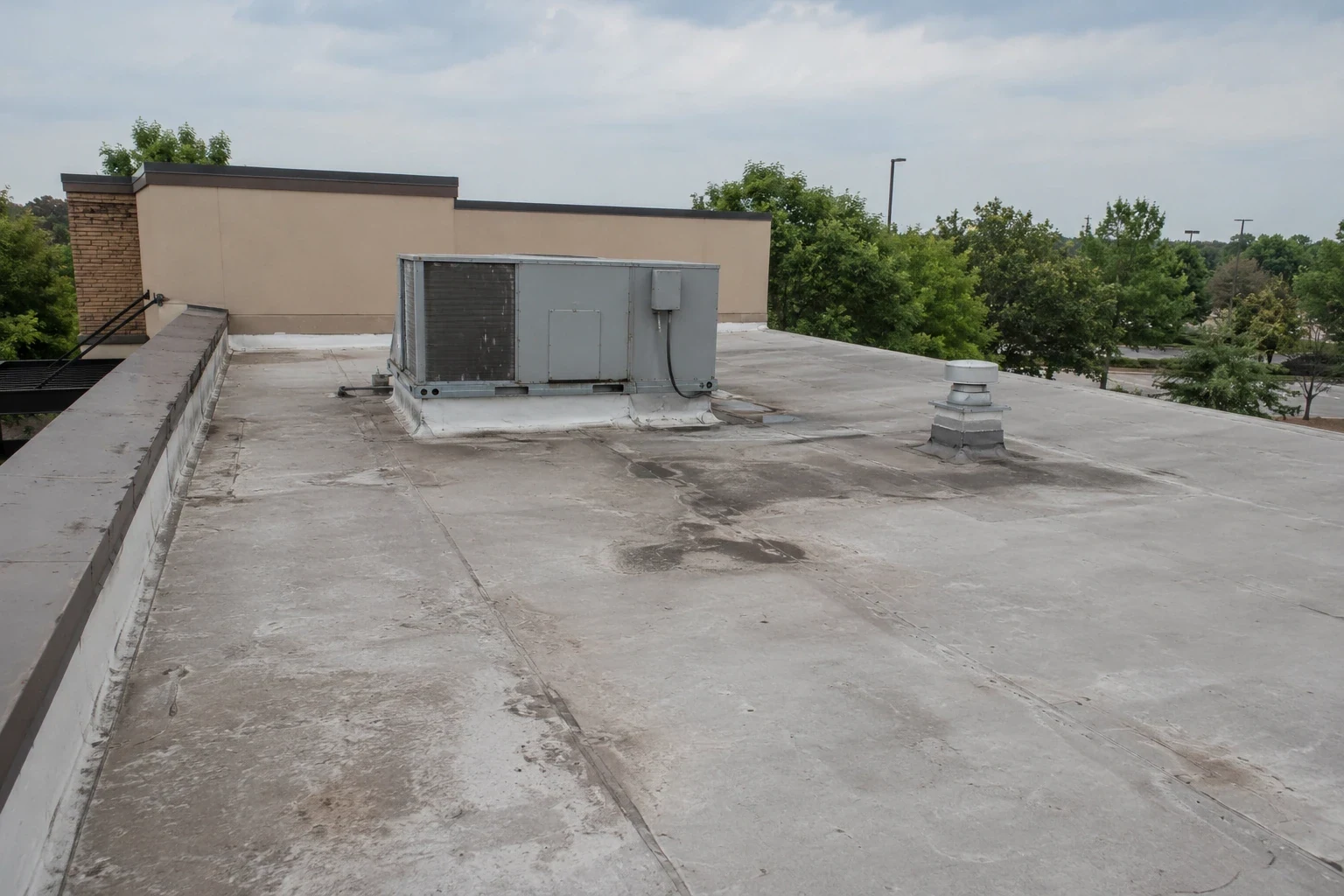
Restaurant Roofing
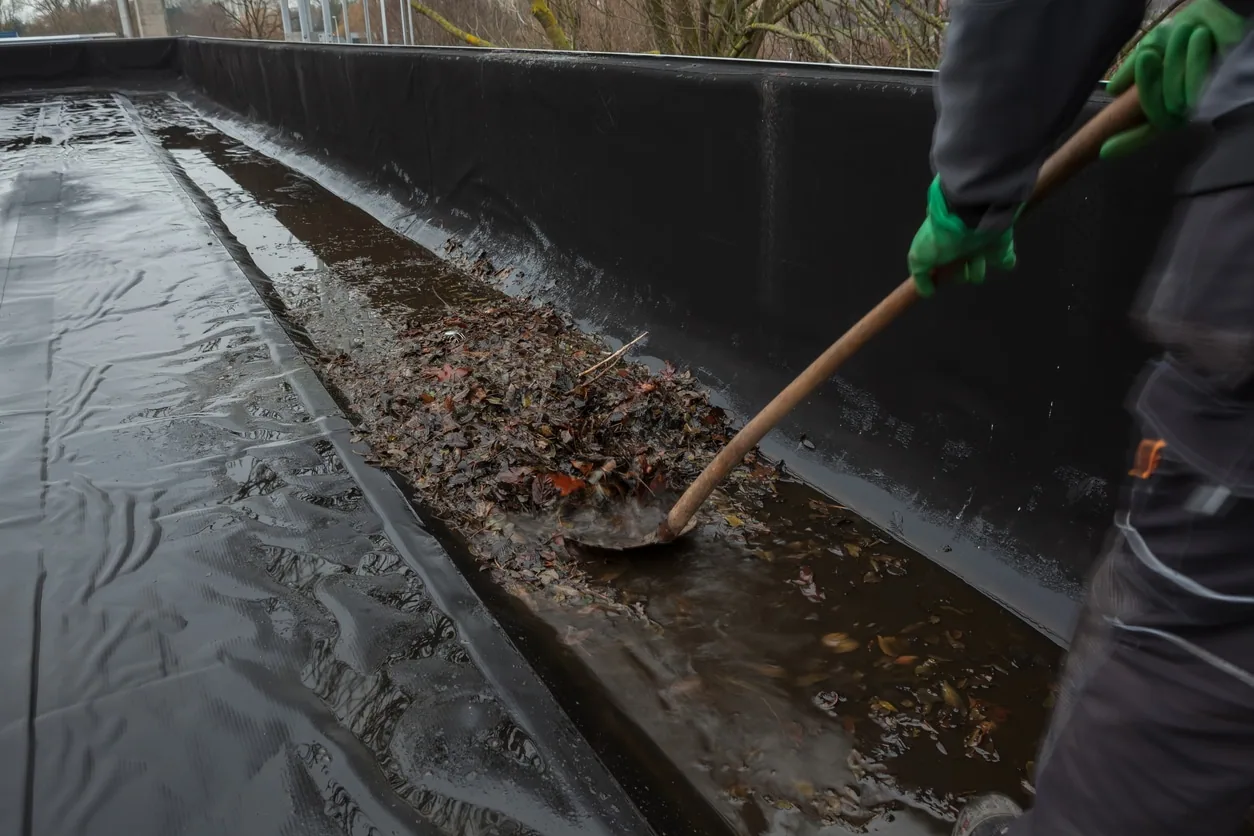
Roof Drains and Scuppers
Tornado Damage Roof Repair
Wind Damage Roof Repair
Emergency Leak Calls
Call for a storm walk or a budget review
We will walk the roof, check the grease zones and the drains and put a price on each item. The visit settles the grease checks, the permit path and the repair order.