Emergency Roof Repair
Emergency Roof Repair in Hoover, AL
The first hour after a storm sets the bill. Water that gets into insulation and ceilings in the first night does more damage than the wind that let it in. Hoover, AL sits in the Birmingham area's Dixie Alley, where spring thunderstorms, a second season in November and early December, and the occasional Gulf tropical system all put roofs at risk.
Our emergency line runs day and night, weekends and holidays included. We do not promise a miracle. We promise a plan: who comes, what they do first and what happens after the water is stopped.
First hour: what happens when you call
We ask a few plain questions. Where is the water coming in? Is anyone hurt, and is the building safe to enter? Is there power near the leak? If there is a safety risk, we tell you to clear the area and call the fire department before anything else.
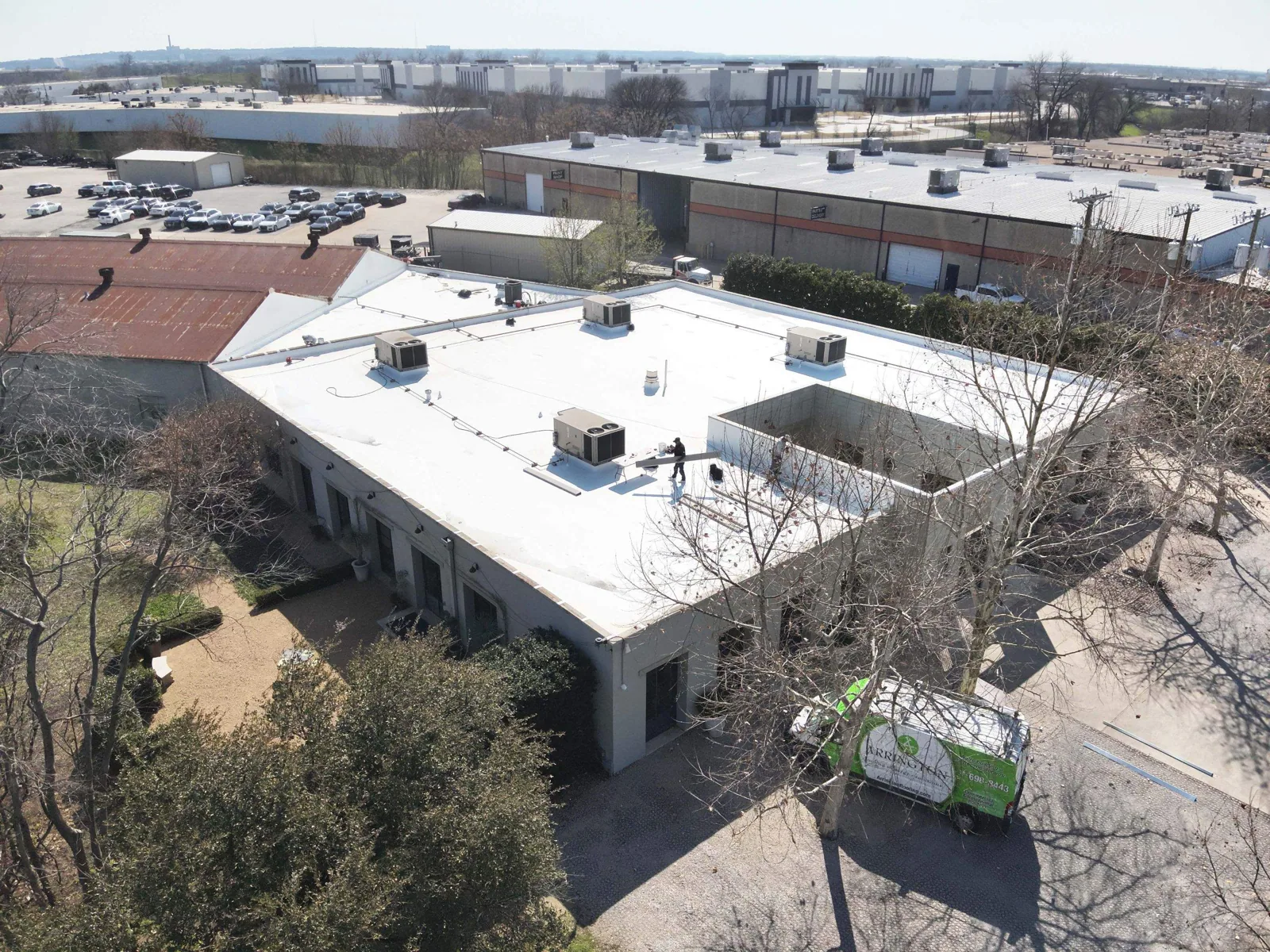
Then we send a crew with tarps, sheeting, fasteners, sealant and drying supplies. On arrival, the lead walks the roof, finds the opening and sets a priority. Stop the water first. Protect the interior second. Document everything third. You get a call from the crew lead before we start, and another when the building is dry-in.
Dry-in: tarp, seal, protect
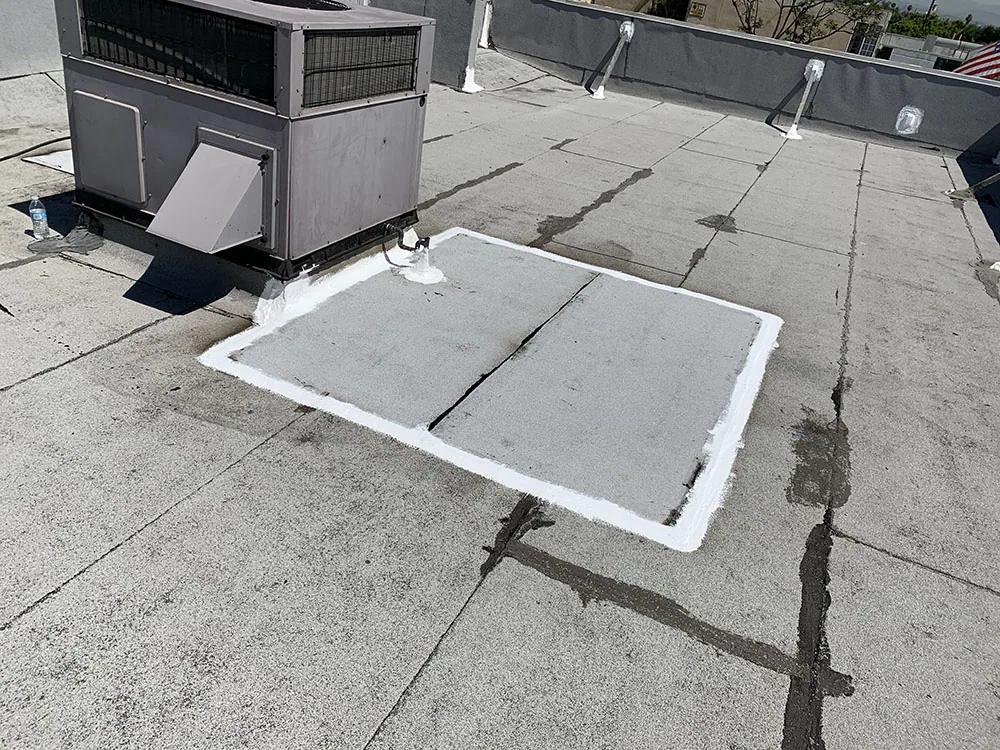
A tarp is not a repair. It is a short-term shield. We secure it with battens and fasteners that hold in wind, not with a few bricks and hope. Over a torn membrane we may use temporary patching, sealant and sheeting to close the opening. Over a missing section of metal, we cover and fasten down the gap until panels can be replaced.
Inside, we help the facility team move equipment, set up fans and keep water off electronics and inventory where we can. Wet insulation is marked on the roof so it can be cut out later. The goal is to keep a bad night from turning into a bad month.
The kit: what rides on the truck
Speed comes from being stocked. Our emergency trucks carry heavy tarps, lumber for battens, fasteners, rolls of temporary membrane, sealant, drain tools and pumps for ponded water. A crew that has to run for materials loses the hour that matters. We also bring moisture meters, so we can tell how far the water has spread before we cover the opening.
For metal roofs, we carry panel clips, closures and sheet metal for temporary patches. For flat roofs, we carry torch-free repair materials that go down in damp weather. If we need a crane or a lift for a larger opening, we arrange it on the first call so the permanent work is not delayed.
Which buildings lose the most when a roof opens
Distribution and fulfillment buildings, like the Amazon center announced in Bessemer, lose whole operating days when a roof opens over inventory. Medical and office buildings in Hoover and along Highway 31 risk patient and staff disruption. Retail centers risk closing doors during a busy weekend. Each of these has a different cost of waiting, so the first call covers what sits under the opening.
Tell us what is under the leak and what has to keep running. That sets the order of the work: protect the equipment, keep an exit clear, then close the roof.
Storm history: what this region has seen
Central Alabama has a record to respect. On January 23, 2012 the EF3 Center Point-Clay tornado took down the Center Point Elementary School buildings and dozens of other structures. A March 25, 2021 tornado hit EF1 damage on homes in Helena and reached low-end EF3 strength northeast of town. Pleasant Grove has been damaged by large tornadoes in 1956, 1977, 1998 and 2011.
Not every emergency is a tornado, and a storm damage repair may start with a smaller problem. Straight-line wind lifts edges, hail punches membrane, and heavy rain overwhelms clogged drains. Hail the size of softballs came down across central Alabama on April 25, 2003. We respond the same way to each: stop the water, protect the interior and record the damage.
More on Emergency Roof Repair
Records: photos that help your claim
If insurance is involved, records matter. We photograph the roof before we touch it, the opening we find and every temporary measure we take. We note the time, the weather and what was wet. Those photos show the insurer that the damage was real and that you acted fast to limit it.
We keep the temporary work separate from the permanent scope on paper. That makes it easier to see what the emergency cost and what the permanent repair will cost. Those same photos feed the claim documentation that follows once the building is dry.
After the emergency: the permanent fix
Once the building is dry, we plan the permanent repair. For wind and storm damage, that may mean a full wind damage repair, with new edge metal, fasteners and membrane. For a tornado, it may mean a larger rebuild, and tornado roof repair runs in stages through framing, deck and membrane. We also keep a running list of every area still under temporary cover, so none is forgotten when the sun comes out. We give you a written scope and a price for each stage.
We also check what the storm exposed. A torn membrane often reveals old wet insulation, corroded fasteners or weak deck. It is better to find those now, while the roof is open and the crew is there, than at the next storm.
Commercial Roofing Questions
What should I do while the crew is on the way?
Keep people out of the affected area and shut off power if water is near outlets or fixtures. Move valuables and inventory away from the leak, and set out buckets only where it is safe. Take photos from inside if you can. Stay off the roof. Wet membrane is slippery, and storm damage can hide weak spots.
Can you work during the storm?
Not safely. Crews cannot work on a roof in lightning, high wind or heavy rain. What we can do is get ready, stage materials and move the moment the weather allows. If the leak is severe, we also help from the inside with containment and protection while we wait for a safe window on the roof.
How long will a tarp last?
A well-secured tarp can hold for weeks, but it is not meant to be permanent. Sun, wind and rain wear it down. We tell you how long we expect it to hold and schedule the permanent repair before it fails. The longer a tarp stays on, the more it costs in monitoring and re-securing.
Will the emergency work affect my insurance claim?
Done well, it helps. Most policies expect you to take reasonable steps to prevent further damage, and temporary protection fits that. We keep the emergency invoice and photos separate from the permanent repair so the carrier can see each cost. Check your policy for its specific requirements and send us any carrier forms.
Do you handle both small leaks and major storm damage?
Yes. A broken pipe boot and a tornado-damaged roof need different crews and timelines, but the first step is the same: stop the water. After that, we scale the response to the damage. A small leak gets a same-day repair. A major loss gets a phased plan with staging, temporary cover and a full scope.
Can the same crew do the permanent repair?
Yes, and it saves time. The crew that tarped the roof already knows where the damage is and what is under it. We hand the permanent scope to the same lead, with the photos and notes from the first visit, so no one starts over. If the repair needs a different trade, such as decking or structural work, we coordinate it and tell you the schedule.
Related Roofing Work
Commercial Roof Leak Repair
Helena
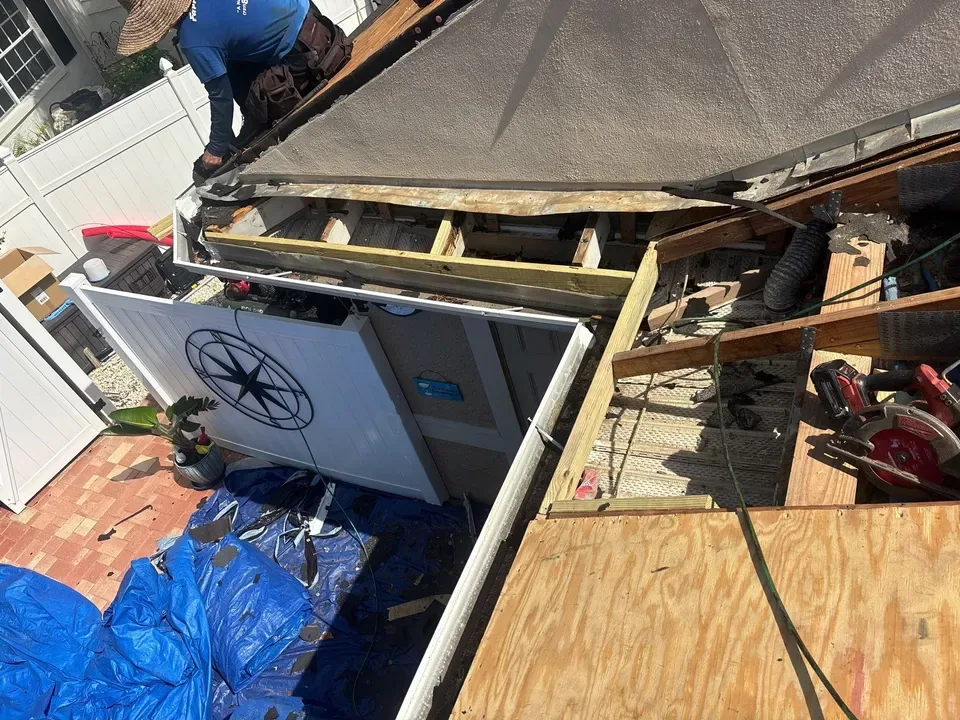
Storm Damage Roof Repair
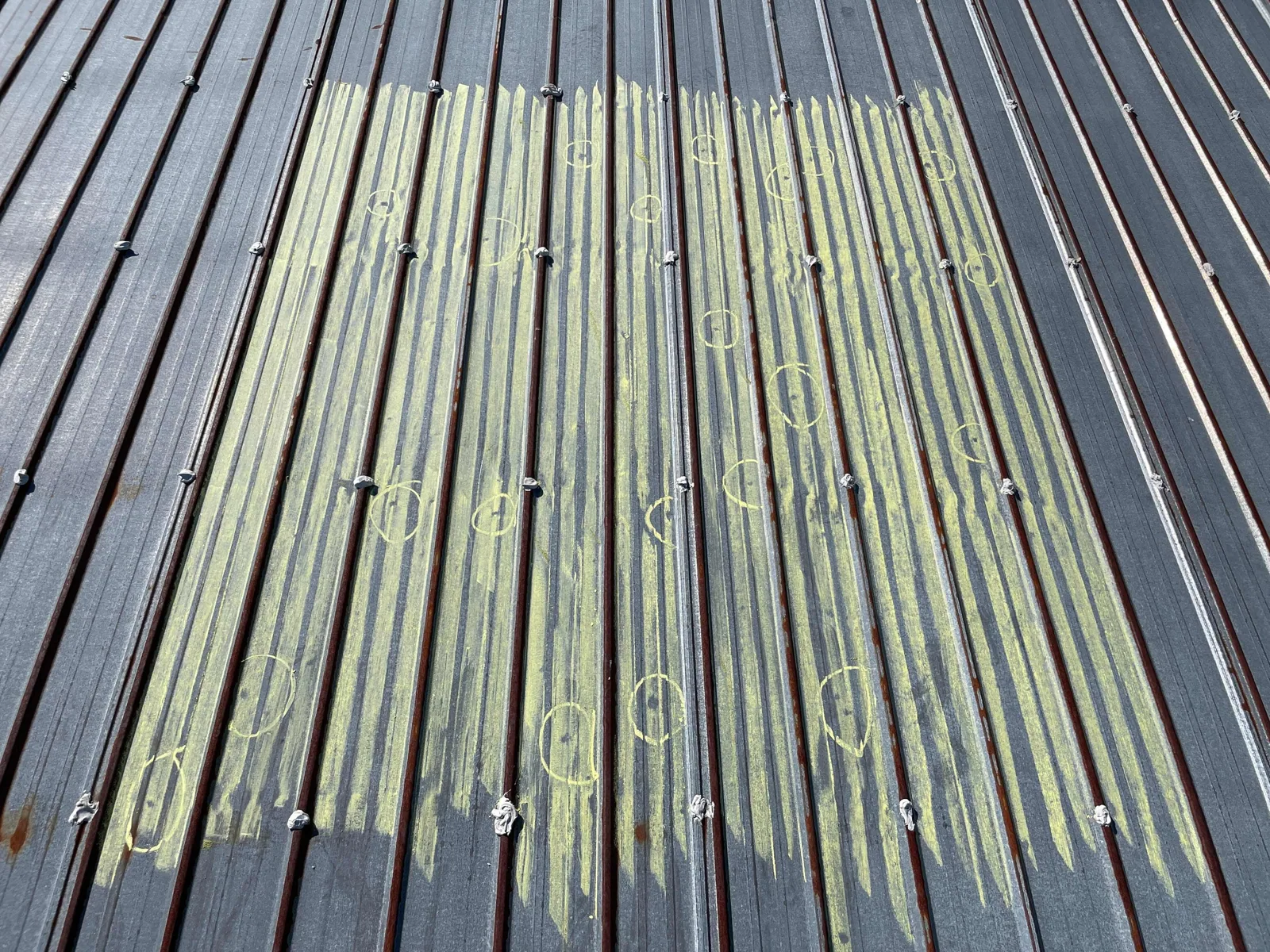
Roof Insurance Claim Assistance
Emergency Leak Calls
Call now if water is coming in
Day or night, we will send a crew to stop the water and protect the building. Give us your address and what you see, and we will tell you when we arrive.