
Modified Bitumen Roofing
Modified Bitumen Roofing in Hoover, AL
Hail leaves marks on every roof. On a granule-surfaced mod bit roof the marks are easier to read and easier to live with. Modified bitumen is asphalt with rubber or plastic added, rolled out in layers and sealed at the laps. It is old technology with a long record on flat roofs, and it holds up well to foot traffic and hail. We install and repair it in Hoover, AL, and we tell you how it fits next to the single-ply sheets.
The decision turns on cost, timing and how many penetrations the roof has. Mod bit rewards simple, well-detailed roofs.
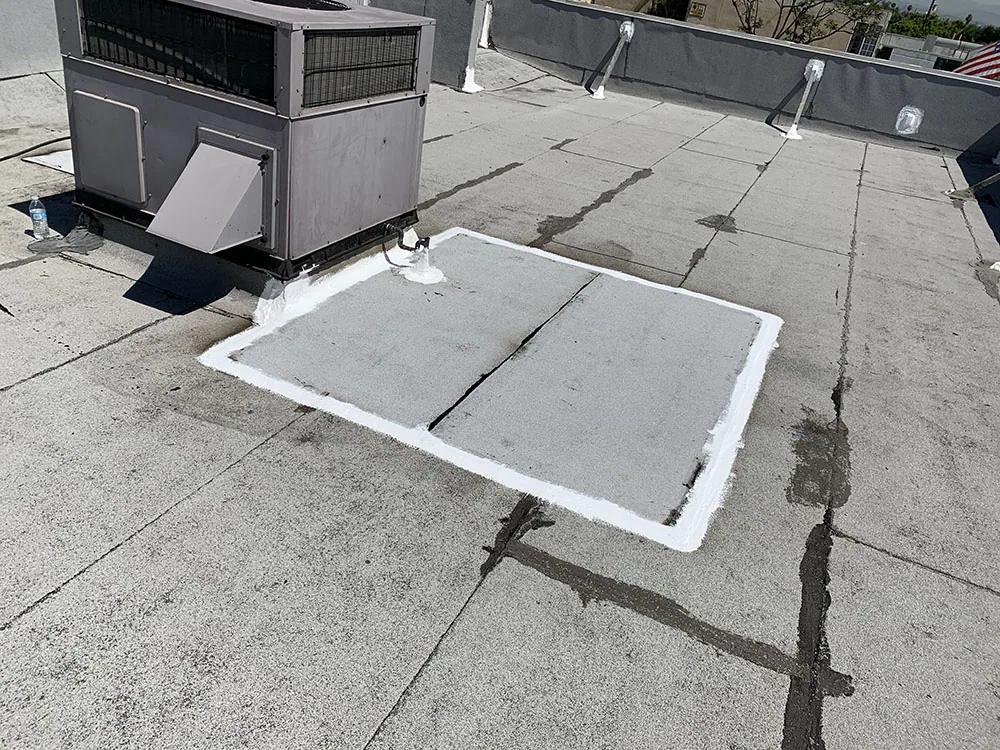
The issue: SBS, APP and how the layers go down
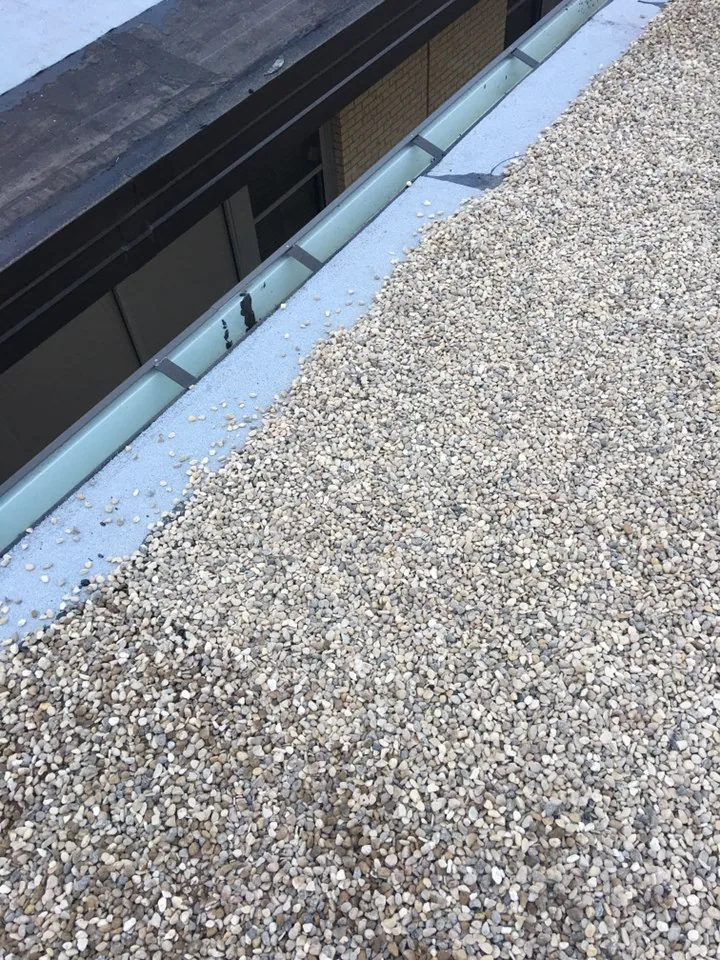
Two types dominate. SBS is rubber-modified and flexible, good for roofs that move. APP is plastic-modified and stiff, good in strong sun. Both come as rolls, usually with a granule top surface that shields the asphalt from UV.
Three ways to install:
- Torch-applied: a flame heats the underside so it bonds.
- Cold-applied: adhesive replaces the flame.
- Self-adhered: a peel-and-stick back bonds to a primed surface.
A typical roof gets a base sheet and a cap sheet. Laps are staggered. Flashings are built with extra plies. The layers give the roof depth, and that depth is why repairs hold well.
Flashing is where mod bit earns its reputation. Walls and curbs get a base flashing ply and a cap flashing ply, lapped over the field sheet and sealed at the top. A well-built flashing outlasts a single-ply flashing in many cases, because the layers add up. We build them in stages and probe every termination.
What it costs: layers, labor and fire controls
Material cost is moderate. Labor is the bigger line, since layers and details take time. Torch work adds safety cost: fire watch, extinguishers, hot-work permits and an insurer's sign-off. Cold-applied and self-adhered systems cost more in material and less in fire controls.
We compare the three installs on one page, with the price per method, the fire-safety plan and the schedule. On a roof with wood nailers, old tar or combustible insulation, we skip the torch. Safety decides the method first and price second. We explain the reason so you can see why one bid costs more.
The base sheet matters, too. A mechanically attached base sheet over new insulation is quicker than a fully adhered one, and the cap goes over either. Our bids list the base, the cap, the flashing plies and the insulation as separate lines, so you can see which one moves the total.
Storm season: hail, wind and granules
The Birmingham metro lies in Dixie Alley. Storms run strongest in spring, with a second stretch in November and early December. The weather service tallied 29 hail days above three-quarters of an inch in 2003, and the largest stones, softball size, fell on April 25.
A granule-surfaced cap sheet takes hail well. Small hits dent the surface, and big ones can bruise the layers. We check for bruises with a probe and a moisture meter. Wind is a smaller worry for fully adhered mod bit, since it is bonded down. Our hail damage repair work includes patching cap sheets and documenting the damage for a claim.
Debris and traffic matter after a storm. Crews climbing to inspect can scuff granules, and flying branches can gouge the cap. A walk path of pads marks the safe route and protects the cap. We include pads in the post-storm routine and note any gouge for a patch.
Heat and humidity: how mod bit ages here
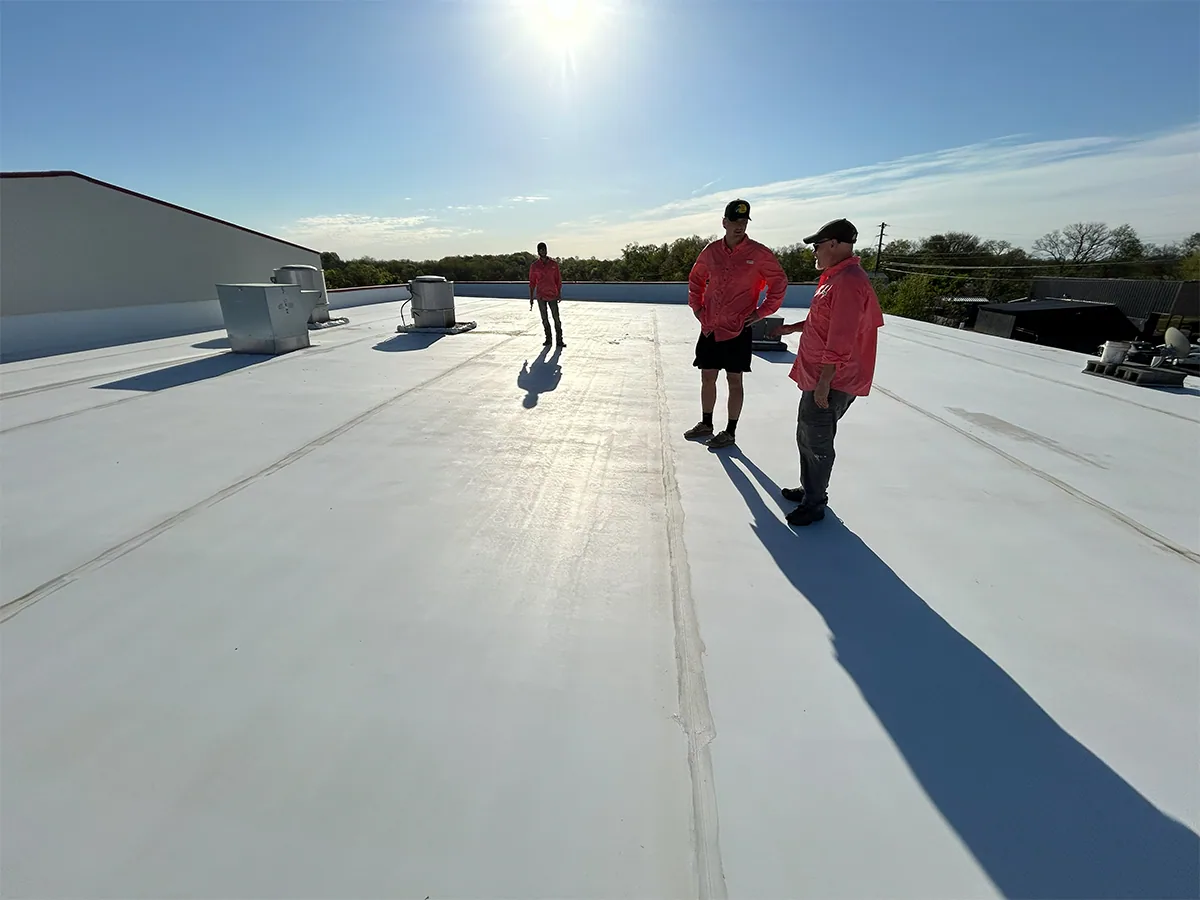
The heat does not let up: summer holds close to two months of 90-degree days, and humidity averages near 70 percent. Asphalt softens in heat. Granules protect it from UV, but they wear and wash off over years. Bare spots then age fast. A reflective coating over an aging cap sheet restores protection and cuts surface heat.
Humidity matters at install time. Moisture trapped between layers causes blisters. We keep rolls dry, set the base on a dry deck and avoid laying cap sheets when dew is on the surface. A coating restoration can extend a sound mod bit roof by several seasons.
Surface temperature cycles are hard on laps. The cap sheet expands at midday and contracts at night. Each cycle tugs at the seams. A reflective coating narrows that swing, which is one reason owners with hot top floors choose to coat at the first sign of granule loss.
By building: where mod bit fits
Mod bit suits any building with a tight, detailed roof, which could be a school, a strip center on Highway 31 or an older building in downtown or Southside Birmingham. It also fits roofs with heavy foot traffic, such as equipment-dense office roofs.
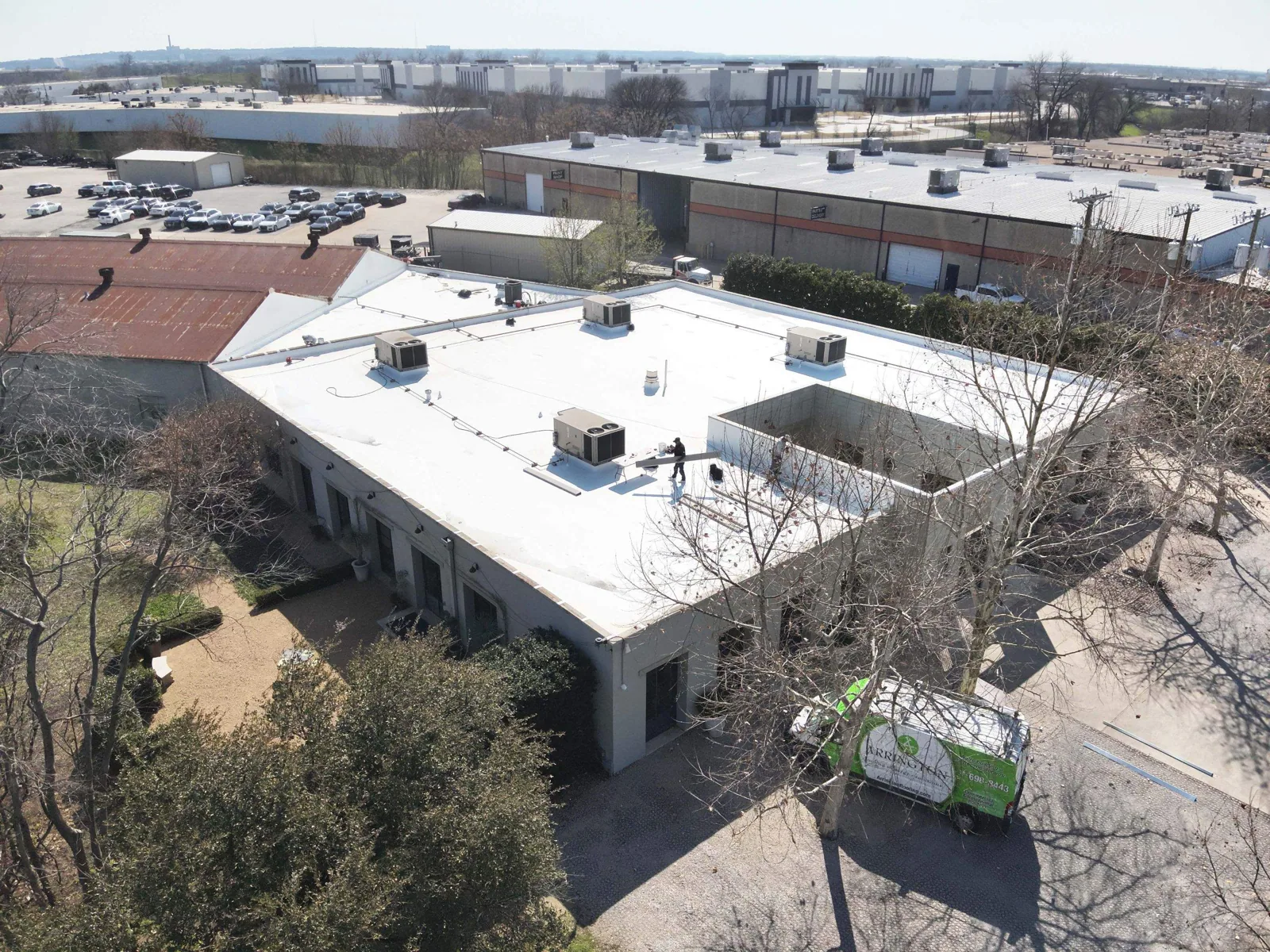
On a re-roof, mod bit can go over a dry existing roof as a recover. It also marries well with built-up roofing as a tie-in at repairs. Single-ply sheets such as TPO suit roofs with fewer details. Owners in downtown Birmingham and Southside weigh mod bit when the building has many details to flash.
Southside has seven historic districts under neighborhood design review, and that review can touch roof work. The review can reach a visible edge detail, so the rules get read before one is chosen, and the roof is planned to meet both the review and the water-shedding job.
More on Modified Bitumen Roofing
Recommendation: how to choose
Pick mod bit when the roof has many details, heavy traffic or hail worry, and you want a layered roof that repairs easily. Pick single-ply when speed and weight matter. The bid names the install method, the fire plan and the care plan in writing.
Walk the roof with us. We will check the deck, the insulation and the existing layers, then price mod bit next to one other system. If the roof is already mod bit and mostly sound, a coating and a few repairs may carry you another year or two. We say so when it is true.
Plan the first inspection at the one-year mark. Granule loss, lap movement and flashing settlement show early. A cap sheet that looks perfect at year one and sheds granules at year five tells you the budget year for a coating. We log it so you can see the trend.
Commercial Roofing Questions
Is torch-applied mod bit safe on an occupied building?
It can be, with strict controls: a fire watch during and after the work, extinguishers in place, hot-work permits and an insurer's sign-off. Some roofs cannot take a torch at all, such as those with wood or old tar near the work area. In those cases we use cold-applied or self-adhered sheets and price the difference.
How does mod bit hold up against hail?
Well, in general, when the cap sheet is granule-surfaced. Granules take the first impact, and the layers below absorb the rest. Large hail can still bruise the roof. After a storm we probe for soft spots and check moisture. Documented damage supports an insurance claim, and a quick patch stops leaks.
What is the typical repair on a mod bit roof?
A patch of cap sheet over a blister, a cracked lap or a puncture, heated or adhered in place and sealed at the edges. Flashing repairs add plies at walls and curbs. We keep a cap-sheet stock for matching color and weight. Each repair is photographed and logged, so you can see the pattern.
Can I coat a mod bit roof instead of replacing it?
Yes, provided the insulation under it is dry and the membrane is sound. A moisture scan and cores settle that. The surface needs cleaning and a primer made for asphalt. A coating restores UV protection, seals small cracks and cuts heat. It does not fix wet insulation or open seams, which need repair first.
Related Roofing Work

Hail Damage Roof Repair
Roof Coating Restoration
Roof Recover and Overlay
Built-Up Roofing
Emergency Leak Calls
Call for a mod bit roof walk and a priced comparison
We will walk the roof, probe the layers and price modified bitumen next to one other system. The visit pins down the install method and the budget year.