EPDM Roofing
EPDM Roofing in Hoover, AL
Black rubber on a hot roof sounds like a mistake. In Hoover, AL, it is a trade. EPDM absorbs sun, runs warm and costs less to install than many sheets. It also stretches, shrugs off hail better than thin plastics and has a long record on flat roofs. We install and repair it, and we tell you when the heat tradeoff makes sense and when a white sheet pays back faster.
The question is not which sheet is best. The question is which sheet fits your roof, your building and your budget year.
The issue: how EPDM goes down and where it fails
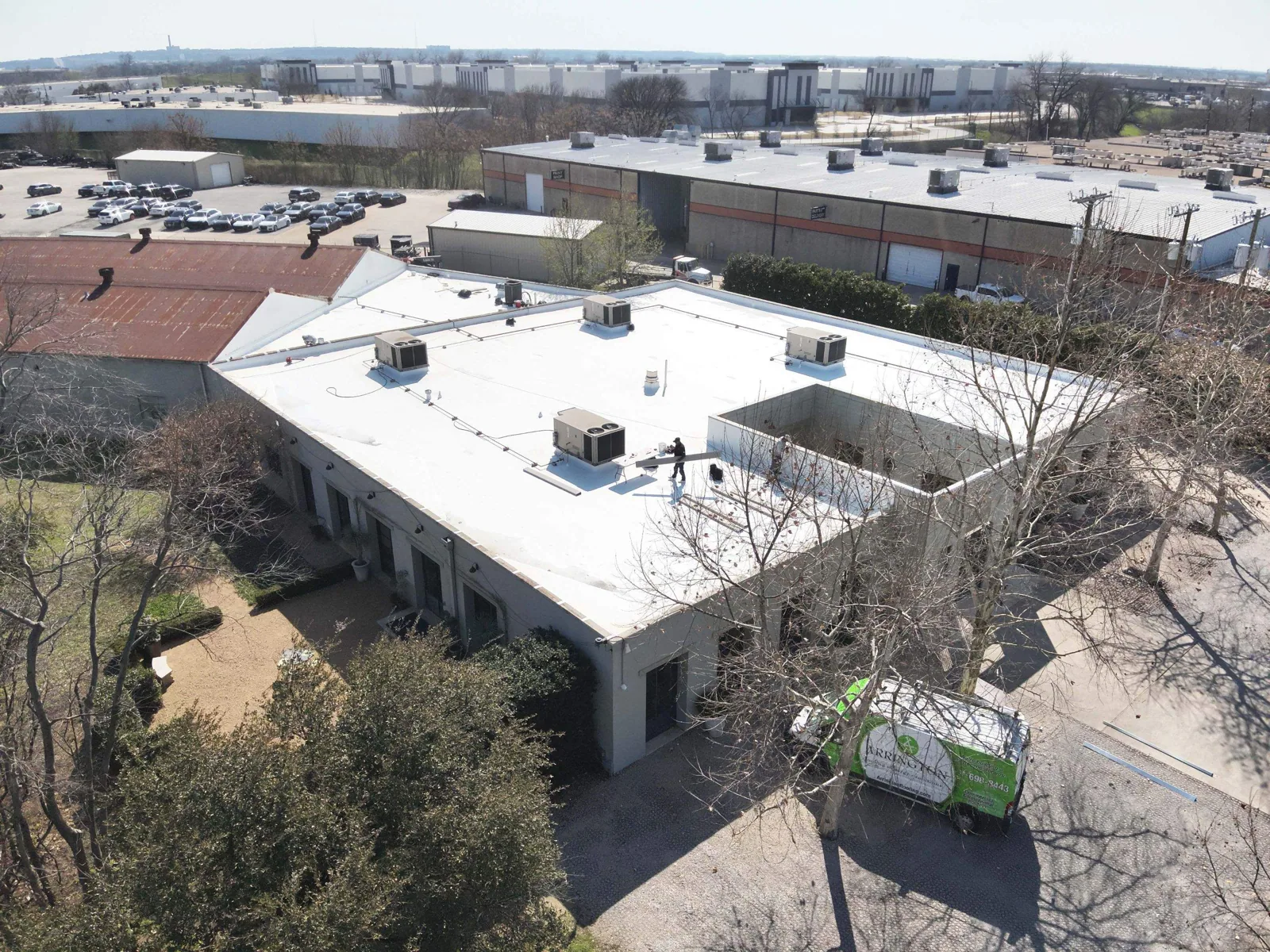
EPDM is a cured rubber sheet. It comes in wide rolls, which means fewer seams. It is installed three ways: fully adhered with bonding adhesive, mechanically attached with plates and fasteners, or loose-laid under ballast stone.
Where it fails:
- Seams, which are glued or taped and can open when the adhesive ages.
- Walls and curbs, where the rubber shrinks and pulls away.
- Flashing patches made with cheap caulk instead of proper tape and primer.
- Punctures from foot traffic or dropped tools.
Most EPDM problems are detail problems. The field of the sheet is tough. The edges and seams need care.
Age shows as chalking and slight cracking at folds. Those are cosmetic until they reach the fabric. Seams and flashing tell the real story, so we probe and photograph them before we say anything about remaining life.
What it costs: lower sheet price, real detail labor
The sheet price is often lower than TPO or PVC. Fewer seams cut some labor. The savings can disappear on a roof with many curbs, pipes and corners, since each detail is hand work with tape, primer and patience.
Thickness changes the price. A thicker sheet resists punctures and hail better and costs more. Ballasted systems save on adhesive but add weight, and the structure must carry it. We price the three methods side by side. You see the sheet, the insulation, the attachment and the labor in separate lines, and you choose with the numbers in hand.
Read the insulation line first. A re-roof with new polyiso and cover board costs more than a bare sheet on old insulation, but the new board resets the thermal performance and gives hail a softer landing. The cover board line is often the cheapest hail protection on the bid.
Heat and humidity: the black-sheet question
About 65 days a year top 90 degrees in Birmingham, and relative humidity averages near 70 percent. A black sheet runs hotter than a white one in that weather. The roof moves more every day, and the cooling load rises. That is the cost of the dark color.
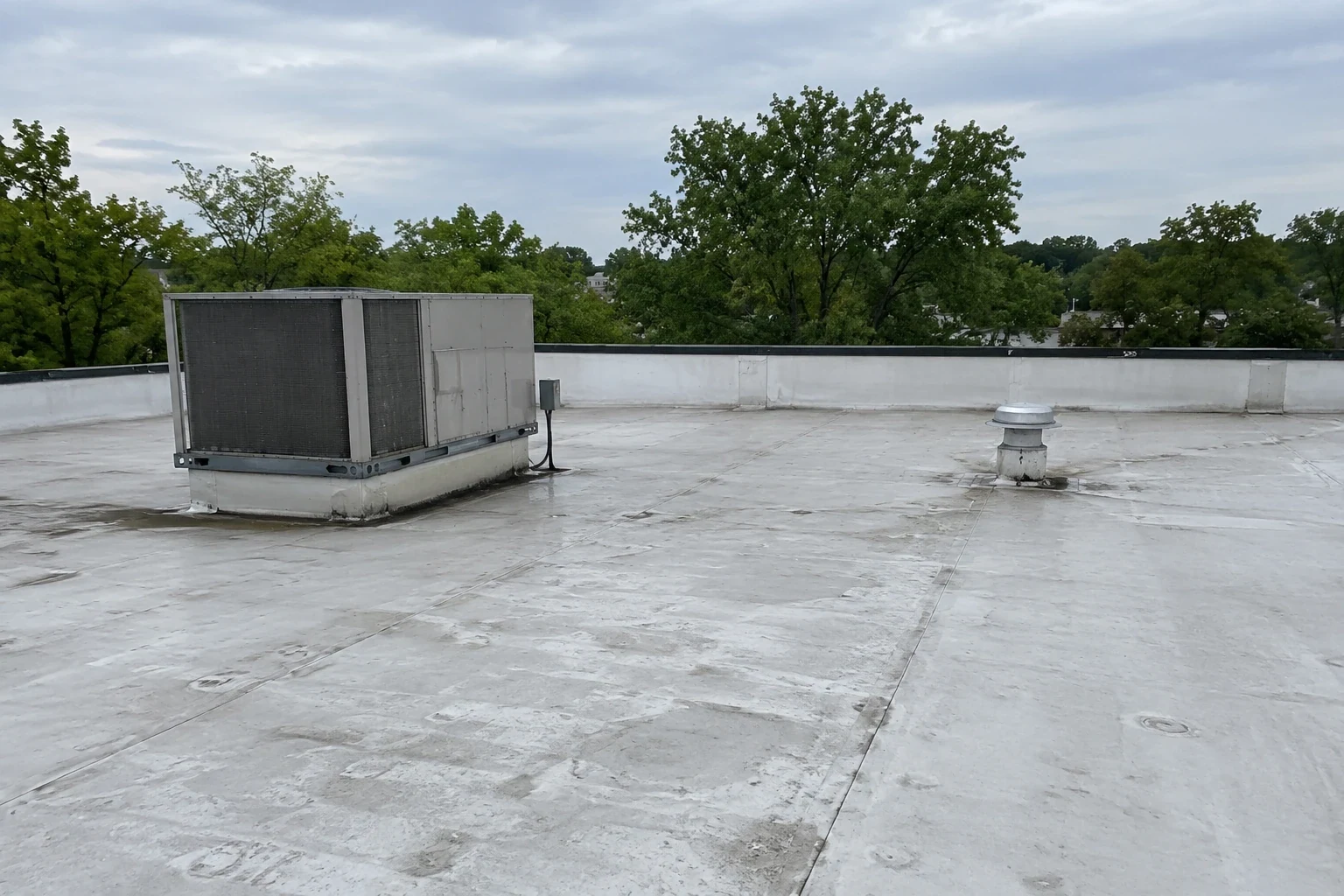
A white EPDM exists, and a reflective coating can go over an old black sheet. A coating restoration is that route. If energy cost is the main driver, a white sheet such as TPO may pay back faster. If hail and budget matter more, EPDM holds its own.
Cool-season performance is the other side. A dark sheet helps a little in winter by absorbing sun. Alabama winters are mild enough that the gain is small, so the summer load decides the question for most buildings. We show both sides in the comparison, and your mechanical contractor can confirm the cooling effect with your equipment.
Storm season: hail, wind and ballast
The metro sits in Dixie Alley. Severe thunderstorms are a spring story first, with a second season in November and early December. Central Alabama took hail up to softball size on April 25, 2003, and the National Weather Service counted 29 hail days larger than three-quarters of an inch that year.
Rubber flexes under impact better than a stiff plastic sheet, and a thicker EPDM sheet handles hail well. Wind is the other load. Ballast stone can blow loose in a hard gust, and tornadoes throw it. We favor adhered or mechanically attached systems on exposed sites. After a storm, our hail damage repair crews check seams, ballast and flashing.
Walk pads deserve a mention after a storm. Roof crews climbing to assess damage can puncture a soft sheet. A set of pads along the approach path costs little and saves an avoidable patch.
By building: where EPDM fits in the metro
EPDM fits large low-slope roofs with few penetrations, wherever the building type matches: warehouses and distribution buildings, retail such as the development near the I-65 and Walkers Chapel Road exit in Fultondale, schools, churches and office buildings. It also fits budget-driven re-roofs where tear-off is possible and the owner wants a proven sheet.
It is a poor match for roofs with heavy grease or oil exposure. Those roofs belong on PVC. For roofs with ponding, the seams and tapes need extra attention. We check slope to drains with a level and mark low spots on the plan. In Bessemer, home to the fulfillment center Amazon announced at 800,000 square feet, drainage is the first question on any large low-slope distribution roof.
Schools and churches often have simple roofs with few units and wide areas. EPDM suits them, since repairs are straightforward and the sheet is a known quantity. The care plan is short: clear the drains, check the seams, walk the edges each spring.
More on EPDM Roofing
Recommendation: when we pick EPDM
We pick EPDM for simple, dry roofs where cost and toughness lead, and heat is a smaller worry. We steer away from it for roofs with oil exposure, heavy foot traffic or a hot top floor that needs a cooler deck.
Walk the roof with us. We check the deck, insulation and drains, then price EPDM beside one alternative. The comparison fits one page. If your existing roof is EPDM and mostly sound, a seam and flashing repair may be all you need this year.
If your roof is already EPDM, keep a log. Write down each patch, each leak and each repair date. A pattern at one wall or one curb tells you where the next dollar should go. We keep the same log and share it after every visit.
Commercial Roofing Questions
How long do EPDM seams last?
Seam life depends on the method and the installation quality. Properly primed and taped or adhered seams can last many years. Poor prep, dirt or weather during install shortens that. We probe every seam at install and again at the one-year walk, and we repair any lifted edge with tape and primer. Dated photographs go in your file.
Is ballasted EPDM a good idea in tornado country?
It carries a risk. Loose stone can fly in a hard wind and cause damage. Ballast also adds weight the structure must carry. On exposed sites we lean toward adhered or mechanically attached systems. If you already have ballast, we check it after storms and replace displaced stone.
Can I coat an old EPDM roof?
Yes, if it is dry and sound. A moisture scan checks the insulation first. The surface needs cleaning and a primer made for rubber. A reflective coating can lower surface heat and add years of service. If seams are failing or the sheet has shrunk away from walls, repair those first.
Why does EPDM pull away from walls?
Rubber shrinks with age and heat. Over years the sheet tightens and pulls at the wall flashing. Hot summers speed it. We check wall bases at every visit and replace failing flashing with new tape and primer. Leaving a pulled edge open is how water reaches the insulation.
What does EPDM maintenance cost compared with a new roof?
A yearly walk with small repairs is a small fraction of a replacement. Spend it on seams, flashing and drains, where most EPDM trouble begins. We list the repairs and their prices after each visit, so you can see how the maintenance line compares with the replacement line for your budget year.
Related Roofing Work
Roof Coating Restoration
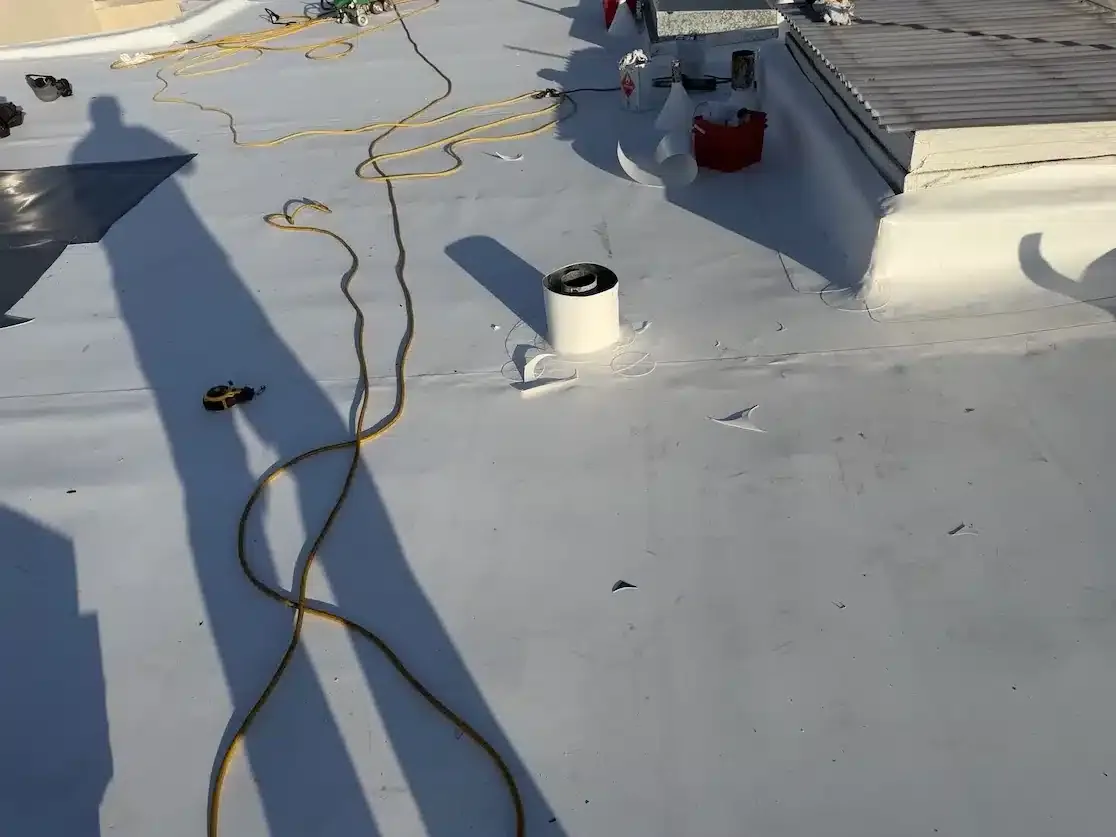
TPO Roofing
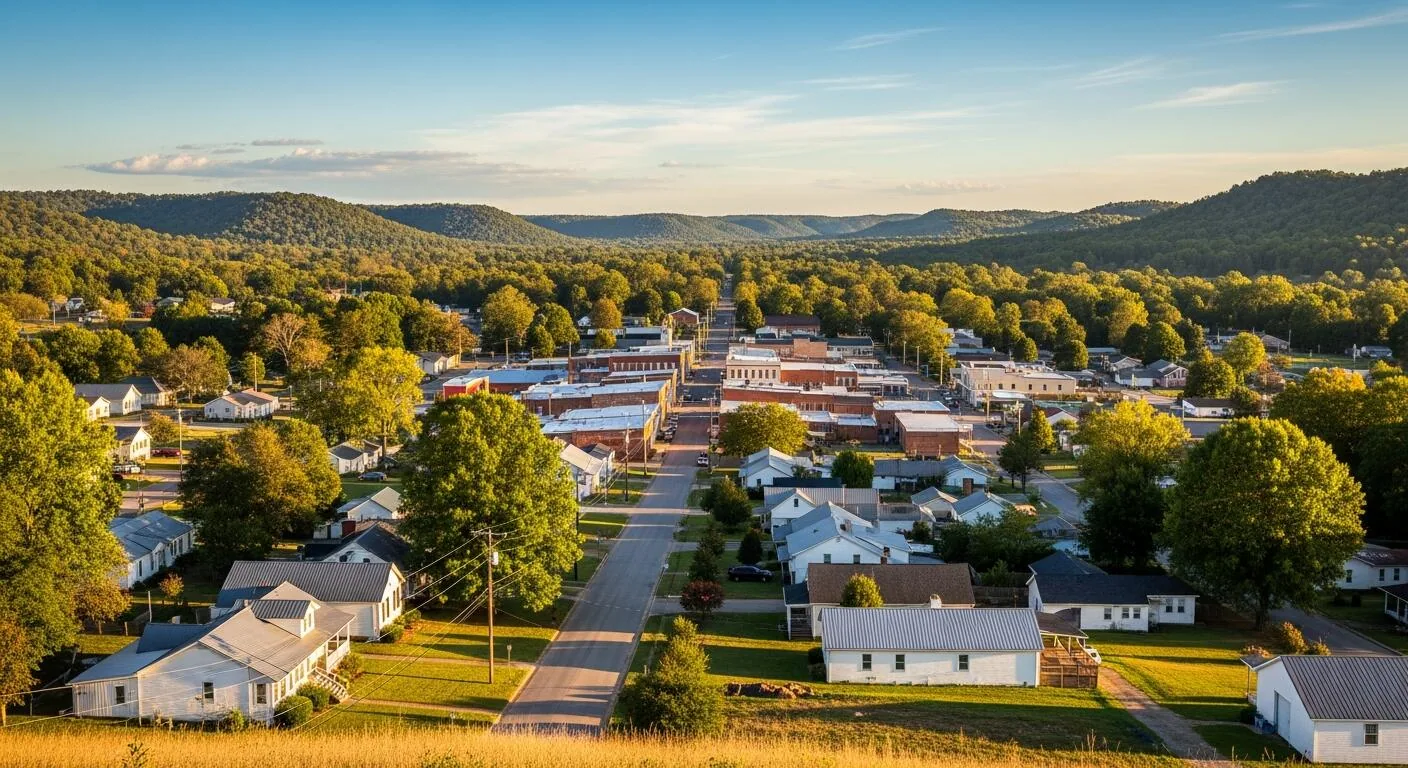
Hail Damage Roof Repair
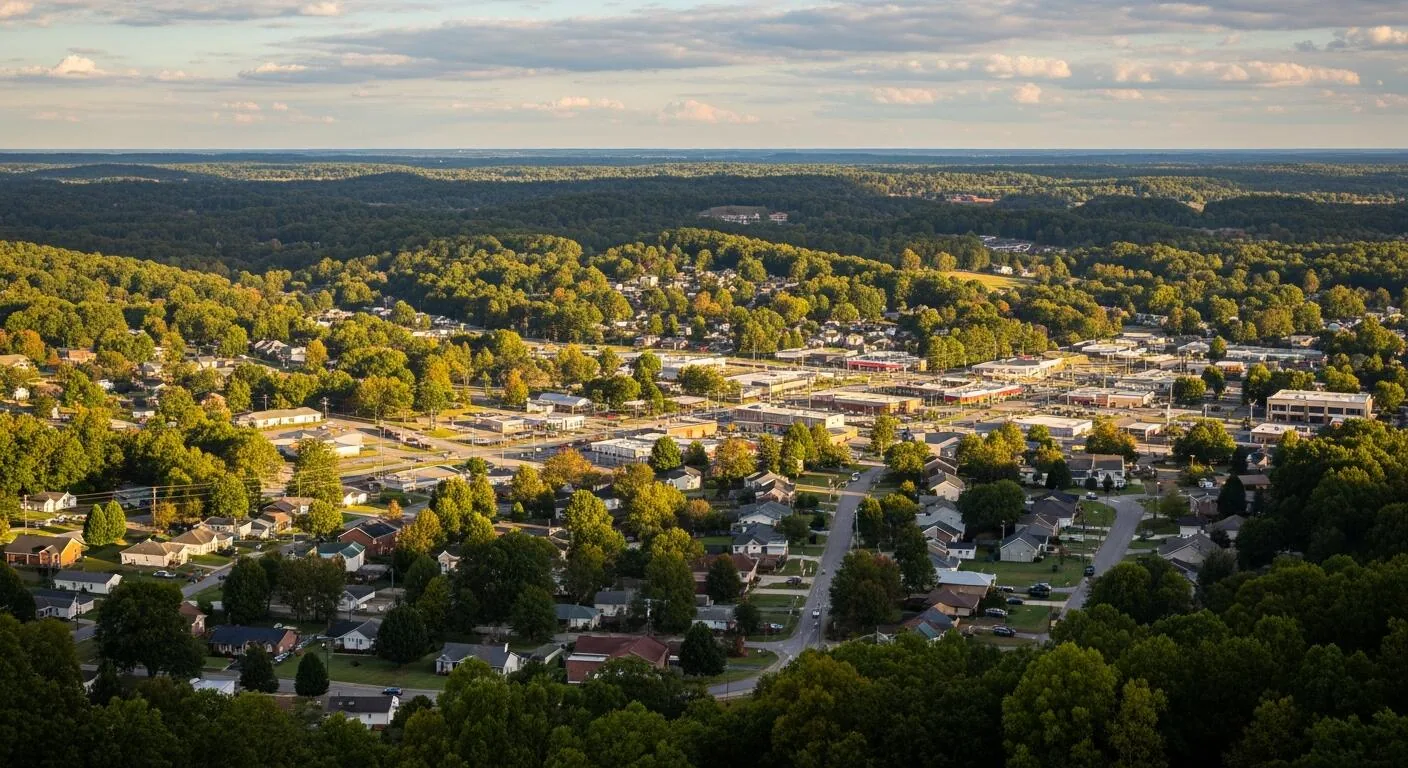
Fultondale
Emergency Leak Calls
Call for an EPDM roof walk and a priced comparison
We will walk the roof, probe the seams and price EPDM beside one other system. The visit pins down thickness, attachment and the budget year.