KEE Roofing
KEE Roofing in Hoover, AL
KEE costs more than PVC. It earns the difference only on a roof that gets oil, fuel or hot exhaust every day. In Hoover, AL that means kitchen rooftops, plant exhaust, lab vents and a few industrial buildings. On a plain dry roof, KEE is overkill. On the wrong roof, a cheaper sheet is a repeat bill. We help you tell the two apart before you pay.
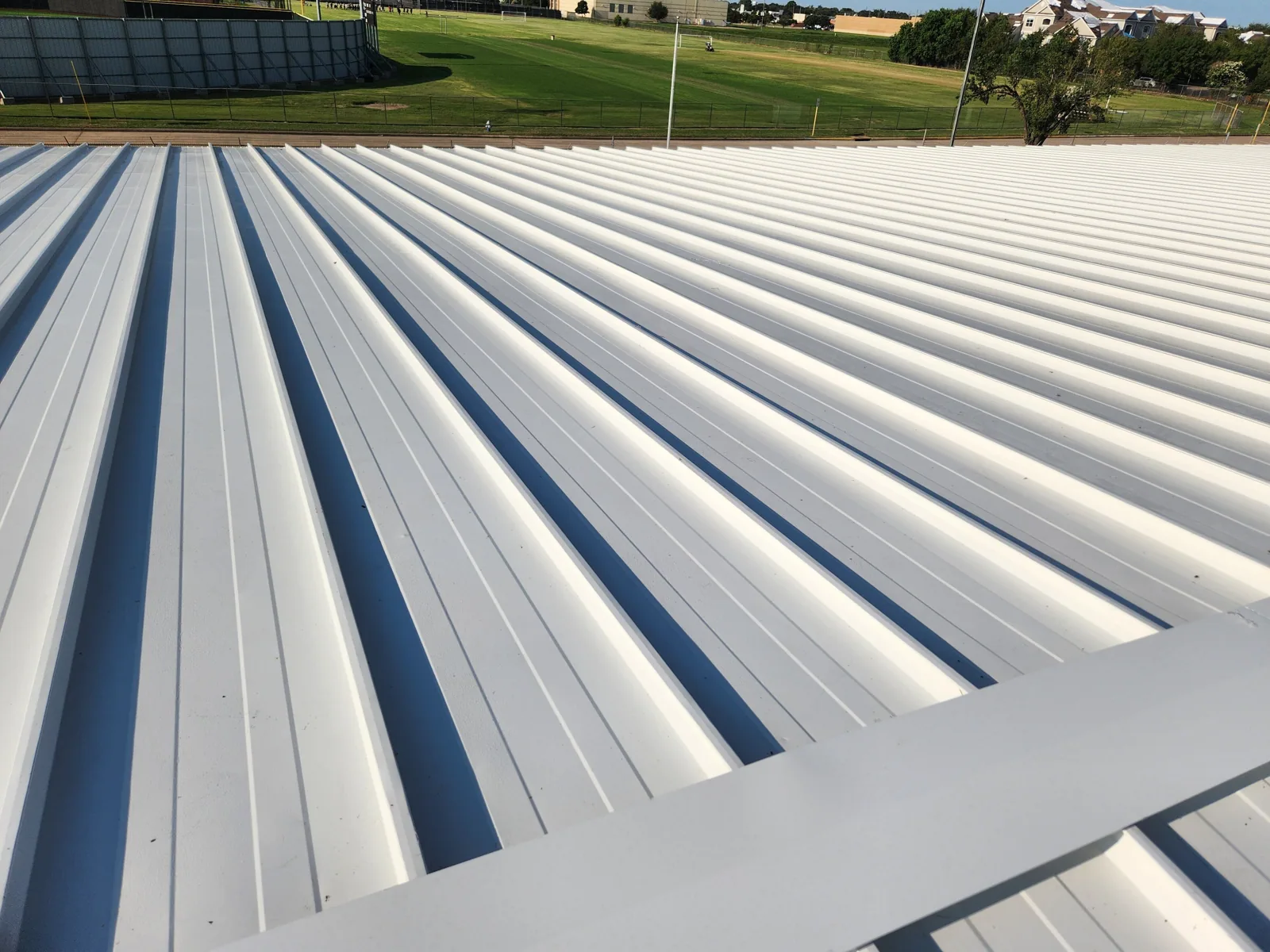
KEE stands for ketone ethylene ester. It is a PVC-alloy membrane, welded with hot air like PVC, with a modifier that keeps the sheet flexible and resistant to oils over time.
The issue: why ordinary sheets fail near exhaust
Standard PVC and TPO sheets hold plasticizers or polymers that fats, oils and some solvents can pull out or soften. The sheet then stiffens, cracks or swells. Hot air from exhaust speeds it. A few years of that and the area around the fan leaks.
KEE is formulated to keep its flexibility and resist these exposures for longer. It is a chemistry choice, not a color choice. We look for the signs on your roof before we pick: dark stains downwind of fans, soft or tacky surface, blisters, cracks at welds. PVC roofing is the lower-cost step before KEE.
Fuel is the other exposure. Roofs with fueling areas, generators or vehicle exhaust near the roof can see petroleum vapor and drips. KEE is built to tolerate more of that than a standard sheet. We ask what is stored, vented or burned near the building before naming a system.
What it costs: premium sheet, targeted use
KEE carries a price premium over standard PVC. The premium is meaningful on a large roof, so we rarely recommend it for a whole building. We use it where the exposure is real: a ring around exhaust fans, a strip downwind of a stack, or the full roof of a plant that vents oil mist.
The bid shows the zones and the price of each. You see KEE where it matters and PVC or TPO elsewhere, with proper transitions between sheets. A mixed roof usually costs far less than an all-KEE one and performs the same. We hand over the zone map with the numbers beside it.
Welding KEE takes the same crew skill as PVC, and the same care at details. Transitions between sheets are where cost can sneak in, since each needs a proper seam and flashing. We draw the transitions on the plan and price them, so the number you see is the number you pay.
Heat and humidity: what the Birmingham climate adds
Birmingham logs roughly 65 days at 90 degrees or higher a year, and relative humidity averages near 70 percent. A roof under exhaust sits above that. The surface near a fan can run well above air temperature all summer. Heat speeds the wear that oils start.
Humidity brings mildew and dirt, which hold grease on the surface. Washing near the fans keeps it from building. We set a wash schedule in the care plan, and we recommend grease trays under exhaust outlets so the sheet sees less of the film. Together they stretch the life of any membrane near a kitchen or a plant stack.
Mechanical rooms and process areas below add heat from beneath. Warm air through an uninsulated deck bakes the underside of the insulation and the sheet above it. Insulation quality matters as much as the sheet, and we check it during the survey.
Storm season: wind and hail on a specialty sheet
Dixie Alley weather peaks in spring and comes around again in November and early December. Major tornadoes struck in 1977, 1998 and 2011. A hailstorm on April 25, 2003 dropped stones up to softball size across central Alabama.
On KEE, dense attachment at the edges and corners deals with wind. Hail can still bruise insulation, so a cover board is wise under any thin sheet. After a hard storm we probe the seams and look at the fan curbs, where a shifted housing can open a gap. Our membrane puncture repair crews patch holes with matching sheet and weld them in place.
Temporary repairs on a specialty sheet need care. A tarp or a cold patch can mark or stain KEE and make the permanent repair harder. We carry matching sheet for emergency patches, weld them in and note the location. That keeps storm repair clean and leaves the warranty intact.
By building: where KEE earns its keep
Think of kitchens on restaurant and hotel roofs, plants and shops with oil mist exhaust, labs and some medical buildings. Industrial roofs in Bessemer and Hueytown become candidates when process vents blow onto the roof.
A manufacturing plant roof starts with a vent survey. We list each stack, fan and vent, note the direction of the plume and mark the zone it reaches. The same plume survey applies to industrial roofs in Bessemer and Hueytown, wherever a process vent blows onto the sheet.
A restaurant remodel or a plant expansion can change the plume. A new hood or a relocated stack moves the zone, and the roof needs to follow. We keep the vent map in your roof file and update it whenever the building changes.
More on KEE Roofing
Recommendation: how to decide
Do a plume check. Walk the roof, note every vent and look for staining. If the sheet is soft or stained where an outlet's plume lands, use KEE there. If the roof is clean, use TPO or PVC and save the premium.
We put the zone map and the price of each zone in writing, with a care plan that lists wash dates and tray checks. Then comes the budget year. A failed zone repaired now costs less than a section replaced in storm season, and our commercial roof repair crews can swap just the damaged ring.
Plan a one-year walk to confirm the sheet, welds and fan curbs are holding. If the zone shows staining, adjust the wash plan or add a tray. Catching a small change early is the cheapest way to keep a specialty roof working.
Commercial Roofing Questions
Is KEE worth the extra cost on a restaurant roof?
Often only around the fans. A ring of KEE near the exhaust protects the part of the roof that sees grease, while standard PVC covers the rest. If the whole roof is under heavy exhaust, or the owner wants the longest service from a specialty sheet, a full KEE roof can make sense. We price the zones separately and let you pick.
How do I know if my roof needs KEE?
Look for dark staining downwind of exhaust, a soft or tacky surface, blisters, cracks near welds or a sheet that has hardened. Press on the surface near a fan. If it feels spongy or stiff, the sheet is attacked. We test it and photograph the zone. The photos and a plume sketch show what the sheet is facing.
Can KEE be installed over an old roof?
Sometimes. A recover works when the old roof is dry and sound and the layer limit allows it. A separation layer or cover board is often needed so the sheets do not react. A moisture scan and a few cores decide whether a recover is possible, and we show you the readings before the bid.
Does KEE need more maintenance than other sheets?
About the same, with extra attention to the exhaust zone. Wash near the fans, empty grease trays on a schedule, keep drains clear and walk the seams each spring and fall. These steps are cheap and extend the life of the sheet. We put them on a one-page care plan.
Related Roofing Work
PVC Roofing
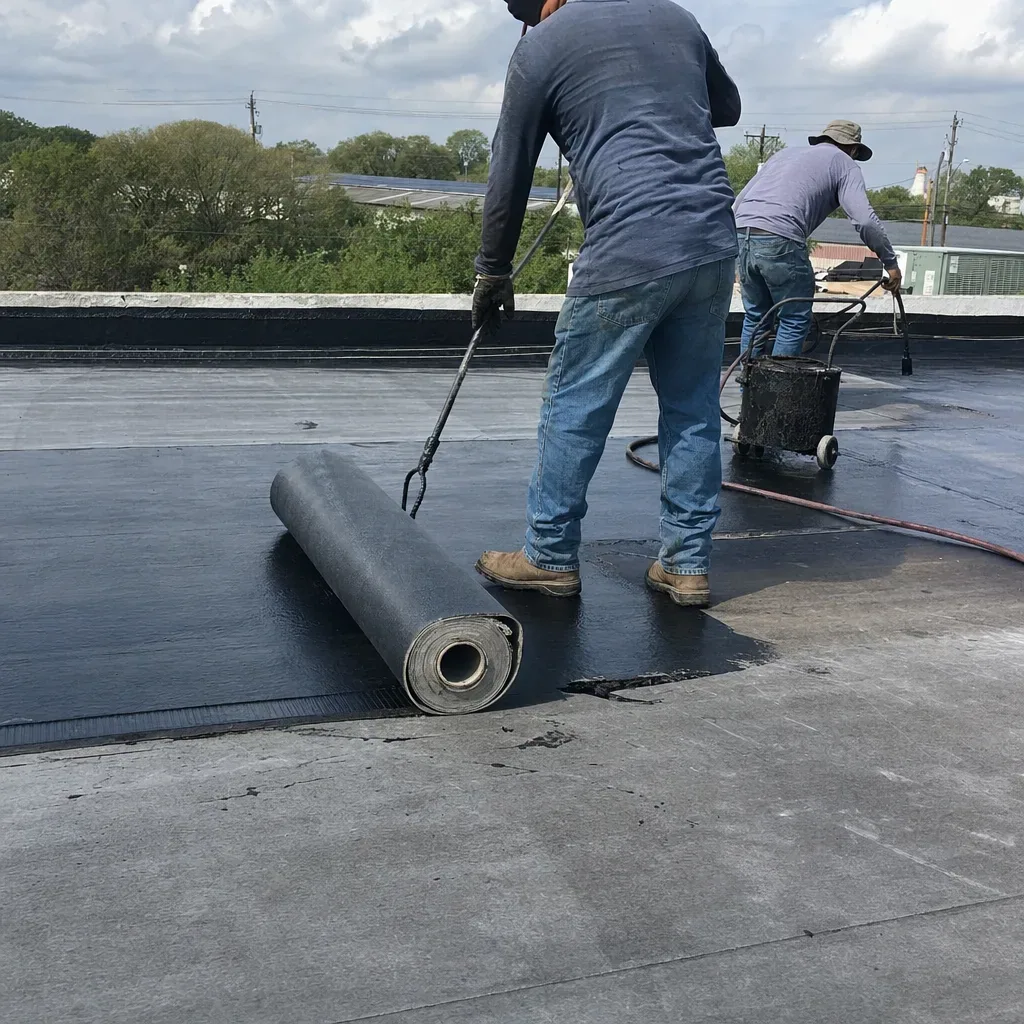
Membrane Puncture Repair
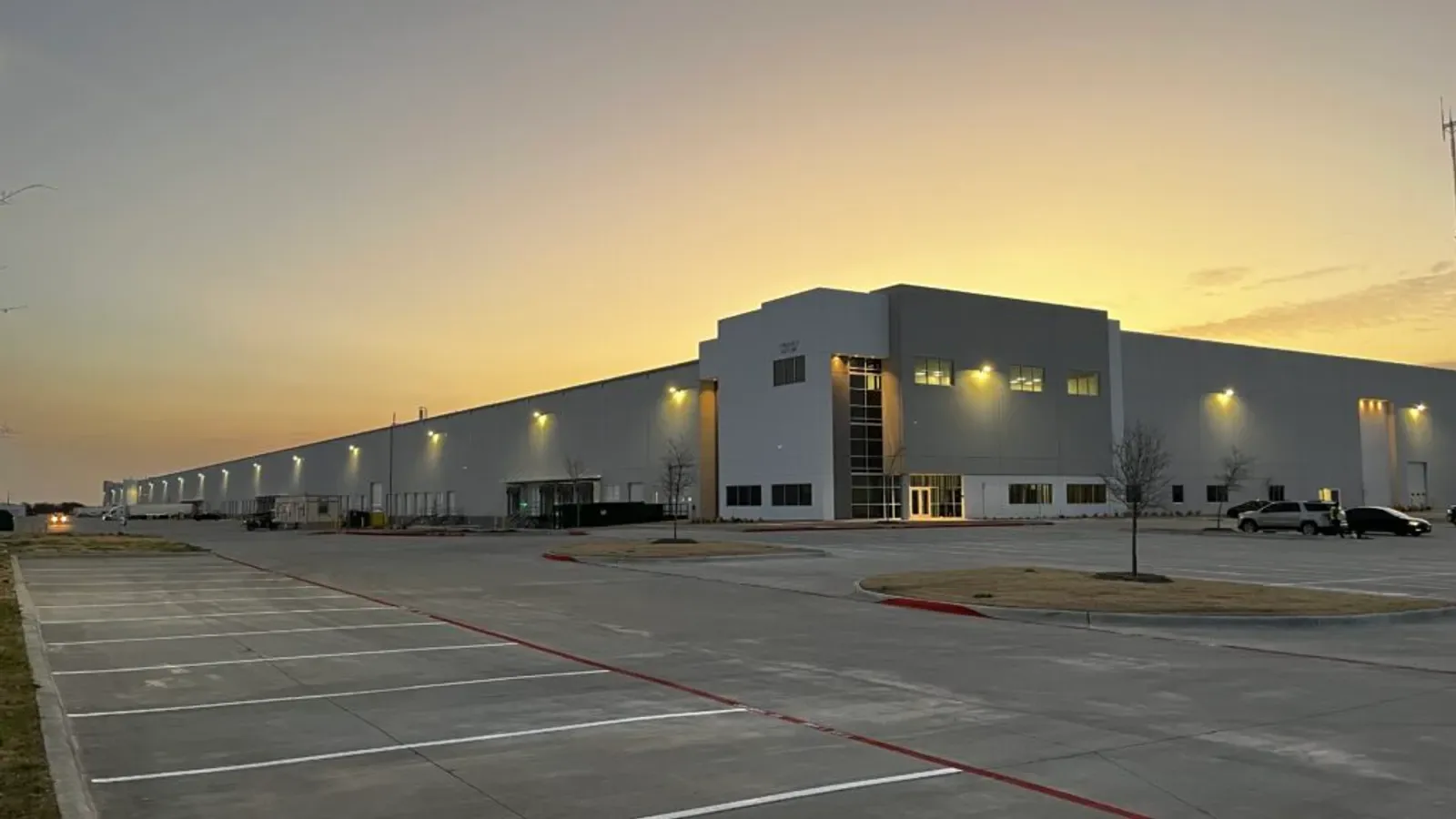
Manufacturing Plant Roofing
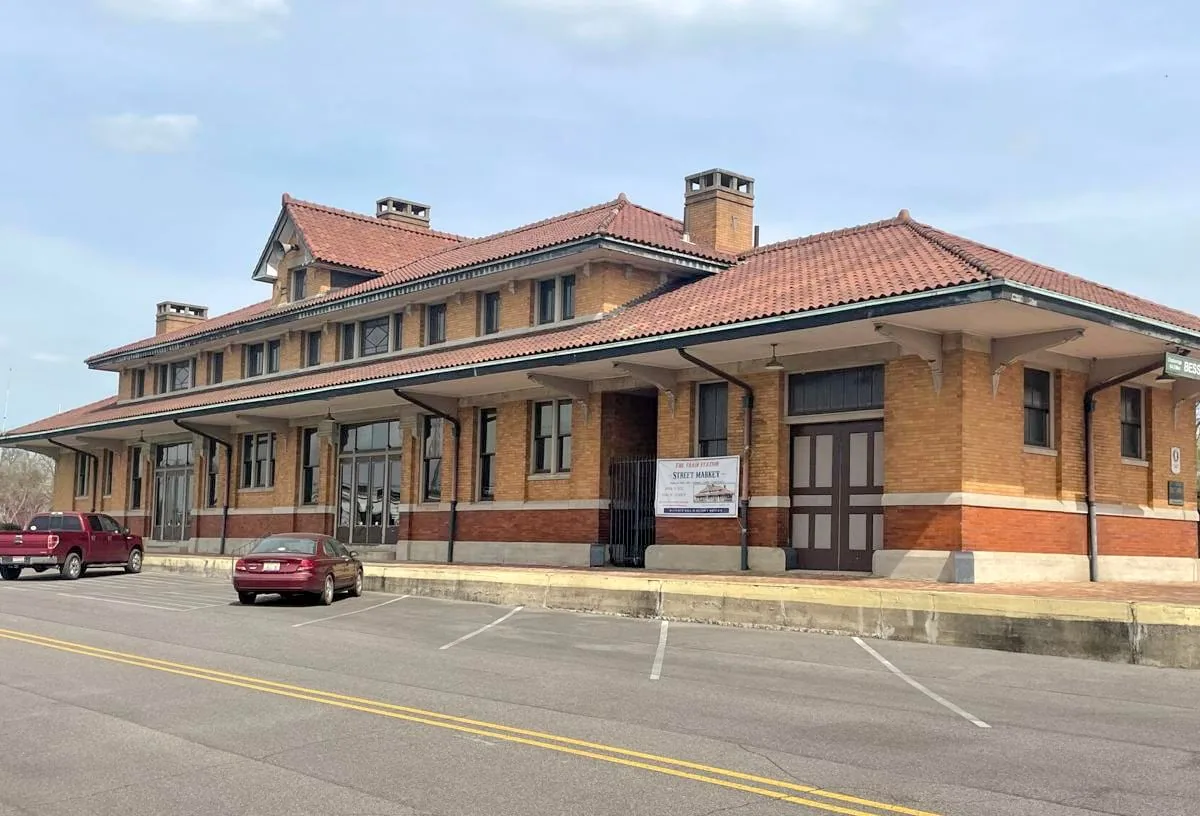
Bessemer
Emergency Leak Calls
Call for a plume walk and a zone price
We will walk the roof, map every vent and the staining it leaves, and price KEE only where it is needed. The visit pins down the zones and the budget year.