
Commercial Roof Repair
Commercial Roof Repair in Hoover, AL
Ten small repairs done in January beat one big one in June. That is the plain math of a flat roof in Hoover, AL. Heat, humidity and spring storms all work on the same weak points: a seam, a flashing, a pipe boot. Fix those while they are small and the roof keeps its life. Wait, and the water finds its own route into the insulation.
Planned repair is different from an emergency call. Nobody is standing under a drip. We walk the roof, list what is wrong, and put a price on each item. You choose what goes this quarter and what waits for next year's budget.
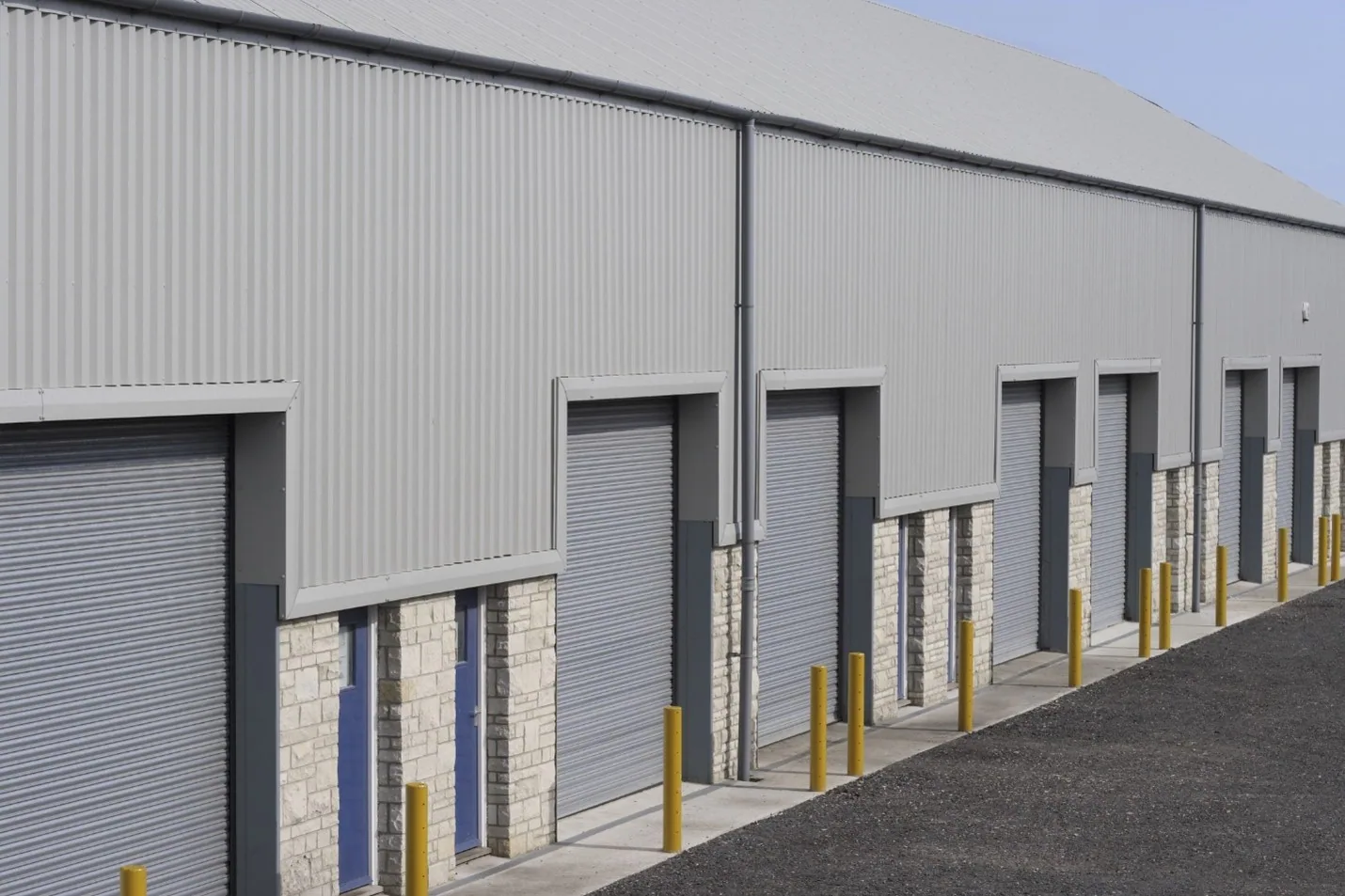
The punch list: what we look at first
A repair visit starts with a walk. We carry a probe, a camera and a moisture meter, and we read the roof from the drains outward.
- Seams: open laps, pulled welds, failed adhesive at overlaps.
- Flashing: loose counterflashing, cracked sealant, open corners at walls.
- Penetrations: pipe boots, conduit supports, vent stacks and curbs.
- Drains and scuppers: debris, loose clamps and standing water at the outlet.
- Surface: blisters, splits, punctures, worn granules and exposed fabric.
- Edges: lifted coping, loose fascia, missing fasteners at the perimeter.
Each item gets a photo, a location on the roof plan and a repair price. You see the whole roof on one sheet.
Heat and humidity: what summer does to details
Summer here brings roughly 65 days at 90 degrees or higher, with humidity hovering near 70 percent. That combination stresses a roof every day, not just in storms. Membranes expand in the afternoon and shrink at night. Over years, that movement pulls at seams and loosens sealant at flashing.
The weak points are predictable. Sealant at counterflashing dries and cracks. Pipe boots split where the rubber meets the pipe. Seams open at corners where stress piles up. These are small repairs when found early. Heat and UV repair goes after exactly those spots before they turn into leaks.
After the storm: repair work in the weeks that follow
Storms leave quiet damage. A January 25, 2021 EF3 tornado caused heavy structural damage to homes, vehicles and businesses in Fultondale. The Hueytown area took an F5 on April 8, 1998 and an EF4 on April 27, 2011. Roofs well outside the path of a tornado still take wind, debris and hail from the storms around it.
After a bad storm we check edges first, because that is where wind starts. Then we look for punctures from flying debris, lifted flashing and bruised membrane from hail. Hail damage often hides until the next heavy rain, so we recommend a walk even when nothing is dripping. When the survey turns up storm damage, the next step is storm damage repair, starting with a temporary seal.
How we repair: methods by membrane type
A good patch matches the roof. TPO and PVC repairs are heat-welded, so the patch becomes part of the membrane. EPDM repairs use primer and tape or liquid adhesive, and the surface has to be clean and dry. Modified bitumen repairs use torch or cold-applied adhesive and a granulated cap. Built-up repairs mean cutting out the bad area and building the plies back in layers.
Flashing repairs differ again. We often rebuild the flashing rather than caulk over it, because sealant alone rarely holds on a corner that is moving. For seam failure, we clean the laps, test the weld or bond and reseal the full run, not just the visible gap.
Budget line: repair now, repair later, or replace
Not every item needs work today. We sort the list into three groups. The first is fix now: active leaks, open seams and anything near wet insulation. The second is fix this year: worn sealant, small punctures and aging boots. The third is watch: items that are sound today but wear fast.
That sort lets you spend where it counts. It also shows when repairs have stopped paying. If the fix-now list is long and the damage is spread across the roof, the repair bill is climbing toward replacement cost. A commercial roof replacement may then be the better use of the budget, and we will show the numbers side by side.
More on Commercial Roof Repair
Access and safety: how a repair day runs
A repair day is short and planned. We confirm roof access with the property manager, check for fall protection needs near edges and skylights, and tell the tenant when we will be overhead. Materials go up in small loads. Hot work, such as torch-applied membrane, gets a fire watch and a clear plan for the hours after we leave.
When we finish, we walk the roof again with photos of each completed item. You get the before and after record, which is useful for your warranty file and for the next person who manages the building. If we find a new problem while we are up there, we mark it and price it separately. We do not start extra work without your approval.
Keeping repairs from coming back
Most repeat leaks come from the same causes. Debris plugs a drain and water stands. A rooftop technician steps on a seam. A tree limb scrapes the membrane. None of these are mysterious, and none take long to prevent.
A scheduled preventive maintenance visit catches them. We clear drains, check sealant and note new damage from other trades. Properties near heavy tree cover benefit most from fall debris checks. About 92 percent of Mountain Brook is under tree cover, so leaves and limbs are a fall-drain job for any roof there.
Commercial Roofing Questions
How much does a typical repair cost?
It depends on the roof, so we price by item after the walk. A single pipe boot is a small job. A long open seam or a rebuilt corner flashing costs more. What drives the number is access, the membrane type and whether we find wet insulation underneath. You get a written list with a price beside each item, and you can approve them one at a time.
Should I patch a roof that is 20 years old?
Often yes, if the insulation is dry and the problems are local. A patch buys time while you plan the replacement. We look at how much of the roof has already been patched. If the repairs are scattered across the whole surface, we recommend budgeting for replacement and doing only the repairs that keep the building dry until then.
Why do some repairs fail within a year?
Usually because the surface was dirty, wet or not the right material for the patch. Sealant smeared over a dirty seam peels. A patch over wet insulation lets water keep moving underneath. We clean, dry and test before sealing, and we match the repair material to the membrane. Where the cause is movement, we fix the movement and not just the crack.
Can you repair a roof while tenants are inside?
Yes. Repairs are generally quiet and short, and we work from the roof side without entering tenant space. For leaks that reach the ceiling, we coordinate with the property manager on ceiling access and protection. We give a day and a window so the tenant knows when to expect us.
Do repairs affect my warranty?
They can. Some manufacturer warranties require approved repair methods and materials, and unapproved patches can void coverage. Send us the warranty documents and we match the repair to what the manufacturer requires. If you do not have the paperwork, we can identify the membrane and tell you which repair standard applies.
How soon after a storm should the roof be checked?
Within days, before the next heavy rain. Wind lifts edges and flashing, and hail bruises membrane in ways you cannot see from a window. A quick walk finds those spots while they are still small repairs. Waiting for a stain on the ceiling means the insulation under the roof has already been wet for a while, and that makes the repair larger and the claim harder to document.
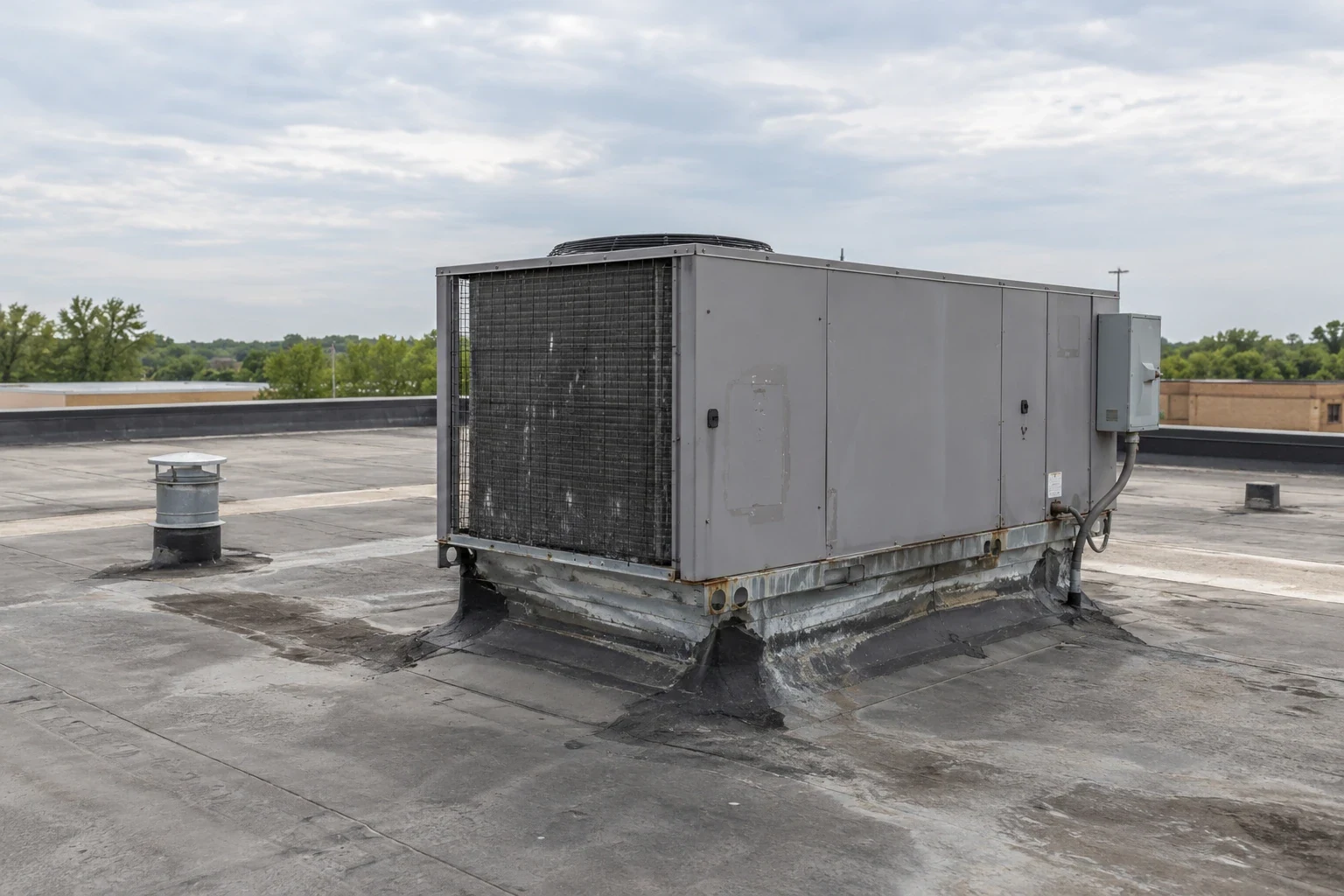
Related Roofing Work
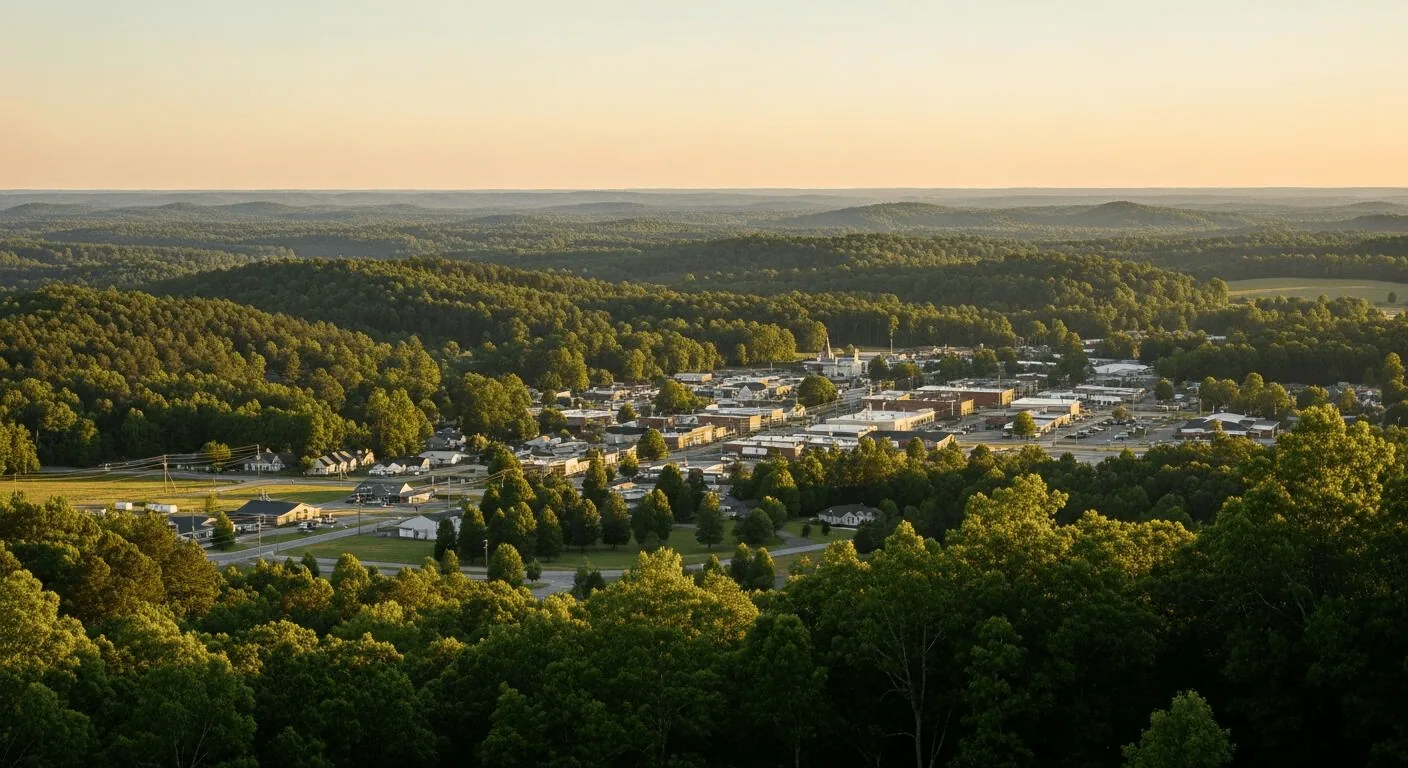
Heat and UV Roof Damage Repair
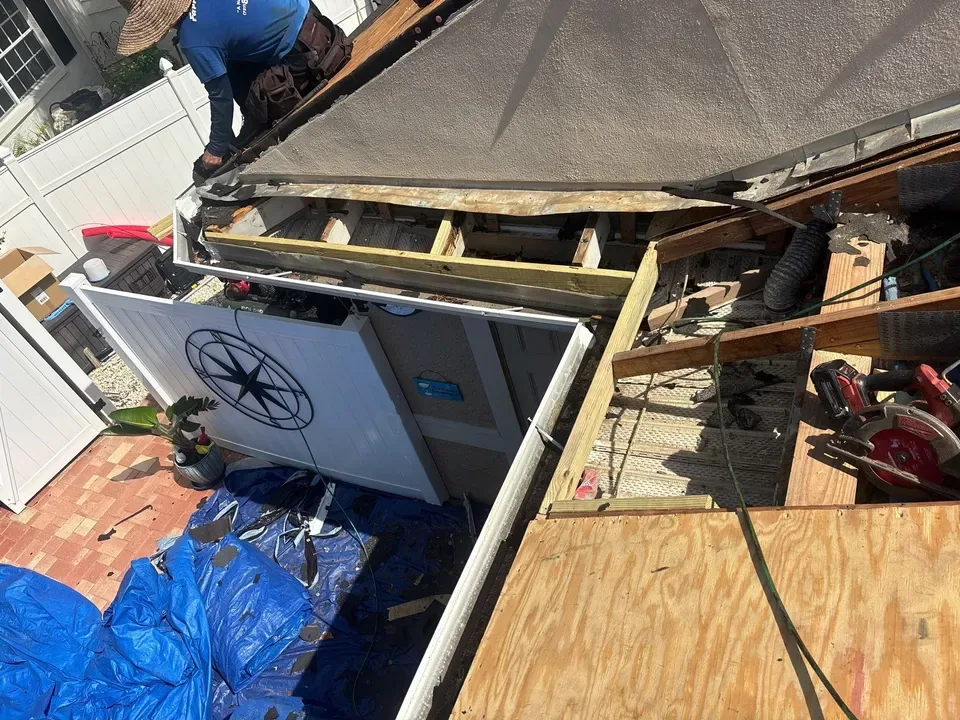
Storm Damage Roof Repair
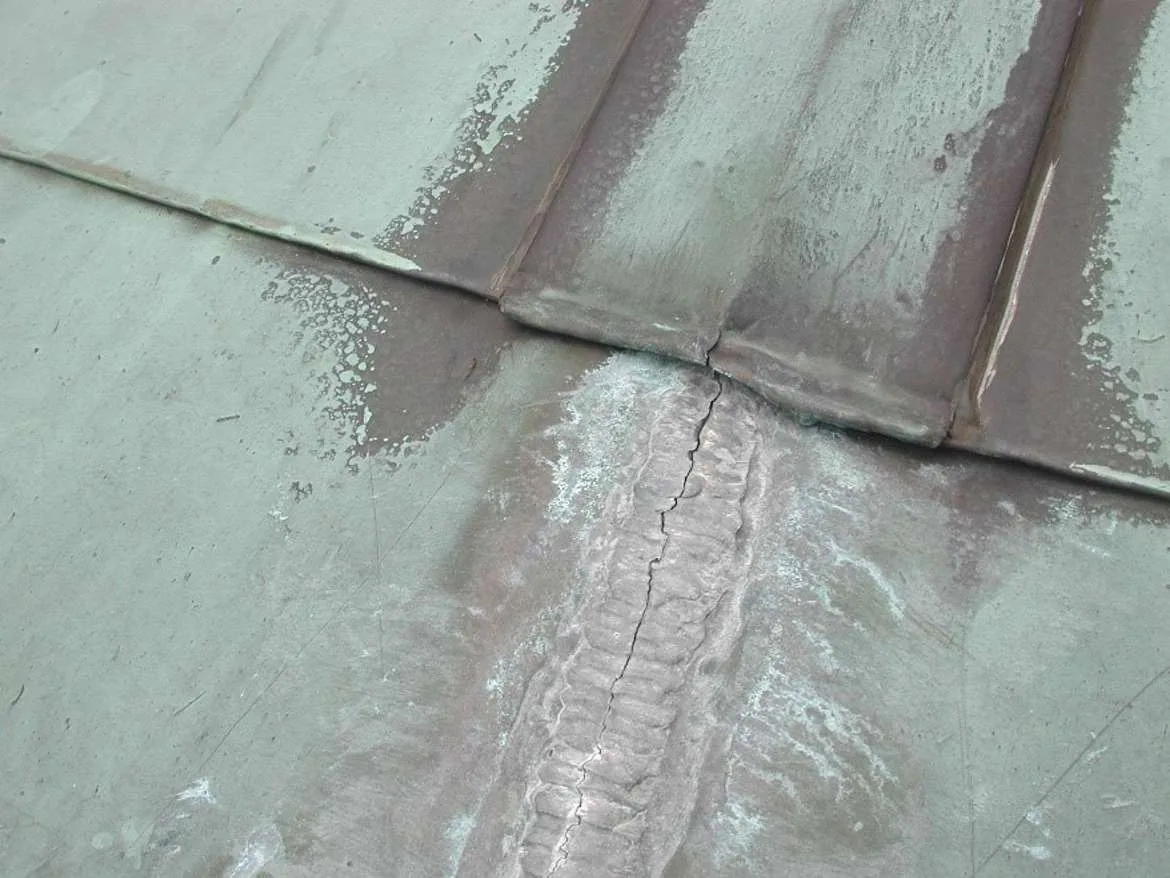
Seam Failure Repair
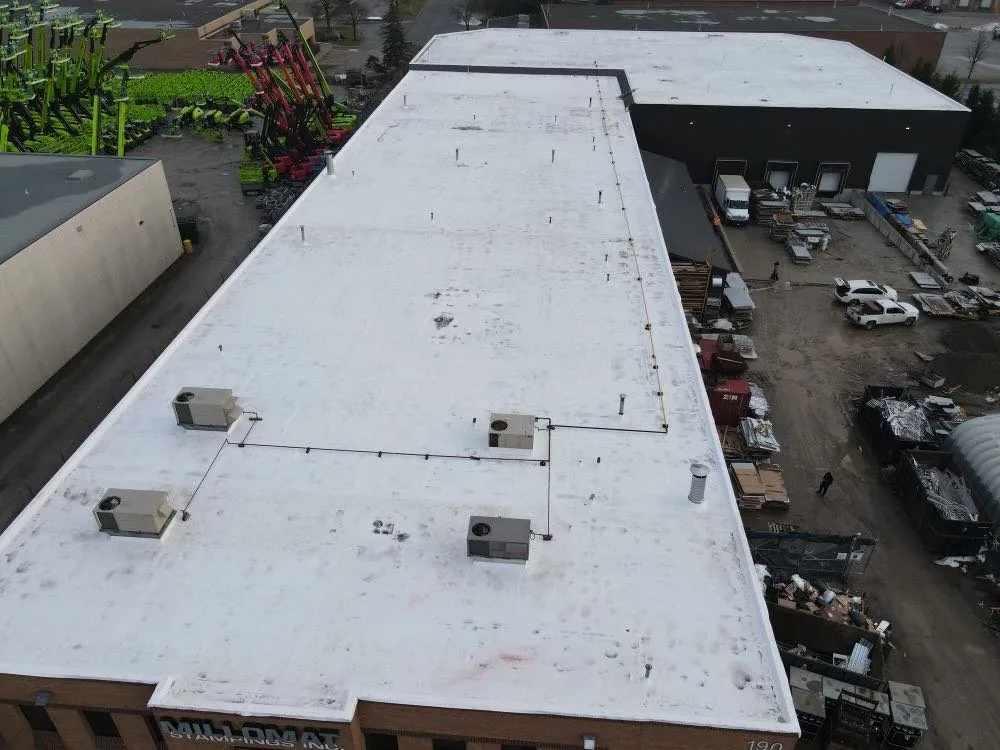
Commercial Roof Replacement
Emergency Leak Calls
Call for a repair walk and a priced list
We will walk the roof, photograph every problem and hand you a list with a price on each line. Fix it now, schedule it, or hold it for next year.