
Commercial Roof Inspection
Commercial Roof Inspection in Hoover, AL
A roof budget is a guess until someone walks the roof. We walk it. In Hoover, AL, that means looking at a building shaped by hot summers, damp air and a spring storm season that can bring hail the size of softballs. Humidity sits near 70 percent in the Birmingham area, and summer adds roughly two months of days at 90 degrees or hotter. Roofs age under that load whether anyone looks or not.
An inspection turns that age into numbers. You learn what is failing, what is sound and what it will cost to deal with each item. Then you can plan the year instead of reacting to the next leak.
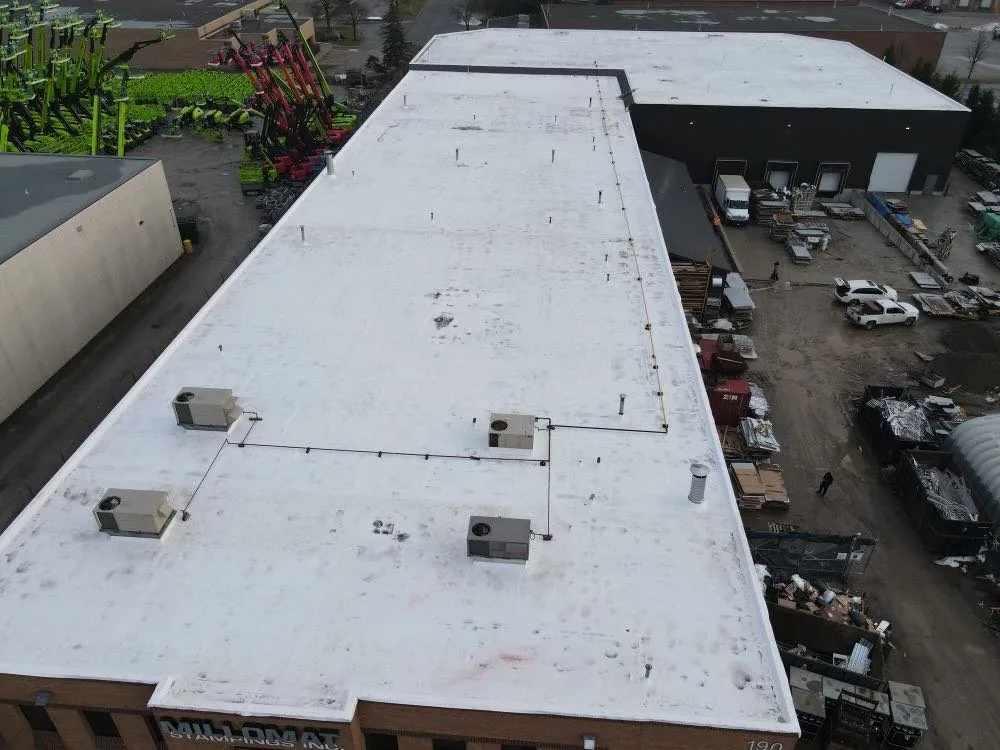
The walk: what we do on the roof
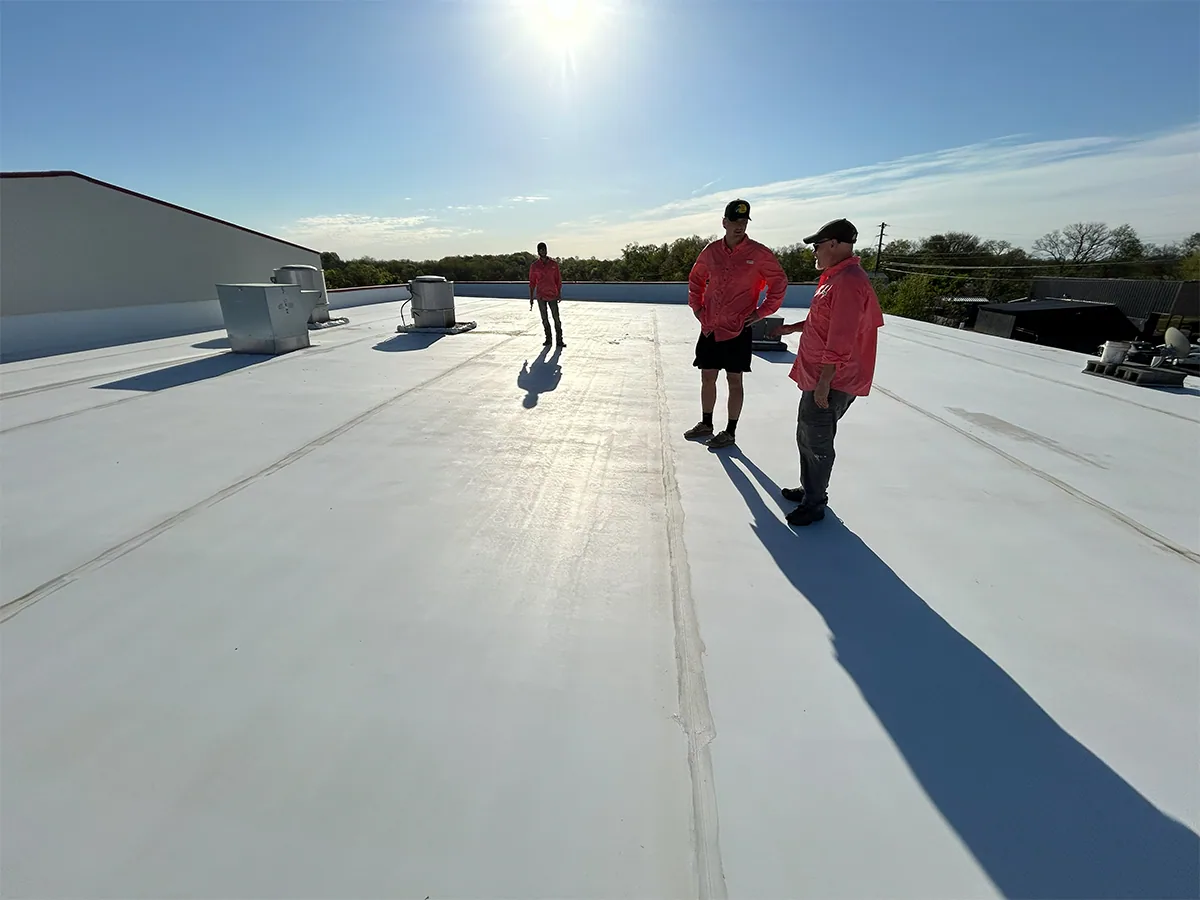
We do the work on foot. A camera shows part of a roof, but boots find the soft spots, the loose seams and the sealant that has gone brittle. We carry a probe, a moisture meter, a camera and a roof plan.
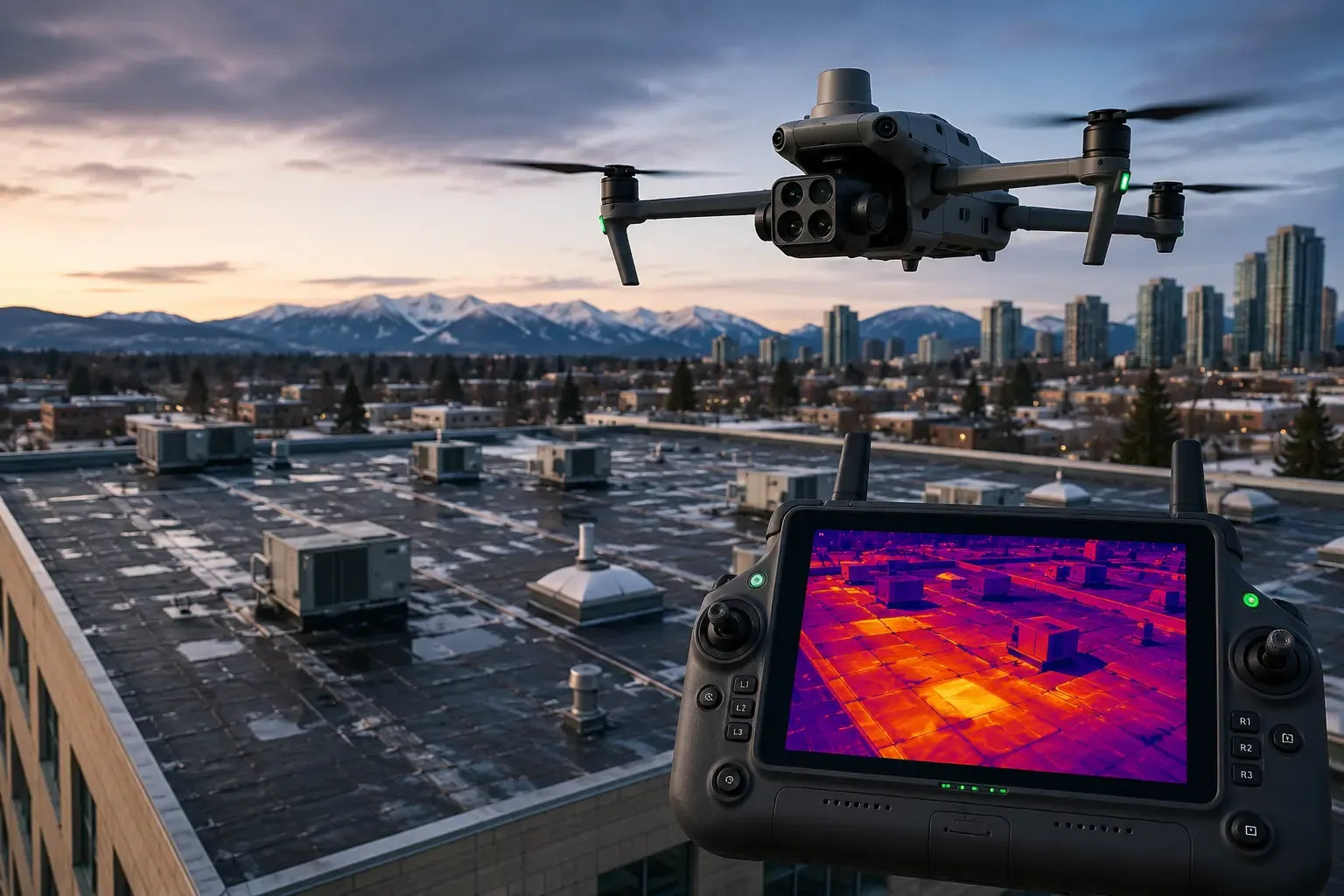
The walk follows a set order. We start at the drains, because standing water tells the story of the whole roof. Then we work the field of the membrane, the seams, the walls and parapets, every penetration, rooftop unit and curb, and finally the edges. At each problem we photograph, mark the spot on the plan and note the condition. When something looks like moisture, we flag it for follow-up with an infrared moisture survey.
Findings: what the report tells you
You get a written report with photos, a roof plan and a ranked list. Each finding gets a location, a condition note, a recommended action and a price range. We sort items into fix now, fix this year and watch. The report also records membrane type, approximate age where we can tell, number of layers where visible, and drain and slope conditions.
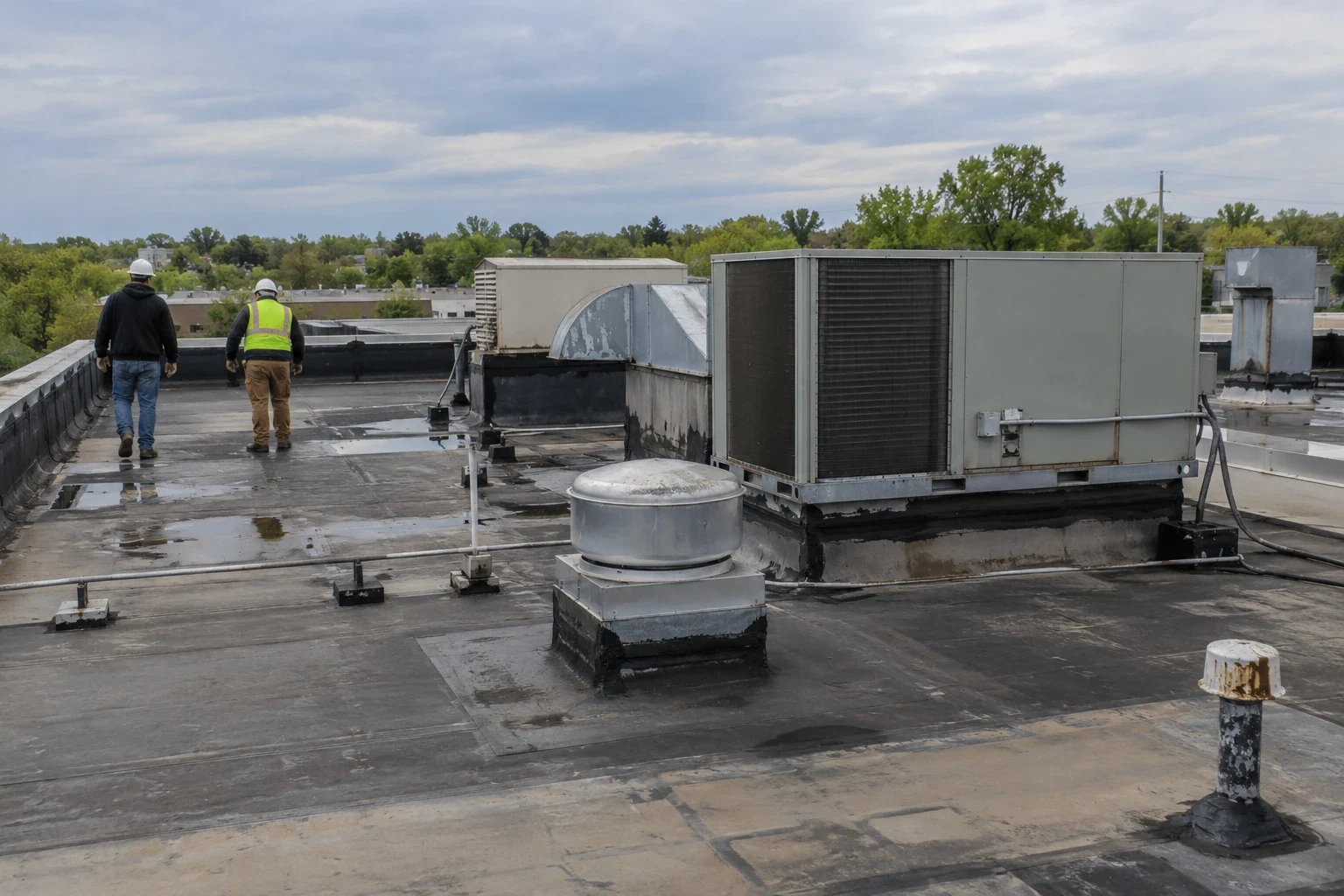
That report can stand on its own for budget planning. It is also the base for a longer-term roof condition report program, where each building gets a score and a plan. Property managers with several roofs use that to rank spending across the portfolio.
Reading the roof: age, layers and moisture
Visible condition is only part of the story. We look at how many layers the roof carries, whether past repairs sit on top of old damage and what the cores or scans say about moisture. A roof with three layers and a history of patching is a different animal from a single-ply roof with clean seams.
We also look at how water moves. Slope, drain placement and low spots decide where ponding forms. Ponding speeds up membrane wear and adds weight. When we find it, we measure its depth and mark its edge, so you can see whether it is a minor issue or a reason to talk about ponding water repair. These details do not show up in a quick glance from a ladder.
Weather check: what Alabama storms leave behind
After a storm, an inspection looks for different things than a routine one. We check edge metal and coping for lift, flashing for movement, membrane for punctures, and surface for the pitted look of hail. In 2003 the National Weather Service logged 29 days with hail bigger than three quarters of an inch across central Alabama, a reminder that hail is part of this region's weather.
We also check what the storm may have exposed. A roof that seemed fine can have bruised membrane, cracked insulation or loosened fasteners that show up as leaks months later. If you are filing a claim, the inspection photos and notes give the insurer a dated record, and claim documentation turns them into the paperwork a carrier asks for.
By building: what we look for on different roofs
Office roofs in Riverchase carry rooftop units, and we check every curb, line set and pitch pan. Retail roofs along Highway 31 and Highway 150 get extra attention at parapet walls, scuppers and storefront canopies. Industrial and distribution roofs get a close look at seams, expansion joints and drains.
Older and protected buildings add rules. Southside Birmingham holds seven historic districts under neighborhood design review, and in Homewood the Hollywood Historic District spans 815 acres. On those buildings we note what the roof shows and flag anything that may need review before work starts. Historic status does not mean a particular roof type, so we look at the actual roof.
More on Commercial Roof Inspection
After the report: deciding what to do
The report ends with choices. You can approve the fix-now items, schedule the rest across the year, or set aside budget for a larger project. We go through the list with you and explain each price. If a line looks high, we show the photo and the reason.
Some owners hand the report to their lender, insurer or board. Others use it to compare our scope with another bidder's. Either way, it is written so that someone who never saw the roof can follow it.
Timing: when to inspect
Two times a year work best. Late winter, before storm season, lets you fix weak points ahead of March and April. Early fall, after the summer heat, shows what the sun and humidity did, and gives you time to budget before year-end. Add an inspection after every major hail or wind event.
Buyers and lenders ask for inspections too. A due diligence roof survey before a purchase tells you the real age and condition of the roof. That figure can change the price you offer.
Commercial Roofing Questions
What is the difference between an inspection and a maintenance visit?
An inspection produces a report and a price list for everything wrong. A maintenance visit does small work: clearing drains, resealing a boot, tightening a fastener. Many owners start with an inspection to learn the roof's condition, then add a scheduled program. The inspection sets the baseline that every later visit measures against.
Can you tell how many years a roof has left?
We give a range, not a date. The range comes from the membrane type, its condition, the number of repairs, any wet insulation and the way water drains. A roof in good shape with dry insulation can run for years with maintenance. One with widespread seam failure and wet areas has little left. We say which group your roof falls into and show the evidence.
Do you walk every roof, or use a drone?
We walk whenever it is safe. For roofs that are too steep, fragile or large to walk, or for a quick survey, a drone roof inspection adds imaging without risking people or the membrane. Many jobs combine both: the drone for the full picture and a walk for the close detail.
Will an inspection affect my warranty?
It usually helps. Many warranties require periodic inspection and record-keeping, and a dated report shows you met that duty. If a claim comes up, the report documents the roof's condition at a point in time. Send us the warranty paperwork and we will match the inspection to its requirements.
How long does the visit take and will it disturb tenants?
A typical roof takes a few hours, depending on size and equipment. We work from the roof, so tenants rarely notice. If we need to check a ceiling or an interior leak, we coordinate with the property manager first. You get the report after the visit with the photos and the list.
Should I inspect a roof that is not leaking?
Yes, because a dry ceiling only tells you the water has not reached it yet. Seams loosen and sealant dries long before a drip appears. An inspection of a quiet roof finds those early failures while the repairs are small and the insulation is still dry. It also gives you a baseline, so the next report shows exactly how fast the roof is changing.
Related Roofing Work
Infrared Moisture Survey
Roof Condition Reports
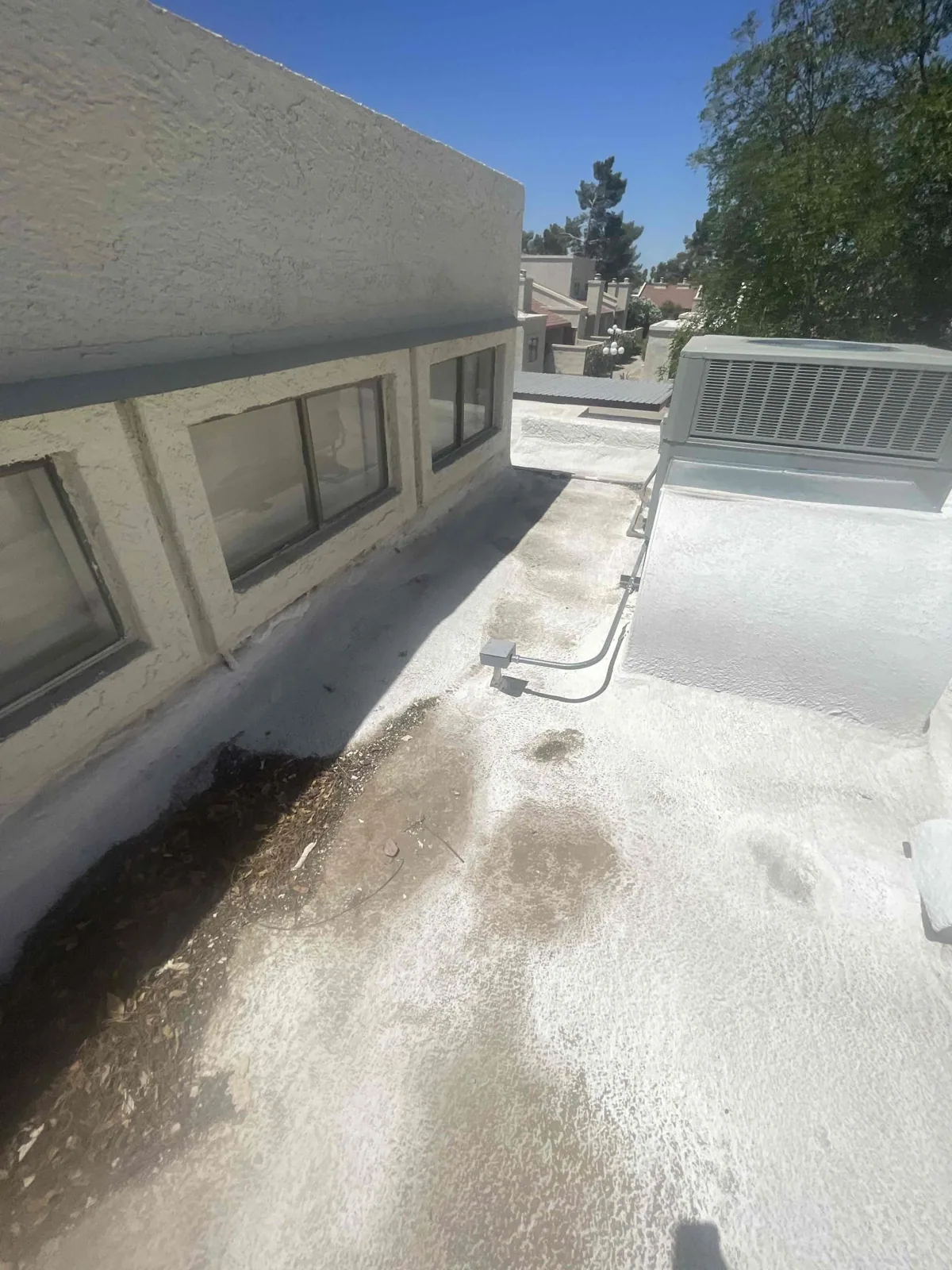
Ponding Water Roof Repair
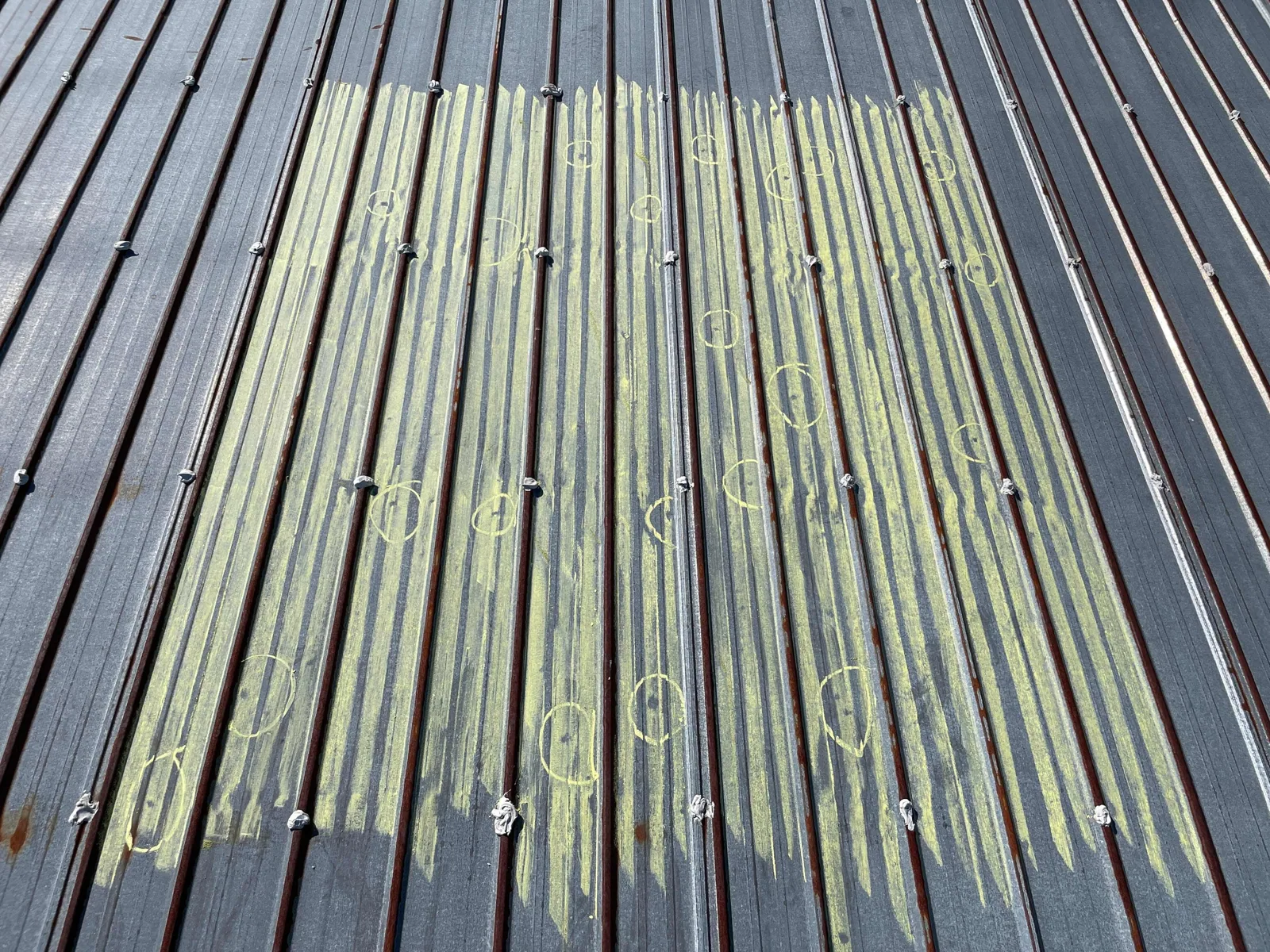
Roof Insurance Claim Assistance
Emergency Leak Calls
Call to book a roof walk and written report
Tell us the address, the roof type and what worries you. We will walk the roof and send back photos, a plan and a priced list you can budget from.