Built-Up Roofing
Built-Up Roofing in Hoover, AL
Tar and gravel is not dead. It is the oldest commercial flat roof in the book, and a core cut is the only way to know whether a given Hoover, AL building still wears one. Built-up roofing, or BUR, is layers of felt or fabric mopped together with hot asphalt, then topped with gravel or a cap sheet. Done well it lasts. Done badly it blisters. We repair, restore and replace BUR roofs, and we tell you what each choice costs this year and next.
The plain question is whether your BUR roof is a restoration job or a replacement job. A walk and a few cores answer it.
The issue: how BUR is built and why it ages
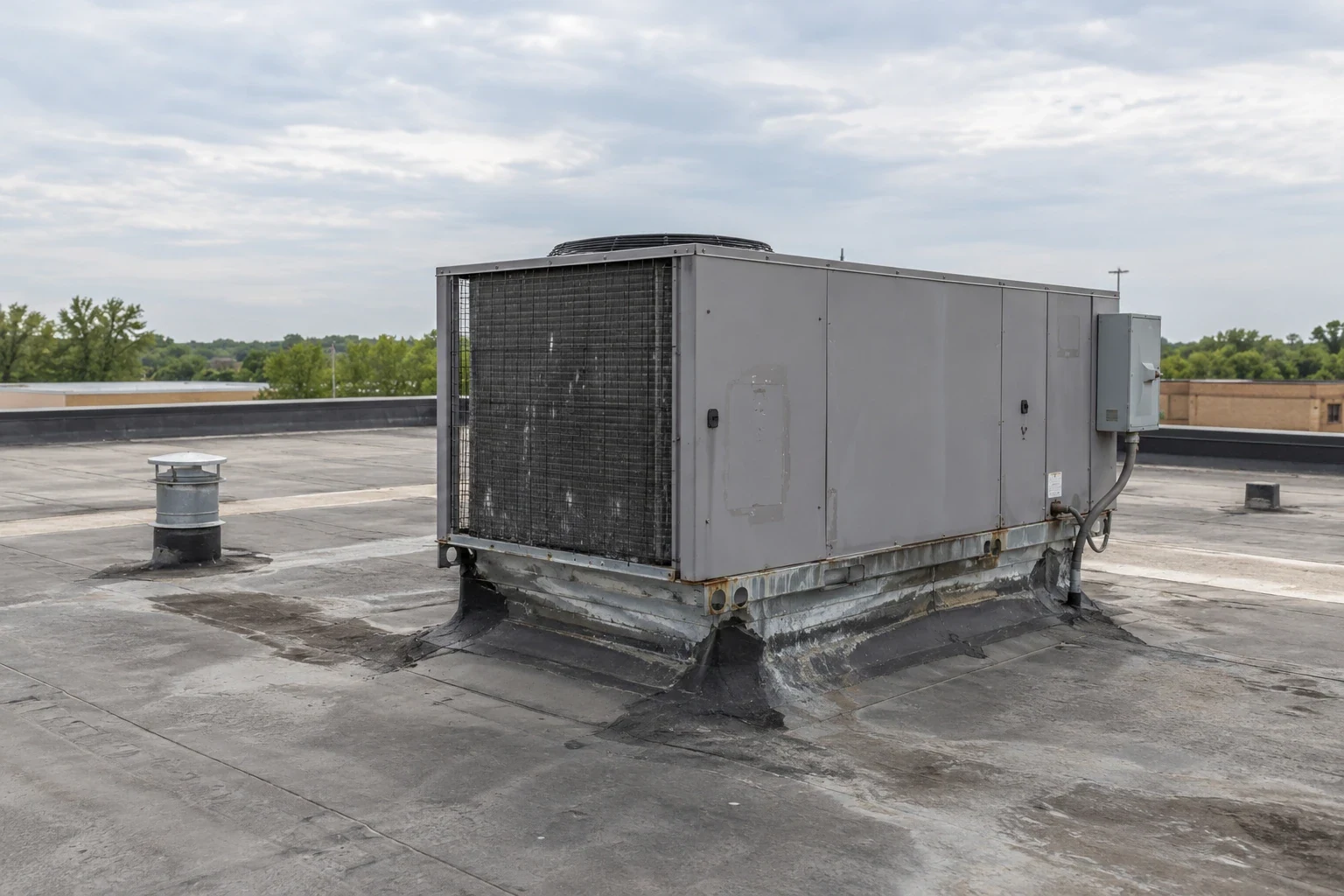
A BUR roof is built in plies. Each ply is felt or fabric. Each is mopped to the next with hot asphalt. The top is a flood coat with gravel, or a granule cap sheet. The layers give depth. They also give weight.
BUR ages in recognizable ways:
- Gravel scours away from drains and edges, leaving bare asphalt.
- Blisters form where moisture was trapped between plies.
- Splits open along felt laps, mostly at cold-weather lines.
- Flashings crack at walls, where the plies turn up.
Gravel hides the surface, so problems sit out of sight. A probe and a moisture scan find what the eye cannot.
Weight is the other thing to know. A gravel BUR roof is heavy, and any replacement or recover must respect what the structure can carry. We ask for the drawings or check the deck from below. If the load is a question, a lighter system or a structural review comes first.
What it costs: a heavy system with a fair track record
BUR material is moderate. Labor is the large line. Hot asphalt work needs a kettle, a crew, fire control and time. Gravel adds weight and disposal cost on a tear-off. Many owners now pick modified bitumen or single-ply for new work because it installs faster.
For an existing BUR roof, restoration costs less than replacement. Repairs patch splits and blisters. A coating or a cap sheet can extend life on a sound roof. We price repair, restoration and replacement as three lines, so you can see where the money buys the most years.
Disposal is the hidden line. Gravel and wet felt weigh a lot, and hauling them costs real money. A tear-off of a thick BUR roof can be a large part of the bid. A recover or a restoration skips most of it, which is why we check whether those routes are open before we quote a tear-off.
Storm season: gravel, hail and wind
Dixie Alley runs through the Birmingham area. Severe storms come in spring and return late in the year, in November and early December. Tornadoes touched the metro in 1977, 1998 and 2011. April 25, 2003 brought hail up to softball size across central Alabama.
Gravel protects BUR from small hail and sun, but it can blow loose in a strong wind and become a hazard for glass and cars. Large hail bruises plies under the gravel. After a storm we check for displaced gravel, bruises and torn flashing. Our hail damage repair crews patch the plies and document the damage for your insurer.
Loose gravel is a liability as well as a repair. Stones thrown from a roof can break windows and cars below. After any wind event we sweep the edges, check the parapet and bag the stone that fell. Documentation of that sweep is useful if a neighbor or a tenant asks questions later.
Heat and humidity: asphalt in a Birmingham summer
Birmingham summers hold close to two months of 90-degree days, with humidity around 70 percent. Asphalt softens in heat and stiffens in cold. Over years the oils leave and the surface cracks. Humidity can trap moisture in the plies during install, which causes blisters later.
A reflective coating over a sound BUR roof lowers surface temperature and seals small cracks. A coating restoration starts with a check for wet insulation. Wet plies under a coating make blisters worse, so we scan and cut cores before we price a coat.
Cold shock is the other cycle. A summer storm cools a hot roof in minutes, and the sudden contraction cracks tired asphalt. The cracks run along felt laps first. A coat or cap sheet slows that, and a patch closes what has already opened.
By building: where BUR still shows up
Downtown Birmingham has early-1900s neoclassical office buildings at the Heaviest Corner on Earth, built between 1902 and 1912, and Homewood's Hollywood Historic District holds 412 contributing buildings. A core cut shows whether BUR layers are present.
A survey tells you what is on the roof, and whether a spray foam or a layered replacement suits the structure. Roofs in downtown Birmingham and Homewood get that survey first. Where a BUR roof is due, modified bitumen is the natural step up, since the details carry over.
Church and school roofs deserve a note. They often have low-slope sections between pitched roofs, with valleys and walls that collect leaves. A BUR section there can run for decades if the drains stay clear and the flashing is kept up. A yearly walk is cheap against a stained sanctuary ceiling.
More on Built-Up Roofing
Recommendation: restore, recover or replace
Walk the roof and cut cores. If the plies are dry and the surface is sound, restore with repairs and a coating. If the insulation is dry but the plies are tired, consider a recover with a new membrane over a cover board. If the roof is wet, replace.
We put all three prices on one page, with the budget year for each. We include gravel disposal, odor control and fire watch in the replacement line. A BUR tear-off is a messy job, and the cost should be on the page, not in a change order.
Keep a roof log. Record each repair, each leak and each inspection date, with photographs. BUR roofs reward owners who track them. The pattern of splits and blisters tells you whether the next dollar belongs to a repair or to the next budget year's replacement.
Commercial Roofing Questions
How can I tell if my BUR roof is dry underneath?
A moisture scan and a few core cuts. Infrared finds likely wet zones from the surface, even through gravel. Cores confirm the layers and the moisture at selected spots. We cut, photograph and patch each core on the same day. The results show whether restoration is realistic or replacement is the safer move.
Is hot asphalt work safe on an occupied building?
Controls make it workable: a fire watch, kettle placement away from intakes, odor control and permits. Fumes drift, so we shut or cover intakes and warn tenants. Some buildings are better served by cold-applied systems. We tell you which one fits the building, with the extra cost shown.
What should I do about bare spots where the gravel blew off?
Re-spread gravel into a fresh flood coat. Bare asphalt ages quickly in sun. A repair crew can broom, mop and re-spread in a few hours on a small area. We recommend a check after each big storm, since gravel moves in strong winds and bare patches form fast.
Is BUR still a good choice for new work?
Owners who like a layered, proven roof and can accept the weight, fire controls and install time still choose it. Many choose modified bitumen or single-ply instead for speed. We price BUR alongside alternatives and show the cost and the timing of each so the choice rests on the numbers.
How long does a BUR restoration last?
It varies with the roof's condition, the coating and the care it gets. A sound, dry roof with a good coating and yearly checks can run several more years. A roof with wet plies or wide splits will not. We give you a range based on the cores and the walk, and we revisit it at each yearly visit.
Related Roofing Work
Hail Damage Roof Repair
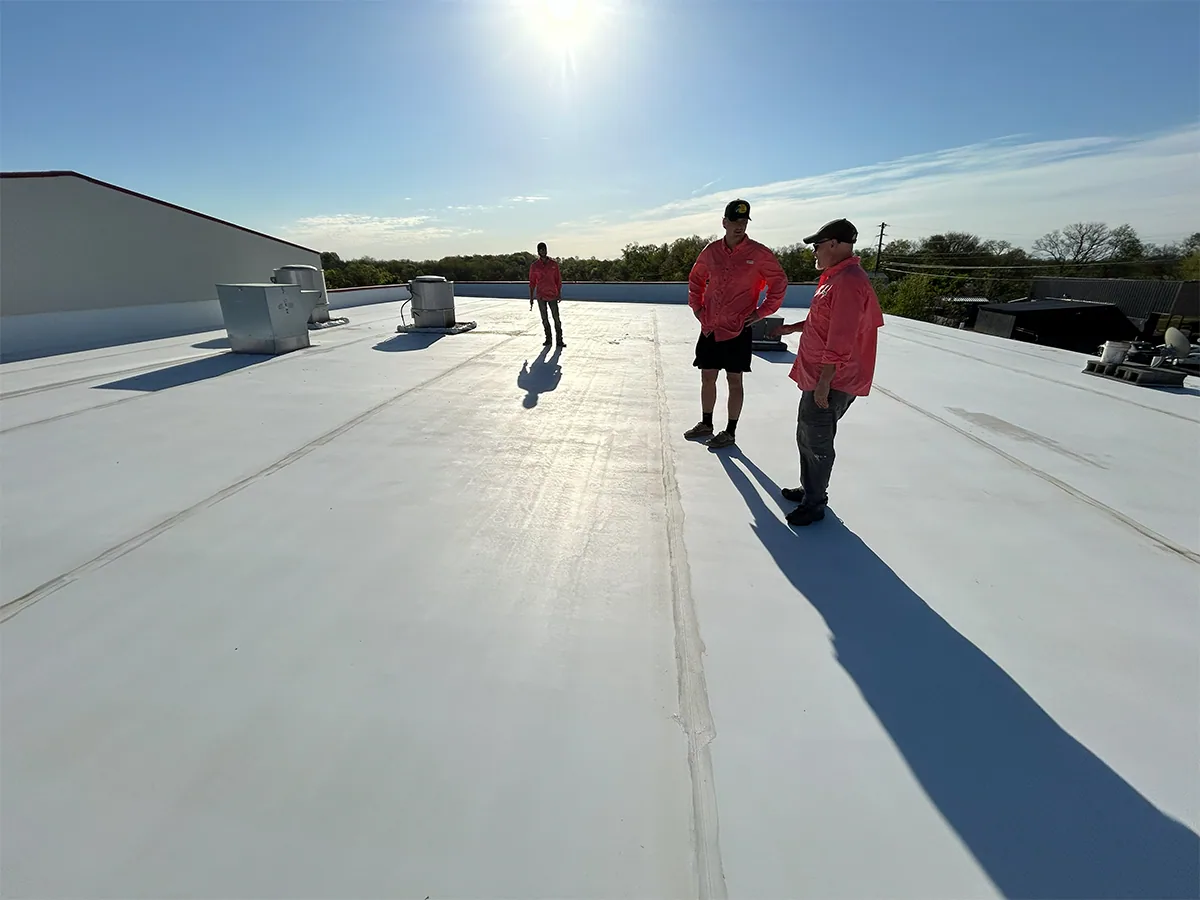
Roof Coating Restoration
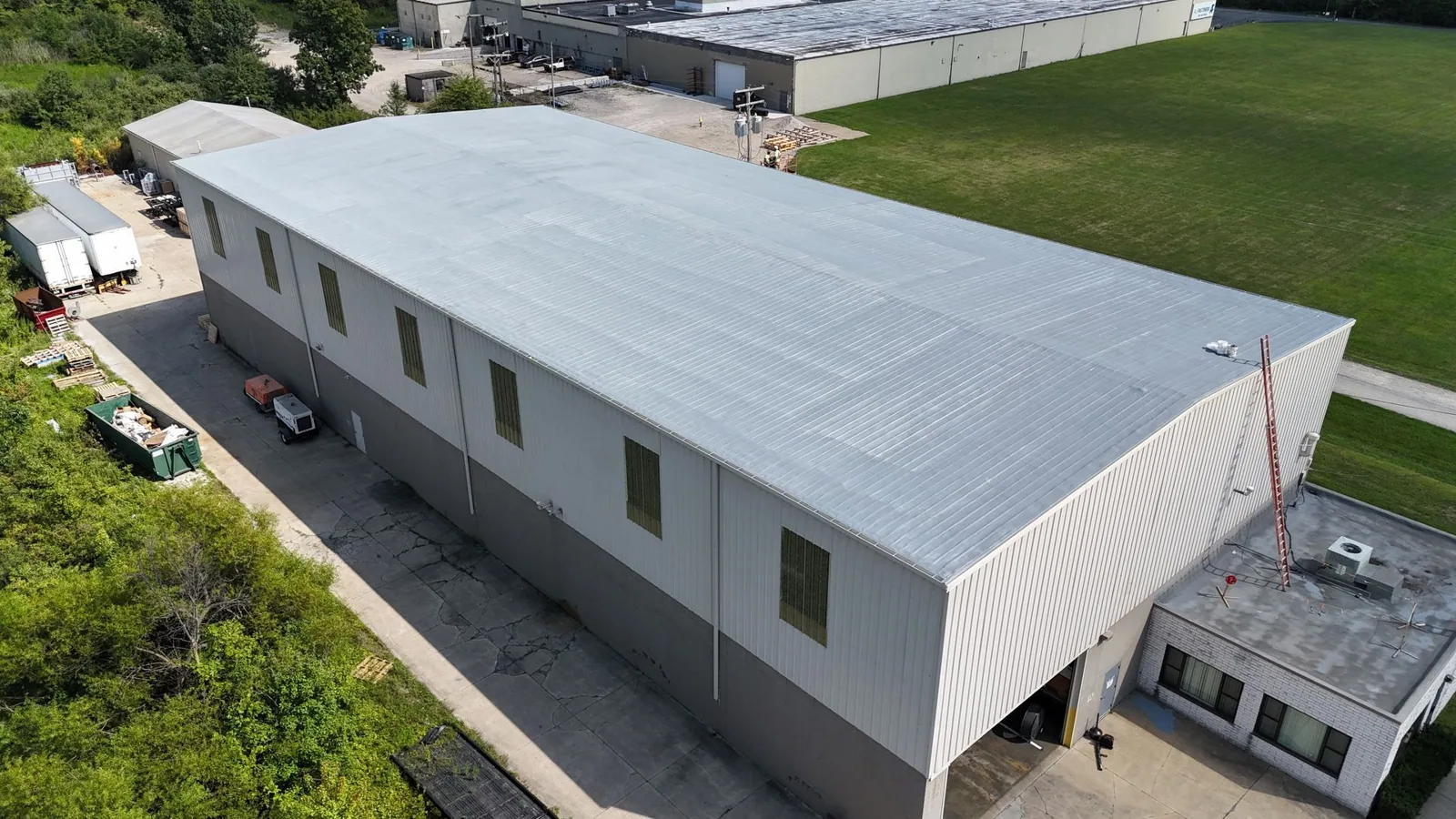
Spray Polyurethane Foam Roofing
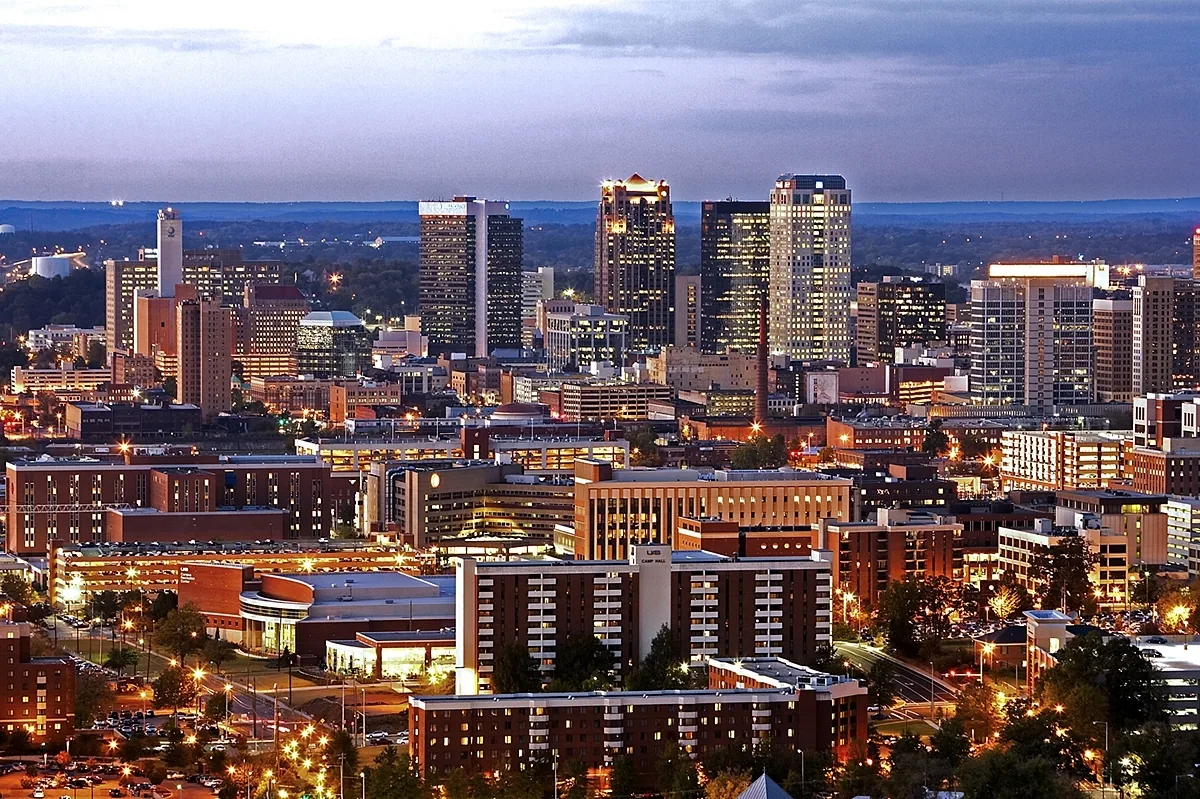
Downtown Birmingham
Emergency Leak Calls
Call for a BUR roof walk and a three-way price
We will walk the roof, cut cores and price restoration, recover and replacement side by side. The visit pins down the repair-or-replace line and the budget year.