
Preventive Roof Maintenance
Preventive Roof Maintenance in Hoover, AL
A maintenance visit in February costs less than a tarp in April. That one line is the case for upkeep in Hoover, AL. Spring is storm season here. Severe thunderstorms are common in spring, and November brings a second round. A roof that has been walked, cleared and sealed before then takes the season better than one that has not.
Maintenance is not a repair job. It is a schedule. Two visits a year, a written note each time, a baseline inspection up front, and a short list of what to fix now and what can wait a budget year. Owners get a number they can plan around instead of a surprise after the first hard rain.
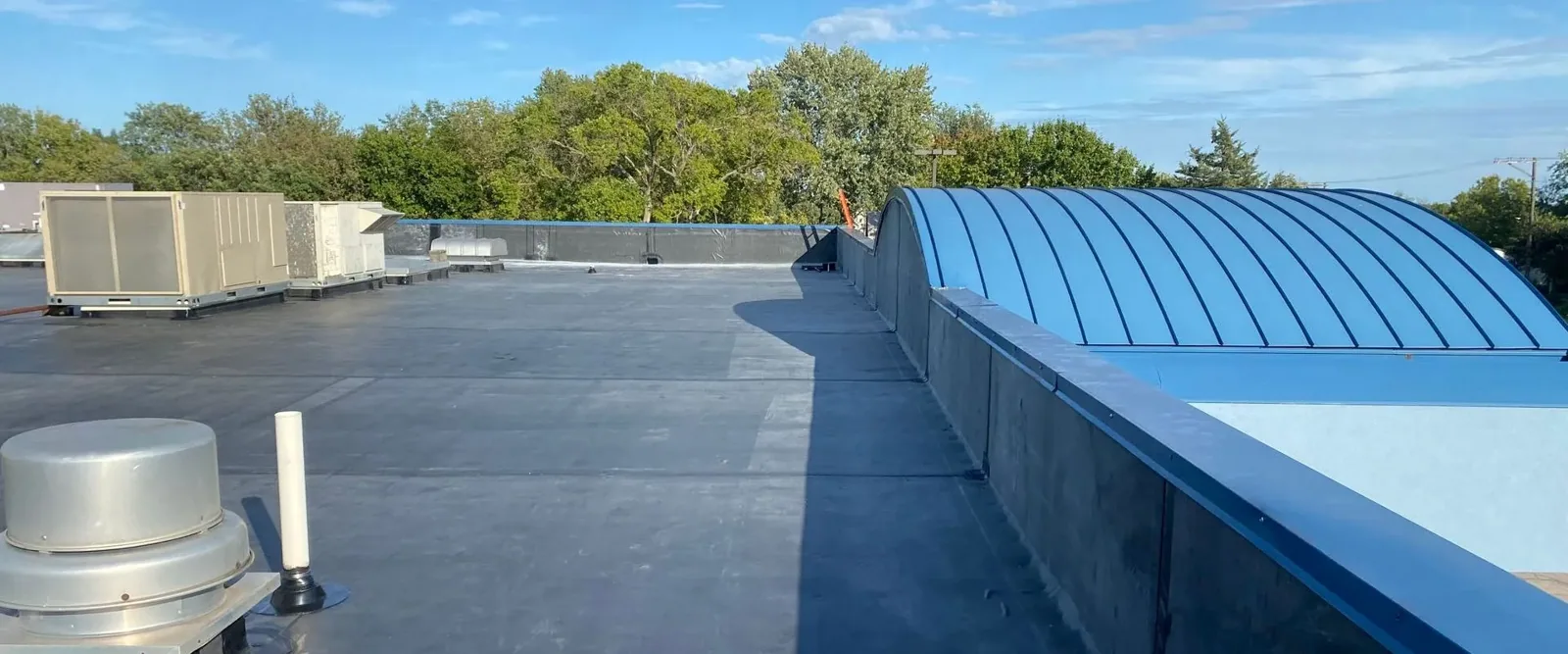
Schedule: two visits a year
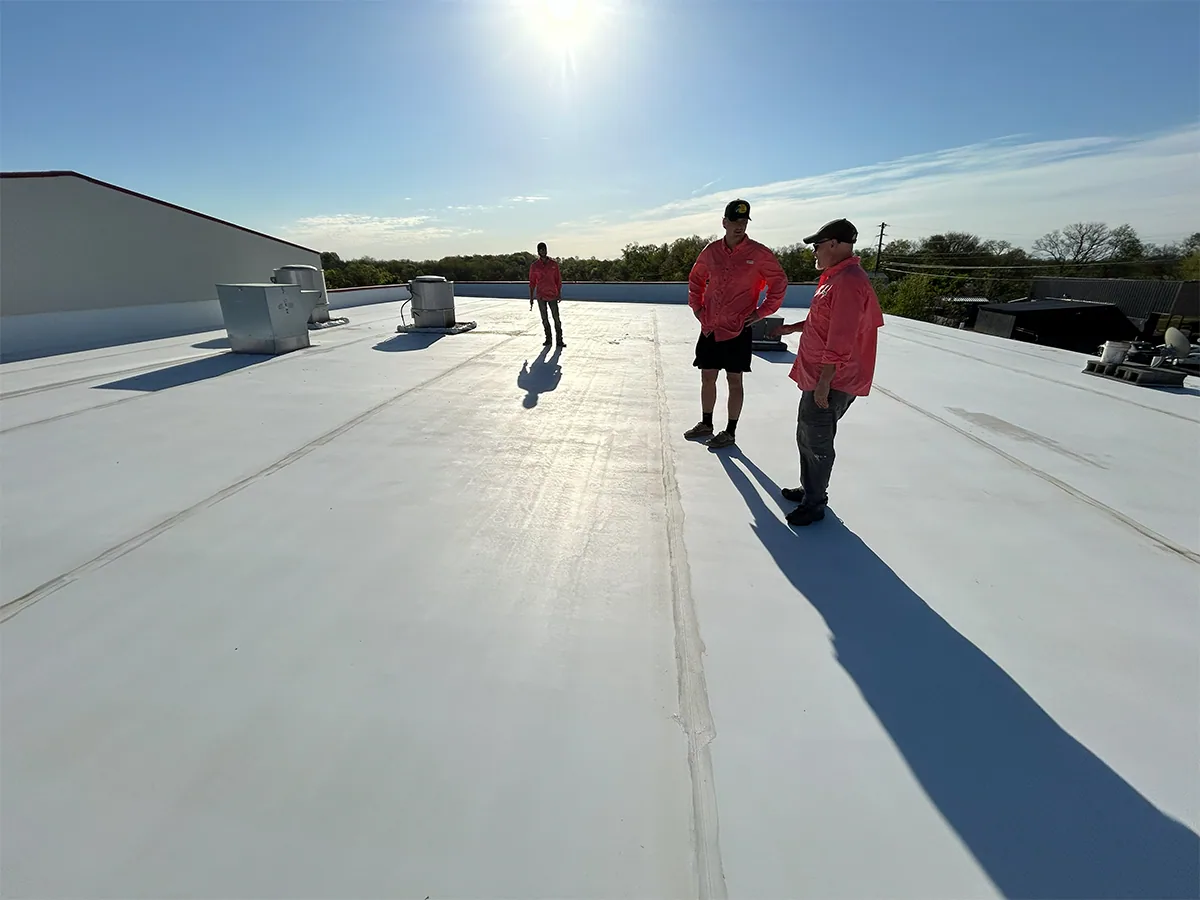
The first visit comes in late winter. It is the storm-season walk. The second comes in early fall, before the November round and before leaves fill the drains. Each visit runs the same checklist, so a change from one visit to the next shows up in the notes.
Roofs with a lot of rooftop equipment may need a third stop after a major storm. That visit is short. It looks for wind and hail marks, lifted edges and loose panels. The owner gets photographs and a plain list the same week.
Why twice a year? Water finds small flaws fast, and Hoover gets plenty of it. A seam that opens in March can soak insulation by June. Two looks keep the repair small. They also keep the repair-or-replace line honest, because the notes show how fast a roof is aging.
Spring walk: what we check
We start at the drains. Scuppers, sumps and downspouts get cleared and flow-tested. Standing water that lingers a day after rain is marked as a ponding line. Ponding is an early sign of drain trouble or a low spot, and it wears membrane faster than dry areas do.
Next come the tie-ins. Wall flashing, curb flashing and pipe boots are where most leaks start. Rooftop units shake their curbs loose over time, and technicians walking to them wear the surface. We probe the seams near each unit and note any gaps.
Then the edges. Coping, drip edge and gutters take wind first. Loose fasteners get tightened. Open laps get sealed. Anything that needs real work goes on the fix list with a price beside it. Small items, like a loose fastener or a dry sealant bead, are fixed on the spot at the visit rate.
Fall walk: clear it, seal it, document it
The fall visit is lighter on repairs and heavier on clearing. Leaves, needles and grit end up in the drains on any roof near trees. A blocked scupper sends water onto the membrane instead of off it. Clearing takes minutes and prevents a call.
We re-check every spot flagged in spring. Did the patch hold? Did the ponding line shrink? Did a sealant bead crack? Each answer goes in the record. A repair that holds for two seasons is a good sign. One that fails twice points to a cause we have not fixed yet.
The visit ends with a photo set and a one-page summary. That summary is the document the owner hands to a lender, an insurer or the next facility manager.
Heat and rain: what the Birmingham-area numbers mean
Rain totals about 56.6 inches a year across the Birmingham area, and roughly 65 days reach 90 degrees or higher. Humidity averages near 70 percent. That is a lot of moisture and a lot of heat. Seams expand and shrink. Sealant dries and cracks. Coatings chalk.
Hail adds a quieter cost. In 2003 the National Weather Service logged 29 days of hail above 0.75 inch, and the stones reached softball size on April 25. From the ground, the bruises hail leaves on a membrane are invisible. A bruise lets water in slowly. The leak shows up months later, far from the hit. That is why a spring walk includes a hail check, with a close look at soft spots and bruised surface. If bruising shows up, a hail damage claim may be worth filing before the next storm.
Budget year: what to plan
Maintenance has a cost, and the cost is small next to emergency work. Most owners can plan it as a flat annual line. The price depends on roof area, the number of rooftop units, drain count and how hard the roof is to reach.
Repairs come on top of the visit. Small ones are done at the visit. Larger ones are priced and scheduled. The notes sort every item into three groups: fix this season, fix next budget year, watch. That sort is what lets a facility manager defend the number to a finance office. It also gives the owner a calendar. Nothing in the repair list is a mystery, and nothing waits longer than the notes say it can.
When the notes show that repairs are piling up, the same record supports a bigger decision. It shows when a coating or a replacement costs less than another year of patches.
More on Preventive Roof Maintenance
Local: office parks and Highway 31 retail
The Riverchase Galleria complex sits on US 31 and opened in 1986. Riverchase Office Park holds many large corporate tenants. Roofs on buildings like these carry rooftop units, drains and tenant needs all at once. Maintenance there works best when the schedule is agreed with the property manager and tenants know the dates.
The same method fits strip centers along US 31 and SR 150, and it fits Bessemer, which I-20/59 and I-459 serve and where an 800,000 square foot fulfillment center was announced in 2018. A written visit plan is cheaper than a call at midnight. We start with the tenant list and the access rules, then put two dates on the calendar.
Commercial Roofing Questions
What does a maintenance visit cost compared with a repair?
A visit is a fraction of a typical repair bill. Price depends on roof area, units and access. We quote it as an annual line so you can budget it. Our recommendation: sign for two visits a year and set aside a small repair allowance. That keeps small items from becoming claims.
Should we schedule before spring storm season or after?
Before. Walk the roof in February or early March. Fix open seams and clear drains first. A second visit in early fall prepares for the November round. If you can only afford one visit, pick late winter.
Will a maintenance record help with an insurance claim?
Yes. Dated photographs show what the roof looked like before a storm. That helps separate storm damage from older wear. Keep the notes with your claim file and share them with the adjuster. Ask us for the photo set in the same format each year, so the dates line up.
How do I know when to stop patching and replace?
Watch the notes. If the same sections fail twice, or moisture shows up across a wide area, repair stops paying. We show the cost of another year of patches next to the cost of a coating or replacement. Pick the lower total over three years.
What if my roof has a warranty?
Read it first. Many warranties require regular inspection and ask for notice before repairs. Our visit notes can serve as that record. Send us the warranty and we will mark what it requires, including who must be told before any repair and which materials the maker accepts.
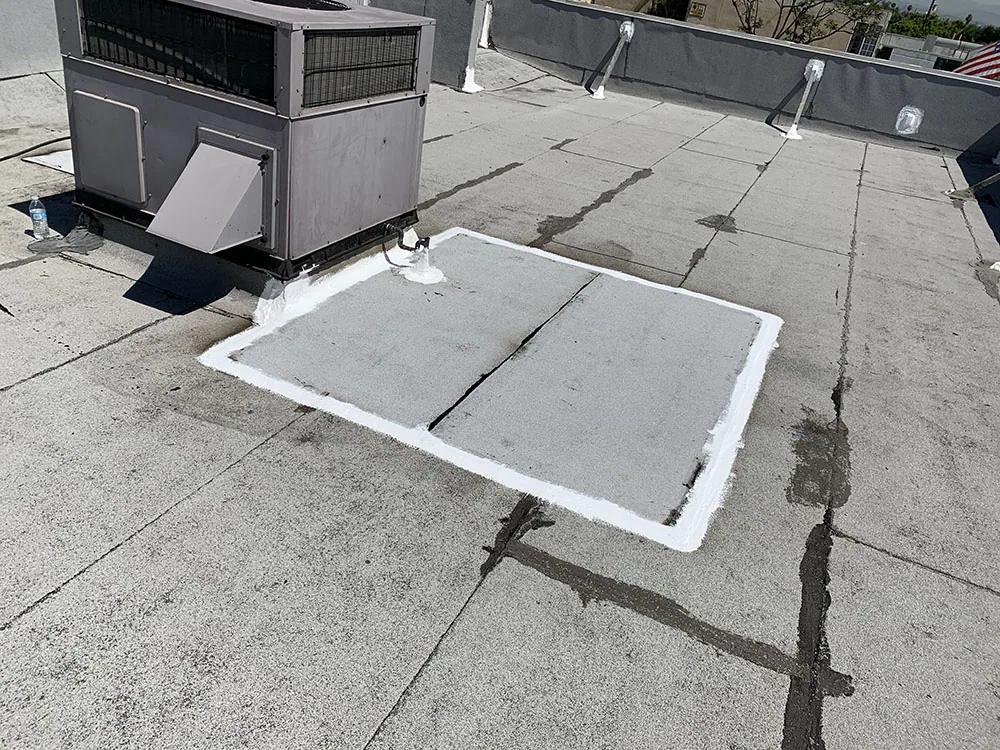
Related Roofing Work
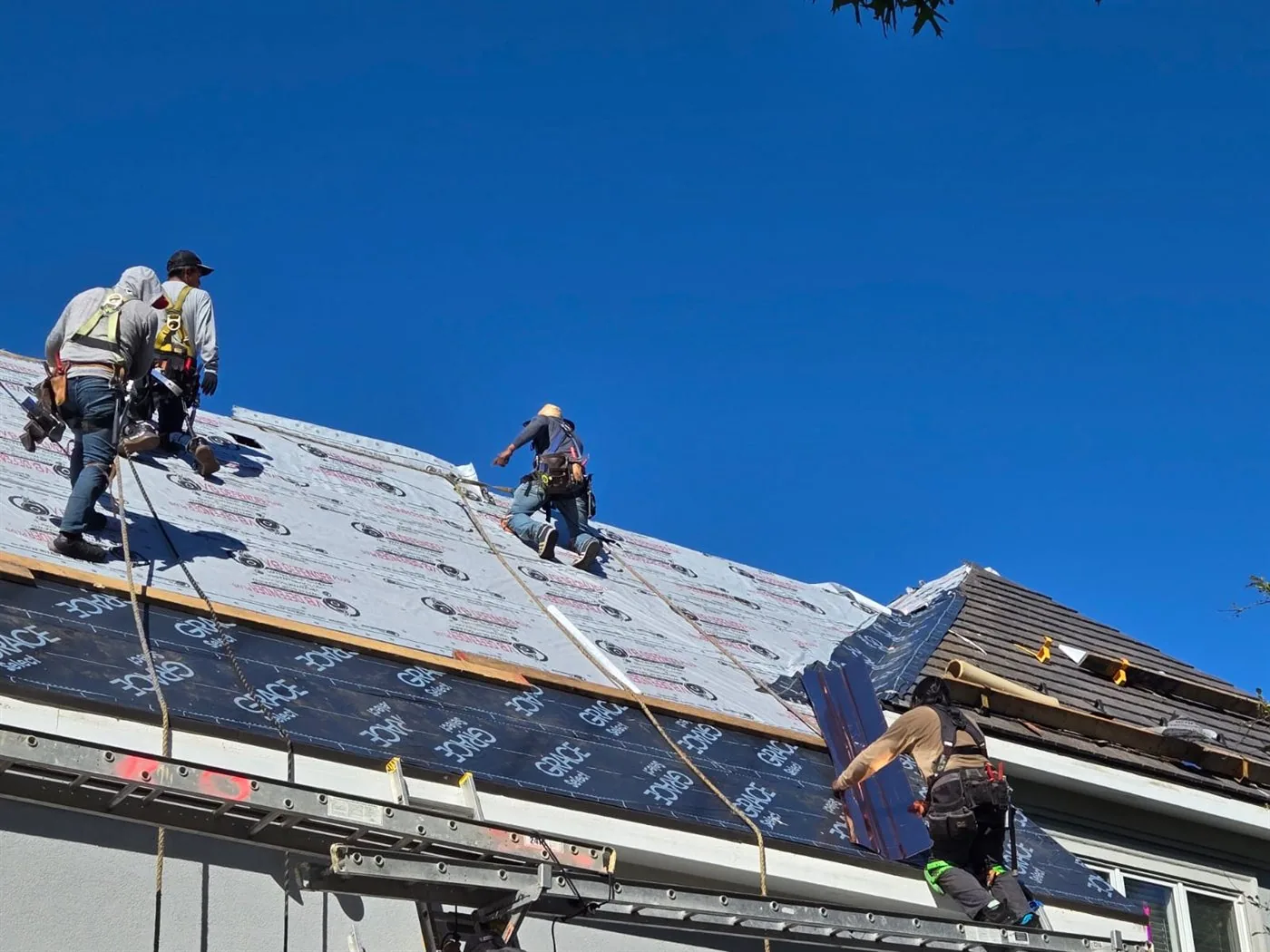
Commercial Roof Inspection
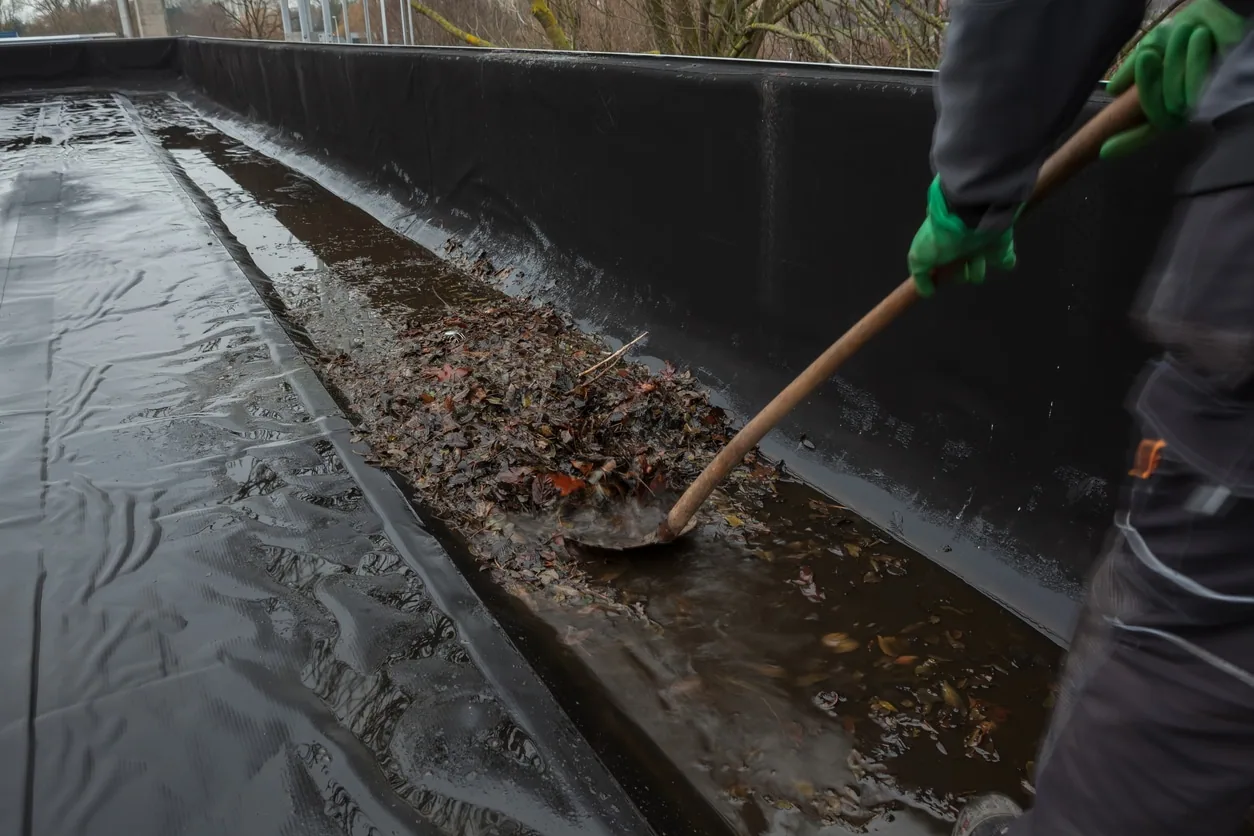
Roof Drains and Scuppers

Hail Damage Roof Repair
Roof Coating Restoration
Emergency Leak Calls
Call for a storm walk or budget review
Call and we will walk the roof before storm season. The visit pins down two numbers: what to fix this winter and what can wait a year. You get both in writing, with a price on each.