
Midfield
Commercial Roofing in Midfield, AL
Midfield, AL is a small city in Jefferson County, two miles south of Fairfield, covering 2.66 square miles with 5,211 residents in the 2020 census. A roof is a roof, and reading one is the job. If you own a commercial building in Midfield, a crew walks it, photographs it and reports what it needs. Low-slope and metal roofs are the repair and replacement work here, and each job starts with a storm walk and ends with a written note placing the point where repairing stops and replacing starts.
The steps on a Midfield roof never change: walk it, photograph it, write it down, price it, and then the decision is yours.
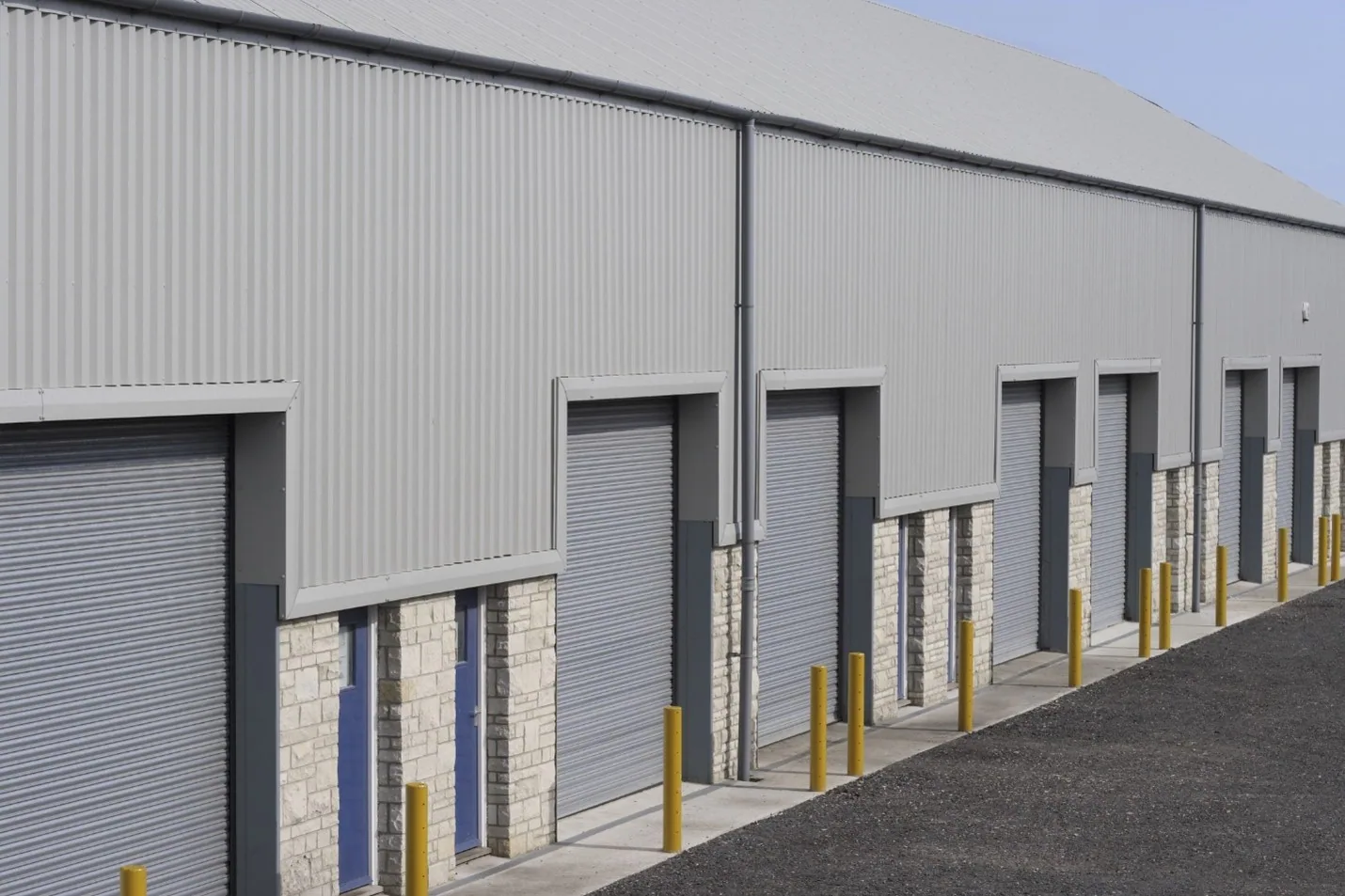
The first walk: what we look at
The walk begins at the edge, where wind strikes first, so edge metal, coping and flashing come before anything else. Then drains and scuppers, seams, every pipe, vent and rooftop unit, and finally the ceiling inside.
Each finding gets a photo, a location on the sketch and a short note, and we write down the hatch location and the safest route up so the next visit starts faster. After rain we mark the edge of any pool and count the patches. We record where the surface is cracked, blistered or chalked. A roof patched five times at one spot is telling you the cause is still open.
The result is a written list that separates what to fix now from what to watch and what to replace. When water is getting in, the entry point comes before any price. Water travels along the deck and shows up feet from the opening, so the stain marks where it ended, not where it started. We follow it back, and the usual culprits are a split pipe boot, a lifted flashing strip or a drain with a gap at its collar, each inexpensive once found. Last, we list whatever sits on the roof that should not: old cable, abandoned units, loose debris. Each is a trip hazard and a leak risk.
Roof types: we check, we do not guess
Small commercial buildings carry many kinds of roof. Some are flat with a membrane, some are metal and some are older built-up roofs topped with gravel. We never guess which is which, and the first visit settles it.
Every type fails its own way. Membranes give out at seams and flashing, metal roofs at fasteners and laps, and built-up roofs at blisters and cracked flood coats. The fix follows the failure, and the wrong fix wastes money. Age counts, since a roof past twenty years needs a different talk than one under five. We ask for the install date and the warranty paper, and when nobody has them a core cut shows the layers and their condition, patched the same day. Rooftop equipment adds risk. Every unit sits on a curb with flashing that heat cracks over time, so we check the seal and the straps on each and flag the loose ones.
Storm season: Dixie Alley in March, April and November
Midfield belongs to the Birmingham area's Dixie Alley. Tornado history here runs through F5 storms in 1977 and 1998 and an EF4 on April 27, 2011. Spring thunderstorms are routine and a second season comes in November and early December. On April 25, 2003, hail as big as softballs struck central Alabama.
Because hail bruises membrane in ways the ground view misses, a late-winter hail check and a storm walk after each big storm are the habit to build. Storm claims cluster in March, April and November. When a storm passes and it is safe, go up and look over the edges, the drains and the ceiling inside. Fresh stains trace back more easily than old ones. Water means a call, and we cover and dry the building before pricing the repair. Same-day photos help any insurance claim.
What it costs: the drivers, in plain terms
Roof prices follow a short list. Size is one driver and access another, along with the number of layers that come off, whether the insulation has taken on water, whether the deck needs repair, how many penetrations there are and how much edge metal and flashing the roof needs.
Each driver is listed by roof section so you can see where the money goes, and each side of the repair-or-replace line gets a price, so you can choose the side that fits the budget year.
A replacement here is judged against the adopted International Building Code and ASHRAE/IES 90.1-2013 for commercial energy, so the insulation depth they require can change the price. Waiting adds cost too. Let a leak run through a wet spring and the insulation soaks, the deck rots and a repair becomes a tear-off. We put that in writing with the number beside it, so waiting is a choice and not a surprise.
When to do it: fall, winter and the spring rush
Fall is the month for drains and small repairs, and the weeks after New Year suit hail checks and replacement planning. By spring the claims pile up and crews book out, so replacement bids are best requested in winter.
Rainfall around Birmingham runs about 56.6 inches a year, and roughly 65 days reach 90 degrees or higher. That heat and humidity wear on seams, so build it into the budget year. Fix a drip in March and it costs less than the same drip left until May. Your own calendar counts too: a lease renewal, a sale or a loan review can put a deadline on the roof. Give us the date and we plan backward from it. Material lead times and crew schedules are what usually slip, so we start early.
More on Midfield
What to bring to the first call
Ahead of the first call, find the address, the roof age if anyone knows it and whatever invoices exist, and think about where water shows and who has keys. The walk settles the rest.
The jobs here include commercial roof repair, commercial roof replacement and ponding water roof repair. After a storm, emergency roof repair comes first. The same approach covers Fairfield and Pleasant Grove. Ask what a job involves before you ask what it costs: tear-off or recover, fasteners or adhesive, one day or several. A building that stays open needs a different plan from one that closes, so we explain how each night is protected, and we ask for parking, keys and a contact in return.
Commercial Roofing Questions
What does your first walk include?
The edges, drains, seams, penetrations and units, then the ceiling inside. Every finding gets a photo and a note, and you receive a written list sorting the work into fix now, watch and replace.
How do I know if I need a repair or a replacement?
Insulation that has soaked, leaks that return to one spot and a membrane that will not hold a patch point toward replacement. Local damage on a sound roof points toward repair. The line is drawn on the roof, with both sides priced.
When should I book roof work?
Use fall for drains and small repairs and winter for hail checks and replacement bids. Spring is crowded, so our advice is to book before March.
What does a leak cost if I wait?
More than the repair, once the insulation gets soaked. Each choice comes with a number, so the comparison is easy at budget time.
Can you work on a small building?
Yes. A small building gets the same walk, the same photos and the same written line between repair and replace.
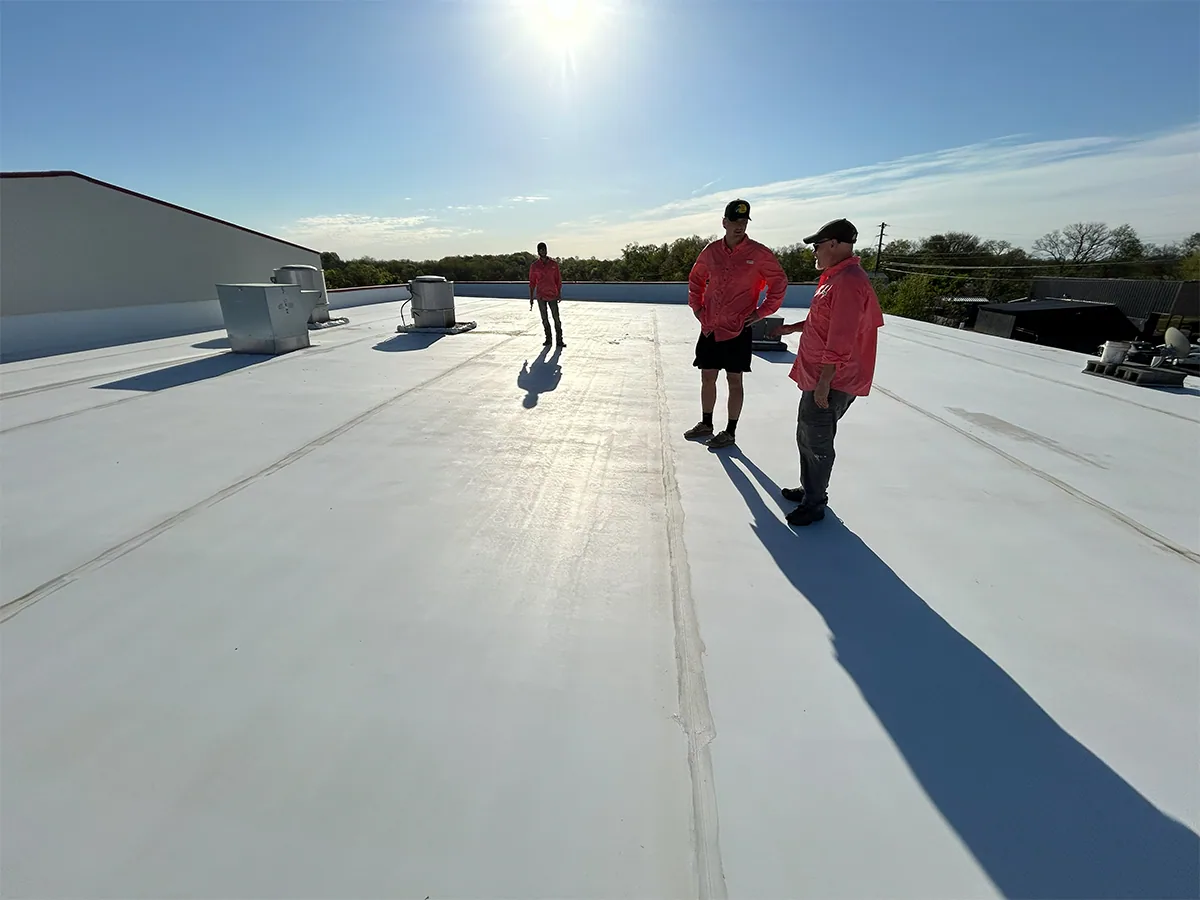
Related Roofing Work
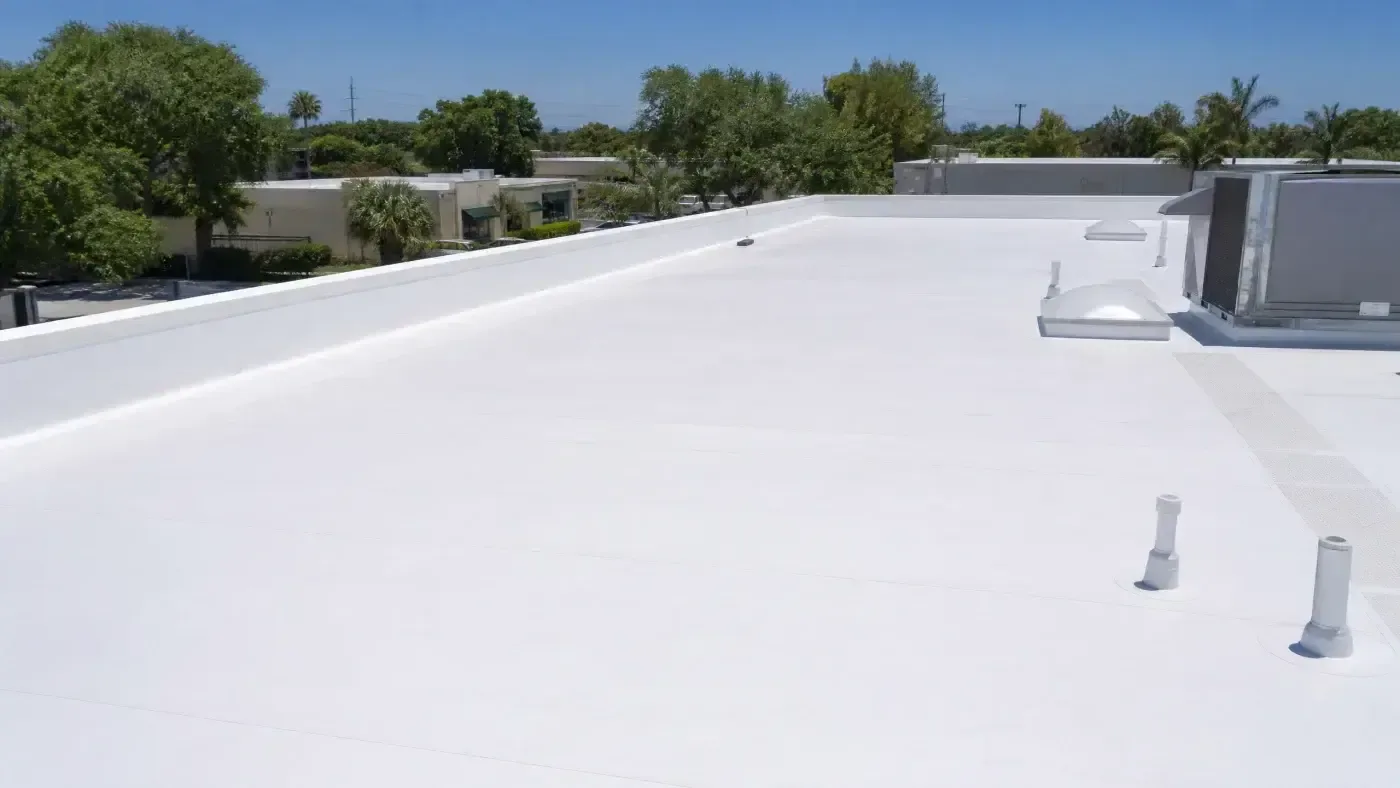
Commercial Roof Repair
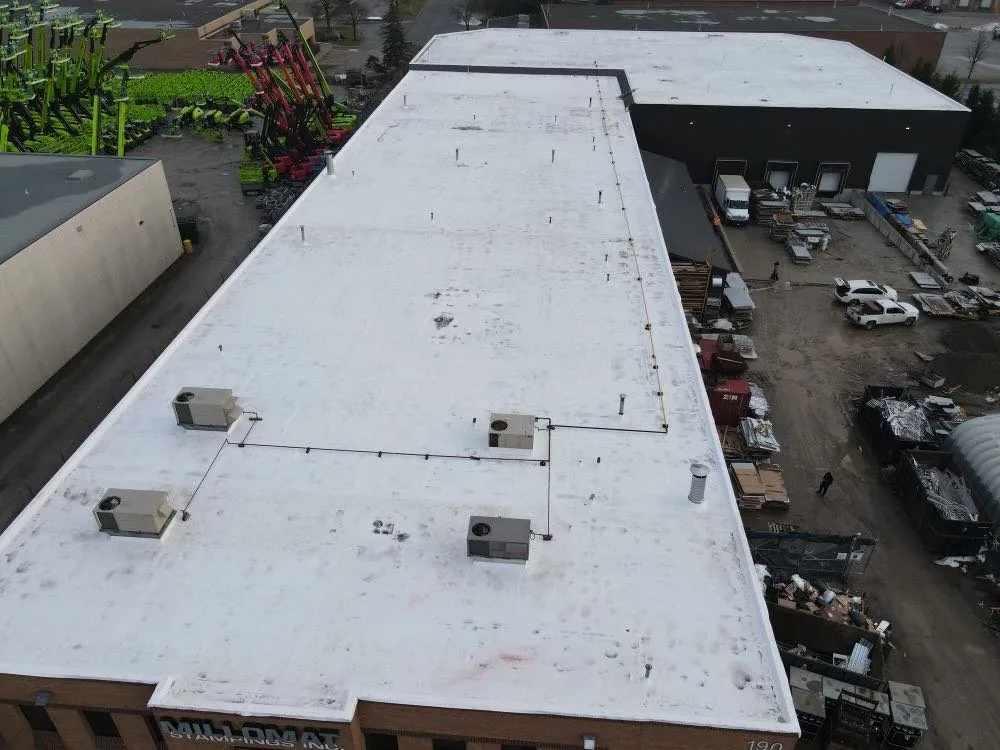
Commercial Roof Replacement
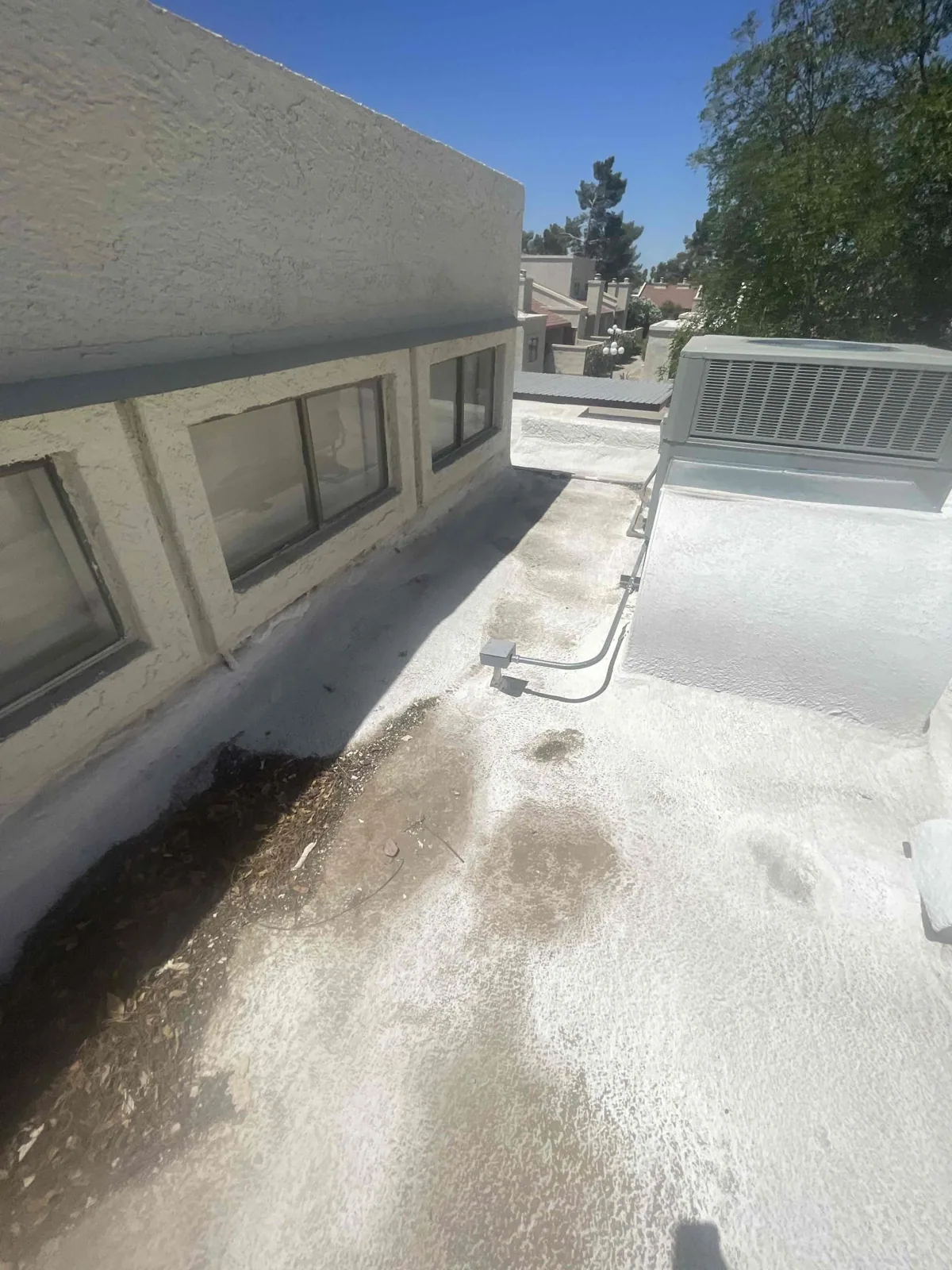
Ponding Water Roof Repair
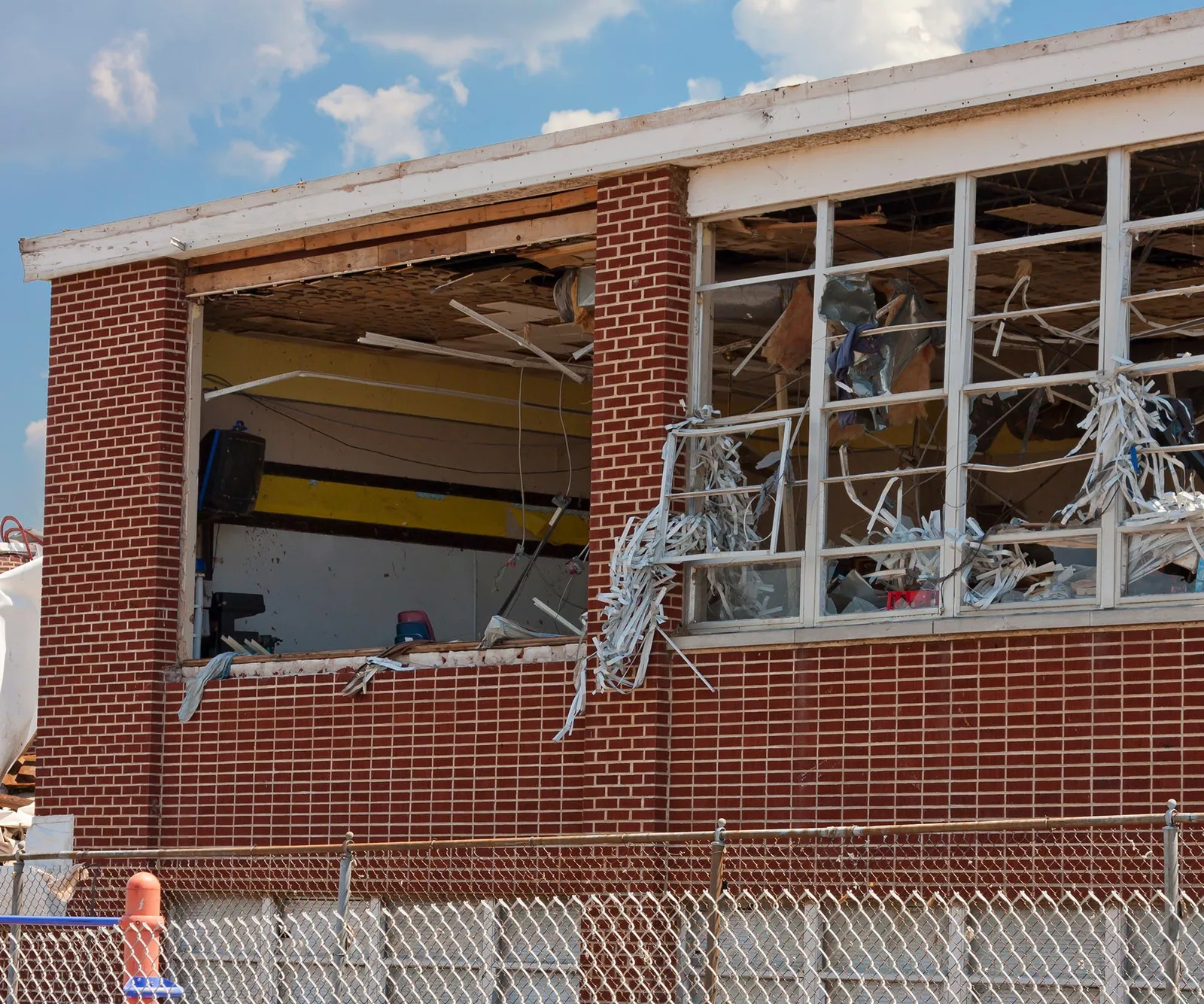
Emergency Roof Repair
Emergency Leak Calls
Call for a storm walk or budget review
Call before spring storm season or before your budget year closes. The walk pins down ponding lines, tie-ins and your repair-or-replace line, in writing, with a price on each side.