
General Contractors
Roofing for General Contractors in Hoover, AL
A general contractor loses days to weather before the roofer ever mobilizes. That is the timing fact on every Hoover, AL build: spring storm season runs March through April, with a second peak in November, and a schedule with no weather float on the roof is a schedule that slips. We install, repair and replace low-slope and metal roofs as a roofing subcontractor on new work, additions and tenant fit-outs, and we write scopes a project manager can drop straight into a contract.
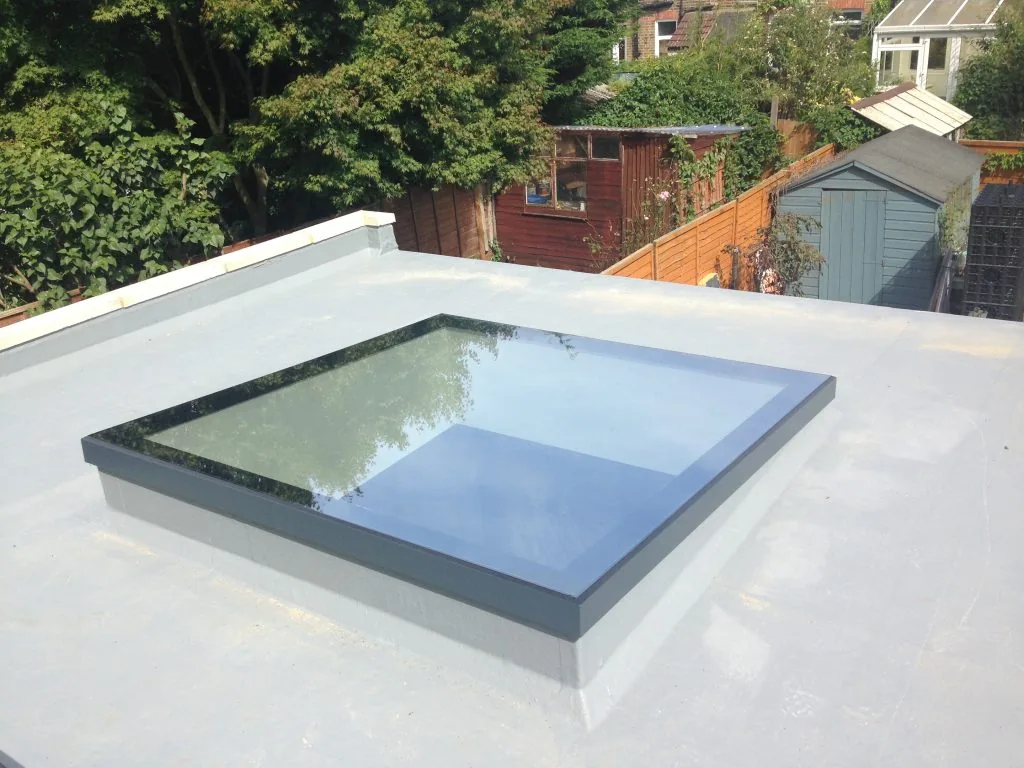
The issue: the roof sits in the middle of the critical path
The roof dries in the building. Until it is on, interior trades wait. A late roof pushes drywall, paint, flooring and mechanical trim. A leaky roof damages work already in place.
So the roof has to be scoped clearly and scheduled with float. We ask for the drawings, the spec section, the deck type, the insulation requirement and the penetration list early. We confirm the sequence with the mechanical and electrical trades, because their curbs and lines decide the flashing.
The goal is simple. No surprises on the roof that cost the GC a week.
Submittals take time. Membrane data, insulation data, fastener data and shop drawings for edge metal all need review. We send them early, in one package, with a log. The architect or engineer reviews once, and the GC sees the status on one page.
Existing buildings add a different problem. A tenant fit-out or addition that ties into an old roof meets the old roof's flashing, drains and deck. We survey the tie-in before the contract is signed, so the GC knows what the old roof will and will not accept.
What we find: scope gaps that cost weeks
The usual gaps are small and expensive. Curb heights that do not match the insulation thickness. Penetrations missing from the roof plan. Drains set at the wrong elevation. Edge metal details that conflict with the wall. Insulation that does not meet the current energy standard.
The drawings get checked against the International Building Code edition the state enforces and against the ASHRAE 90.1-2013 energy standard before pricing starts.
On existing roofs, the gaps are different. Wet insulation. Rotted deck. Old penetrations. A moisture scan and a few core cuts find them before the contract is signed. Field facts beat assumptions.
Mockups and tests prevent disputes. A pull test of the deck, a flood test of a drain area or a mockup of a tricky curb detail catches problems while they are cheap. We offer each where the spec allows, and we photograph the result for the file.
Storm season: float, tarps and daily closeout
A GC scheduling a roof here is scheduling inside Dixie Alley, where tornadoes have struck in 1977, 1998 and on April 27, 2011. March and April carry the heaviest weather, with November the second peak, and hail the size of softballs came down on central Alabama in April 2003.
On a roofing job in that window, we plan for the forecast. We open small sections. We dry in each by day's end. We keep tarps and temporary protection staged at the edge of the open area. If a storm is called, we close the section and leave the roof watertight.
A storm that hits a finished roof is another case. Storm damage repair documents the damage for the GC and the owner, so the claim file is clean.
Summer heat is the other limit. Birmingham summers run hot enough, with roughly two months of 90-degree days, that adhesives and sealants need early starts and shaded storage. Crews quit before the afternoon peak. We write those hours into the schedule so the GC does not count them as lost days.
When to do it: where the roof sits in the schedule
For new work, roof early. Start as soon as the deck, curbs and parapet walls are ready. Put the dry-in date on the master schedule with a float of at least a week in spring and fall.
For re-roofs and tenant work, book the crew before the building season opens. Late winter is quiet. Late spring is not. After a big storm, crews and materials get tight across the region. A job on the calendar by January avoids that squeeze.
Materials need lead time. Long panels, special trim and insulation boards take weeks. We order on award and tell the GC the ship date. If the building is occupied, an occupied building reroofing plan lists access, noise and protection.
Closeout needs its own date on the schedule. The punch list, the warranty walk and the photo set take days, not hours. If the owner's lender wants them for the final draw, put the closeout date ahead of the draw date. We deliver the file the same week the last detail is finished.
What it costs: a price by line, not a lump
The price arrives in lines a GC can audit: membrane, insulation, cover board, flashing, edge metal, drains and penetrations, with tear-off where it applies. Deck repair is a unit rate. Added insulation, weather days and phasing show up as alternates when the owner wants them.
Cost follows roof area, the number of curbs and penetrations, deck condition, access and phasing. A crane lift for a tall building adds a line. A tight site adds a line. We list each so change orders have a place to land.
A fixed price with clear unit rates for hidden conditions is the cleanest. If the deck turns out rotted, the unit rate is already in the contract.
Insurance and bonding are separate lines. Public owners often require bonds. Private owners may ask for specific coverage limits. We list the cost of each so the GC can compare bids on equal terms. Timing drives price too: a crew booked in winter sits in a calmer market than one booked after a storm.
More on General Contractors
Local: where contractors build around Hoover
Birmingham is headquarters to Regions Financial, Protective Life, ProAssurance, Alabama Power, Vulcan Materials and Brasfield and Gorrie, and the metro's building activity runs through office parks, retail corridors and industrial belts. US 31 and SR 150 cross Hoover, and I-65 and I-459 intersect inside the city. Work follows those corridors.
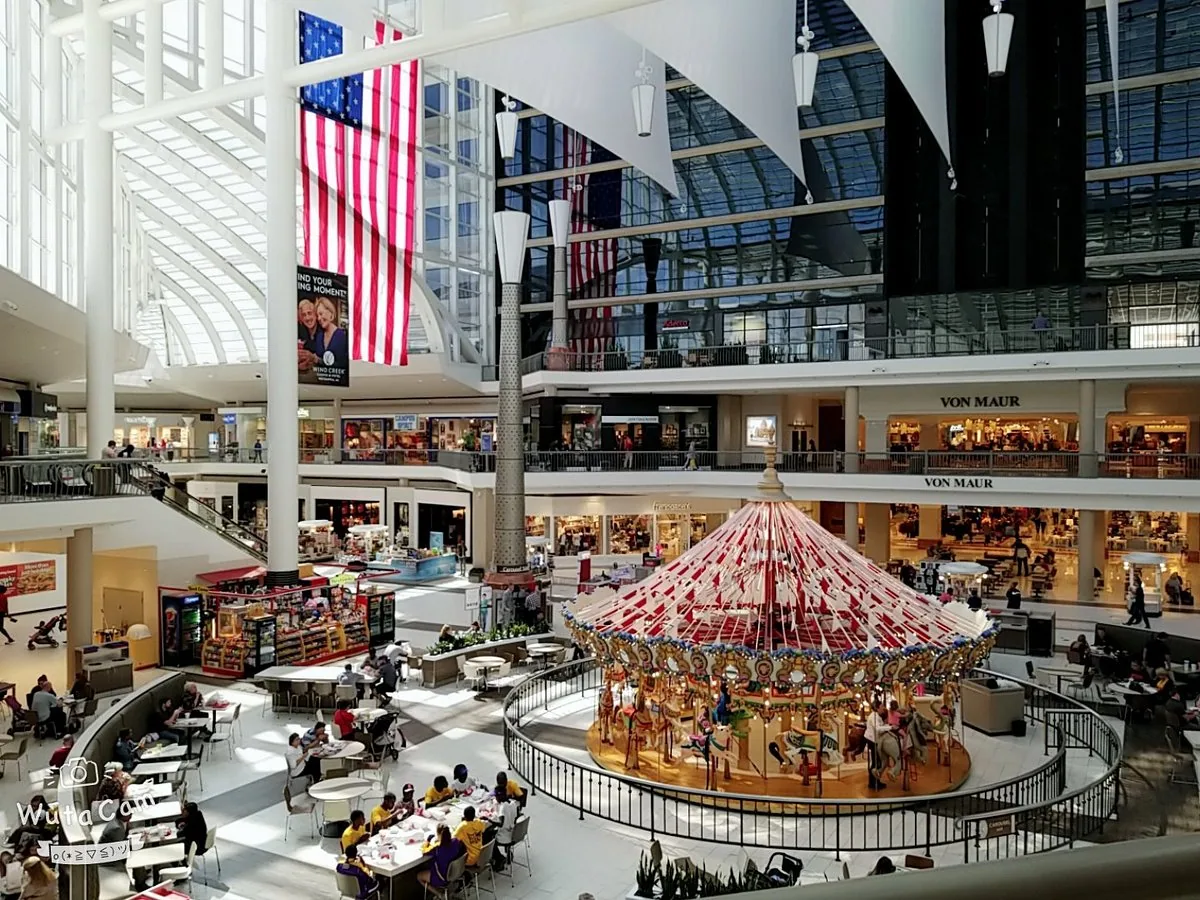
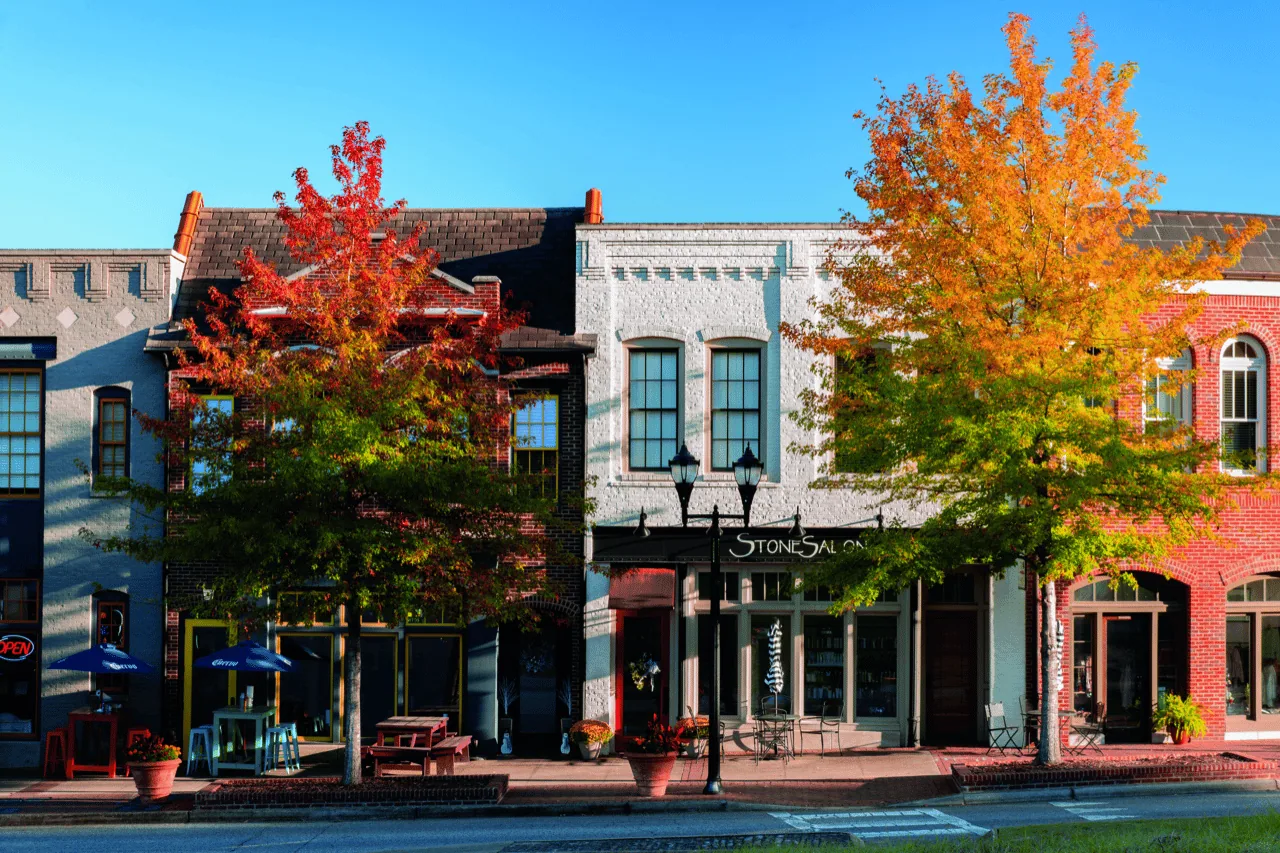
Roof scopes for projects in Riverchase or along the Highway 150 corridor can go straight into a GC's contract. The owner side includes investors, who care about warranty and closeout, and property managers, who take over the building afterward.
Commercial Roofing Questions
What do you need from a GC to price a roof?
The drawings, the spec section, the deck type, the insulation requirement and the penetration list. For an existing roof, add any survey or core results. With those, we price in lines you can audit.
How much weather float should the roof carry?
At least a week in spring and fall, more if the roof is large. March through April and November are the storm windows, so float there is cheaper than a slipped dry-in.
How do you handle hidden conditions like a rotted deck?
With a unit rate in the contract. If the deck is rotted, the unit price is already agreed, so the change order is a count, not a negotiation.
Who coordinates curbs and penetrations with other trades?
We do, with your project manager. We confirm curb heights, penetration locations and sequencing with the mechanical and electrical trades before the membrane goes down.
What closeout records do you provide?
A punch list, a warranty walk, a photo set of every finished detail and the product data. The file lets the owner and the next trade see exactly what was installed.
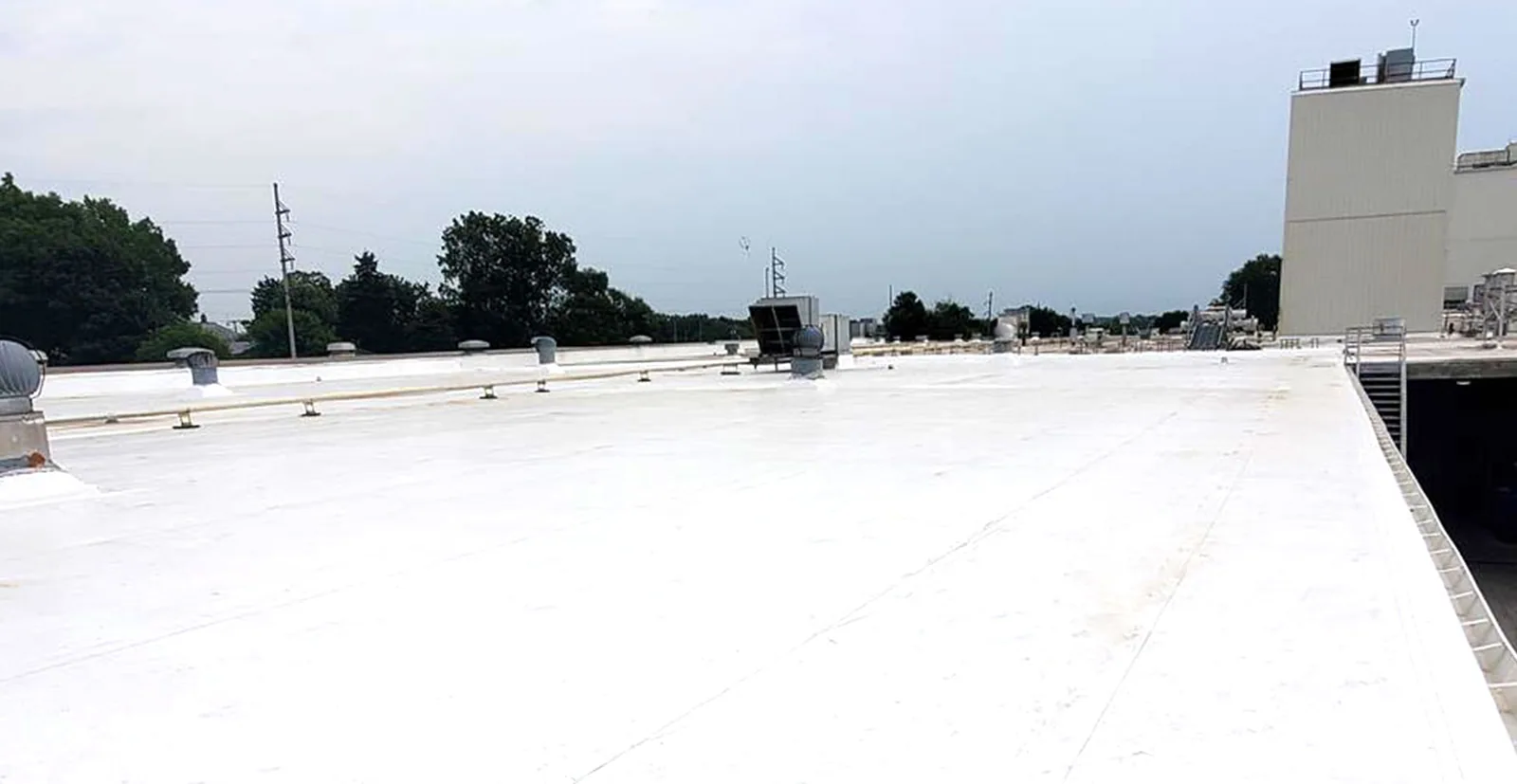
Related Roofing Work
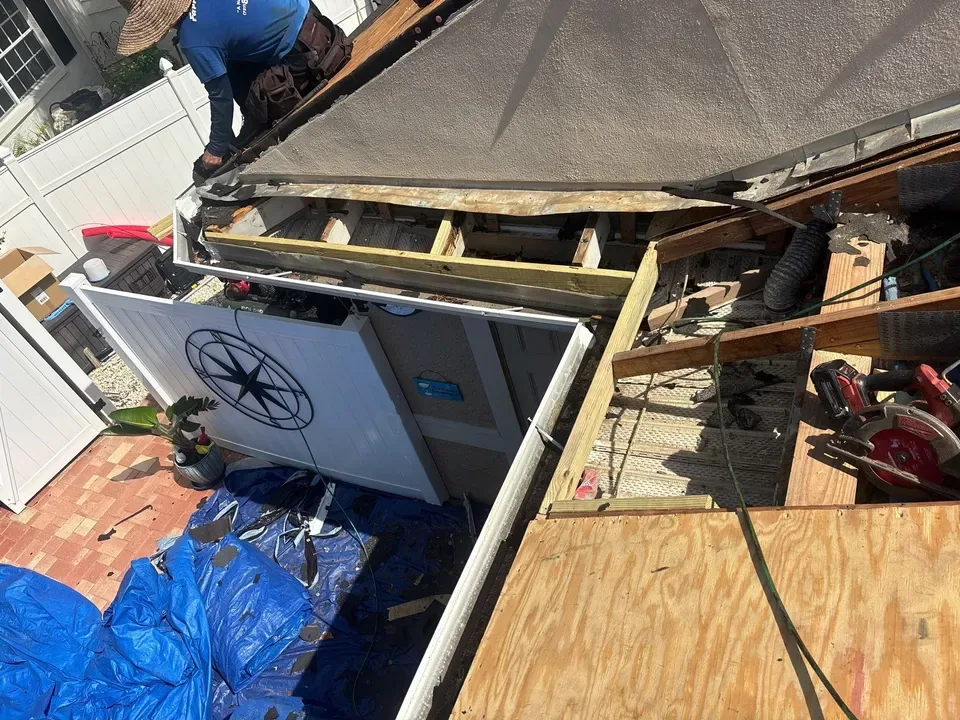
Storm Damage Roof Repair
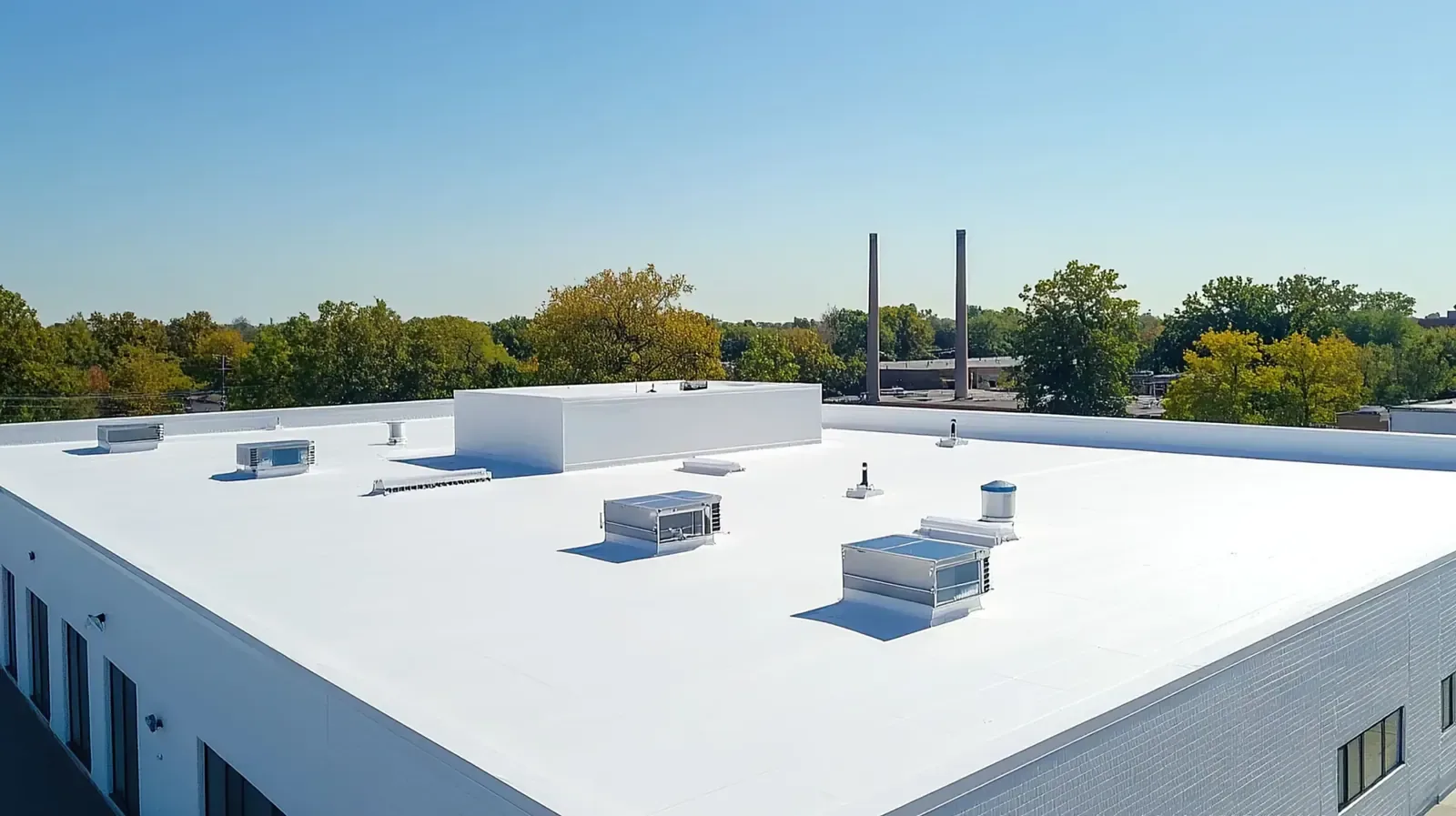
Occupied Building Reroofing
Riverchase
Highway 150 Corridor
Emergency Leak Calls
Call for a storm walk or budget review
Call at bid time or before the building season opens. The visit pins down the scope lines, the lead times and the dry-in date the master schedule should carry.