
Occupied Building Reroofing
Occupied Building Reroofing in Hoover, AL
An open roof section in April is a bet against the forecast. In Hoover, AL, spring storm season peaks in March and April, and a section torn off at noon can meet a squall by supper. Tenants are below. Cash registers are below. Desks, servers and shelves are below. We reroof occupied buildings in small sections, close each one the same day and tell you the night-time plan before the first pallet goes up.
Staying open is a budget choice too. Moving a business out is usually the bigger bill. Working around people costs less, if the plan is tight.
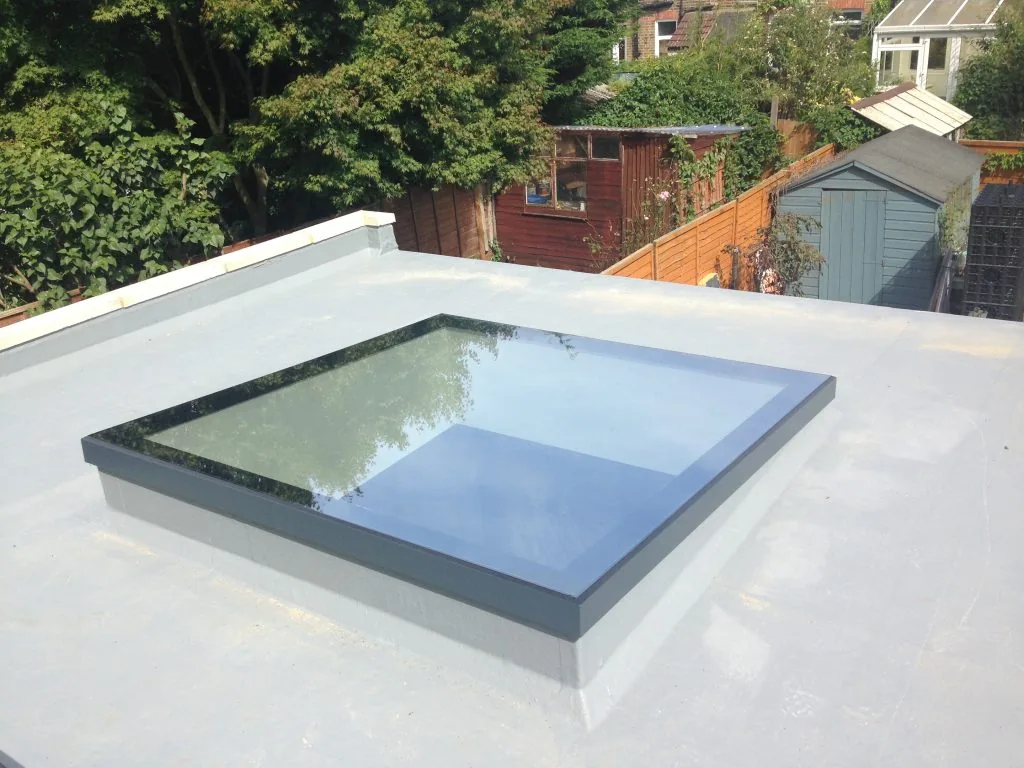
The issue: people, product and weather
Three things share the building with a reroof. People need quiet, clean air and clear doors. Product needs protection from dust and water. The weather needs a closed roof by night. A good plan serves all three. A bad plan serves the schedule.
Who is under the roof matters. Regions Bank, Hoover City Schools and Blue Cross and Blue Shield of Alabama top the list of Hoover employers, and AT&T of Alabama and Walmart and Sam's Club follow, so under many roofs here sit desks, classrooms and sales floors. Each tolerates different things. We ask the manager which areas are touchy and which hours are slow, then fit the work to that map.
Insurance and lease terms sit in the background. Some leases limit noise hours. Some insurers want a hot-work permit and a fire watch. We ask for both before pricing, since a limit on hours changes the length of the job and the labor on it.
What it costs: the price of staying open
Occupied work costs more than empty-building work. Sections mean more setup. Daily dry-in means more labor and tarp. Quiet hours cut the working day. Protection inside means ceiling covers or floor barriers. The extra is real, and we list it as its own line.
It is still usually cheaper than closing. A hotel that blocks rooms, a store that shuts a wing or an office that moves staff all lose money every day. We price both ways when it matters. You see the roof cost with tenants in place and the cost with the building empty, plus the cost of lost use. That makes the choice a budget one.
Weather days are a cost too. On a long occupied job, a handful of lost days is normal in this climate. We build them into the schedule at the start, so a rainy week stretches the finish by days and not by weeks, and the bid does not need a change order.
Storm season: the rule for open sections
This is Dixie Alley country. Spring brings the most severe weather, with a second round from November into early December. The metro has taken tornado hits in 1977, 1998 and 2011. We check the forecast every morning and again at midday.
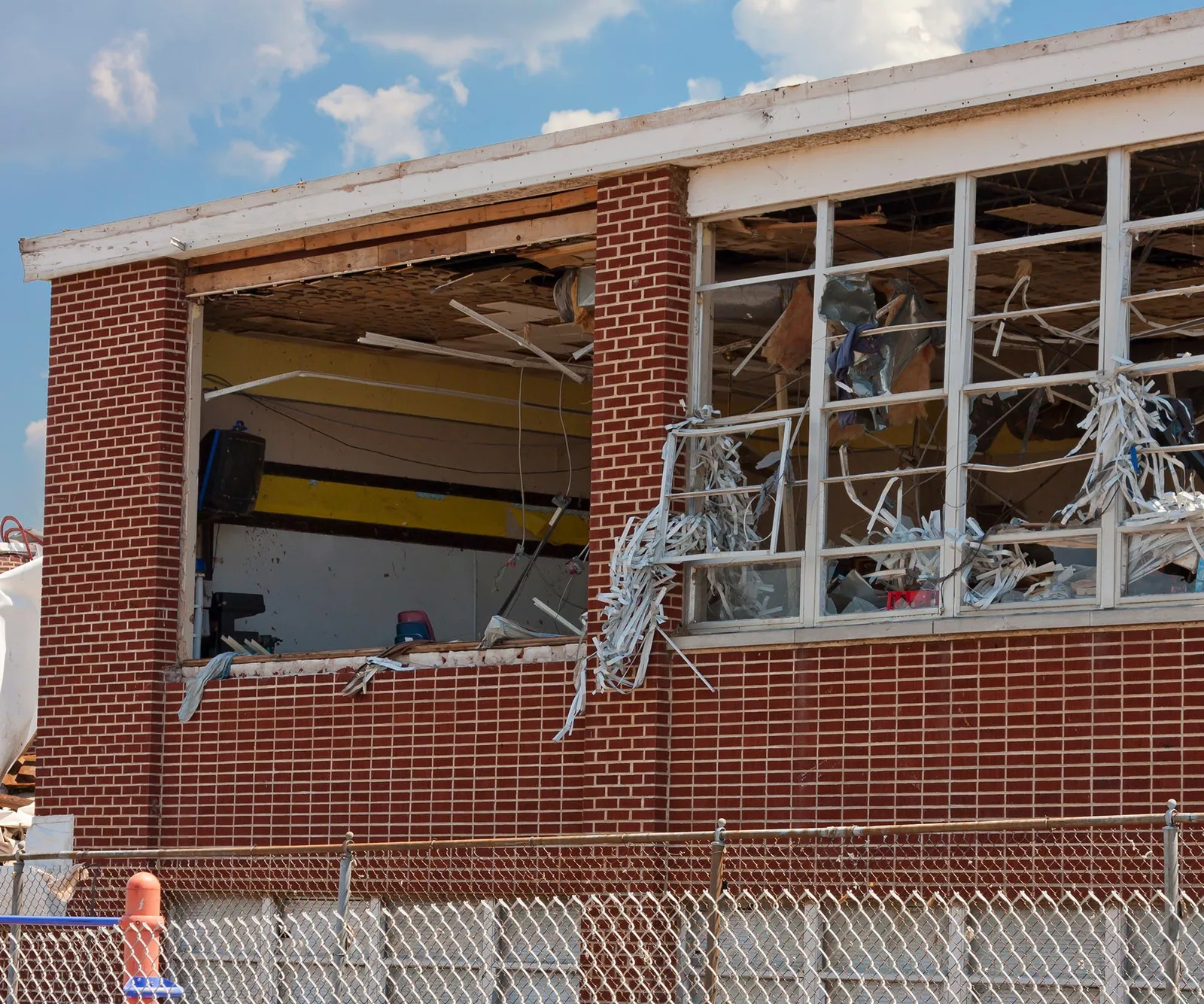
Our rule is simple. Never open more roof than the crew can close before the next watch. If a line of storms builds, we stop tearing off and dry in what is open. Temporary sealing, tarps and ballast stay on the truck for exactly that call. Our emergency roof repair crew can reach an open building fast if a storm hits early.
How it runs: noise, fumes and access
Noise is the first complaint. Tear-off, fastening and hoisting are loud. We schedule the loudest work for the quietest hours and tell tenants the week before. Fumes are second. Adhesives and hot work release odors. We place intakes on the roof plan, cover or shut them where needed and keep the work area downwind.
Access is third. Walkways stay clear. Dumpsters and hoists sit away from doors, loading docks and fire lanes. Roofers use a separate path to the roof. Safety lines mark the edge of the work zone. A morning huddle with the property manager covers the day's section, the tenants to warn and the emergency contact. On a big project, these small habits save the schedule.
Cleanup runs daily. Nails, scrap and dust come off walkways and parking before the crew leaves. A magnet sweep covers lots and drives where trucks and cars pass. Debris chutes keep tear-off away from entrances. On a retail site that detail can matter more to the owner than the roof itself.
By building: what changes with the use
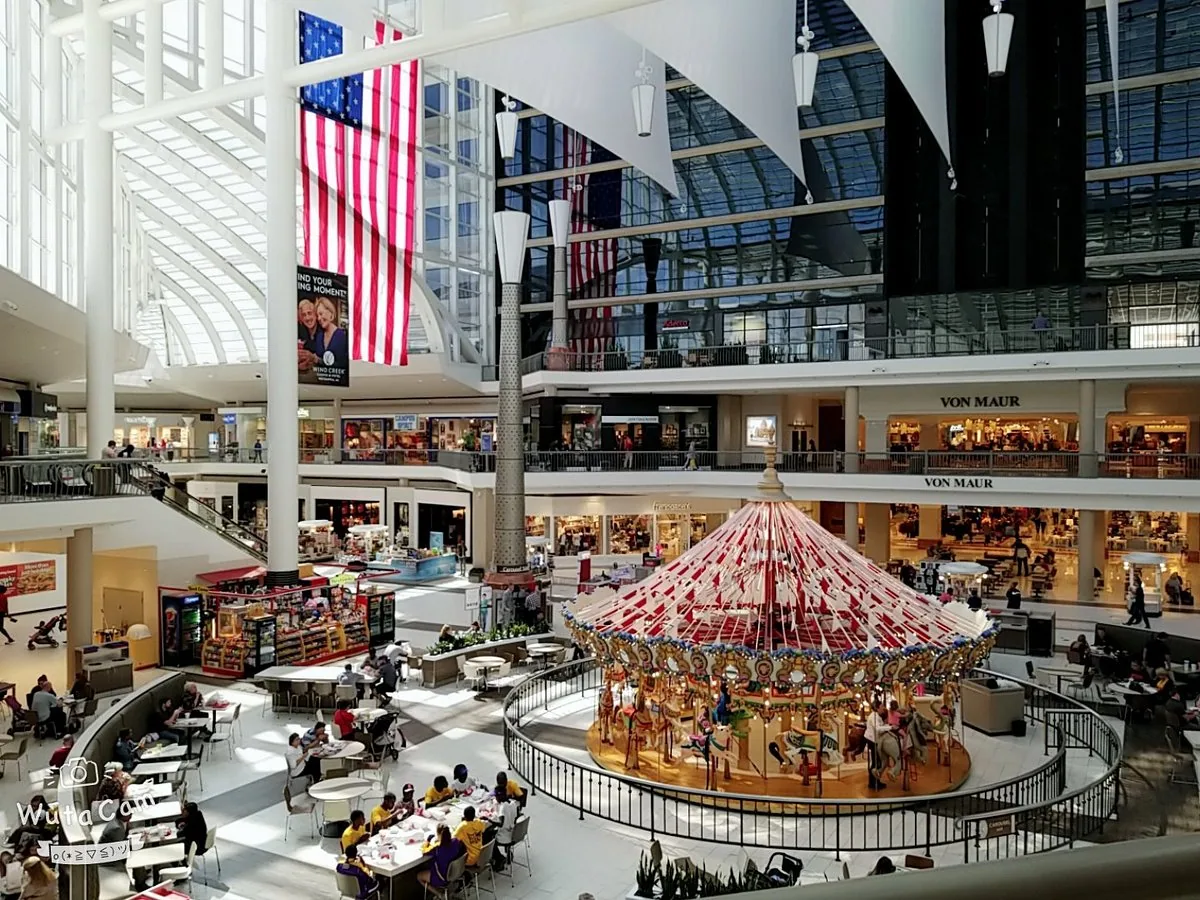
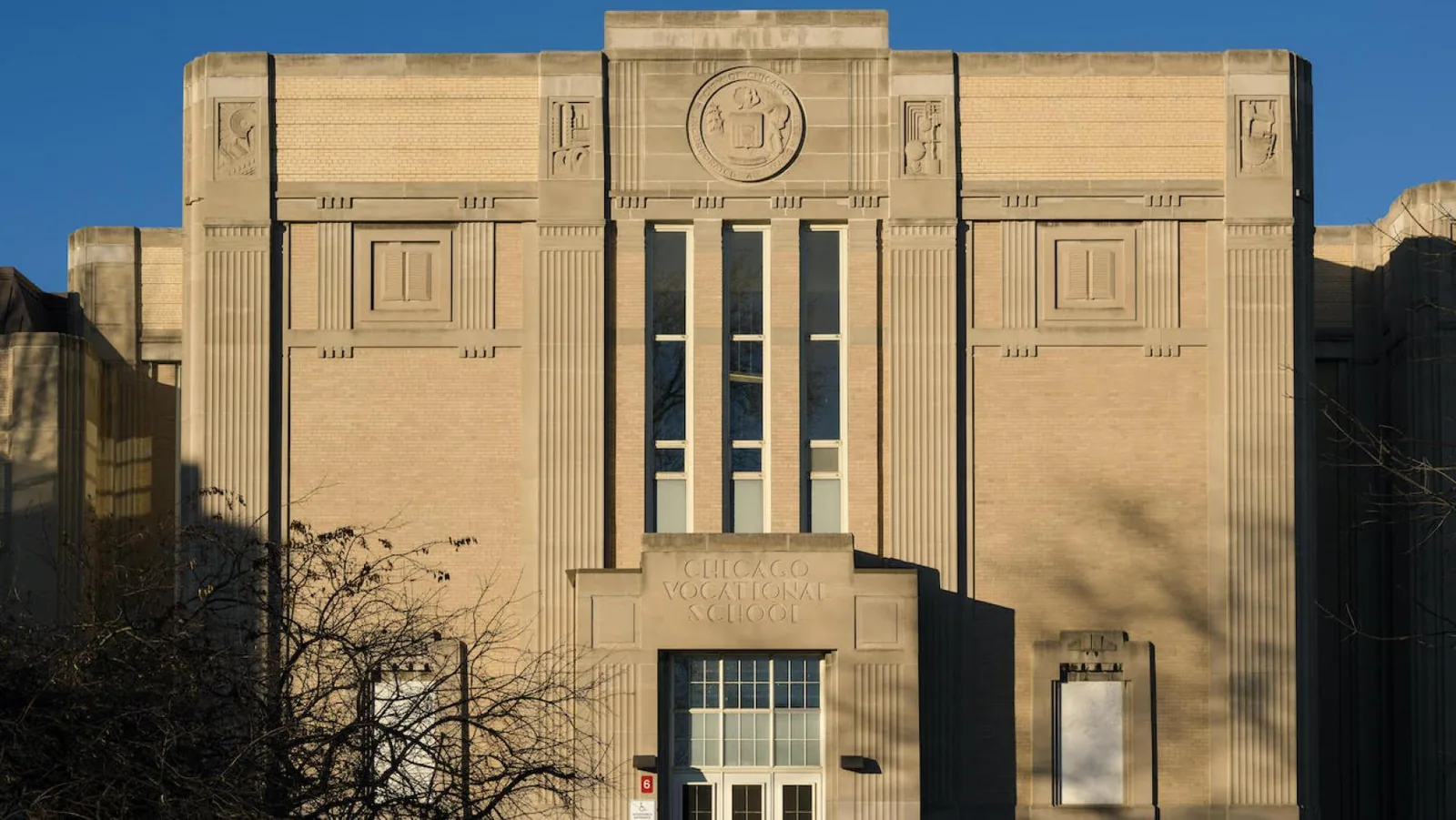
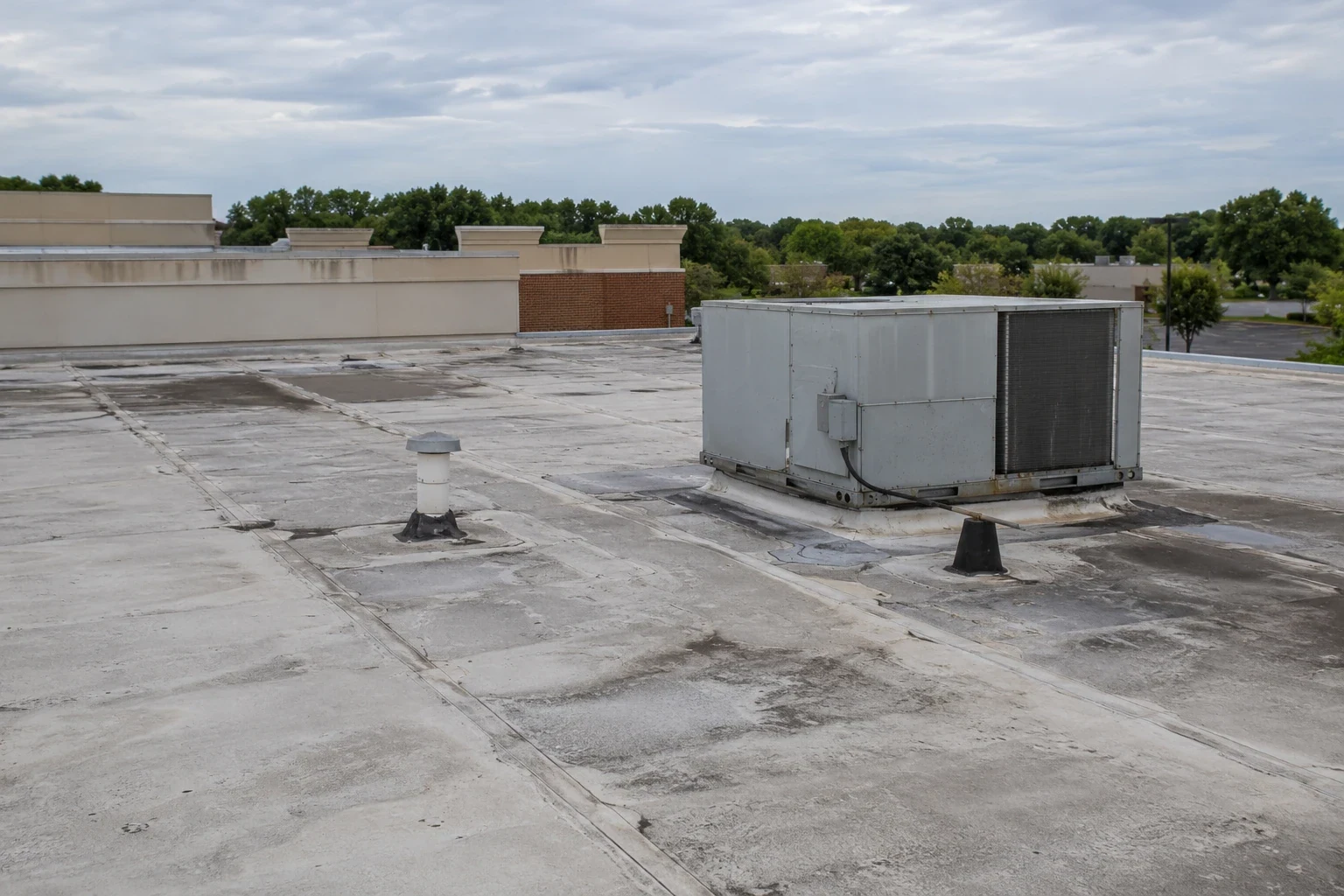
Shopping and hotel roofs, like the Galleria side of Riverchase, run on guest and shopper hours. We work early, protect entrances and stage materials out of sight. Office parks want quiet and clean air during the workday. Schools want summer, and school roofing plans fit that calendar.
Retail strips along Highway 31 and Highway 150 want work done before the holidays. Medical and hotel buildings have the strictest quiet needs. Hotel roofing adds a room-blocking plan, with floors sequenced under each roof section. A good plan names the touchy areas first and works around them.
Hospitals and clinics set their own rules. Air handling, infection control and equipment schedules can limit when and where work happens. We plan those jobs with the facility team, not around them. The same goes for any space that holds records, product or equipment that water would ruin.
The Riverchase Galleria opened in 1986 on US 31 with shopping, a hotel and offices under one complex, which is the mix a single roof plan may have to serve. Shoppers, guests and office workers share a district, and each group wants something different from a roof crew. With I-65 and I-459 meeting inside Hoover, material trucks can reach most sites quickly, and we time deliveries around store and office peaks.
More on Occupied Building Reroofing
Recommendation: plan it in writing
Get the plan on paper before the work starts: sections, hours, protection, noise limits, storm rules and contact numbers. Share it with every tenant. Walk the roof with the manager and mark the sensitive zones. Agree on a stop rule for bad weather.
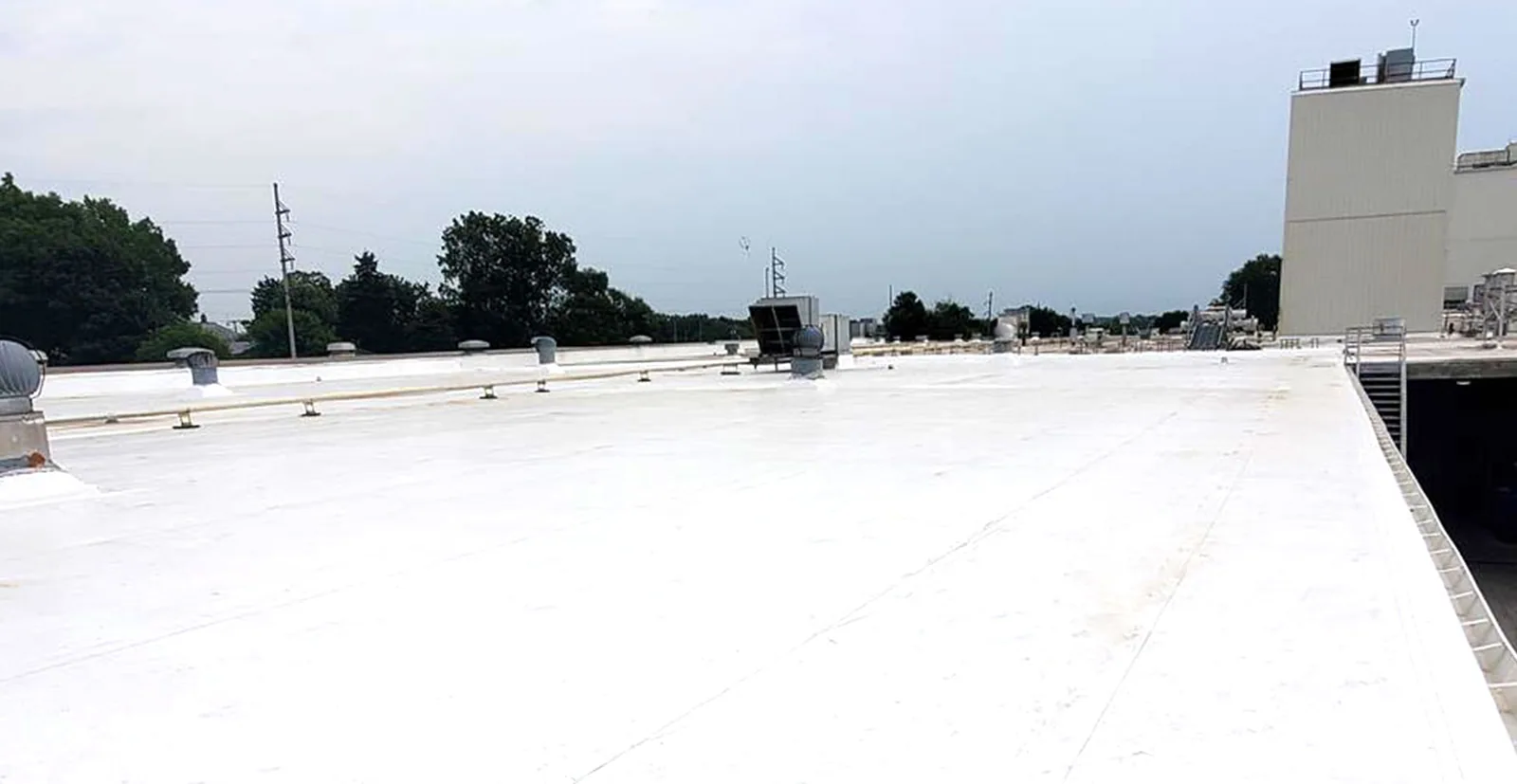
Pick the system that suits the staging. A recover avoids tear-off noise and dust when the old roof is dry. Full commercial roof replacement suits roofs with wet insulation. We lay out both with costs so the budget year and the building both work.
One more step helps: pick a single point of contact on both sides. A roof superintendent and a property manager who talk every morning solve most problems before a tenant calls. We share a daily note on what was opened, what was closed and what tomorrow brings.
Commercial Roofing Questions
How large is each section on an occupied roof?
The size follows what the crew can finish and dry in the same day. On a small roof that might be a quarter of the area. On a large roof it can be a bay. We size the section by crew count, weather and the system going on. The plan shows each section on the roof sketch so tenants know which area is open.
Can we stay open during tear-off?
Usually yes. Tear-off is the loudest and dirtiest step, so we use ceiling protection, shift loud work to quiet hours and keep fumes out of intakes. If a space is too sensitive, we move that area to a closed window. A walk with the manager before the contract shows which areas can stay open.
What happens if a storm hits mid-project?
We stop opening new roof and close what is open. Tarps, temporary seals and ballast are on site for that call. If water gets in, our emergency crew responds. Afterward we document the condition with photographs and repair before resuming. The plan includes a named contact for the night.
Will tenants be told before the work starts?
Yes. We give the property manager a notice sheet for every tenant. It shows dates, hours, noise and fume expectations, safe paths and an emergency number. We repeat the notice the week of the work. Clear notice heads off most complaints before they start.
Related Roofing Work
Emergency Roof Repair
Riverchase
School Roofing
Shopping Center Roofing
Emergency Leak Calls
Call for a phasing plan and a section map
We will walk the roof with you, mark the touchy areas and draft a section plan with hours, protection and storm rules. The visit pins down the schedule and the cost of staying open.