
Storm Damage Roof Repair
Storm Damage Roof Repair in Hoover, AL
Storm claims in Hoover, AL, bunch up in three months: March, April and November. Call on a Monday after a Saturday storm and you join a long line. A clear photo set and a written report move a file faster than a phone call alone, and both take preparation.
Storm damage repair has three parts. Stop the water. Document the damage. Repair what the storm broke. Skip the order and cost climbs. A wet ceiling tile today becomes a wet insulation bill next month.
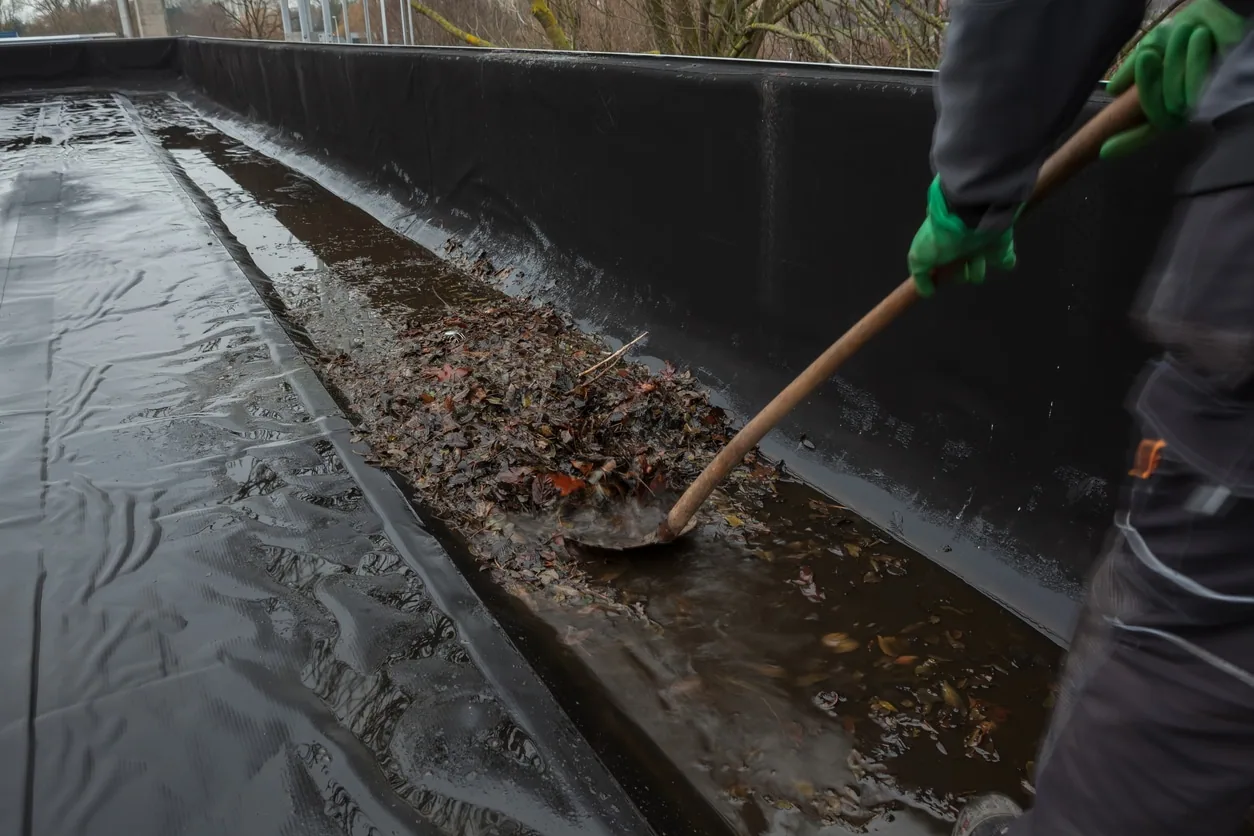
Storm season: what Alabama throws at a roof
Forecasters call this region Dixie Alley. Spring brings frequent severe thunderstorms, and a second season runs through November and early December. Now and then a tropical system from the Gulf adds storm-force wind. The tornado record includes the F5 storms of 1977 and 1998 and an EF4 in April 2011.
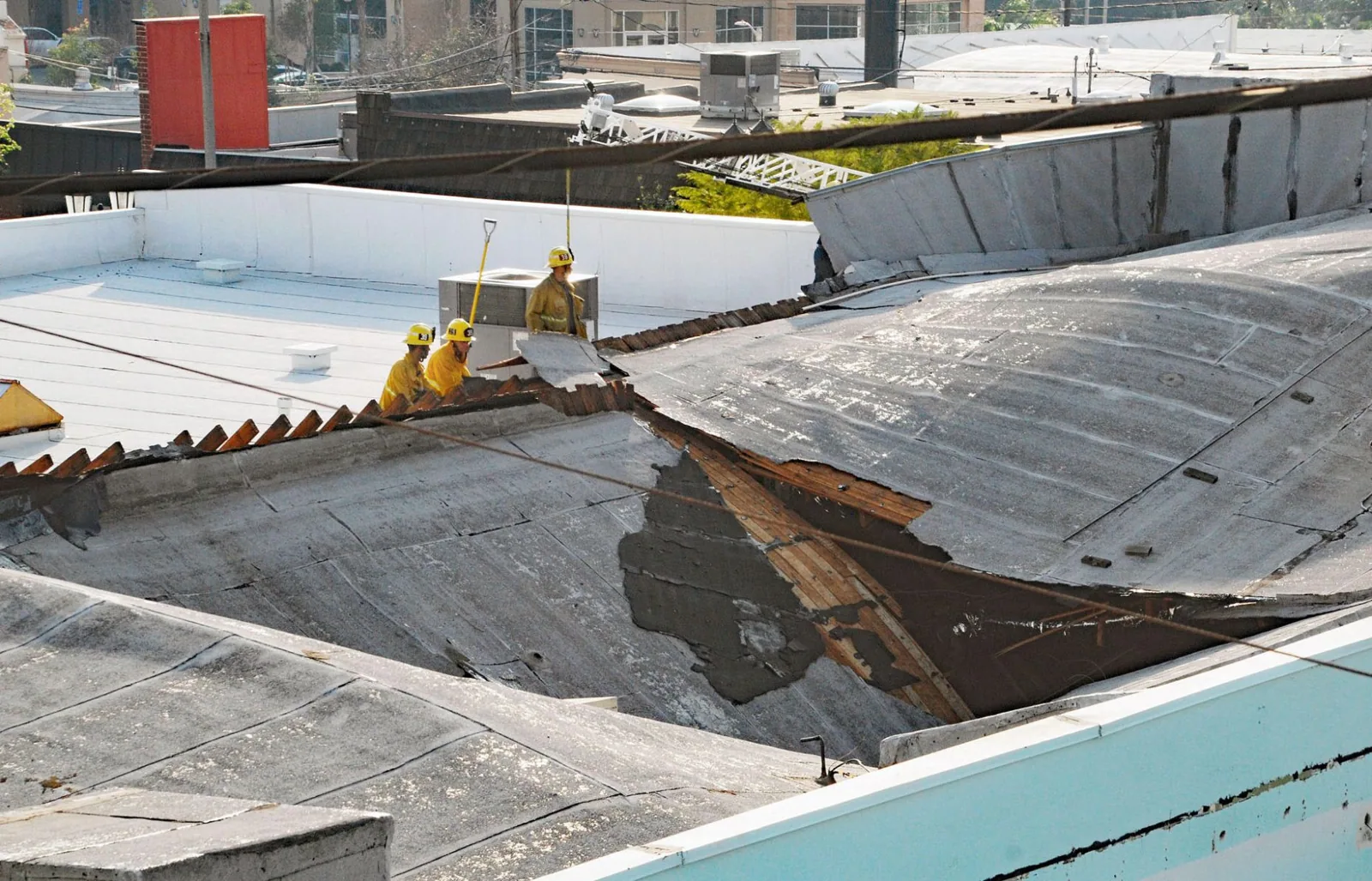
Hail is the other big cost. Stones as big as softballs came down on central Alabama on April 25, 2003, in a year the weather service tallied 29 hail days above 0.75 inch. Wind, hail and flying debris hit roofs in different ways. We sort them on the first walk, because wind damage, hail damage and tornado damage each leave different marks.
First 48 hours: stop the water
Call first. Then keep people clear of wet ceilings and anything electrical. Move stock and equipment out from under the leak if you can. Photograph the ceiling and, from the ground, whatever the roof shows. Write down the time the leak started and who saw it. Those two facts hold the whole file together. Shut off power to any wet circuit if an electrician says it is safe to do so.
We reach the roof as soon as it is safe. Wind-loosened panels, wet surfaces and debris all make a roof dangerous. Our first job is a tarp-and-dry: cover the opening, clear standing water and protect the interior. A tarp is temporary. It buys days, not months. Wind lifts tarps, and a second front can follow the first. We check the forecast before we leave the roof and tell the owner when the next front is due. We note what we used, where, and how long it should last.
If the building is large, a drone survey can cover the roof in less time than a ground crew. It shows torn membrane, missing panels and displaced units. The images go in the file the same day.
Assessment: what we mark
After the tarp-and-dry comes the storm walk. We check the field of the roof, the edges and every tie-in. We look for punctures, lifted laps, dented metal, torn flashings and bruised areas. A moisture scan shows where insulation has taken on water, even where the surface looks fine.
Each finding goes on a roof plan with a number and a photo. We sort them into three groups: storm damage, older wear and unknown. That sort matters for the claim. An adjuster pays for storm damage. Older wear is the owner's cost. A clear record keeps both sides honest.
The scope that follows lists each repair by section, with a price and a method. Urgent items go first. Items that can wait for a budget year are marked. The owner decides which stage to approve. Nothing is done outside the approved list, and any change in scope is priced before it is started.
Claim support: the paper trail
Most commercial storm repairs involve insurance. Dated photos, moisture readings and a written scope are what an adjuster needs. We build them as the work goes, the way claim documentation should be built. We do not decide coverage. The carrier does. We write the file so each line can be checked against a photo.
Keep every receipt. Tarps, board-up, dry-out and any emergency rental count as mitigation. Save them with the photos. Ask the dry-out contractor and the tarp crew for itemized invoices with dates. Mixed bills are hard to defend. Keep one folder, paper or digital, for the claim. If the adjuster visits the roof, we meet them there and walk the damage together.
What it costs: temporary now, permanent later
Storm work is billed in two stages. The first is emergency protection, which is usually a modest line. The second is the permanent repair, and its price swings with area, system and wet insulation. A small puncture on a dry roof is a patch. A torn section over wet insulation is a replace-the-section job.
Timing drives cost. After a big storm, crews and materials get tight. Prices for some items can rise. Ask for the quote in writing and ask how long it holds. We lock the scope early, order materials on approval and tell the owner the likely start date, and the owner can plan tenant notice around it. The written start date reaches the property manager the day the materials are ordered. Metal panels, special flashings and large membrane rolls can take weeks, so ordering early matters. A tarp left too long fails, so we set an expiration on every temporary repair and recheck before it.
If the damage is wide, we put the repair path beside a replacement path in one table. The owner sees both totals and the years each buys.
More on Storm Damage Roof Repair
Local: where past storms hit
A March 27, 1994 F2 tornado damaged business buildings in Inverness, Pelham, Helena and Indian Springs. On March 25, 2021, a tornado hit Helena, with EF1 damage on several homes and low-end EF3 strength northeast of town. Those events did not hit every roof. They are a reminder of how fast a corridor can change in one afternoon.
Inverness, Pelham and Helena all appear in that 1994 record, so commercial roofs along US 280, US 31 and AL-261 are worth a look before March. A seasonal walk before March finds the loose edge or the open seam. Do that, and the first storm costs a patch instead of a claim. Send us the address, the roof type and any past storm history, and we will plan the walk around the corridor you are in.
Commercial Roofing Questions
Who do I call first after a storm: the roofer or the insurance company?
Call both, but call the roofer first. Water keeps coming in while you wait for a claim number. We tarp and dry the building, take photos and give you a report you can send to the carrier. Then file the claim with that report in hand. We recommend this order because it limits further damage and strengthens the file.
How can I tell if hail damaged my roof?
From the ground, often you cannot. Hail leaves bruises, cracked coating and dented metal that show up only on a close walk. Spring is the time to check. If you saw hail larger than a quarter, order a walk within a week.
Will a temporary tarp hurt my claim?
No. Carriers expect owners to protect the building. Keep the receipts and photos. Without a tarp, new damage may be called neglect.
Can storm repairs wait until the next budget year?
Emergency protection cannot. Permanent repair sometimes can, if the tarp holds and the interior is safe. We mark which items are urgent and which can wait. Stalling on wet insulation is the costly mistake.
What should I save for the adjuster?
Photos with dates, moisture readings, the roof plan, repair invoices and any earlier inspection notes. Send them as one packet. We can assemble it for you.
Related Roofing Work
Wind Damage Roof Repair

Hail Damage Roof Repair

Tornado Damage Roof Repair

Drone Roof Inspection
Emergency Leak Calls
Call for a storm walk or budget review
Call after the storm, or before the next one. The walk pins down what the storm broke, what was already worn and which repair stage comes first. You get that list in writing, with a price on each item.