
Shopping Center Roofing
Shopping Center Roofing in Hoover, AL
A strip center has one roof and a dozen tenants. A leak over one shop becomes a call from every shop. For a center in Hoover, AL, the roof plan has to fit the retail calendar: holiday traffic in November and December, spring storms in March and April, and lease renewals in between.
So we start with dates. Walk the roof in winter. Price in February. Schedule between storm rounds and away from holiday weeks. You get a plan the landlord can read and the tenants can live with.
The issue: shared roof, separate problems
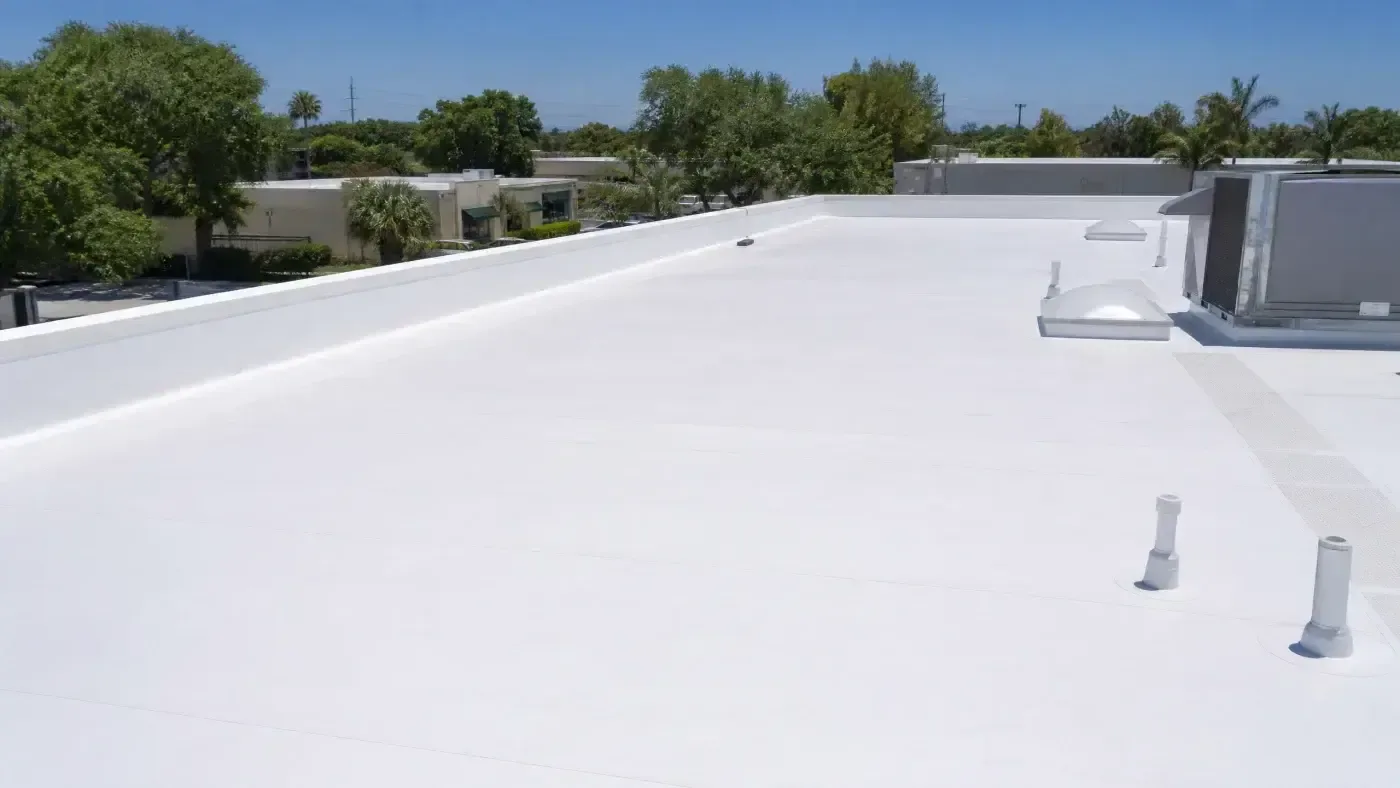
A strip center roof is long and flat. It carries every tenant's rooftop unit, a restaurant's exhaust, signage supports and a row of drains. Each tenant adds penetrations over the years. Different crews flash them with different habits. When a unit is replaced, the curb often gets a fresh coat of sealant and no new flashing.
Leaks then show at the tenant who did nothing wrong. We trace each stain back to the nearest unit, curb, wall tie-in or drain and mark it on the roof plan. Then we rate every penetration. The landlord sees which tenant's equipment sits near which leak. A restaurant hood with a grease-soaked membrane beside it is a different fix from a split flashing at a dentist's unit, and the sheet says which is.
What it costs: vacancy and rent talk
The repair is the small number. A closed shop is a bigger one. A tenant with a wet ceiling asks for a rent credit, and some do not renew. Wet insulation adds another bill, and mold a third.
Roof cost moves with area, layers, wet insulation, penetrations, equipment to lift and access around storefronts. Long runs of parapet cost more than open field. Signs and canopies need lift access and careful flashing. Tall storefronts raise the cost of staging, and we show that cost as its own line, so the landlord can compare bids on the same terms. A commercial roof leak repair at the actual source costs less than patching three stains one by one.
The landlord gets repair, restoration and replacement priced side by side, plus the cost of a year's delay.
Parking lot access is a line item. Lifts, dumpsters and delivery trucks occupy stalls, and a center that loses a row of parking in a holiday month loses sales. Staging therefore moves to the back lot where possible, and the estimate lists any front-lot stalls needed and for how many days, so the landlord and tenants can agree on it in advance.
Storm season: wind, hail and signage
The Birmingham area sits in Dixie Alley. Retail roofs in the metro sit in a tornado record that runs from the 1977 F5 to the April 27, 2011 EF4. Thunderstorms come mostly in spring, then again from November into early December. A hailstorm on April 25, 2003 left softball-size stones across central Alabama.
Strong wind takes coping, edge metal and unit covers off strip centers, hail bruises membrane over long fields and signs and canopies add load to the edge. A severe report sends us on a storm walk of edges, signs, units and drains. We photograph each item with a date, and the landlord's insurer sees the same file we do.
When to do it: Riverchase, Highway 150 and the holiday calendar
Shopping, a hotel and offices came together at the Riverchase Galleria on US 31 in 1986. Patton Creek, a shopping area, sits on SR 150 in Hoover. Colonial Promenade sits on Trussville's western side, and the Tutwiler Farm centers sit along Highway 11 at the I-59/I-459 interchange. District 31, a 350,000 square foot mixed-use retail complex at Highway 31 and I-65 in Alabaster, was announced in 2017. Retail is spread across the metro, and each center has its own calendar.
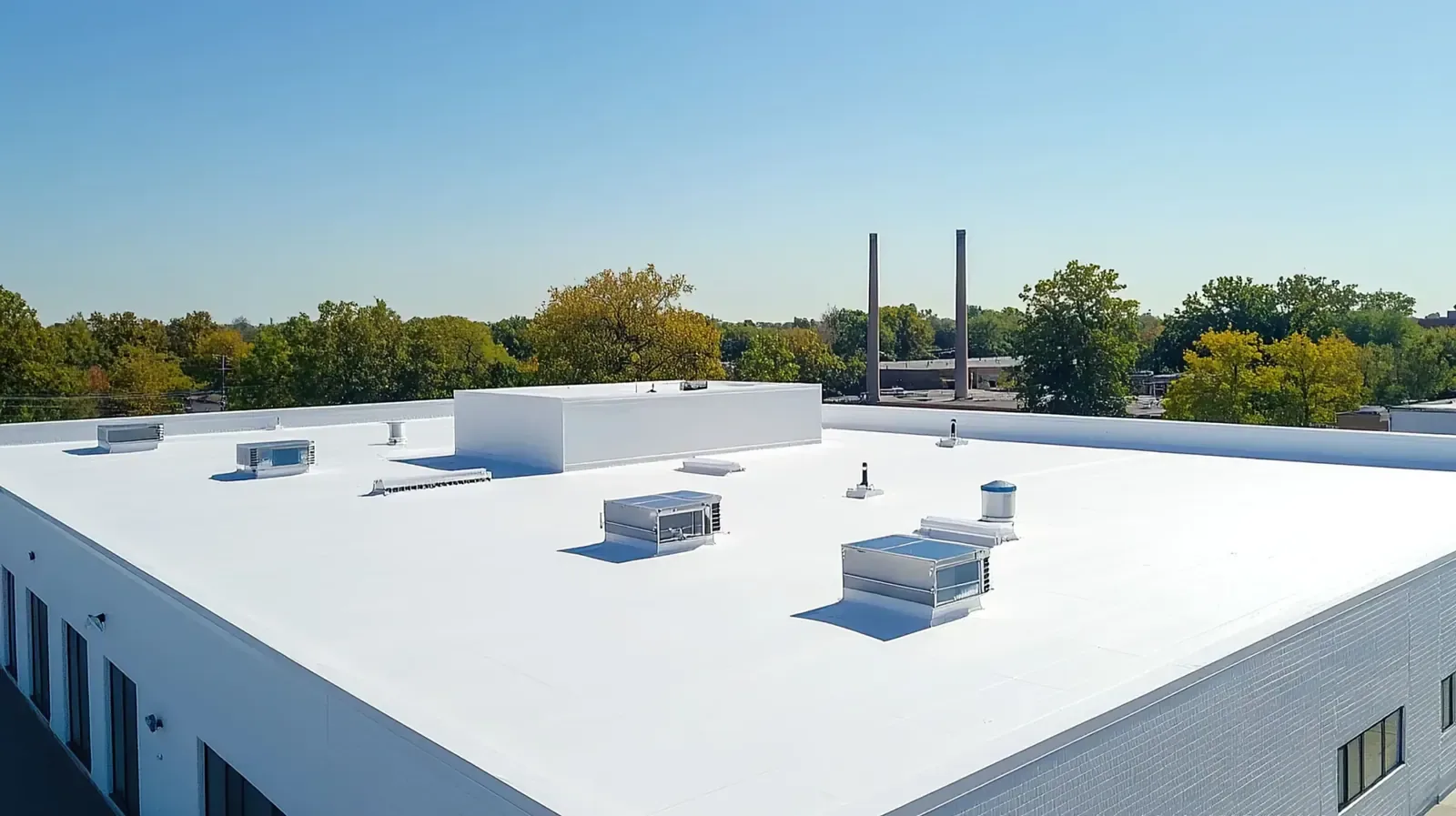
Do roof work between January and early March, or from late spring to early fall, and stay out of the weeks before Christmas. Parking is the other limit: lifts and trucks take stalls, so we mark a staging area at the back of the lot and keep the front rows open for customers. An occupied building reroof plan lists the dates by bay, with storefronts and loading doors kept clear.
Budget year: pass-through and reserves
Many centers carry a roof reserve or pass part of the cost to tenants through common-area charges, depending on the lease. Ask your accountant which applies, then send us the lease clause so the scope matches who pays. A clear report makes that conversation easier. With photos, dates and prices attached, tenants can see why the charge exists.
The plan has three layers. Year one: leaks, drains and penetrations. Year two: the weakest section. Year three: the rest. Hot, humid summers make a yearly seam check part of the schedule.
More on Shopping Center Roofing
Recommendation: fix the tie-ins before you replace the field
Start with the cheap items. Reflash curbs. Seal tie-ins. Clear drains. Cores across the field show where insulation is dry enough to restore and where it is wet enough to replace, and the dividing line is a number, written down.
A center's replacement scope starts from the state's enforced code and the ANSI/ASHRAE/IES 90.1-2013 energy requirement. Large-format stores and pad sites follow similar steps, as in big box retail roofing, and restaurants bring exhaust loads, as in restaurant roofing. The Highway 150 corridor and Trussville use the same plan.
What to ask us: five questions a landlord can use
Call with the center address and the tenant list. Then ask these.
- Which units and curbs are open right now?
- Which stains trace to which source?
- Is the insulation dry, and how do you know?
- What does repair cost, and what does waiting cost?
- How do you keep storefronts and loading doors clear?
Reports come with photos, readings and a price. We also need the lease dates that matter, the tenants who need quiet and the days that cannot lose parking. Those answers decide the schedule.
If a tenant calls about a drip, send us the shop number, the date and the weather. The trace starts on the roof, and the next report names the tenant whose equipment sits closest to the leak, giving the landlord the facts to open that conversation.
Commercial Roofing Questions
Who pays for the roof in a multi-tenant center?
Read the lease, and let the landlord's attorney answer it. A photo-and-date report helps either way, and We recommend sending it to tenants ahead of the budget meeting so the talk is about facts, not a stain.
Can the roof be replaced while shops stay open?
Yes. We work in sections, keep storefronts and loading doors clear, and dry in daily. Send tenants a one-page schedule two weeks out, loud days marked. Food and fitness tenants may need their own window.
How do rooftop unit changes affect the roof?
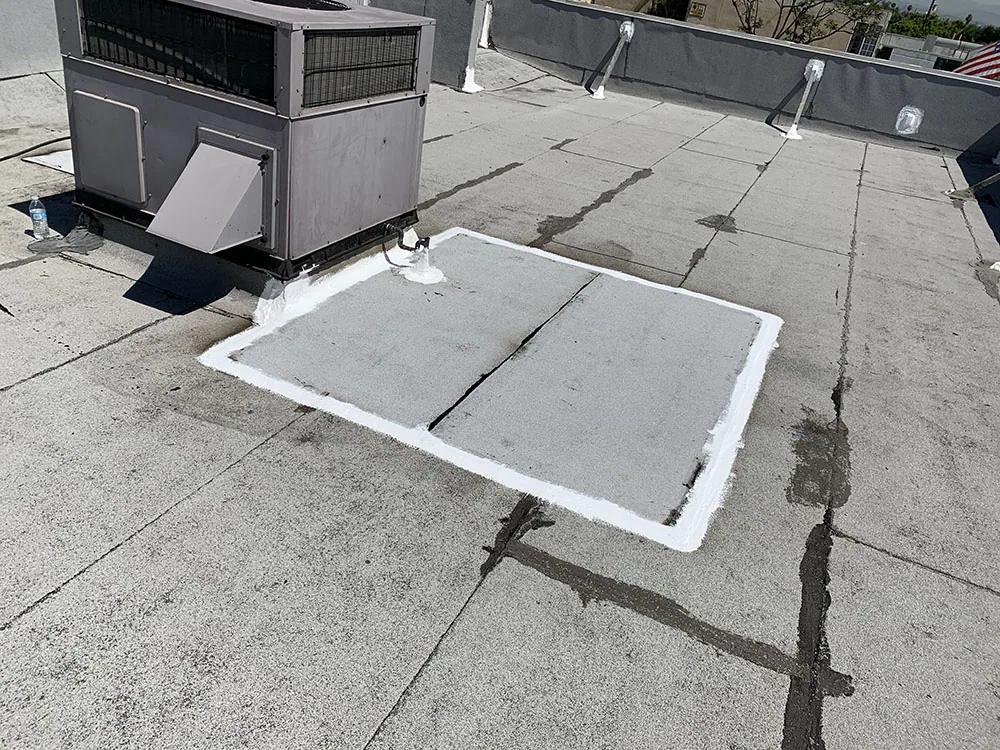
Every new unit needs a curb and flashing tied into the membrane. We recommend a rule: no unit change without the roofer on site. A curb set by the mechanical contractor alone is a repeat leak. We flash it and log it on the roof plan.
When is the best time to do roof work on a center?
January to early March, or late spring to early fall, away from the weeks before the holidays. We recommend booking the walk in January so the work can start before storm season. Starting late squeezes the schedule and lifts the price.
Does hail damage need a claim?
Sometimes. Run a hail check after any severe hail report and photograph every bruise, then file the results with your insurance papers. Bruises from hail like the April 25, 2003 softball-size storm in central Alabama can leak weeks later.
Related Roofing Work
Commercial Roof Leak Repair
Occupied Building Reroofing
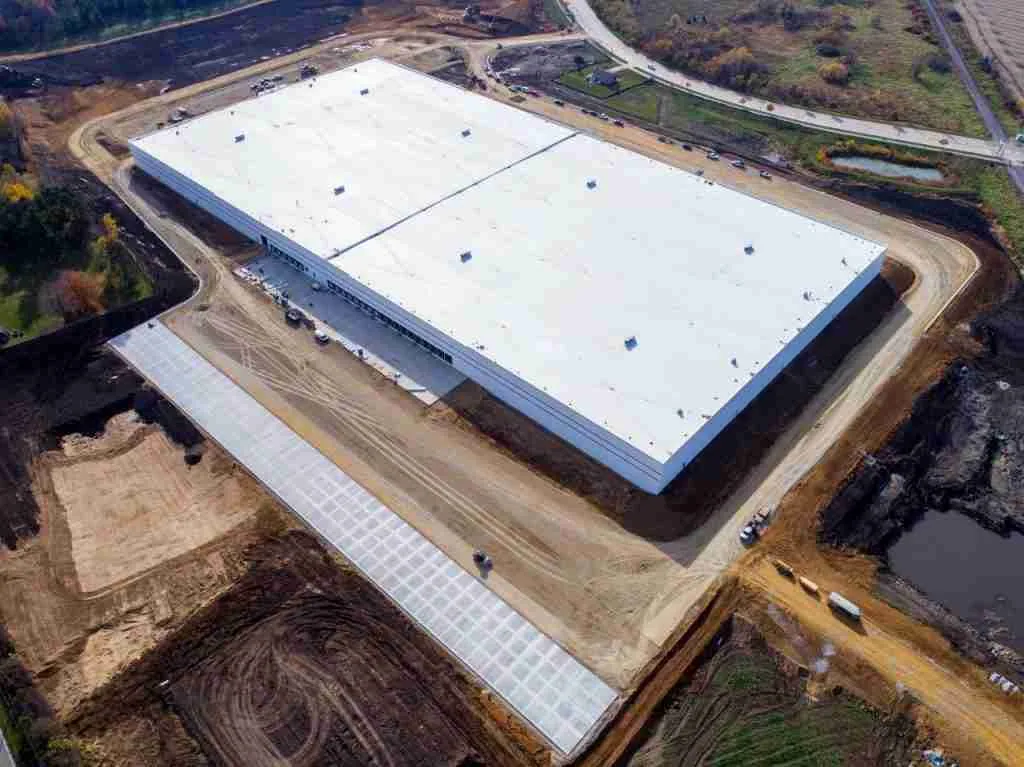
Big-Box Retail Roofing
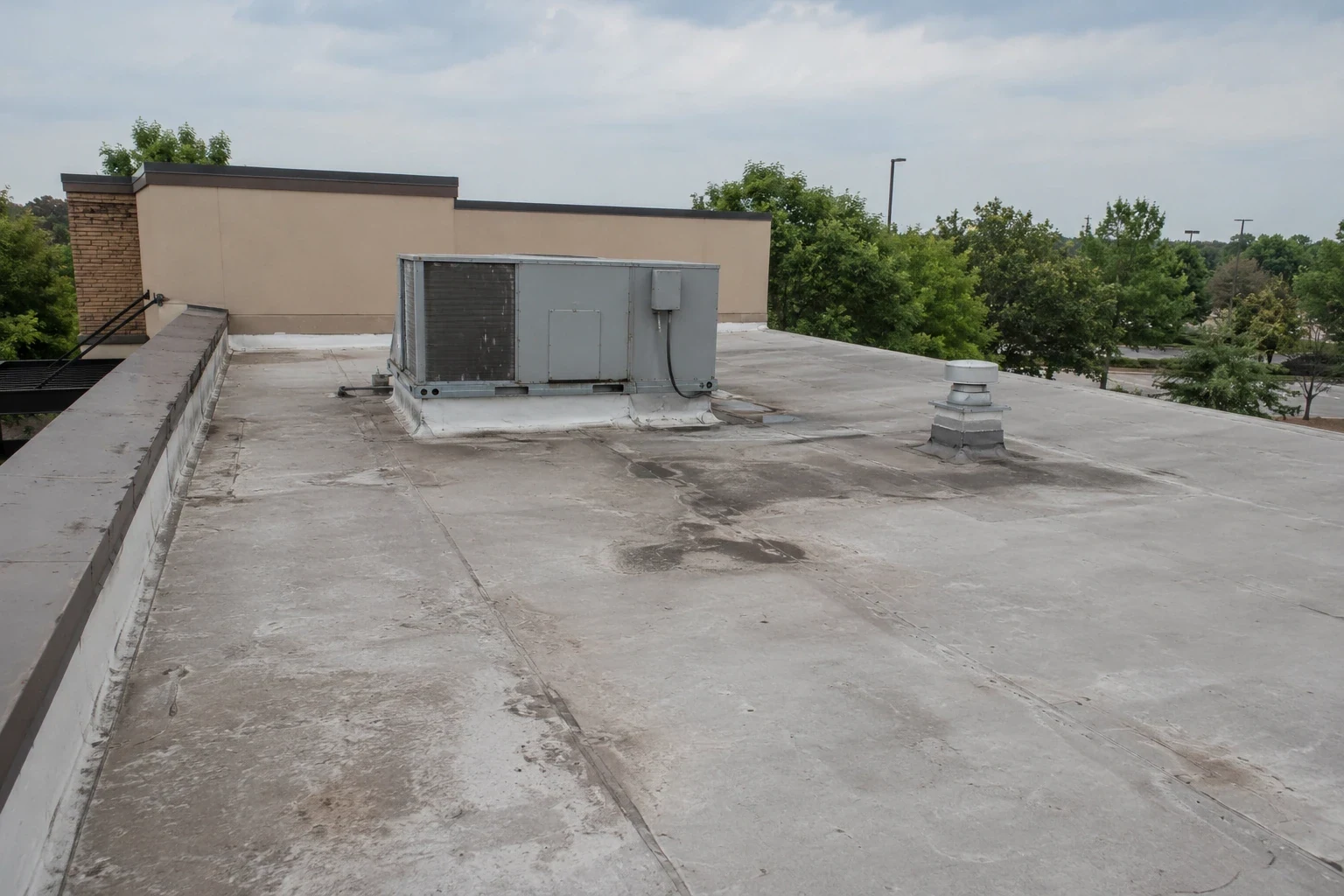
Restaurant Roofing
Emergency Leak Calls
Call for a storm walk or budget review
Call before spring, or after the next severe report. The visit pins down which tie-ins and units go first and what the fix costs. You get the list in writing, with a price on each item.