
Big-Box Retail Roofing
Big-Box Retail Roofing in Hoover, AL
Retail has one calendar that beats all others: the holidays. A big-box store in Hoover, AL cannot lose a week in November or December. Storm season hits in March, April and November. Between those dates sits the real window for roof work, and it is shorter than it looks.
So we plan backward from the sales calendar. Walk the roof in January. Price it in February. Work between early March and the back-to-school rush, and stay out of the fall build-up. You get dates, scope and a number in one document.
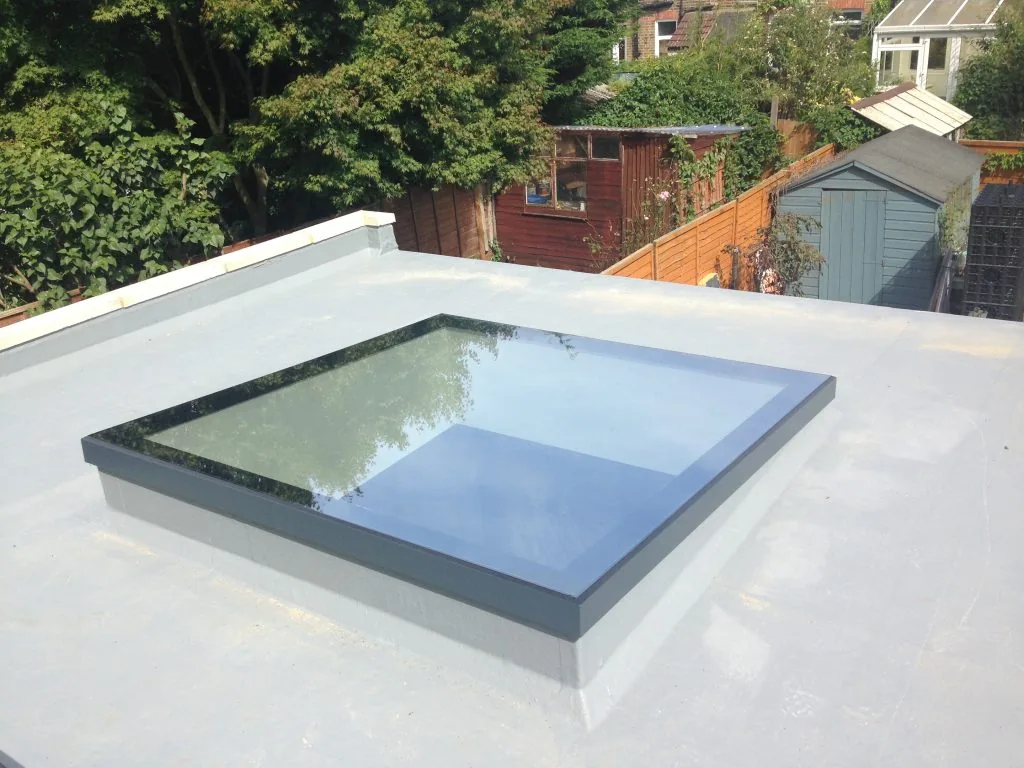
The issue: acres of roof, a few weak spots
A big-box roof is a very large, very flat field. Most of it is fine. The trouble sits at a short list of places: rooftop units, dock-side edges, drains, skylights and the tall front wall. A drip over a sales aisle is a safety problem before it is a roof problem, so staff close the aisle and call.
We walk the whole roof. We probe seams near every unit. We flow-test drains. We check the edge metal and parapet along the front, where wind hits first. Then we mark every open detail on the roof plan, with a photo and a price beside it.
Long seams add risk, and heat adds more. A seam that was tight in March can open by August after weeks of 90-degree days. One open lap can carry water along a joist and drop it three aisles away. Staff see the drip, not the source, so we trace from the roof side.
What it costs: closed aisles and lost sales
A roof repair is a modest invoice. A closed aisle on a holiday weekend is not. Add the ceiling work, the wet stock and the cleanup, and a missed repair costs much more than it saved.
Roof cost moves with area, layers, wet insulation, equipment to lift and access around customer traffic. Because the roof is large, small per-foot differences add up fast. A modest change in insulation thickness, a lift that has to be rented for a week or a second pass at the parapet can move a bid by more than the cost of a repair program. We list each of those as its own line. A roof recover over dry insulation can save the cost of a tear-off and cut the disruption, and the cores decide whether it is an option.
Repair, recover and replace are priced side by side, with one more year of waiting as a fourth line.
Storm season: wind on the front wall
The Birmingham area sits in Dixie Alley. Tornado damage near Birmingham is measured against the 1977 and 1998 F5 storms and the April 27, 2011 EF4. Inverness, Pelham, Helena and Indian Springs all saw business buildings damaged by a 1994 F2 tornado. Spring is thunderstorm season, and a second one opens in November and runs into early December.
Big-box roofs lose coping, edge metal and unit covers in strong wind. Hail bruises membrane over long fields. Hail of softball size in April 2003 is the benchmark for membrane bruising in central Alabama. After a severe report we run a storm walk: edges, units, drains. We photograph every item with a date, and the file goes to the property manager and the insurer.
When to do it: US 280, Highway 31 and the sales calendar
US 280 runs through Inverness, and the corridor includes many restaurants and shopping centers. US 31 also runs through Pelham. Walmart and Sam's Club are among Hoover's largest employers, with 950 jobs, so large-format retail is part of the city's working life, and the roofs over such stores take the same weather as everything else.
Plan roof work for late winter, or for early summer, away from the weeks before the holidays. Work at night where needed to stay out of customer traffic. We stage materials at the back of the lot, keep fire lanes and entries clear, and dry in section by section. An occupied building reroof plan lists work zones by bay.
Budget year: the multi-store view
A retailer with many stores needs one view. We rank every roof by condition and by what sits below. The worst roofs go first. Each store gets a page with photos, readings and a price. The head office sees the whole picture in one sheet.
Summer heat and damp air load the cooling equipment on a roof this size. We add a yearly seam check to the plan, and a spring and fall drain clearing. A multi-store program for retail and restaurant chains uses the same format across all locations.
More on Big-Box Retail Roofing
Recommendation: drains and units first, field second
Start with the cheap items. Clear drains. Reflash curbs. Seal tie-ins. Once those are done we take cores across the field and read the moisture. Dry insulation means restore or recover, and wet insulation means that section is replaced. We put the line between repair and replace in writing, with a price on each side.
A big-box replacement is scoped to the building code and energy standard the state has adopted, with insulation thickness checked against the ASHRAE 90.1-2013 requirement. Smaller centers follow the same steps, as in shopping center roofing, and grocery stores add refrigeration loads, as in grocery store roofing.
What to ask us: store-level questions with numbers
Call with the store address and the last roof report, then put these questions to us.
- Which units, drains and edges are open right now?
- Where is the insulation wet, and how large is the area?
- Can a recover work here, or does it need tear-off?
- Which weeks are off limits, and how do you work around them?
- What does repair cost, and what does waiting cost?
The answer comes back as photos, readings and a price. We then ask for the sales calendar, the delivery windows and the contact for the overnight crew. Those three items shape the plan. A store that runs overnight stocking needs work moved off the dock side at night, and a store with a garden center needs lift access planned around the stock.
Commercial Roofing Questions
Can a big-box roof be replaced while the store stays open?
Yes. We work in sections, keep entries and fire lanes clear and dry in each section the same day. We recommend a bay map with dates, shared with your store manager two weeks ahead. The loudest work moves to the quietest hours, and we stage materials away from customer parking.
What is the best time of year for roof work?
Late winter, before storm season, works for most stores. Early summer works too. We recommend avoiding the weeks before the holidays. Book a date range, not a single date, so one rainy week does not move the whole job.
Is a recover better than a tear-off?
Sometimes. If the existing roof is dry and sound, a recover saves time and cost and cuts noise. We recommend cores and moisture readings first. Wet insulation means tear-off for that section, because a recover over wet boards traps the water.
How do we handle a leak over a sales aisle?
Close the aisle, then call us. A crew dries in the opening first, then traces the source from the roof side. We recommend photographing the stain from the floor with the aisle number in frame, which saves a trip to the wrong bay.
Does hail damage need a claim?
Sometimes. After any severe hail report, run a hail check and photograph every bruise. We recommend filing the report with your insurance papers. Hail bruises can leak weeks later, and early photos support a claim.
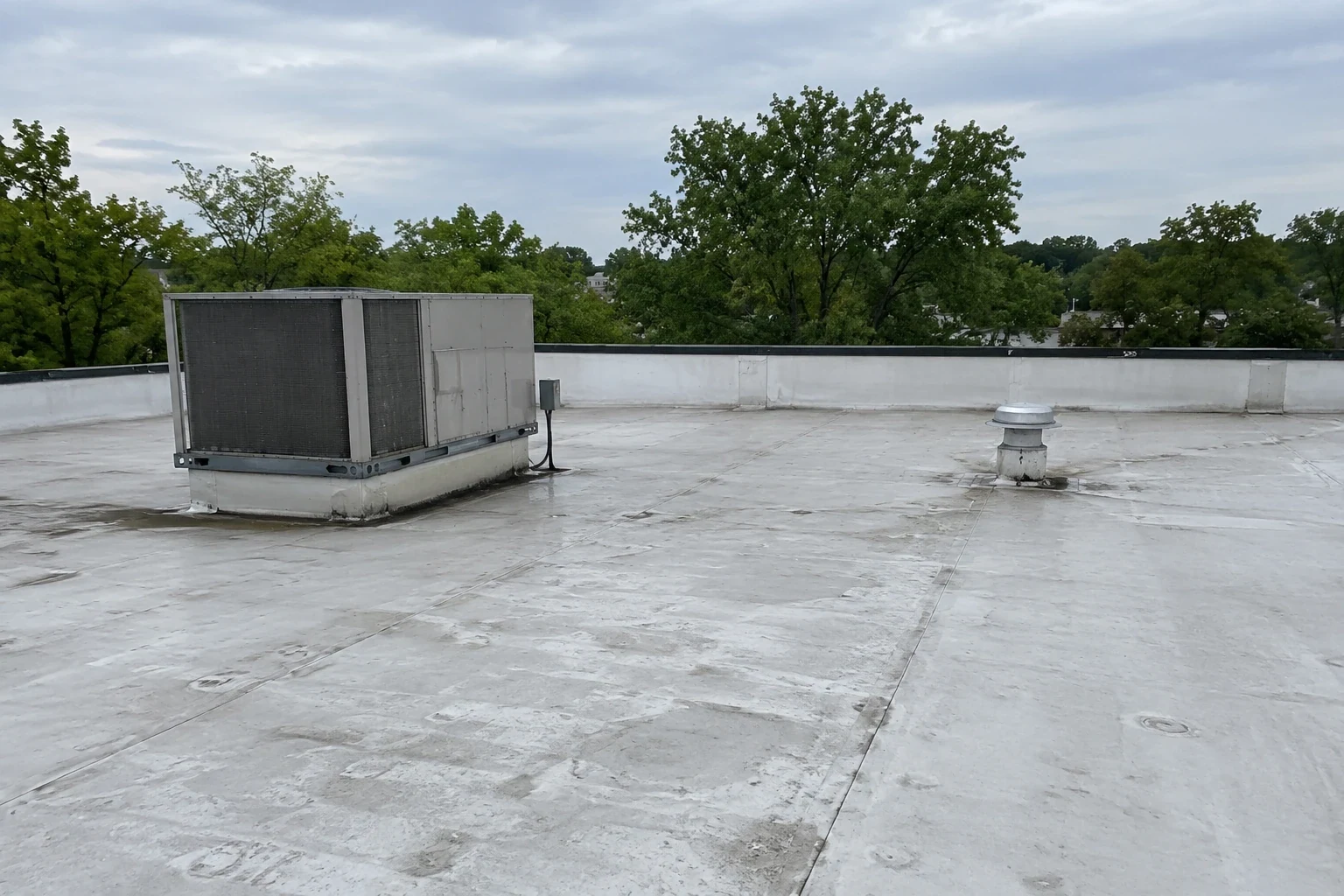
Related Roofing Work
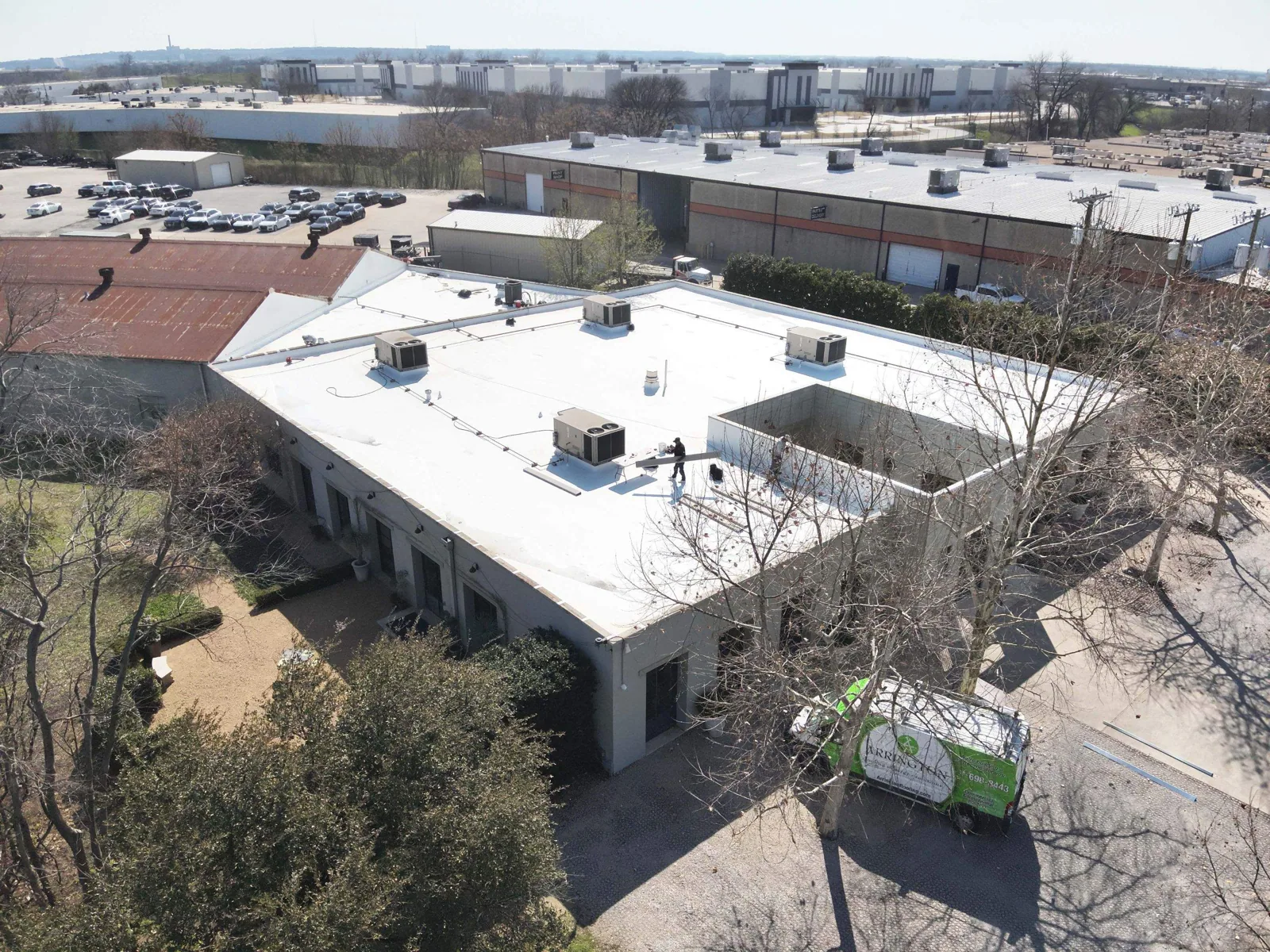
Roof Recover and Overlay

Inverness

Pelham
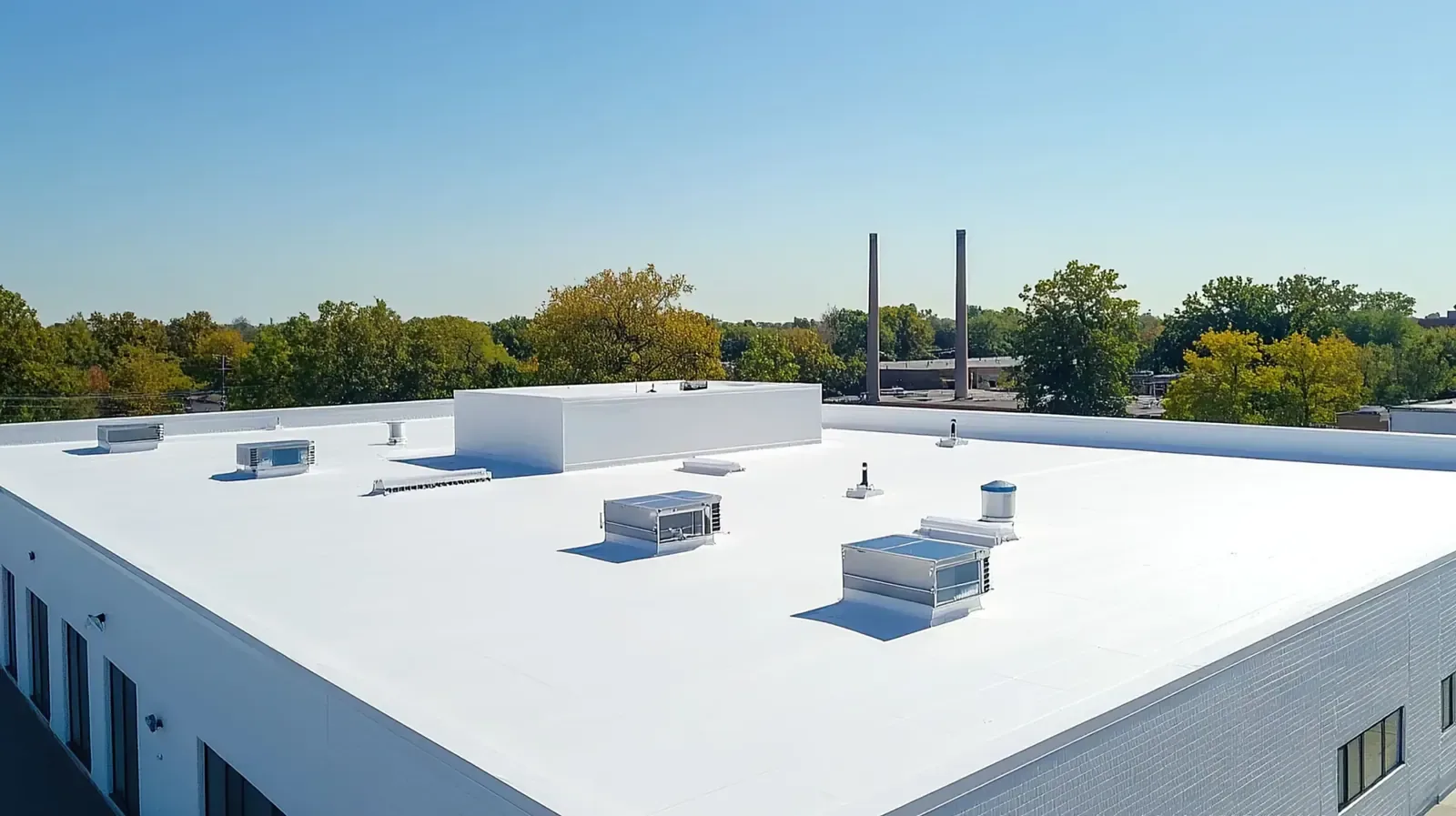
Occupied Building Reroofing
Emergency Leak Calls
Call for a storm walk or budget review
Call before spring, or after the next severe report. The visit pins down which units and drains go first and what the fix costs. You get it in writing, with a price on each store.