
Spray Polyurethane Foam Roofing
Spray Polyurethane Foam Roofing in Hoover, AL
Spray foam is a roof you can only install on a good day. In Hoover, AL good days are limited. Humidity near 70 percent, afternoon storms and wind all shut down a spray crew. When the day is right, SPF goes on as a liquid, expands into a jointless insulating layer and cures in minutes. We spray it, coat it and maintain it, and we tell you how weather and hail change the plan and the price.
SPF is not for every roof. It shines on odd shapes, over old roofs and where insulation value matters. It asks more care on the calendar than a rolled sheet does.
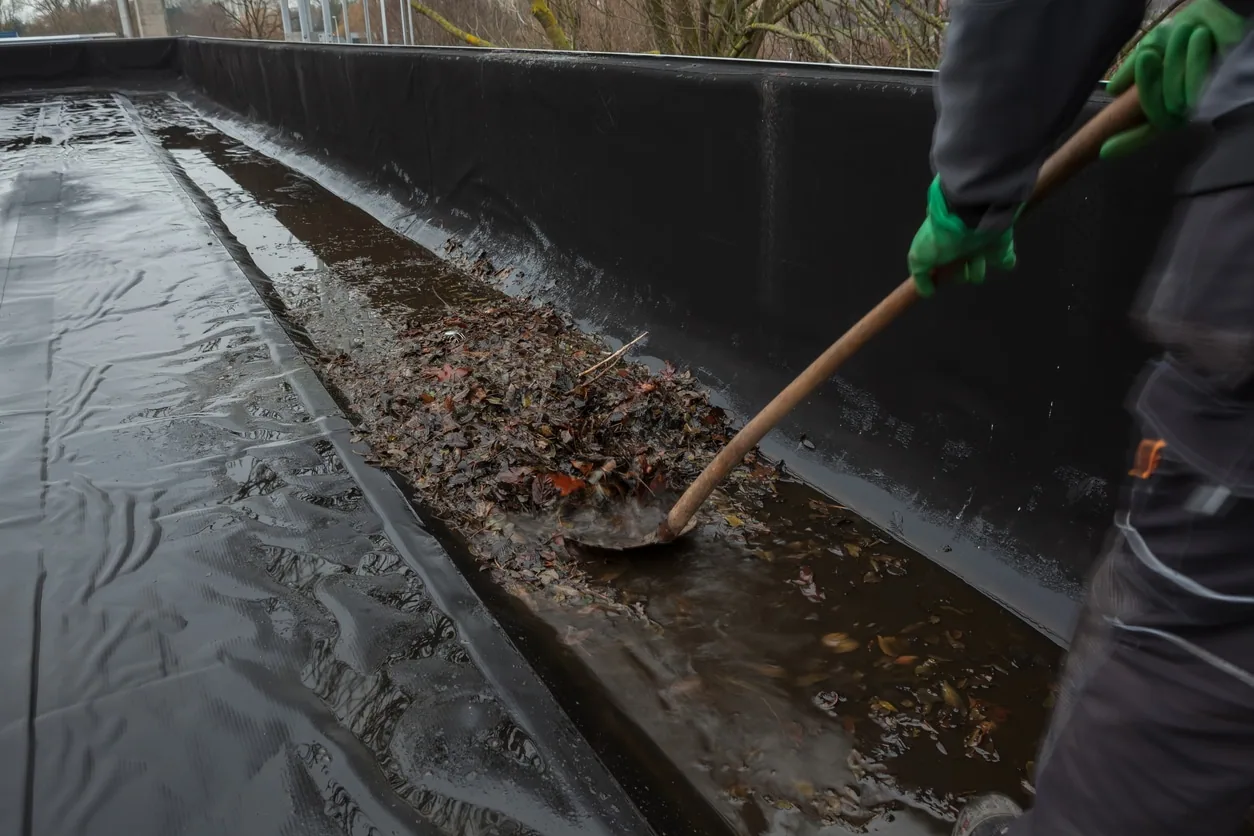
The issue: what SPF is and where it fails
SPF is two liquid components mixed at the nozzle. They expand into rigid foam that bonds to the substrate. Thickness is built in passes. A protective coating goes over the top, since UV destroys bare foam. Granules can be broadcast into the coating for wear.
It fails in a few ways:
- The coating wears thin, exposing foam to sun.
- Hail or foot traffic dents the foam and cracks the coating.
- Moisture is trapped under the foam, from wet substrate.
- Poorly detailed edges and penetrations let water in at the foam's edge.
The foam itself rarely fails by chemistry. It fails by exposure. A maintained coating keeps it working.
Fire and fumes need planning during the spray. Foam components release vapors while they react, and the work area must be ventilated and kept free of ignition sources. Air intakes near the work are shut or covered, and neighbors get notice. After curing the roof is inert, but the spray day is a controlled event with its own safety plan.
What it costs: thickness, coating and weather days
Price rises with foam thickness, and thickness follows the insulation target. The coating is a separate, recurring cost. Weather days add schedule risk. A spray crew that waits for a dry, calm day charges for the wait, and the bid should say how many standby days it assumes.
Compared with a tear-off and a new sheet, SPF over a sound old roof can save removal and disposal. It also adds insulation in one step. We price a recover with SPF beside a membrane recover, with the coating cycle shown over ten years. The long-term line is the one that tells the story.
Insulation value is the bonus. Foam adds R-value in one pass without seams or fasteners, which can matter where the energy code applies. ASHRAE 90.1-2013 is the commercial energy standard across Alabama, so the insulation line may carry weight in the review. We confirm the requirement for your project before pricing.
Spray days: humidity, wind and temperature
Summer heat reaches 90 degrees or higher on about 65 days a year in Birmingham, with humidity around 70 percent. Foam needs a dry surface, moderate temperature and light wind. Moisture on the substrate ruins adhesion. Wind blows overspray onto cars and neighbors. High heat changes cure speed.
So the schedule is flexible by design. We watch the forecast, set up early and spray when conditions allow. Overspray control, tarps and a wind limit are part of the plan. On a busy retail site we spray at dawn and close the lot below. A good spray day is booked with a backup day beside it.
Substrate temperature matters as much as air. A roof deck baked by afternoon sun can run far above the air, and foam sprayed on too-hot a surface cures wrong. Dew on a cool morning does the opposite. We check surface temperature and moisture with meters before the first pass, and we skip the day if the numbers are off.
Storm season: hail, debris and the foam
Dixie Alley covers this metro. Spring holds the heaviest thunderstorms, with a second stretch from November into early December. Hail the size of softballs struck central Alabama in April 2003. Hail can dent foam and crack its coating, even when the roof looks fine from the ground.
Granules and a thicker coating improve hail resistance. After a storm we check the surface by hand and by probe, mark cracks and patch them. Small fixes cost little. Ignored cracks let water into the foam, which soaks it. Our hail damage repair crews handle patching and write up the findings for a claim.
Debris cuts foam. A limb or a loose sign thrown by a storm can gouge the coating and expose the foam. Quick patching keeps the damage small. Our storm walk covers the whole surface, not only edges and drains, and we carry foam and coating for same-day repairs.
By building: where SPF fits the metro
SPF suits odd shapes, domes, roofs with many penetrations and re-roofs where tear-off is hard to justify. Think of an older school or church with a complex roof, or a retail building on Highway 31 in Pelham or Alabaster that wants more insulation without a tear-off.
It is a weaker fit for roofs with heavy foot traffic, constant ponding or steady grease. Those roofs do better with built-up roofing or PVC. A moisture scan comes first on any recover, since trapped water under foam is hard to repair.
Detail work at edges, curbs and drains is where SPF jobs succeed or fail. The foam is built up to form a sloped, continuous surface that sheds water, and the coating laps onto walls and curbs. We sketch the foam build-up at each detail before the crew sprays, so what goes down matches what the plan promised.
More on Spray Polyurethane Foam Roofing
Recommendation: when we pick SPF
We pick SPF when the roof is dry, awkwardly shaped or short on insulation, and the owner will keep up the coating. We steer away from it for wet roofs, heavy traffic or owners who will not recoat. Walk the roof with us. We scan, cut cores and price SPF next to one other system.
Plan the coating cycle at the start. The choice between silicone and acrylic over foam, and granules in high-traffic spots, gets settled at the start. The recoat interval and its cost go on paper. A foam roof with a coating plan is a good roof. One without it is a slow loss.
We write a care plan with dates: a yearly walk, a drain clearing, a recoat window. Foam roofs reward the owner who keeps to a short calendar, and the calendar costs very little compared with a replacement.
Commercial Roofing Questions
Can spray foam go over my old roof?
Often yes, if the old roof is dry and well attached. A moisture scan and cores check this. The surface is cleaned and primed, then foam is sprayed over it. Trapped moisture under foam causes blisters and failure, so we do not spray over wet insulation. Results go on paper before the bid.
Why does the schedule for SPF run on weather?
Foam needs dry surfaces, moderate temperature and light wind. Humidity and rain stop the work, and wind blows overspray. A crew waits for a good day, then sprays and coats quickly. We budget standby days and book a backup day so weather delays do not stretch the schedule beyond what the bid shows.
How often does an SPF roof need recoating?
The coating type, thickness and exposure set the interval. Silicone and acrylic coatings both wear, and a yearly check shows when. Recoating before the foam is exposed keeps the cost low. We write a recoat interval into the care plan, and we revisit it at each visit based on what the surface shows.
Is spray foam hard to repair after hail?
Small dents and cracks are simple: we clean, patch with foam or sealant and recoat the spot. Large areas of bruised foam may need removal and respray. A prompt inspection keeps the repair small. The photographs and probe results also support an insurance claim.
Related Roofing Work

Hail Damage Roof Repair

Pelham

Alabaster
Built-Up Roofing
Emergency Leak Calls
Call for an SPF roof walk and a coating plan
We will walk the roof, scan for moisture and price SPF beside one alternative, with the coating cycle shown. The visit pins down the thickness, the spray window and the budget year.