
Bessemer
Commercial Roofing in Bessemer, AL
One slow drain on a big distribution roof can cost more than a year of patching. Bessemer, AL has the kind of buildings where that math matters. Amazon announced an 800,000 square foot fulfillment center there in 2018. U.S. Pipe runs a ductile pipe plant on the north side. Heavy industry and big flat roofs go together.
Each roof is checked and priced on what it shows, with a date on each fix.
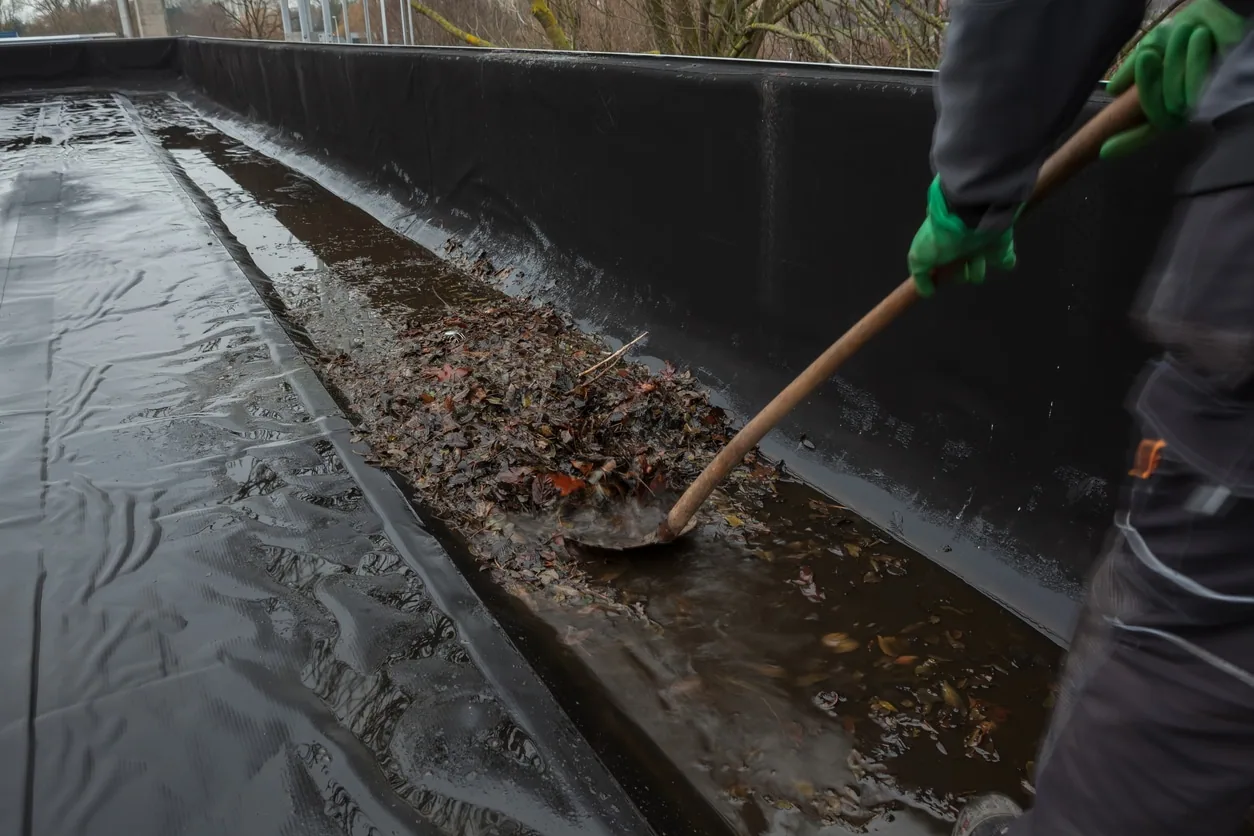
Distribution and fulfillment roofs: drains first
Amazon announced in 2018 an 800,000 square foot, $325 million fulfillment center in Bessemer with 1,500 initial jobs. Big fulfillment buildings run on tight schedules. A roof leak over a pick floor stops work. So the first check is drainage. Every drain, every scupper, every overflow.
On a flat roof this size, water has a long way to travel. One clogged drain can hold water over a wide area. Ponding adds weight and ages the seams. We clear each drain, flow-check it and mark ponding lines on the plan. We photograph everything. A repeat pond means a new drain or tapered insulation. A patch only delays the fix.
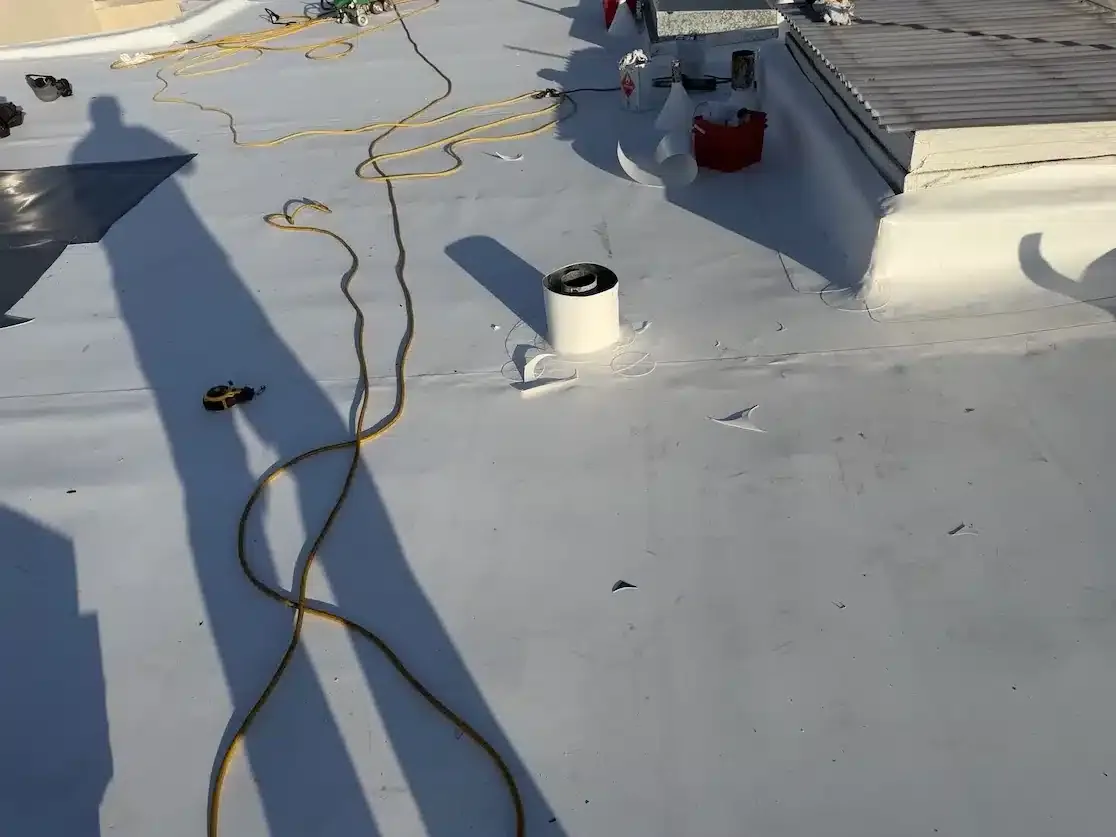
Replacement choices come next. A large flat roof may carry a single-ply sheet such as TPO, and the first walk confirms which system is there. When a roof reaches the replace side of the line, price two or three systems on the same scope, with the same insulation and drain work. That keeps the comparison fair, and it shows what the sheet costs apart from everything under it.
Winter and summer both matter. Rain is heavy here, and heat stays on the roof for weeks. In a Bessemer summer, about two months of the days reach 90 degrees. Dark membranes get hot enough to soften sealants. We check sealant at every curb and wall each summer and touch up what has chalked or cracked, before the fall rains arrive.
Dock edges, canopies and rooftop equipment
The dock side of a distribution building takes hard use. Trucks, wind and drifting rain hit the roof edge. Canopies, leaders and overflow scuppers add penetrations. Rooftop units, exhaust fans and fire-protection risers add more. Every one is a possible leak.
We walk the whole edge and count every penetration. We check curb flashing, boot seals and pads. We rank each one by what sits below it. A boot over a pick aisle goes first. A boot over an empty corner can wait. The ranked list comes in writing. It makes the budget request easy to approve.
Seams on a big roof deserve a sample probe each visit. We run a probe along a measured length of seam, mark any lift and photograph it. A few open inches in a year is a repair. A long run of open seam in one zone is a trend, and trends belong in the capital plan. Keep the probe results with the roof plan so the next visit starts where this one stopped.
Pipe plant and foundry roofs: heat, dust and exhaust
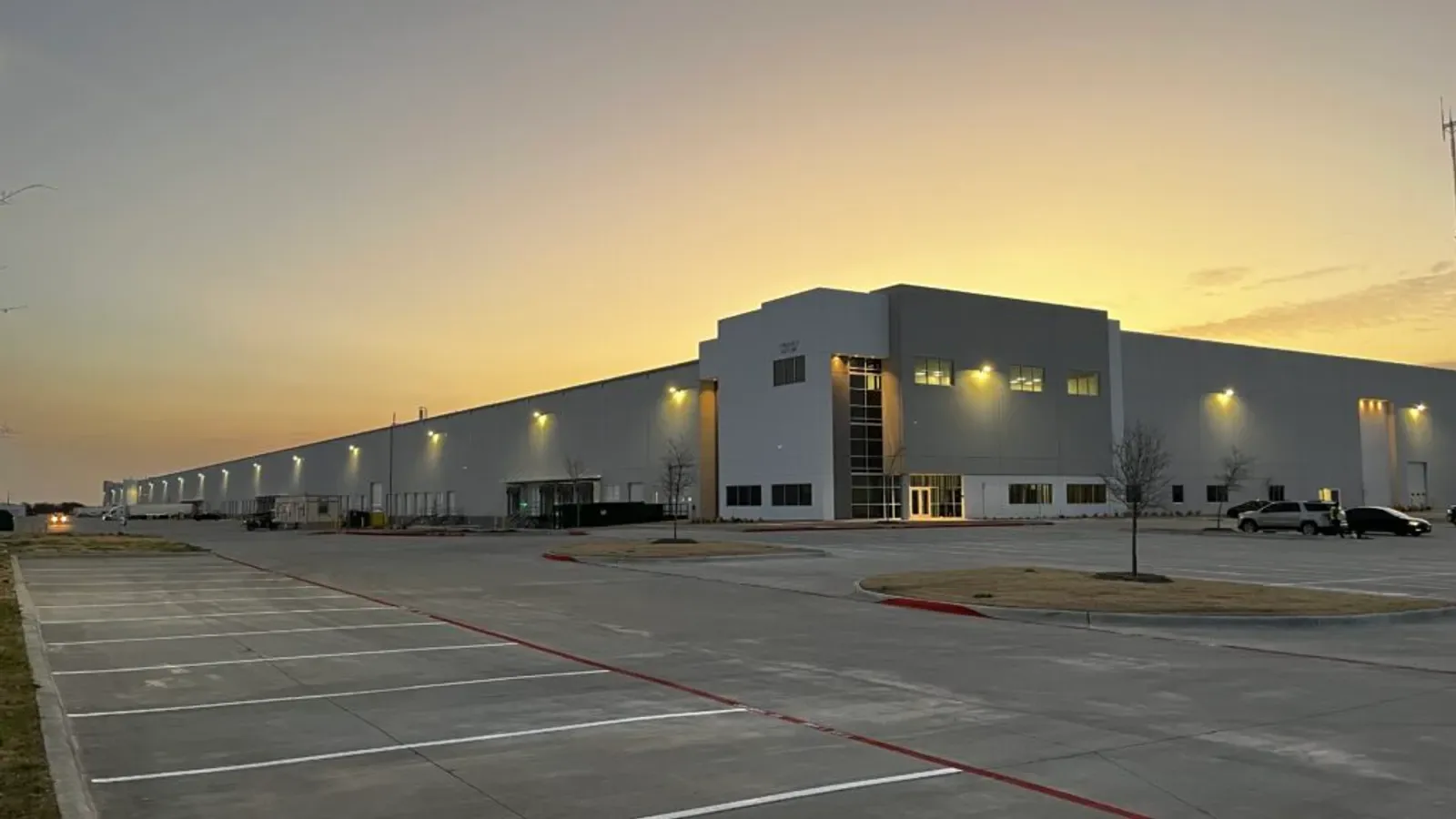
On Bessemer's north side, U.S. Pipe runs a ductile pipe plant and announced a $45 million foundry in 2007. Process plants put heat, dust and exhaust on the roof. Heat dries out sealants. Dust packs into drains. Exhaust can stain and soften a membrane near the stack.
We map every discharge point and check the surface around it. We clear dust before we inspect, because dust hides cracks. A manufacturing plant roof also needs a plan for shutdown windows, hot work rules and protected air intakes. We write those into the scope.
Process buildings also run vibration. Fans and compressors shake their supports, and shaking loosens flashing. We check every vibrating unit for worn isolation pads and loose fasteners. A worn pad costs little to replace. A flashing torn by a shaking fan leaks into the plant. Put the pad check on the yearly list, and photograph each pad so wear is easy to compare from one year to the next.
Reused industrial buildings
A former Pullman Standard railcar plant was occupied in 2012 by BLOX LLC, a maker of modular healthcare components. Reused industrial buildings often have old roofs with new tenants. The tenant changes. The roof does not, and neither does the weather.
When a building changes use, the roof deserves a new look. New equipment, new loads, new exhaust. Ask for a roof report before the lease or the purchase, and ask for it early enough that the findings can change the price or the terms. A due diligence roof survey shows the condition, the likely remaining life and the cost of the next ten years. A buyer who skips it learns the roof's condition from the first leak instead.
Highway access and storm exposure
Four roads serve Bessemer, I-20/59, I-459, US 11 and SR 150, and SR 150 connects it to Hoover, which keeps crew access direct. The storm side of the picture is Dixie Alley, with the 1977 and 1998 F5 tornadoes and the EF4 of April 27, 2011.
Thunderstorms crest in spring and return from November into early December. Walk your roof in January. Fix edges in February. Edges take the hit first. After any storm, call for a storm damage roof repair check. We tarp and dry first, then document and price the lasting fix.
More on Bessemer
Budget year: what to fix and what to plan
Seams, sealants and coatings wear every year under about 56.6 inches of precipitation and some 65 days at 90 degrees or higher. A written report draws the repair-or-replace line with a price on each side. On a roof this large, the walk is planned in zones: a sample of seams, every drain and every edge run, with the results filed by zone so next year's walk can be compared bay by bay. Neighbors in Hueytown and Fairfield can use the same format.
Commercial Roofing Questions
Does a bigger building mean a bigger roof problem?
Not by itself. Size sets the scale of the job, not the condition. We recommend a drain-by-drain check first. On a big flat roof one slow drain can do more harm than a dozen small defects, and fixing it is often cheap, quick and easy to schedule around operations.
How do we avoid stopping work during roof repairs?
Plan around your schedule. We stage material away from docks and active aisles, close each zone daily and keep tarp-and-dry ready. We recommend sending us your peak-season calendar with the roof plan, so the work fits your operations and not the reverse.
What should a buyer check on a reused industrial building?
The roof system, the drainage, the insulation and the equipment loads. We recommend a due diligence survey before closing, with a moisture scan. It gives you a price for the next ten years and a basis to negotiate the sale, with photos behind every line.
How does heavy industry change roof inspection?
It adds heat, dust and exhaust. We map discharge points and clear the surface before looking. We recommend a cleaning schedule and walk pads along service routes. Those cost little and protect the membrane near stacks, where it ages fastest.
When should I book storm-season roof work?
Before March. We recommend a January walk and a February repair window. Storm claims bunch up in March, April and November, and crews are scarce then. Early booking gets a firm date and a firm price, and the repair is done before the first storm.
Related Roofing Work
TPO Roofing
Manufacturing Plant Roofing
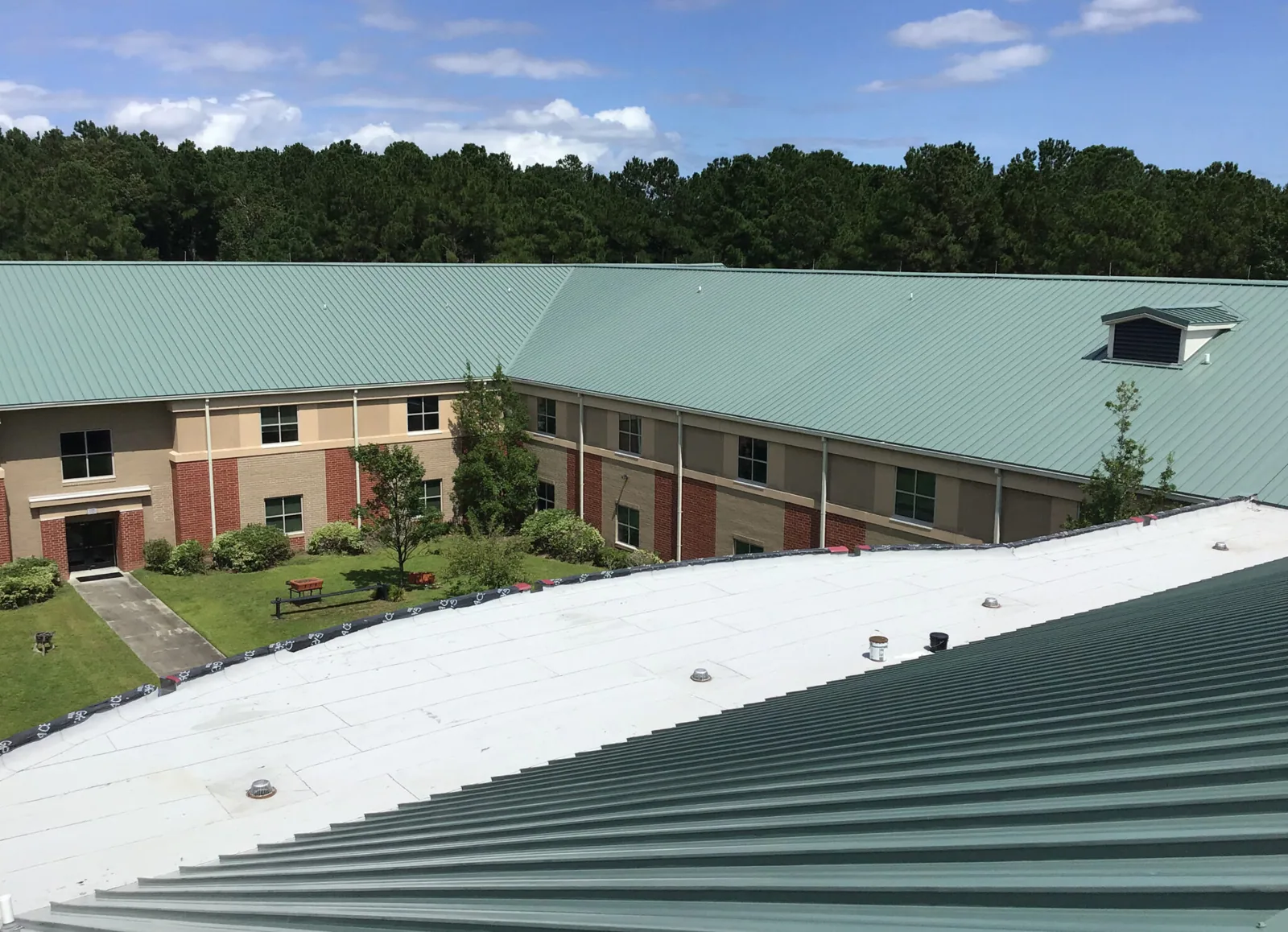
Due Diligence Roof Surveys
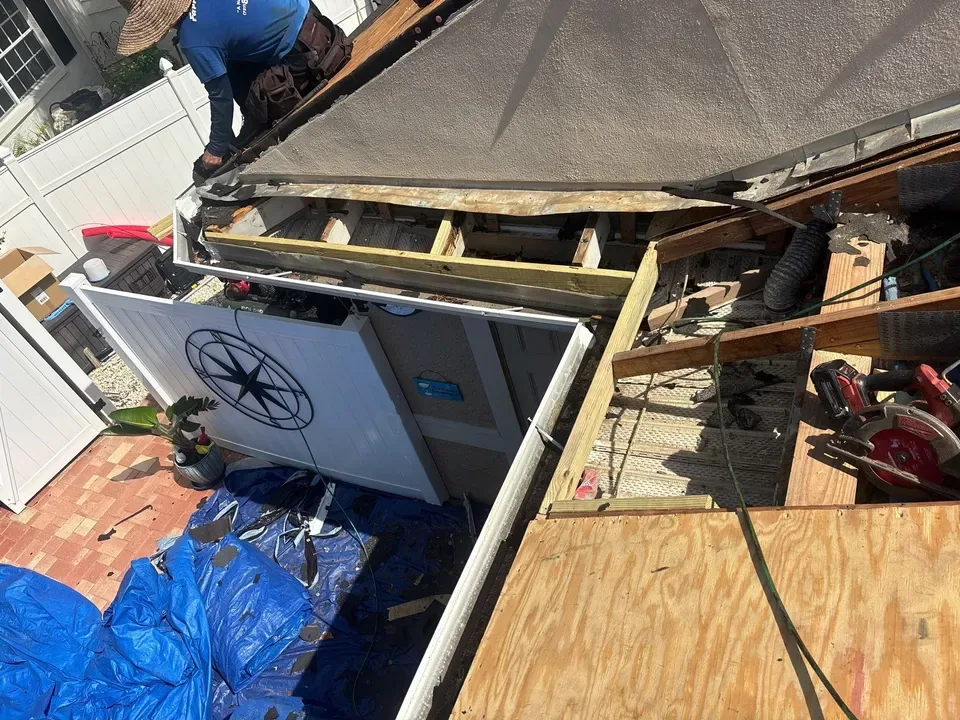
Storm Damage Roof Repair
Emergency Leak Calls
Call for a storm walk or budget review
Call before spring storm season or right after a storm. The walk pins down your drain condition, your penetration list and your repair-or-replace line. You get a written report with a price on each item.