
Hueytown
Commercial Roofing in Hueytown, AL
Hueytown, AL has lived through two violent tornadoes, so wind is the first thing a roof here is judged on. An F5 tornado on April 8, 1998 destroyed Oak Grove High School and Oak Grove Elementary School. An EF4 on April 27, 2011 damaged residential and business communities in Hueytown. Those are the facts that shape how a roof should be built and checked here.
No roof is tornado-proof. A good roof still loses less. Edges, fasteners and equipment tie-downs decide how much. We start there, and we put a price on each item before the walk ends.
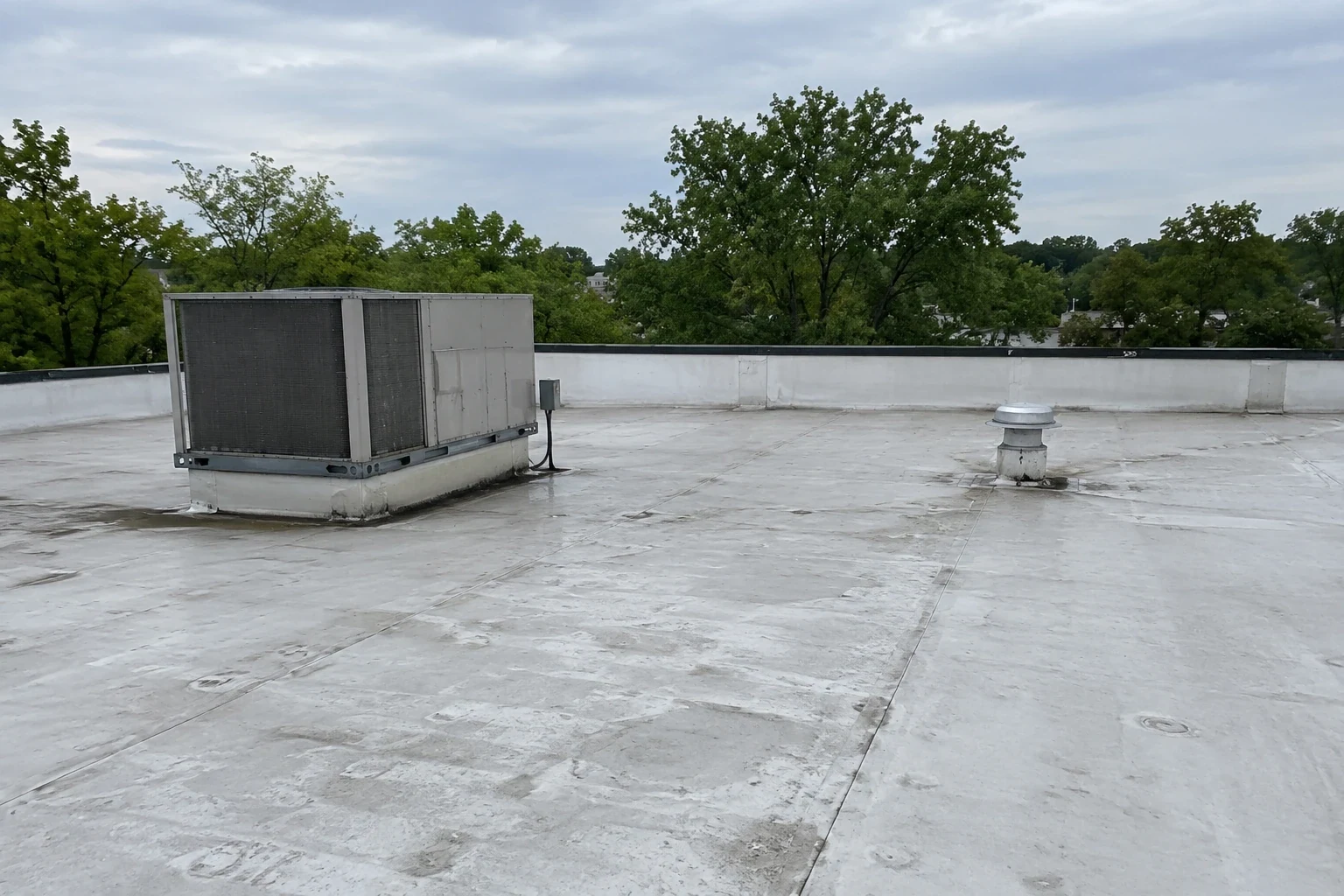
Edges, fasteners and tie-downs: where wind wins
In high wind, a roof fails at the perimeter first. Coping lifts. Fasteners back out. The membrane peels from the edge inward. Rooftop units shift and tear their flashing. Each of those is a cheap check on a calm day.
Roof drains matter in wind events too. Debris blown onto a roof lands in drains and scuppers, and the next rain has nowhere to go. After any big blow, check drains first. A clear drain keeps a small tear from becoming a flood. We carry drain strainers and sealant on the truck, so many of these fixes happen the same day.
We walk the edge and pull on every loose piece of metal. We check termination bars, drip edge and unit straps. For each section we write down the attachment pattern found at the edges, the number of straps on each unit and the date they were last checked, so a storm repair starts from a record. We photograph what moves and number it. Fixing loose metal ahead of a storm is cheap. After one it becomes a tornado damage or wind claim, and the repair price follows the damage. We price both versions, the fix now and the fix after a storm, so your budget request shows the difference. That difference is the reason to act in winter.
Light industrial roofs on redeveloped land
Hueytown has redeveloped roughly 1,200 acres of the old Woodward Iron site for lighter industrial users. Light industrial buildings of that kind often have flat roofs, rooftop units and loading areas, and the first walk identifies the system on each one.
The first look is at drains. Water that stays on a flat roof ages seams and adds weight. Then we check seams, curbs and pads. Light industrial tenants run on schedules, so we plan work in zones and keep tarp-and-dry ready. We ask for your shipping peaks and shutdown days, and we set the roof calendar around them. A flex industrial building often has several tenants. We map leaks by bay, so the owner can split the cost fairly.
Loading areas and canopies need a look as well. Dock canopies sit at the edge, where wind is strongest, and their flashing sees the most movement. A canopy that has pulled from the wall lets water behind the membrane. We check the fasteners, the sealant and the drainage off each canopy, and we price the fix as its own line.
Allison-Bonnett Memorial Drive: the retail strip
Allison-Bonnett Memorial Drive is Hueytown's main thoroughfare, and I-20/59 is reached at exits 112 and 115. Where shops, restaurants, offices and service businesses line a road like this, their roofs share a pattern. Many small units. Many penetrations. Many tenants calling about their own ceiling.
We trace each leak to its source before we price anything. A stain in one shop can start at a shared drain two doors away. We clear drains, flow-check them and mark the ones that run slow. Restaurants add grease from exhaust, so we check fan locations and clean the surface before we look. Each bay's findings go on their own line. Roof traffic from service crews wears walk paths, so we mark them and price pads. A pad is a small cost, and a worn path is a larger one. Each bay and each wing is numbered on the roof plan.
Schools and public buildings: wind and leak tolerance
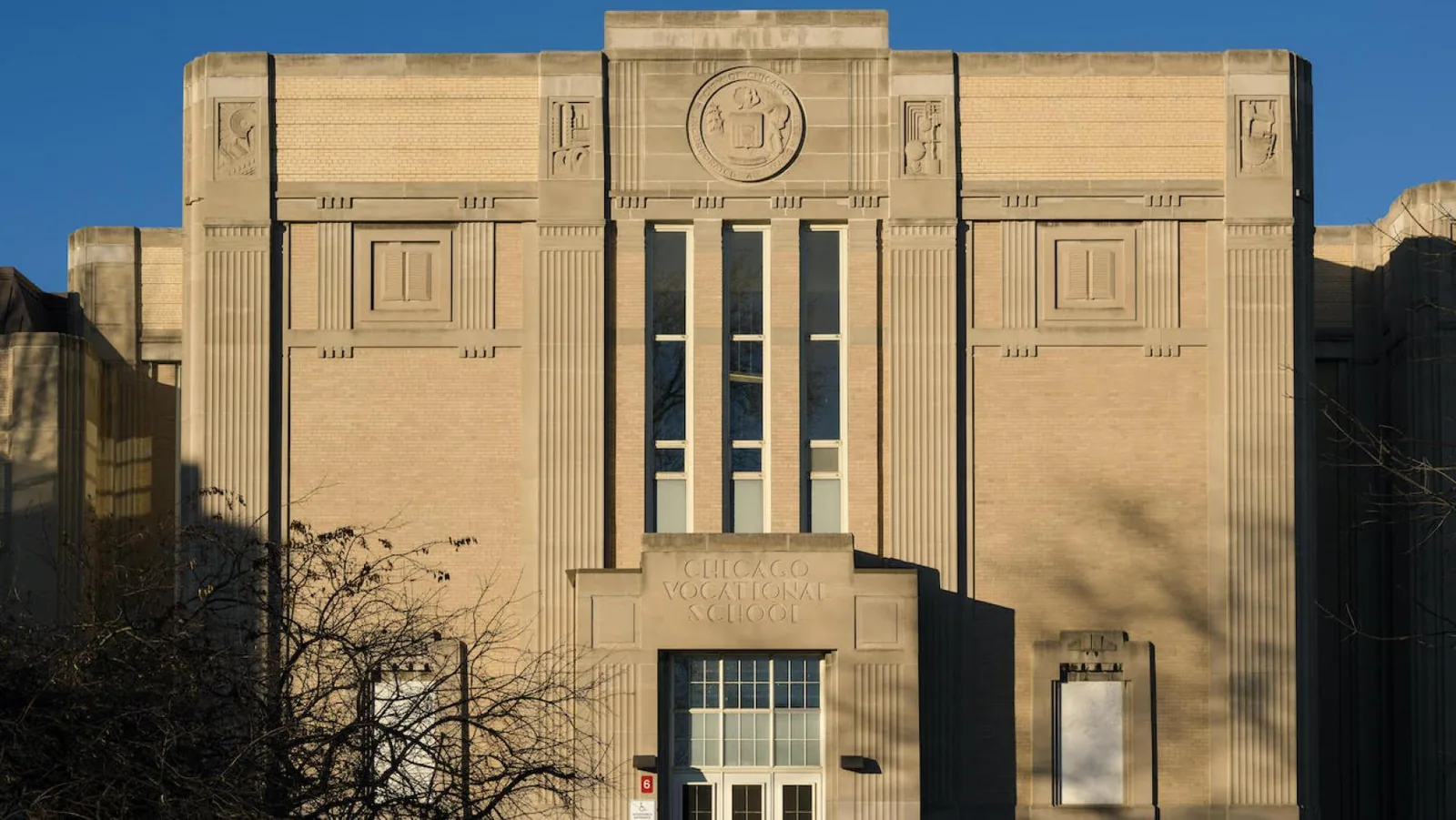
Oak Grove High School and Oak Grove Elementary School were destroyed in the 1998 tornado. Public buildings face that pressure now, with tight budgets and little tolerance for leaks, since a wet classroom or office stops the work inside it. A school roof has to hold through a summer break window and be ready by August.
That window is the cost driver. A school roof job that misses the summer slides into the school year. We plan backward from the first day of class. Material gets ordered in winter. Crews book in spring. Repairs that cannot wait get a tarp-and-dry and a date. The written plan shows each step and who signs off. Public owners also need paper: bid documents, insurance certificates and daily reports. We keep those on file and hand them over with the close-out package. A clean file speeds approval of the next phase.
Storm season, hail and the budget year
Spring thunderstorms and a second round late in the year define the season here. Central Alabama's April 25, 2003 hail reached softball size, and summers add wear of their own.
Plan on three calendar points, and put them on the facility calendar a year ahead. A January roof walk. A February repair window. A storm budget held for March, April and November. A written report with a repair-or-replace line gets the request approved faster.
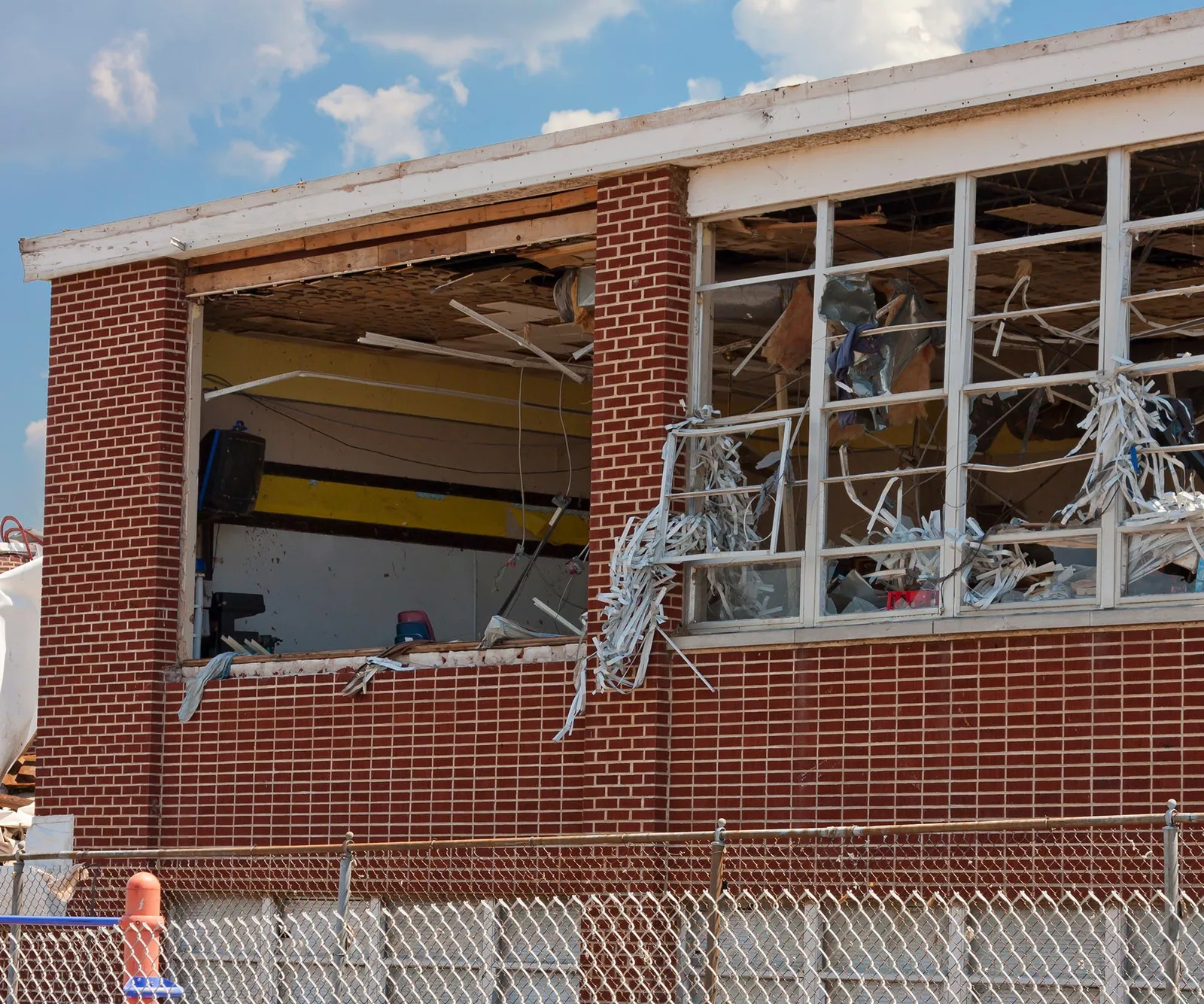
If a storm does hit, the first call is for protection. An emergency roof repair crew tarps and dries the building any hour. That stops the water and starts the paper trail. Photograph the ceiling and the roof from the ground, and write down when the leak began and who saw it. Those two facts hold the claim file together. Prices rise when everyone calls at once, so book the quiet months. The same format works for Bessemer and Midfield.
More on Hueytown
Commercial Roofing Questions
What should I check on my roof before tornado season?
Edge metal, rooftop unit straps and flashing. These fail first in high wind. We recommend a perimeter walk with photos each January. Loose metal takes minutes to fix before a storm, and after one the membrane has started to peel and water is inside.
Can any roof withstand an F5 or EF4 tornado?
No. A well-kept roof loses less, but no roof is tornado-proof. We recommend focusing on what you control: sound edges, tight fasteners and secure equipment. Then keep dated photos, so a claim has a clear before-and-after record that an adjuster can follow.
How do I plan roof work on a school around the summer break?
Work backward from the first day of class. Order material in winter, book crews in spring and leave a rain buffer. We recommend a written schedule with a sign-off step. Leaks that cannot wait get a tarp-and-dry and a firm repair date.
How are leaks traced in a multi-tenant strip?
By following the water back to the opening, not by trusting the stain. A shared drain can serve several bays. We recommend a map of leaks by bay. It shows the true source and lets the owner split the repair cost on facts instead of arguments.
When should I book storm-season roof work?
January or February, before the spring rush. We recommend a walk, a repair window and a storm budget. March, April and November fill the calendar with claims, so booking early secures both the date and the price on planned work.
Related Roofing Work
Tornado Damage Roof Repair
Flex Industrial Roofing
School Roofing
Emergency Roof Repair
Emergency Leak Calls
Call for a storm walk or budget review
Call in January or right after the next storm. The walk pins down your edge condition, your drain flow and your repair-or-replace line. You get a written report with a price on each item.