
Silicone Roof Coatings
Silicone Roof Coatings in Hoover, AL
Ponding water is the question that picks the coating. If your roof holds water for days after a storm, silicone is usually the answer. It tolerates standing water better than most coatings, resists UV and keeps its flexibility in heat. In Hoover, AL that fits a lot of flat roofs. We apply silicone over sound, dry roofs, and we tell you plainly when the roof is too far gone for any coating.
A coating is a repair-or-replace decision in liquid form. It buys years, not decades. Used on the right roof it costs far less than replacement.
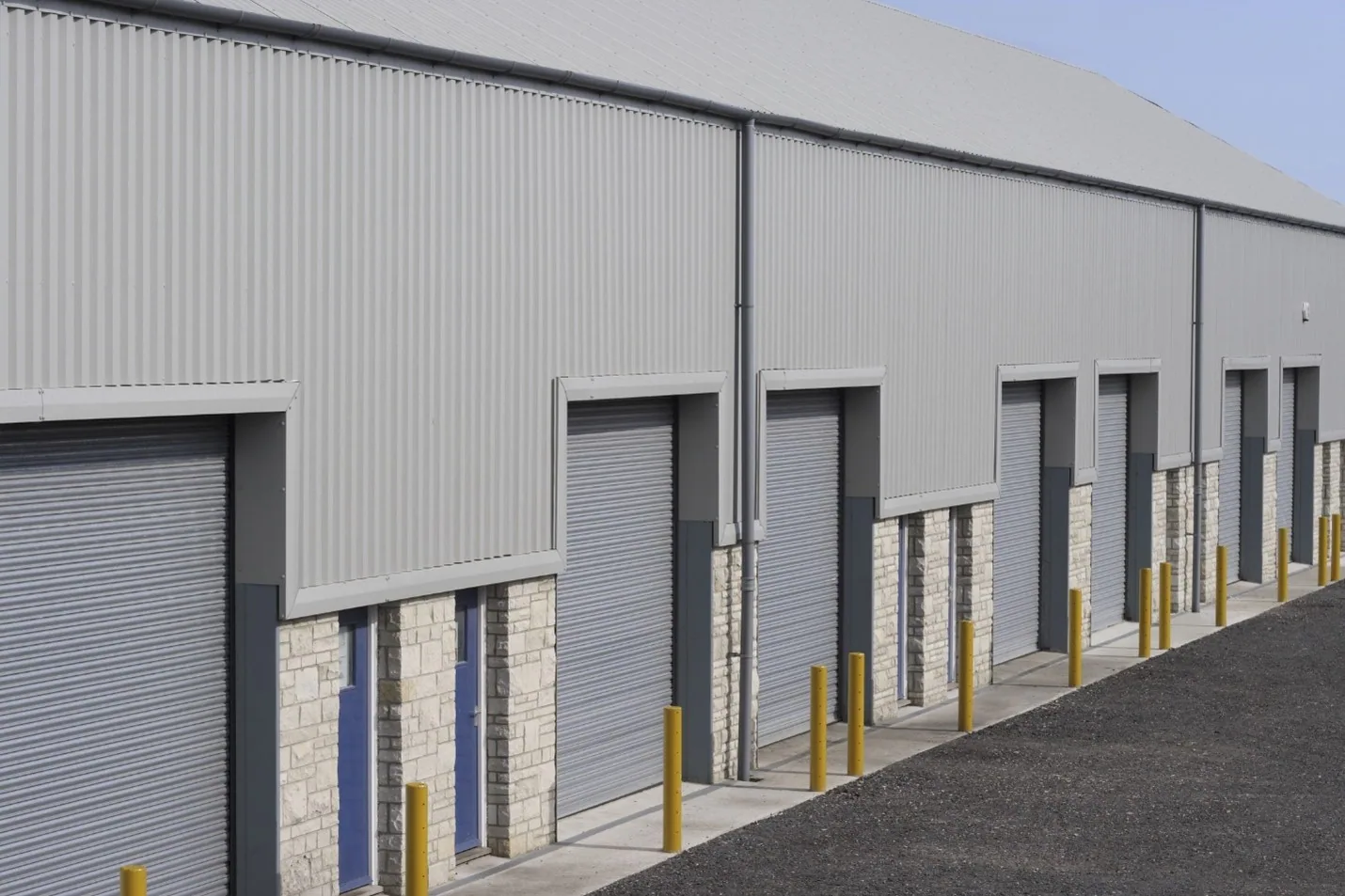
The issue: what silicone does and does not do
Silicone is a liquid that cures into a rubbery, waterproof film. It is rolled or sprayed over a clean, repaired roof surface. It bonds to many substrates: metal, single-ply, mod bit, BUR and foam, with the right primer. It stays flexible in heat and cold and sheds UV well.
What it does not do:
- Dry out wet insulation.
- Fix open seams, failed flashing or holes without repair first.
- Replace a roof with a rotted deck.
- Stick to a dirty, oily or incompatible surface.
Preparation decides the result. A coat over a bad surface peels. A roof coating restoration starts with the surface, and an old TPO sheet can take silicone once it is clean and sound.
What it costs: product plus prep, against replacement
Silicone costs more per gallon than acrylic. The bigger bill is prep: power washing, seam and flashing repair, primer where needed. Often prep is half the job. Coating thickness also sets the price, since more mils mean more material and more life.
Compared with replacement, the coat is a fraction of the cost and skips tear-off, disposal and disruption. Compared with doing nothing, it stops the slow loss of insulation and shields the membrane. We show three numbers: coat now, patch and wait, and replace. Then you pick by budget year.
Thickness deserves a line on the bid. Coating is sold by the mil, a thousandth of an inch. More mils means more protection and more cost. We state the target thickness, check it with a gauge while we work and record the readings. Without a number, a coat can be applied thin and still look right from the ground.
Cure and weather: humidity helps, rain hurts
Birmingham's summers bring about 65 days at 90 degrees or higher, and its humidity averages near 70 percent. Many silicones cure by taking moisture from the air, so humidity helps. Rain right after application hurts, since fresh film can wash off or blister. We want a dry stretch of the day and a clear forecast.
Afternoon storms are the schedule problem. Spring and fall give the best windows. We start early, apply what can cure before dark and cover or stop at the first sign of a storm cell. A schedule with weather days built in keeps the job honest and the price firm.
Dew is the early-morning problem. Surfaces must be dry before we start, and dew in a humid climate can last well into the morning. We check with a moisture meter and wait. Waiting an hour costs little. Coating a damp surface costs a redo.
Storm season: hail, wind and the film
Severe thunderstorms follow a spring and November pattern across the Dixie Alley metro. Hail season 2003 brought 29 days of stones larger than three-quarters of an inch, and on April 25 some over central Alabama grew as big as softballs.
A coating adds a protective skin but does not make a roof hailproof. Large hail can crack the film and bruise what lies beneath. After a storm we walk the roof, probe for soft spots and patch the film. Our hail damage repair crews document the damage and fix it before water gets under the film.
Tornado and straight-line winds throw debris that scratches or punctures a coated roof. A scratch through the film is a small patch if found early. We include a post-storm walk in the care plan and keep matching product on the truck for same-day patching.
By building: where silicone fits
Silicone suits flat roofs with ponding, metal roofs that need sealing, aging single-ply sheets and mod bit or BUR roofs that are dry and sound. In the metro, think of Highway 31 retail in Pelham and Alabaster, a flat warehouse roof in Bessemer with low spots, or an office roof near Riverchase with long drain runs.
Where roofs hold water, drainage fixes help the coating last. Drain and scupper work is often the cheapest way to shorten a ponding line. For low-cost, water-shedding roofs, acrylic coatings are the other main option. A strip center in Pelham is a typical place to price both.
Rooftop equipment is the detail that takes time. Each curb, pipe and support needs its own prep, seal and extra coat. A roof with many units takes longer and costs more than a clean field. We count the details on the first walk and show them as a separate line.
More on Silicone Roof Coatings
Recommendation: when we pick silicone
We pick silicone when the roof is dry, sound and ponds, or when metal needs a flexible seal. We pick acrylic when water drains well and cost leads. We pick replacement when the insulation is wet or the membrane is failing everywhere.
A moisture scan comes first, then a prep list and a price per section. The recoat plan matters, since silicone is hard to coat over with anything else later. We write the product, the mils and the recoat date into the scope. A coated roof with a plan is a good deal. One without is a gamble.
After the coat, schedule a first-year check. Look at the film for peeling, dirt buildup, algae and ponding changes. A light wash restores the surface. Small flaws get patched with the same product. That visit takes little and keeps the coating on schedule.
If a roof is a candidate, we offer a test patch. We coat a few square feet, let it cure and test adhesion. A patch on the roof is the cheapest way to learn whether the system will hold.
Commercial Roofing Questions
Does silicone really handle ponding water?
Better than most coatings, yes. Many silicones tolerate standing water without breaking down. That does not mean ponding is harmless. Water adds weight, breeds algae and stresses seams. We recommend fixing drainage when we can and coating over the repaired low spots. We measure ponding depth and duration and show you the numbers.
Can I put silicone over my old roof without testing it?
No. Wet insulation under a coat traps water and shortens the roof's life. A moisture scan and a few cores show where the insulation is wet. Adhesion tests on a small patch show whether the coating bonds. We run both before the bid and give you the results in writing.
Why is silicone hard to recoat?
Its low-surface-energy film resists bonding with most other coatings. A recoat usually needs more silicone, or a prepared surface and a compatible product. That is why the first coat should be a deliberate choice. We specify the product and the recoat plan together, so the next coat is straightforward.
How long does silicone take to cure?
Surface cure can come within hours, with full properties over days. Humidity and temperature affect it. Rain before the film sets can damage it. We watch the forecast and start only when a dry window is likely. We tell you the days needed on site, plus a standby day for weather.
What happens to a silicone roof in a humid summer?
The film stays flexible and sheds water, and dirt and algae can collect on the surface. A wash every year or two keeps the reflectance and the look. Heavy mildew may need a cleaner. We include the wash schedule in the care plan so the coat keeps working through hot, wet summers.
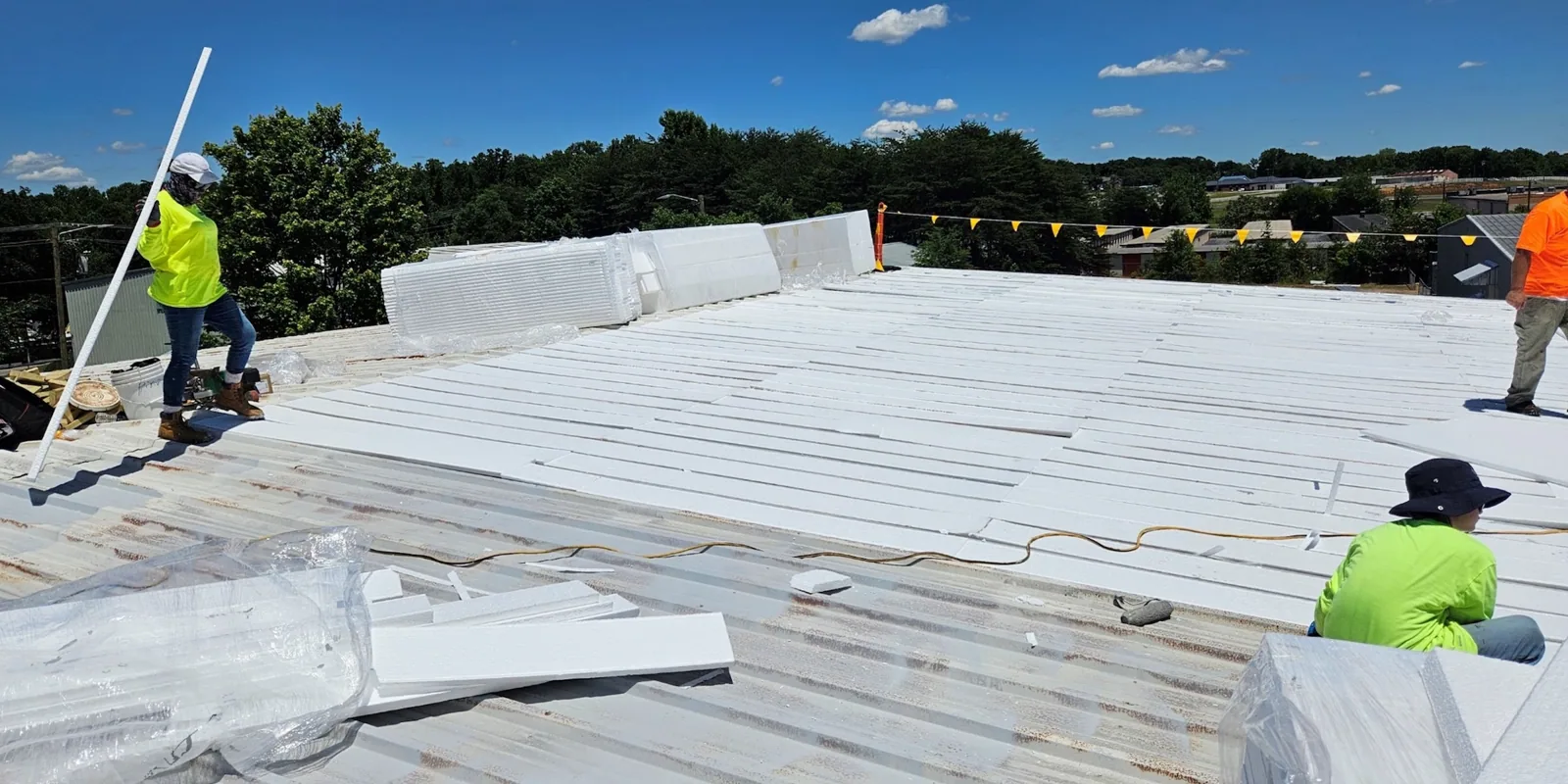
Related Roofing Work
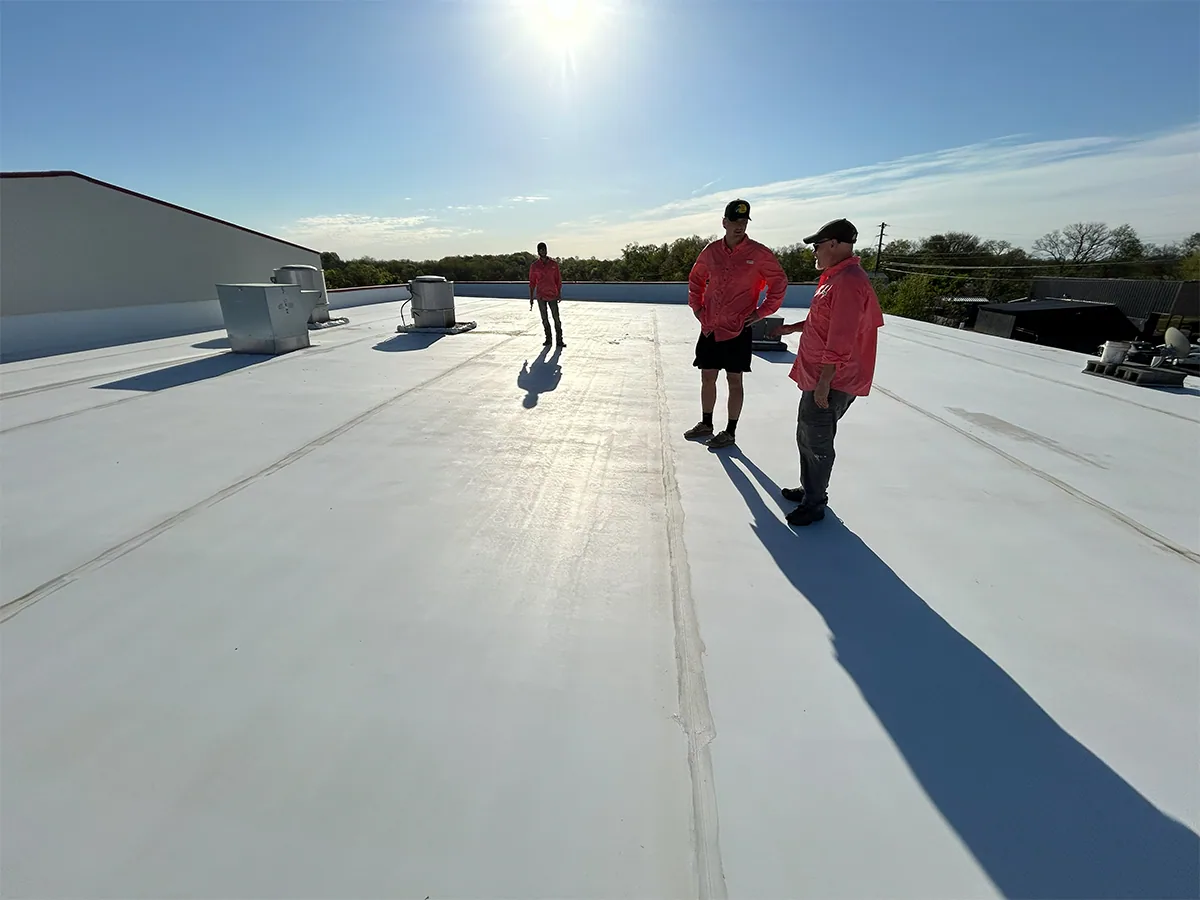
Roof Coating Restoration
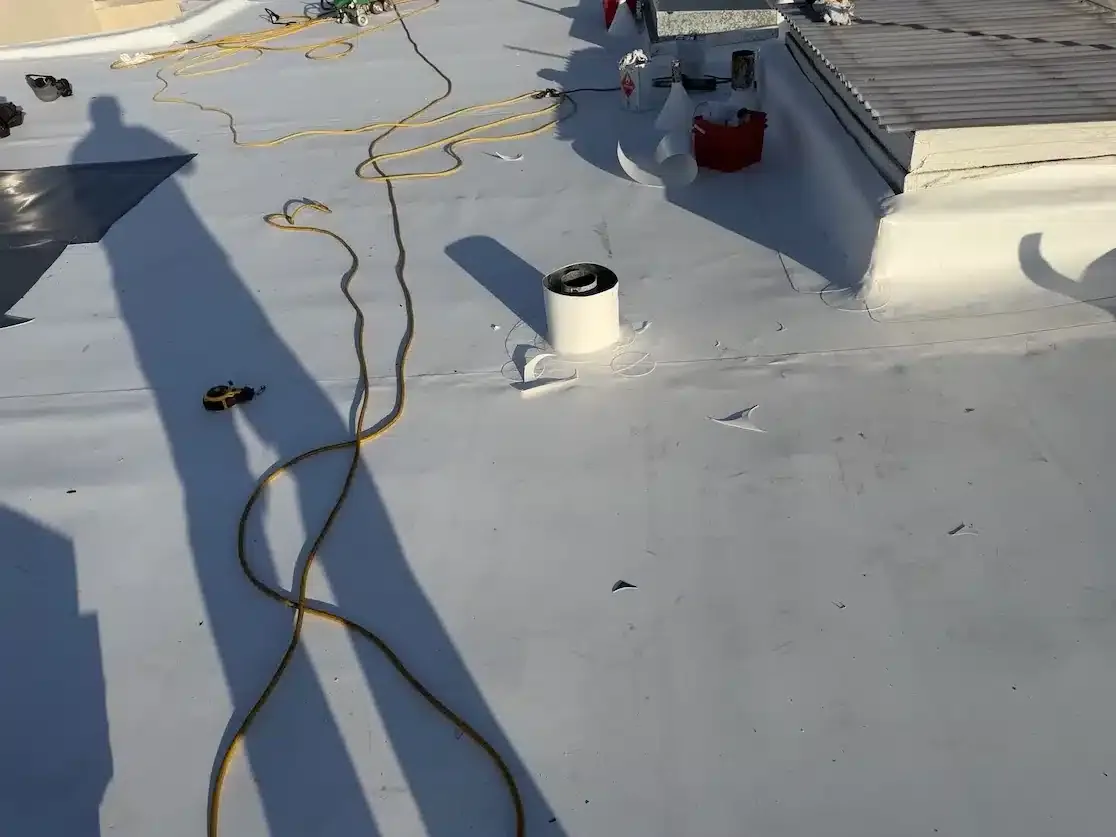
TPO Roofing
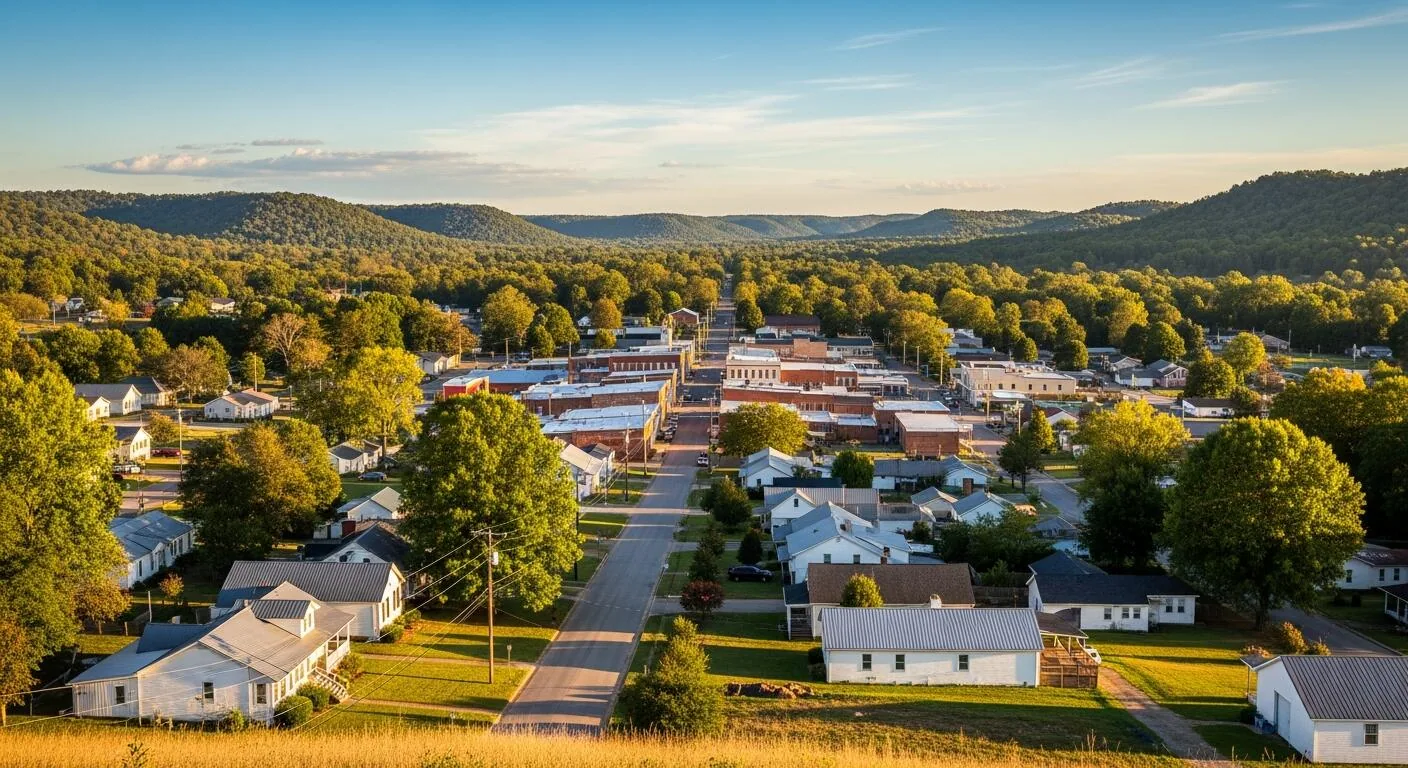
Hail Damage Roof Repair
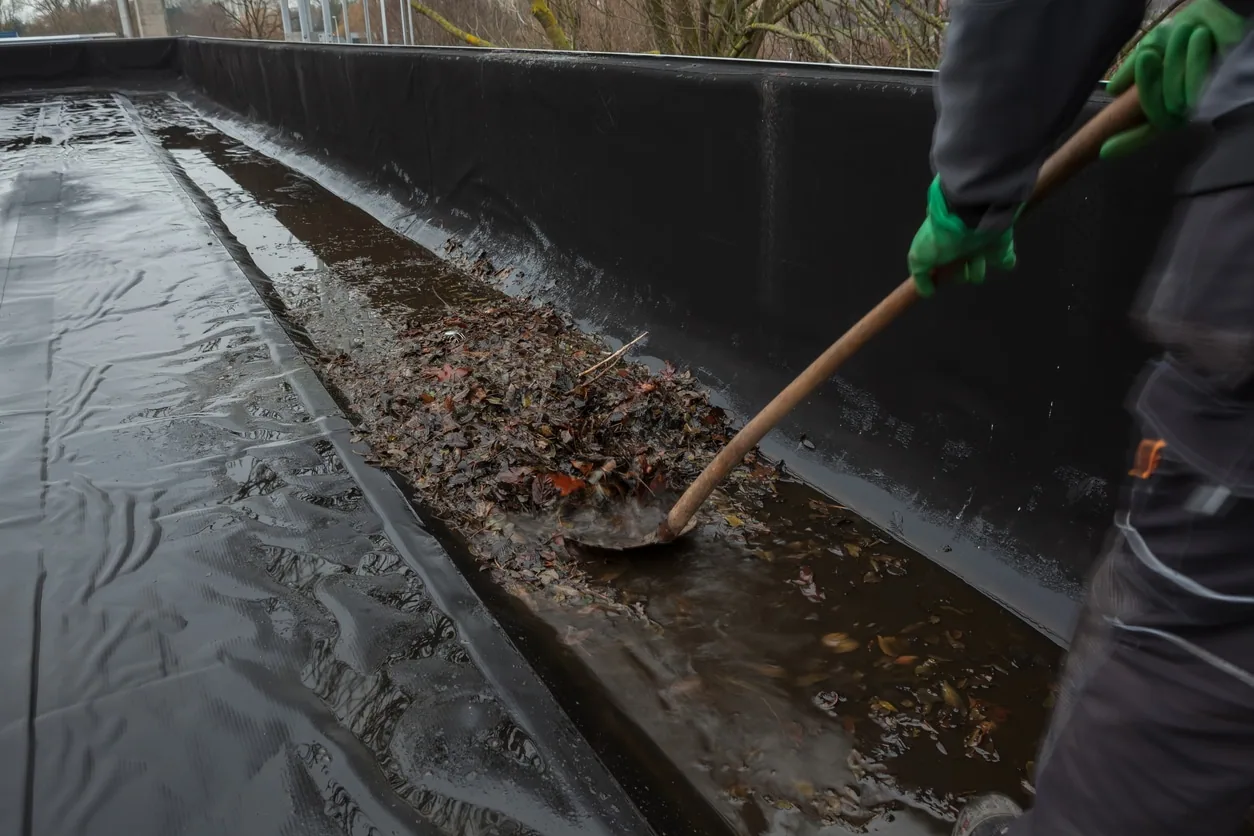
Roof Drains and Scuppers
Emergency Leak Calls
Call for a moisture scan and a coating price
We will walk the roof, scan for wet insulation and price silicone beside acrylic and replacement. The visit pins down which roof sections qualify and the budget year for each.