
Center Point
Commercial Roofing in Center Point, AL
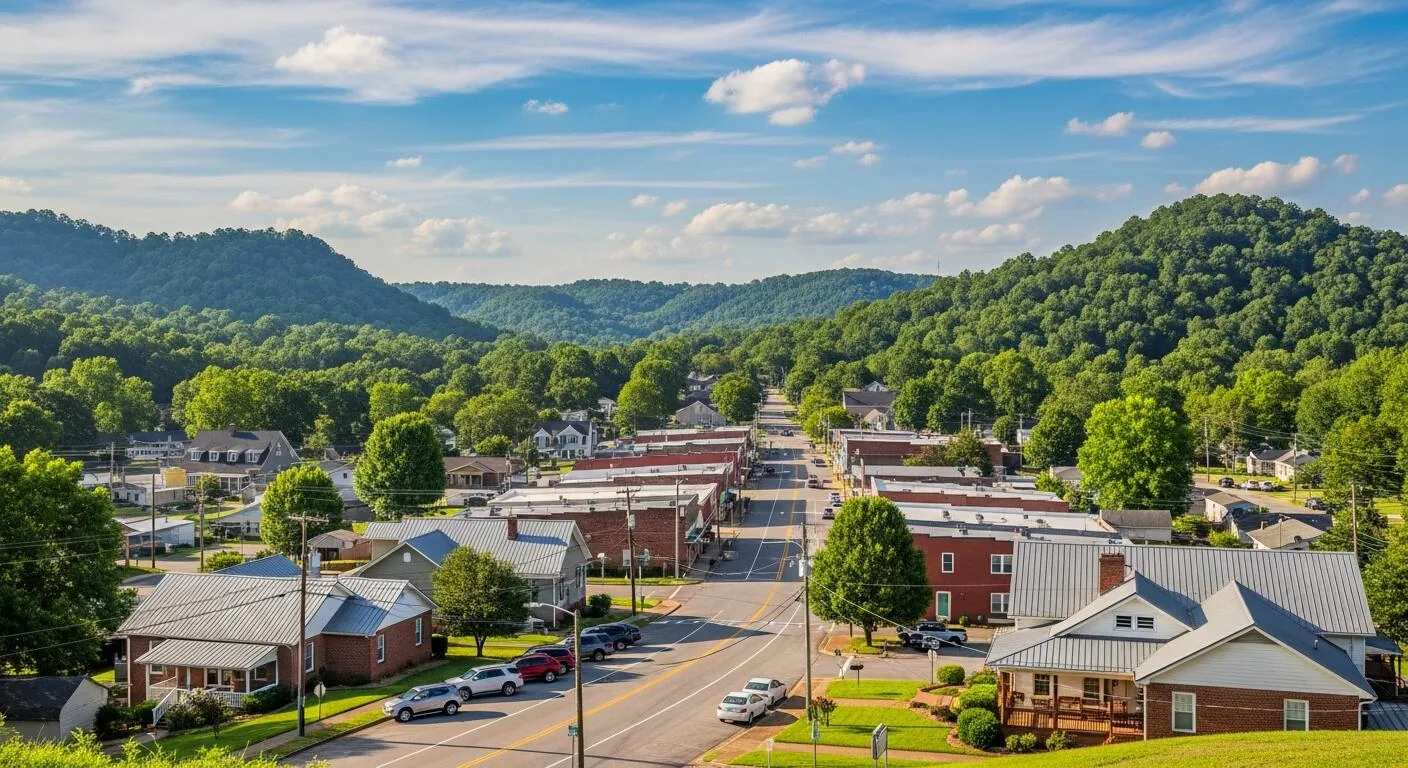
Center Point, AL carries a tornado date on its calendar: January 23, 2012, when the EF3 Center Point-Clay tornado destroyed the Center Point Elementary buildings and dozens of other structures. The city also holds older buildings. The Rock School, built by 1924, now serves as Center Point City Hall. We repair and replace commercial roofs in Center Point. First comes a storm walk. Then you get a written note on where repair stops and replacement starts.
Short version: know your roof before the next storm, not after it. Every roof we walk ends the same way. You get a short list in writing. It sorts every item into fix now, keep an eye on, or replace.
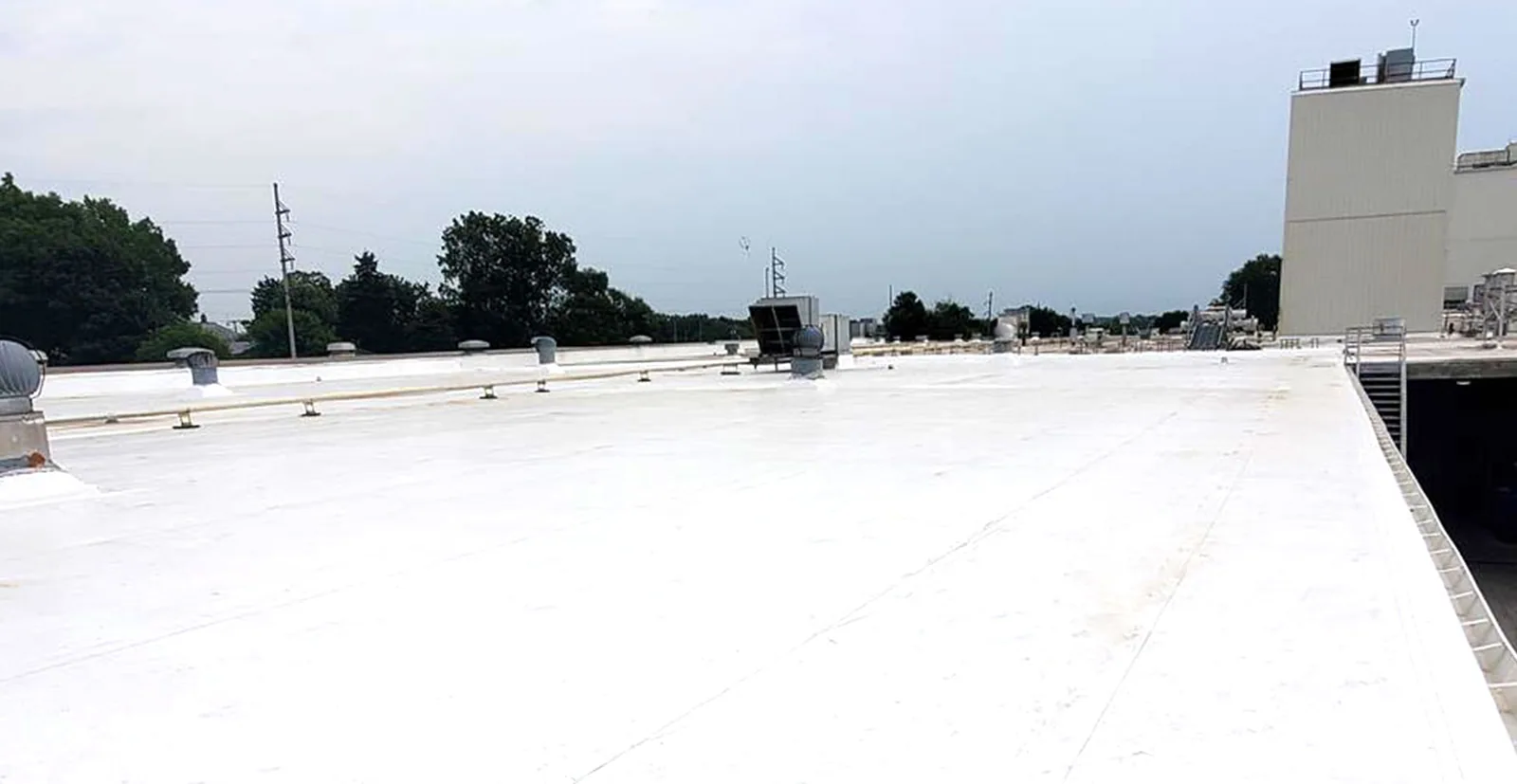
The 2012 tornado: why the date matters
A tornado changes how an owner reads a roof. Buildings that stood through the January 23, 2012 storm may have been loaded in ways you cannot see. Fasteners can loosen. Edge metal can bend. Flashing can crack. A membrane can lift and settle back down.
We check for all of it. Lifted laps. Fastener heads standing proud. Dented rooftop units. Gaps at the parapet. Then we check inside for stains.
If you rebuilt after the storm, the new roof has its own clock. Keep the date, the installer name and the warranty paper. We use them to plan the next inspection. Debris is the other thing to check. A tornado throws wood, metal and glass. Pieces that land on a roof can puncture the membrane or crack a skylight. A pinhole stays quiet until the next hard rain. We find those holes now, so you do not find them with a bucket. Ask your insurer what documentation they want. Photos with dates, the roof sketch and a written scope are the usual items. We prepare all three, and we keep copies for your file.
Older buildings: what we look for first
The Rock School is a reminder that some Center Point buildings are old. An older building can carry a low-slope roof, a pitched roof or several layers of both. We find out on the first visit.
On an older building, we look at the parapet, the coping and every wall tie-in. We look at the drains and the gutters. We check the deck for rot or rust where we can see it. Old roofs hide old leaks, and old leaks soak insulation. We map the wet areas with a moisture scan. Older roofs also carry layers. A past owner may have added a new roof over the old one, and then another. That adds weight and hides problems. A core cut shows the layers and the condition of the insulation. We do it only where needed, and we patch it the same day. Water stains inside tell a story. A ring that grows after every rain points to an active leak. A dry, brown stain that does not change may be an old one. We note the difference and mark both on the sketch, so you do not pay to chase a stain that is already dead.
Public and school roofs: budget and process
City halls, schools and other public buildings plan on a long cycle. Money comes through a vote or a budget line. A surprise leak in the wrong month can upset the plan.
Here is what we recommend. Get a written roof report before the budget meeting. Know your repair-or-replace line. Know the price on each side of it. Then the board votes on facts, not on a guess. We give you photos and a plain list that a non-roofer can read.
A school building may have many roof sections. Each one has its own age and its own problems. We walk every one and mark it on a sketch. Timing helps. Summer is easiest for school work, when buildings are empty. Weekends and early mornings work for offices and city buildings. We plan the schedule with the facilities contact and put the dates in writing before any crew shows up.
Storm season: Dixie Alley in spring and November
Center Point sits in the Birmingham area's Dixie Alley country. The tornado list reads 1977 (F5), 1998 (F5) and April 27, 2011 (EF4). Spring brings the usual thunderstorms and November the second round, and in April 2003 softball-size hail dropped on central Alabama.
So the calendar matters. Schedule the hail check for late winter, before the rush. Claims from storms pile up in March, April and November, and crews fill their books. After a storm, if it is safe, look at the edges, the drains and the ceiling below. A new stain means a call to us. We cover the opening and dry the space first, and the repair price comes after.
Vacancy and cost: roofs on empty space
The 2020 census counted 6,932 housing units in Center Point, 13.7 percent of them vacant. Homes are not shops or offices, but the lesson carries over to any owner: empty space gets fewer visitors, and a roof nobody checks can leak for months. The deck soaks, and mold follows.
If part of your building sits empty, walk the roof twice a year. Clear the drains and photograph the seams. A cheap visit now beats a gut job later.
Price follows a short list of drivers: the size of the roof, the access, the number of layers to remove, any insulation that has taken on water and the state of the deck. We list each by section so you can see where the money goes. A replacement has to satisfy the adopted building code as well as ASHRAE/IES 90.1-2013 for commercial energy. We build that into the number before you sign.
More on Center Point
What to bring to the first call
For the first call, have the street address, the age of the roof if you know it and whatever invoices you can find. Say where water shows inside, and who holds the keys. In return we say what the walk will settle.
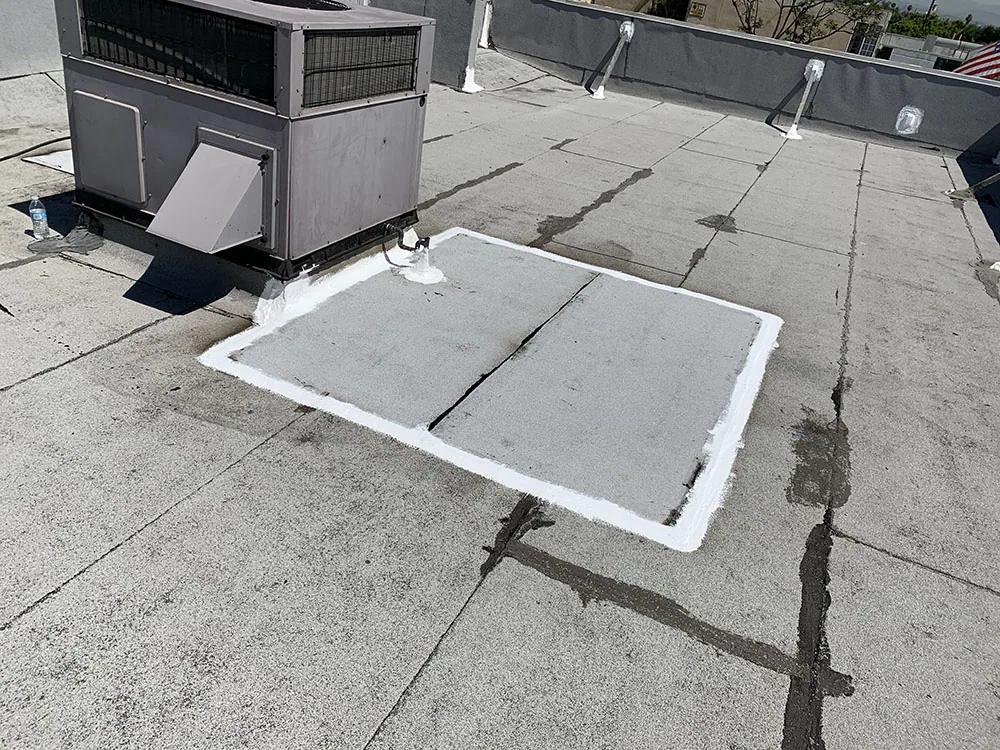
The roofs in this area include schools, city buildings and tornado-damaged structures, so the work often runs through school roofing, government building roofing and tornado damage roof repair. A commercial roof leak repair begins by finding the source. The same plan fits Pleasant Grove and Fultondale. Ask about timing and price together, and we answer both. If a job can wait a year, we say so and mark the date.
Commercial Roofing Questions
Should I re-inspect a roof built after the 2012 tornado?
Yes, every few years and after any large storm. We suggest a hail check each spring and a drain check each fall. A new roof still needs a first-year walk, and the install date belongs on file.
How do we plan roof work for a public building?
Begin with a written report that marks where repair ends and replacement starts. Carry it to the budget meeting. Each side of that line has a price, so the vote rests on real numbers.
What is different about an older building?
Parapets, coping and wall tie-ins matter more. Water gets in at the wall and runs down. We check every wall joint and the gutters.
What do I do about a partly empty building?
Walk the roof twice a year and clear the drains. Empty buildings hide leaks. A fast check keeps a small problem from becoming a big one.
Can I get a quote without a walk?
We do not recommend it. The roof tells us more than a phone call. We walk it, photograph it and give you the price in writing.
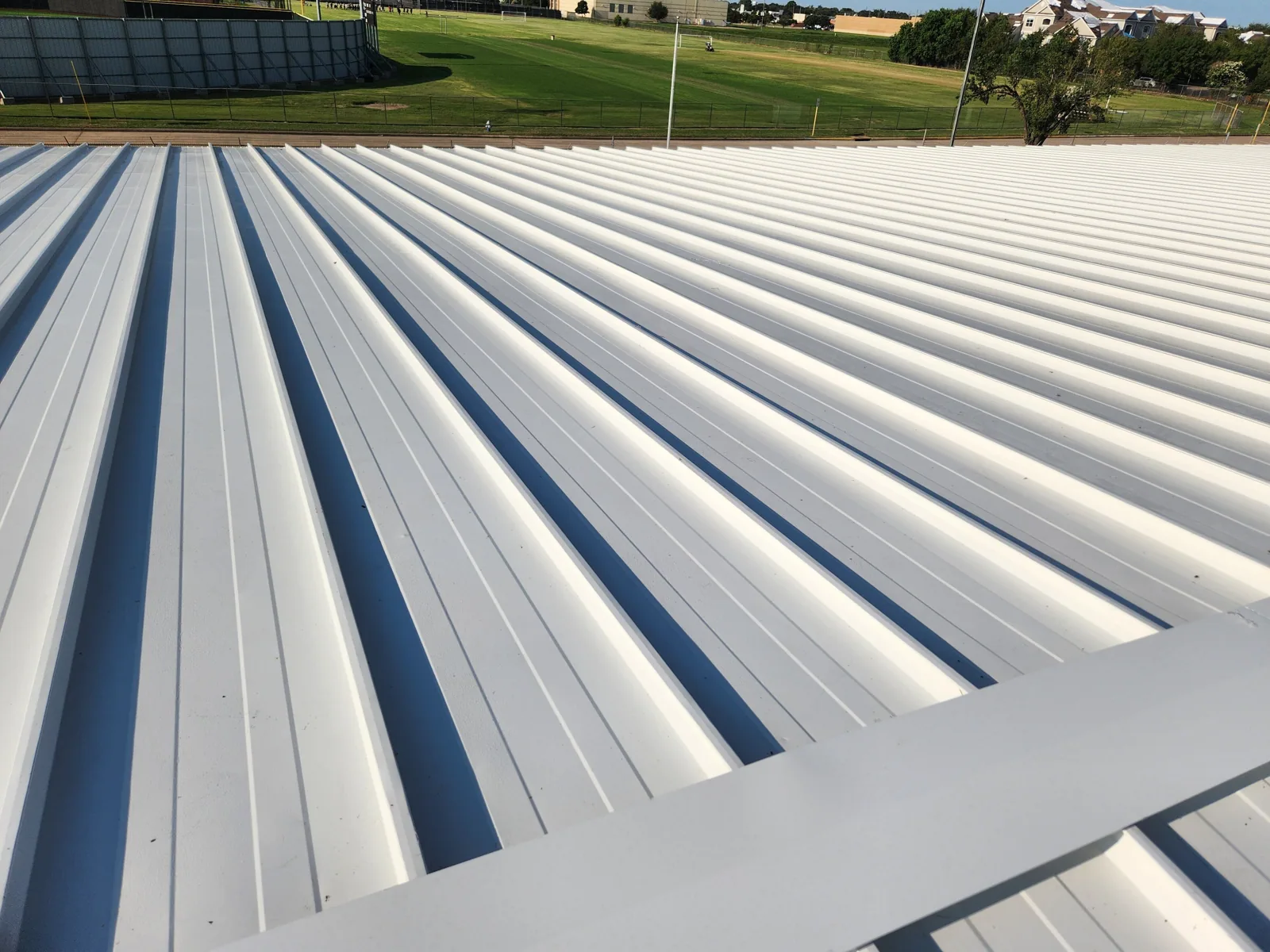
Related Roofing Work
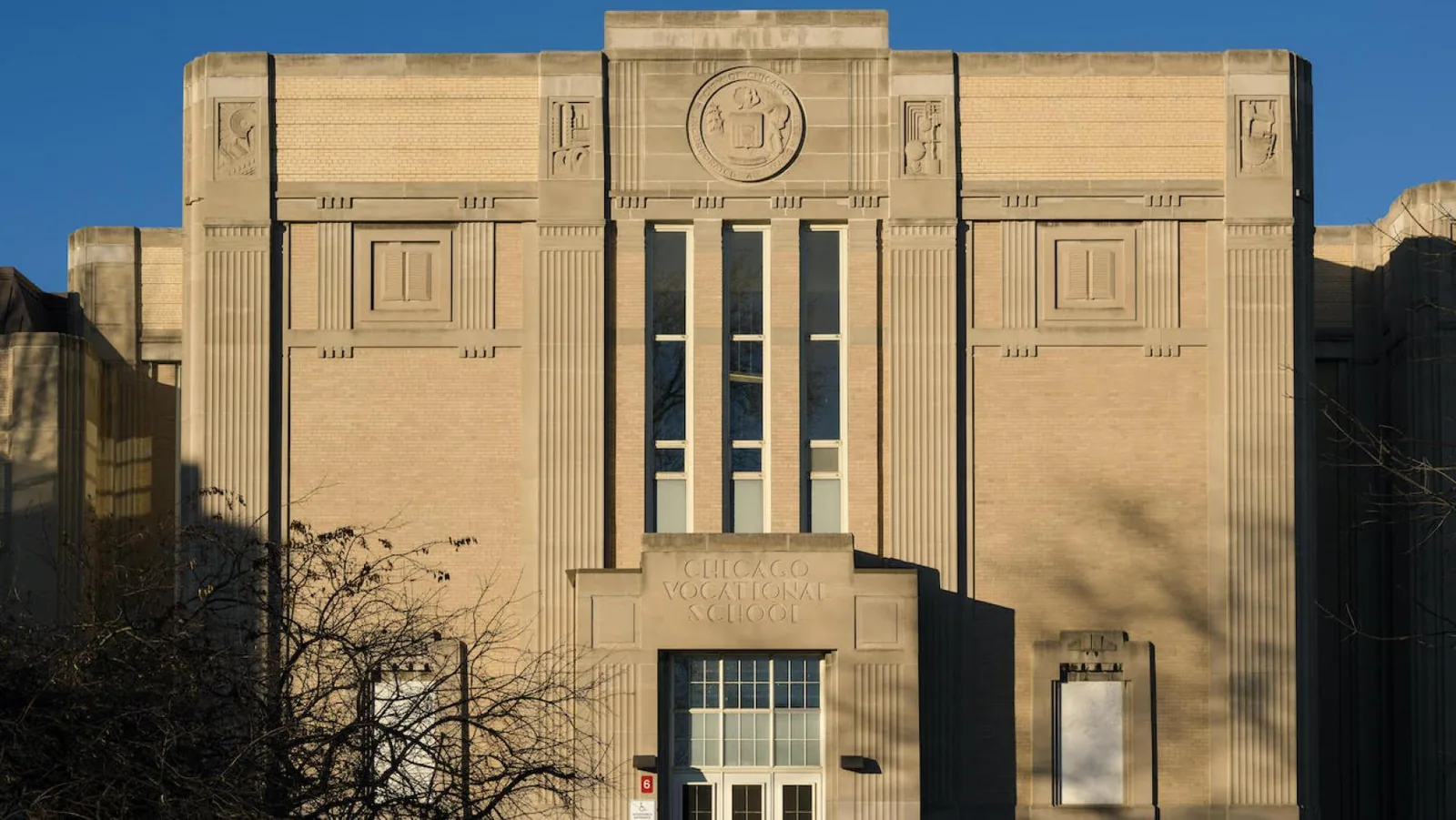
School Roofing
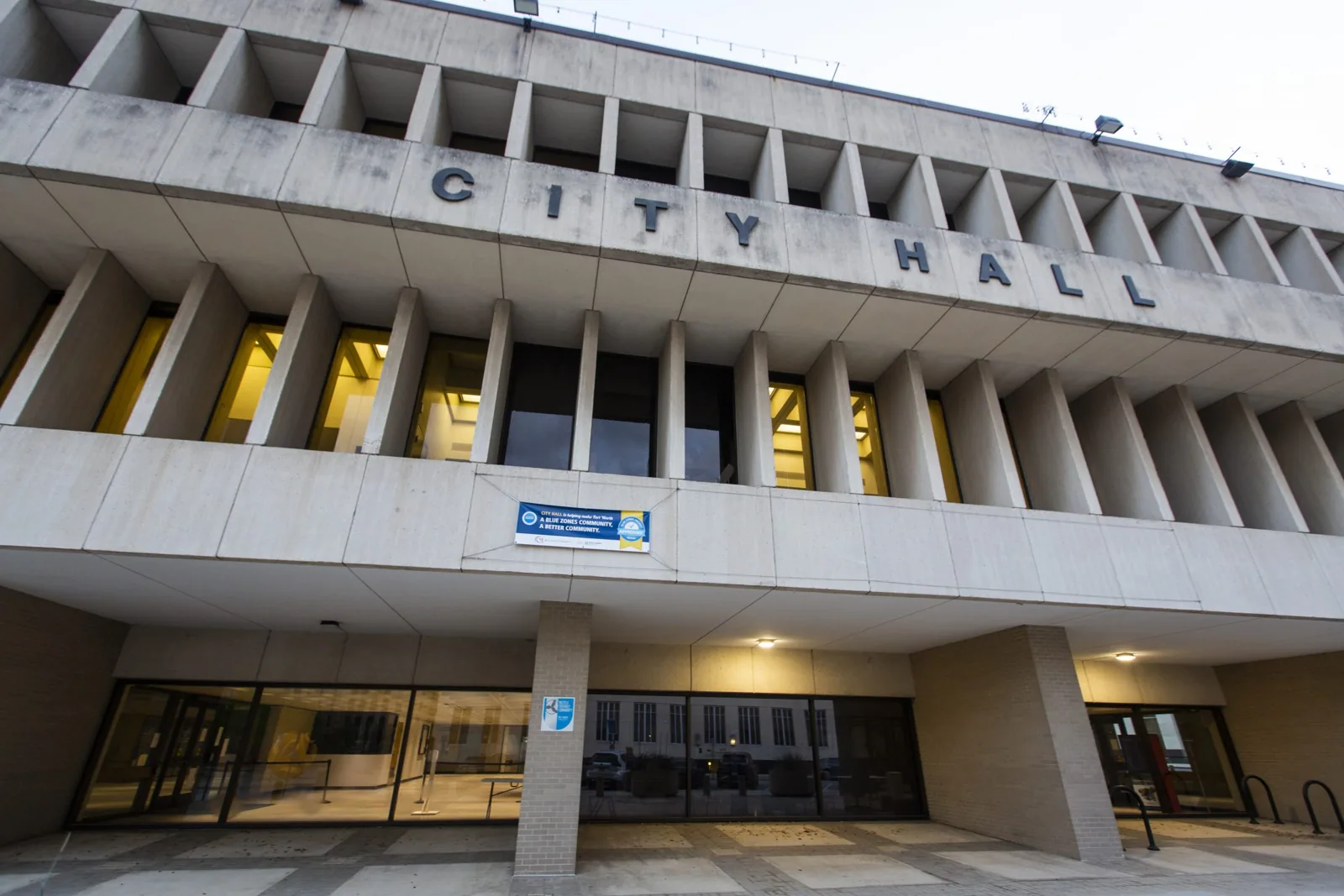
Government Building Roofing
Tornado Damage Roof Repair
Commercial Roof Leak Repair
Emergency Leak Calls
Call for a storm walk or budget review
Call before spring storm season or before your budget year closes. The walk pins down ponding lines, tie-ins and your repair-or-replace line, in writing, with a price on each side.