
Roof Drains and Scuppers
Roof Drains and Scuppers in Hoover, AL
One clogged scupper can cost more than a year of roof upkeep. Water that cannot leave a flat roof stands, adds weight and finds the first weak seam. In Hoover, AL, with about 56 inches of rain a year in the Birmingham area, that happens often. The fix is cheap if you find it in February. It is not cheap in May.
Drains, scuppers, crickets and tapered slopes are the parts of a roof that move water off. Keep them clear and sloped right, and the membrane lasts. Let them fail, and every rain tests the weakest spot on the roof.
The issue: standing water
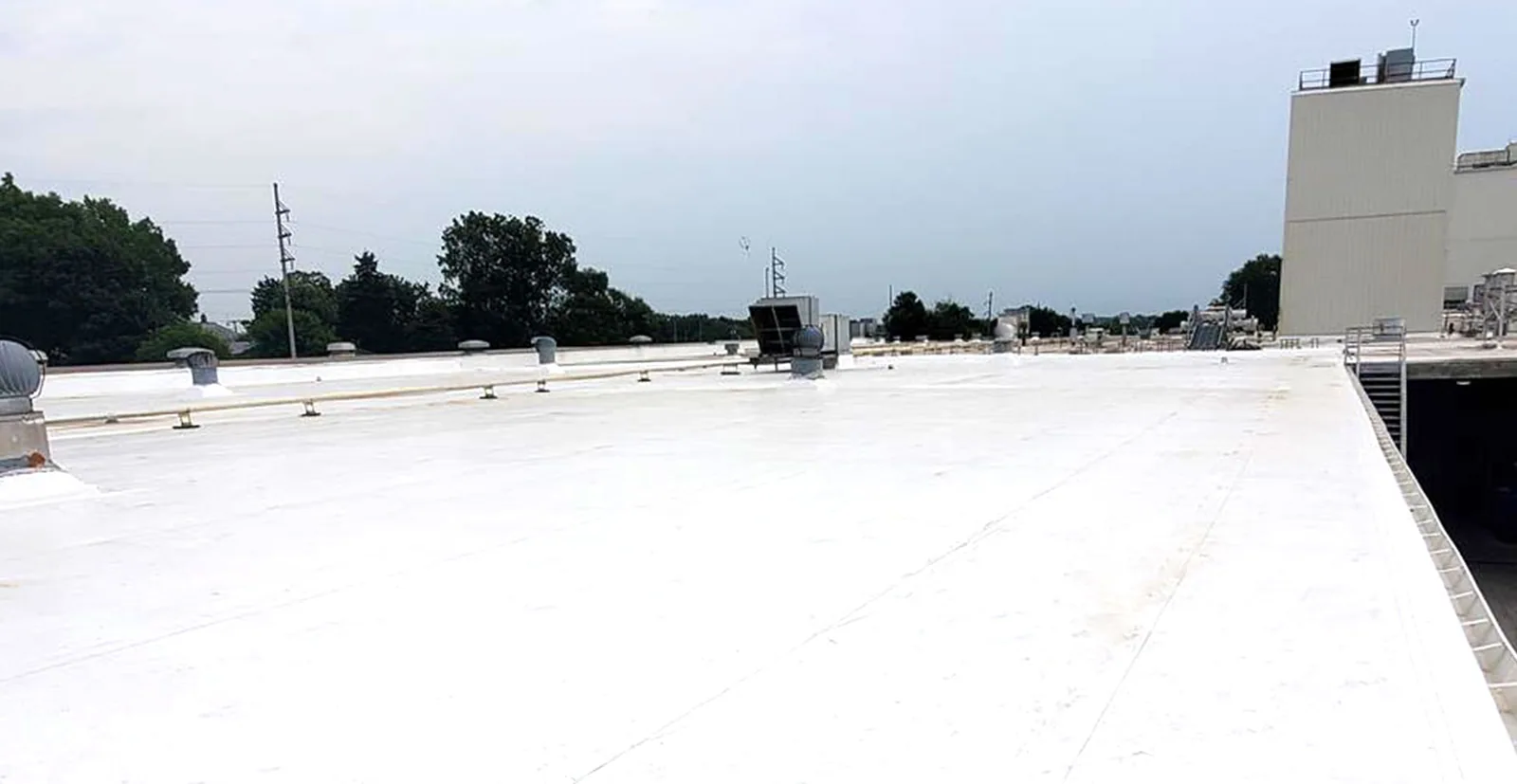
Water that stays on a roof more than a day after rain is a ponding line. We mark it with chalk on every walk. A ponding line tells us where the roof is low, where a drain is blocked or where the deck has sagged.
Standing water costs money in four ways. It adds load to the deck. It speeds wear on the membrane. It breeds algae and dirt that block drains. And it presses on every seam under it, so a tiny gap becomes a leak. Heavy rain in a humid climate makes all four worse.
We measure ponding after a storm, not before. A roof that looks fine on a dry day can hold an inch of water in a corner. Photos with a tape and a time stamp are the record. The measurement goes on the plan with the date, the rain total if we know it and the drain nearest the pond. A pond that shrinks after a drain is cleared tells us the cause was the drain. A pond that stays tells us the cause is the roof.
Drains: strainers, bowls and sumps
An interior drain has a strainer, a bowl and a pipe. Debris sits on the strainer first. Leaves, grit, plastic and old caulk all end up there. We lift the strainer, clear the bowl and flush the line with water. If the water backs up, the pipe is blocked below the roof, and a plumber may be needed.
The sump is the shallow dip around the drain. Over the years, patches and extra layers raise its edge. A raised lip turns the low point into a dam. We check the lip with a straightedge. If water stands within a foot of the drain, we rework the sump so the drain sits at the lowest point.
Clamping rings and flange seals matter too. A loose ring lets water get under the membrane at the drain, which can show up as a stain far from the drain itself.
Scuppers: the opening in the wall
A scupper is an opening through a parapet or edge that lets water out. It works when its bottom sits at roof level and its liner is sealed to the membrane. It fails when the liner opens at the corners, when debris blocks it or when the downspout below is clogged. A downspout is only as good as its last joint.
Overflow scuppers are the backup. They sit a little higher than the primary opening. If the main drain clogs in a downpour, water leaves through the overflow before it gets deep enough to stress the structure. A roof with a drain and no overflow depends on one opening staying clear. In Alabama spring storms, that is a bet we would not take. If the roof lacks an overflow, we show the price of adding one. Cutting a new scupper through a parapet needs a liner, a seal to the membrane and a matching downspout or splash block, so it is priced as a small project, not a patch.
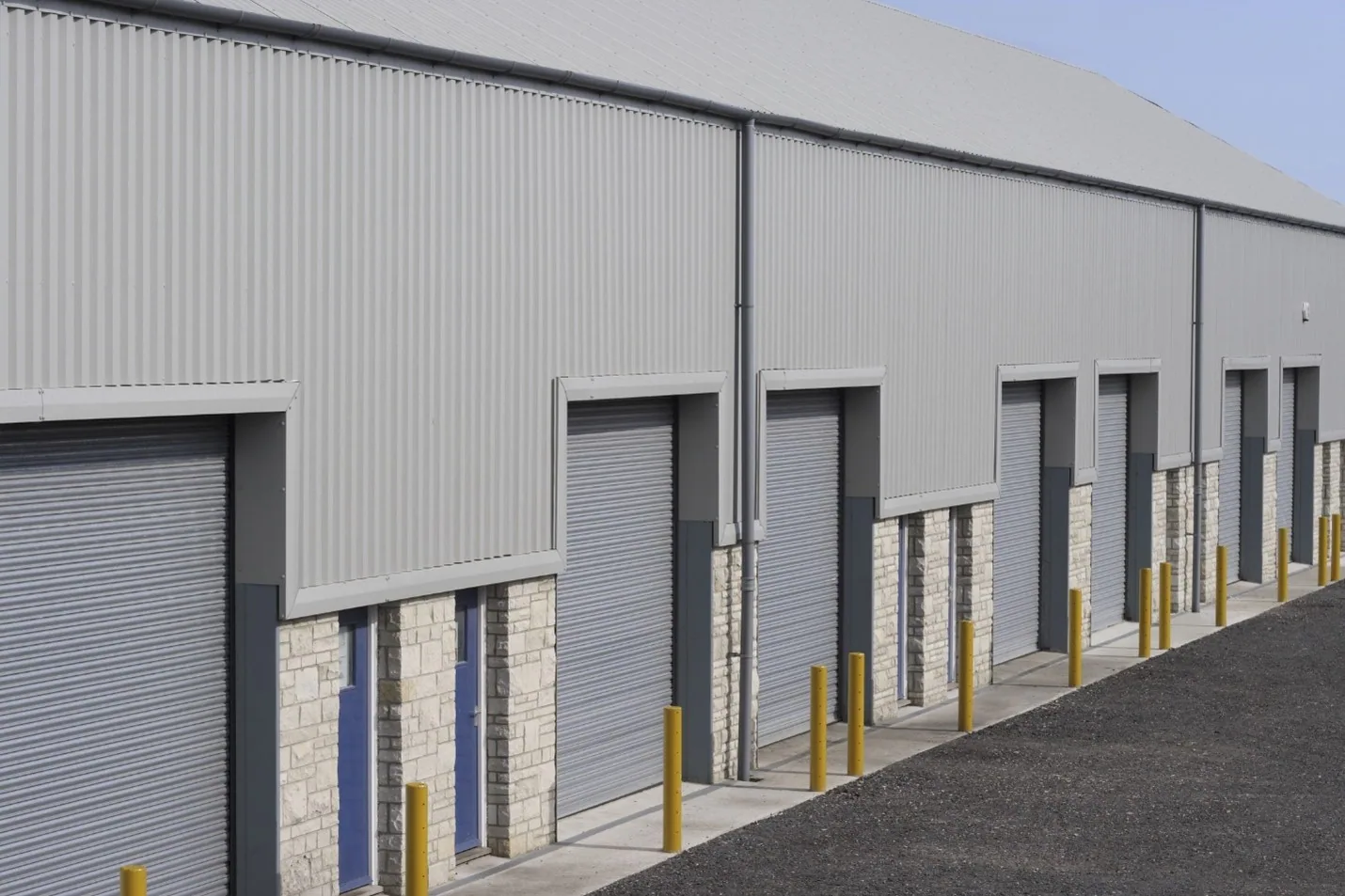
Gutters and downspouts that serve a low-slope roof belong to this same system. The edge metal and gutter work is priced with the scupper repair when they share a wall.
Crickets and taper: build the slope back
A cricket is a small sloped saddle behind a curb or wall. It turns standing water around a rooftop unit toward a drain. Without one, water pools on the uphill side and tests the flashing every day. A cricket is framed, insulated, covered with matching membrane and flashed into the roof.
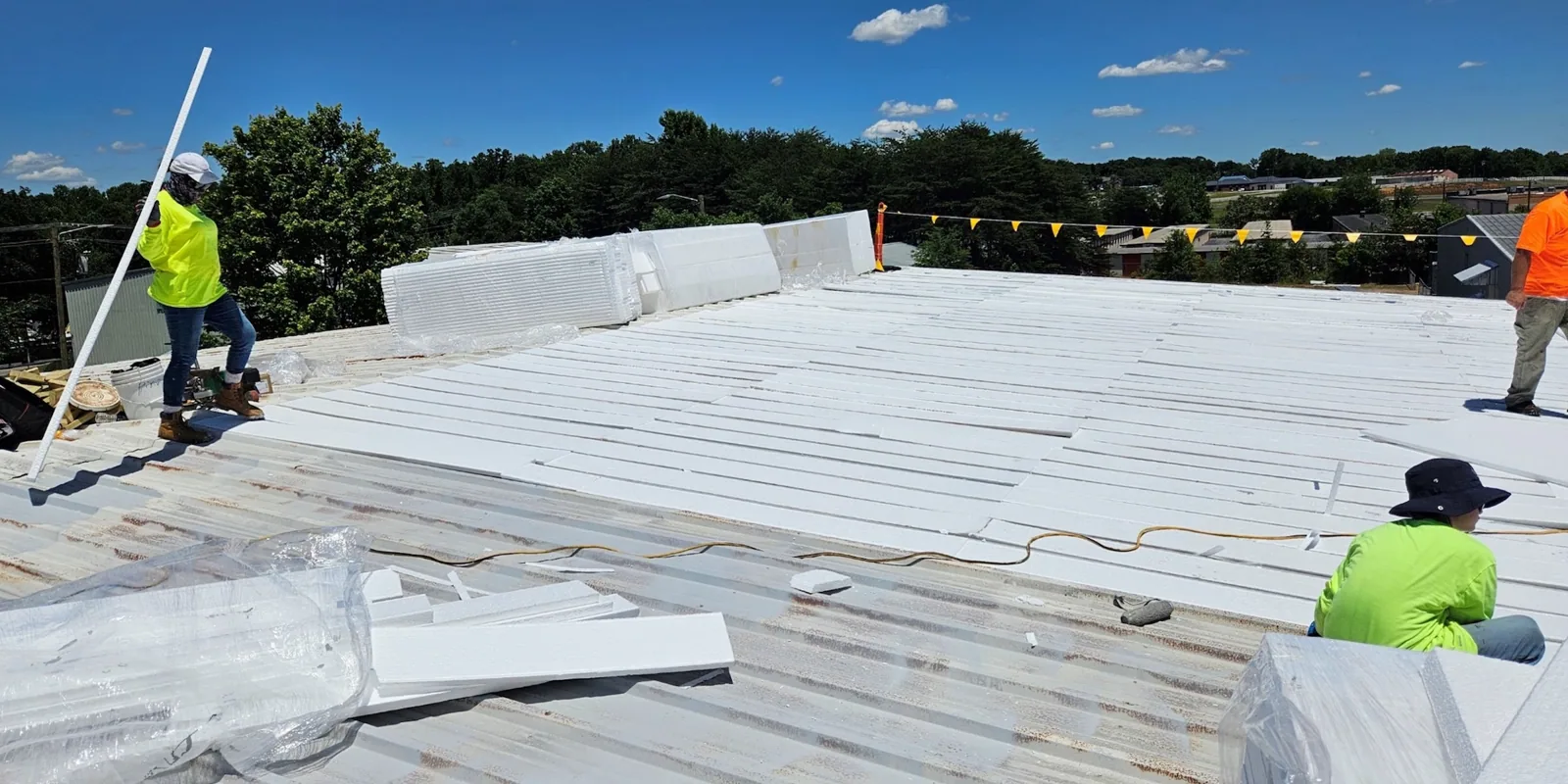
When low spots are spread across a section, tapered insulation rebuilds the slope. It is a bigger job. It ties into insulation and cover board work, because the taper goes under new membrane. The price rises with area and thickness. The benefit is permanent. Taper also gives the owner a chance to add insulation value in the same pass, if the energy code or the budget calls for it. Water leaves the roof, so the repair stops repeating.
We show the choice with numbers: a few crickets, or a taper over a section. The owner picks. A short cricket plan can often be done as part of a repair visit, so it does not need its own mobilization.
When to do it: before storm season
Clear drains before March. Spring storms drop rain in heavy bursts, and a drain that was half-blocked in winter fails in the first one. Check again in early fall, after leaves start to drop. A second look after a big storm is smart if the roof has trees nearby.
Drainage fixes are some of the cheapest work on a roof, and they save the most. A cleaned drain costs a visit. A rebuilt sump costs a day. A leak into a tenant's space costs far more. If a roof has ponding and the budget is tight, start here. Put drainage ahead of coating. A coating over a pond hides the cause.
Our maintenance visits include drain clearing and flow tests, with photos, so the log shows each outlet was checked.
More on Roof Drains and Scuppers
Local: trees, ridges and rain
Tree cover blankets about 92 percent of Mountain Brook, which makes leaf debris a steady drain problem there. The same is true on any roof near mature trees in the Birmingham area. In Mountain Brook, expect more clearing visits in fall.
Measurable rain falls on about 125.6 days a year in Alabaster, adding up to 56.19 inches, so Alabaster roofs get water all year. Part of Chelsea rides the Double Oak Mountain ridge. On an exposed roof like that, wind can push rain across the surface, so drains get tested sideways as well as down. We check the edge and the scupper liners first on a ridge-top building.
Commercial Roofing Questions
How do I know if my roof has a ponding problem?
Look the day after a rain. Water still standing is a problem. Stains, dirt rings and algae show where water sat in the past. We walk the roof after a storm and chalk each pond. Our advice: do not wait for a leak. Schedule the walk and fix the cause.
Do I need an overflow scupper if I already have drains?
If the code or the design calls for it, yes. Beyond that, an overflow protects against a clogged drain in a storm. We recommend one on any flat roof with parapets, because trapped water can overload the structure.
Will a coating fix my ponding?
No. A silicone coat tolerates some standing water but does not remove it. Fix the drainage first. Then coat if the roof qualifies.
What does it cost to rework a drain sump?
It depends on roof type, number of drains and access. It is usually a one-day job per drain. We price it per drain on its own line so you can approve the worst ones first.
How often should drains be cleared?
At least twice a year, before spring storms and after leaf fall. Roofs near trees may need a third visit. Keep a log with dates and photos.
Related Roofing Work
Edge Metal, Coping and Gutters
Roof Insulation and Cover Board
Roof Coating Restoration

Preventive Roof Maintenance
Emergency Leak Calls
Call for a storm walk or budget review
Call and we will walk the roof the day after a rain, chalk each ponding line and test every drain. The visit pins down the cost to fix drainage and which outlets to do first.