
Infrared Moisture Survey
Infrared Moisture Survey in Hoover, AL
Wet insulation can be the biggest line on a roof bill, and an owner cannot see it from the ground. In Hoover, AL, humid air and about 56 inches of yearly rain across the Birmingham area give water plenty of ways to get in and plenty of time to stay. A roof can look fine on top and hold a soaked layer underneath. An infrared moisture survey finds that layer before you pay to replace the whole roof or to patch over a problem.
The survey draws a map. Wet areas are marked, dry areas are cleared, and cores confirm what the camera suggests. Then your repair or replacement scope covers the wet part and no more.
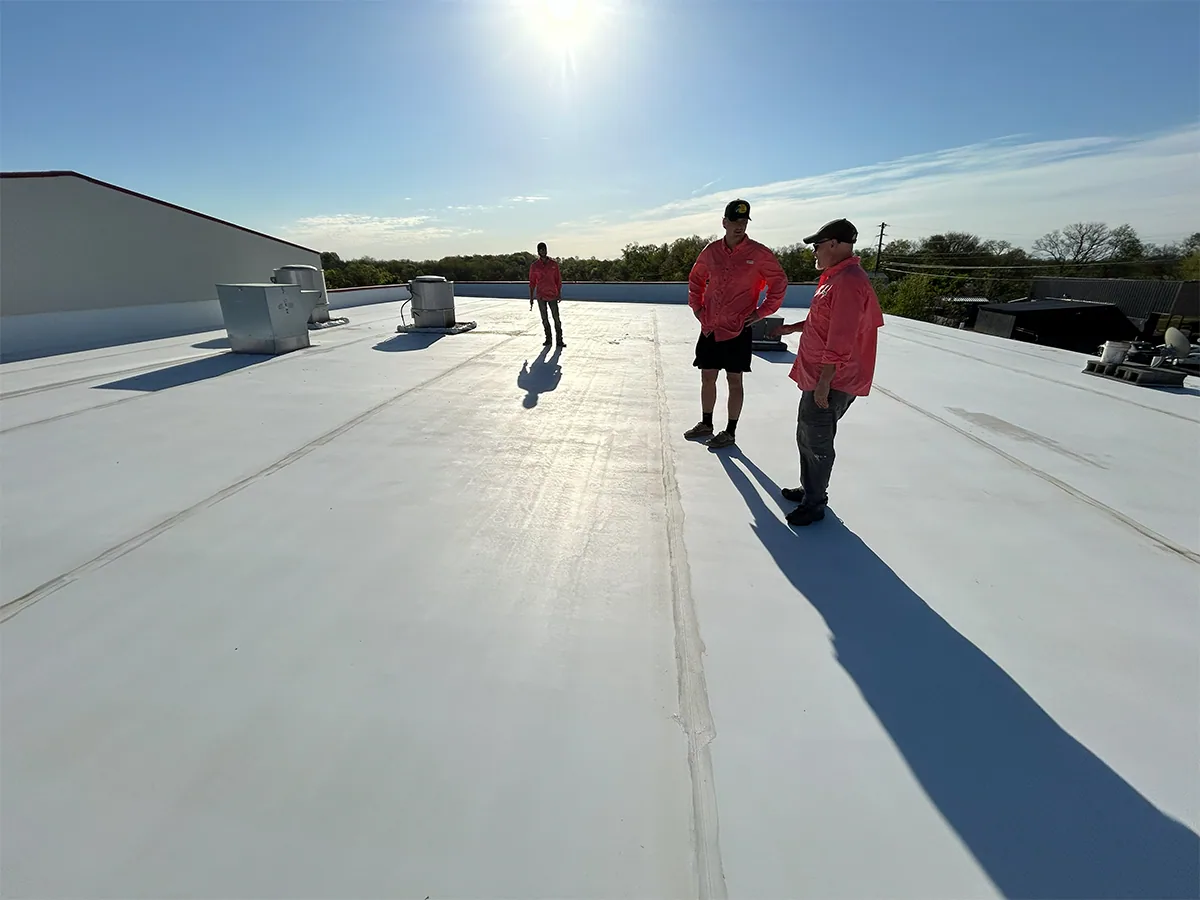
How it works: heat tells the story
Wet insulation holds heat longer than dry insulation. After a sunny day, the roof cools in the evening, and wet areas stay warmer than dry ones. An infrared camera reads that difference as a pattern of warm and cool patches. We scan the roof in the hours after sunset, when the contrast is strongest, and mark the warm areas on the roof with paint.
The camera is a screening tool. It shows where to look, not what is there. Shadows, surface dirt, patches, rooftop equipment and standing water can all fool a scan, so we never trust the image alone. Every suspect area gets confirmed in person.
Core cuts: the proof under the pattern
After the scan, we cut small cores through the membrane and insulation at marked spots, including a few at spots that look dry. Each core shows the layers, the insulation type, its thickness and how wet it is. We measure with a moisture meter and record what we see.
We seal every cut right away with a patch that matches the membrane, so the survey does not create a new leak. The cores also tell us how many layers the roof carries, which matters if you are considering a roof recover. If the insulation is dry and the roof has one layer, a recover may be possible. If not, the map tells you why.
The map: what you receive
You get a roof plan with wet areas outlined, core locations numbered and a table of what each core showed. Photos accompany each cut. We add an estimate of wet area as a share of the roof, so you can see whether the problem is a corner or the whole field.
That map drives decisions. A small wet area near a drain is a repair. A wet field across half the deck points toward replacement. The map also helps with budget phasing: if the wet insulation sits in one section, we can price replacing that section first. Used with a roof condition report, it gives a full view of where the building stands.
Chasing leaks: when the stain is far from the cause
Water travels along decks and between insulation boards before it shows inside. A survey shows the wet footprint, and the footprint points toward the entry. When a leak keeps coming back after repairs, a scan often explains why: the water source is not where the patches were.
For active leaks, we pair the scan with a trace from inside. That combination can lead us to a bad flashing or an open seam that visual checks missed. For an owner chasing one, leak repair aimed with the same map goes to the right spot the first time.
Season and timing: when to scan in Alabama
Humid, hot months give strong contrast but also heavy dew, which can cloud the reading. Cooler dry spells in fall and late winter often give cleaner scans. Either way, a roof should not have rained on in the last day or two, because surface water confuses the picture. Scheduling the scan ahead of spring storm season lets you fix wet areas before March, and scheduling after a storm shows what the weather let in.
The results feed straight into the next step. A survey that finds limited wet areas supports a targeted repair or a roof inspection follow-up. One that finds widespread moisture supports a replacement budget, backed by core photos.
More on Infrared Moisture Survey
Where it pays off: buildings with big or old roofs
Surveys earn their cost on large roofs and old ones. An owner with several buildings along Highway 31 or in the Riverchase office parks can start the scans with the oldest and largest sections. Industrial roofs in Bessemer, home to a U.S. Pipe ductile pipe plant and the Amazon fulfillment center announced at 800,000 square feet, are candidates too once their age and area are known. A building with many sections and mixed ages can have wet areas in a few and dry roofs in the rest, and the survey separates them.
It also pays off at purchase. A buyer or lender who wants the truth about a roof before closing gets it from a survey. Pair it with a due diligence roof survey and the numbers are ready for negotiation.
Limits: what a survey cannot tell you
Infrared works best on low-slope roofs with insulation under a membrane. It struggles on ballasted roofs, heavily coated surfaces, thick pavers and metal roofs. Rain, wind, cloud cover and a short day can cut the scan time. In the humid months, dew and surface moisture add noise. We pick the night, and sometimes we reschedule rather than deliver a weak scan.
A survey also does not predict future leaks. It shows the roof as it is on one date. After a major storm, or a year or two later, a new scan shows what changed.
Commercial Roofing Questions
Why not just cut cores everywhere instead of scanning?
Cores are slow and each one is a hole in the roof. A scan covers the whole surface in a night and tells us where cores will pay off. Cutting enough cores to match a scan would cost more and leave more patches. The two methods work together: the camera narrows the search and the cores prove the finding.
Can you scan in the daytime?
Daytime scans are less reliable because the sun heats the whole roof and hides the contrast. The best window starts shortly after sunset on a clear, dry, calm evening, once the roof has had a sunny day to store heat. We watch the forecast and move the scan to a night when conditions are right.
Does wet insulation always mean replacement?
No. If the wet area is small, we cut it out, install new insulation and patch the membrane. If the wet area is large, or if the deck below is damaged, replacement makes more sense. The map shows which case you have and what each choice costs, so the decision rests on the actual wet footprint.
How long does the survey take?
A typical roof takes one evening for the scan and a half day for the cores, with the map and report following a few days later. Larger roofs and roofs with many levels take longer. We tell you the schedule before we start and keep tenants informed of any work above them.
Will the survey show hail damage?
Not directly. Hail bruises the membrane and cracks insulation, and a scan may show wet spots where water later got through those cracks. But it is a moisture tool, not a hail tool. For hail, we pair it with a walk. The April 2003 softball-size hail across central Alabama is why we treat bruising as a live possibility on any roof we scan.
What do I do with the results if the roof is mostly dry?
Keep the map as your baseline and spend on the repairs it points to: sealant, flashing and drain work that keeps the dry insulation dry. A mostly dry roof can often run several more years on maintenance. Repeat the scan after a major storm or in a few years, and compare it to this one to see whether any area is spreading.
Related Roofing Work
Roof Recover and Overlay
Roof Condition Reports
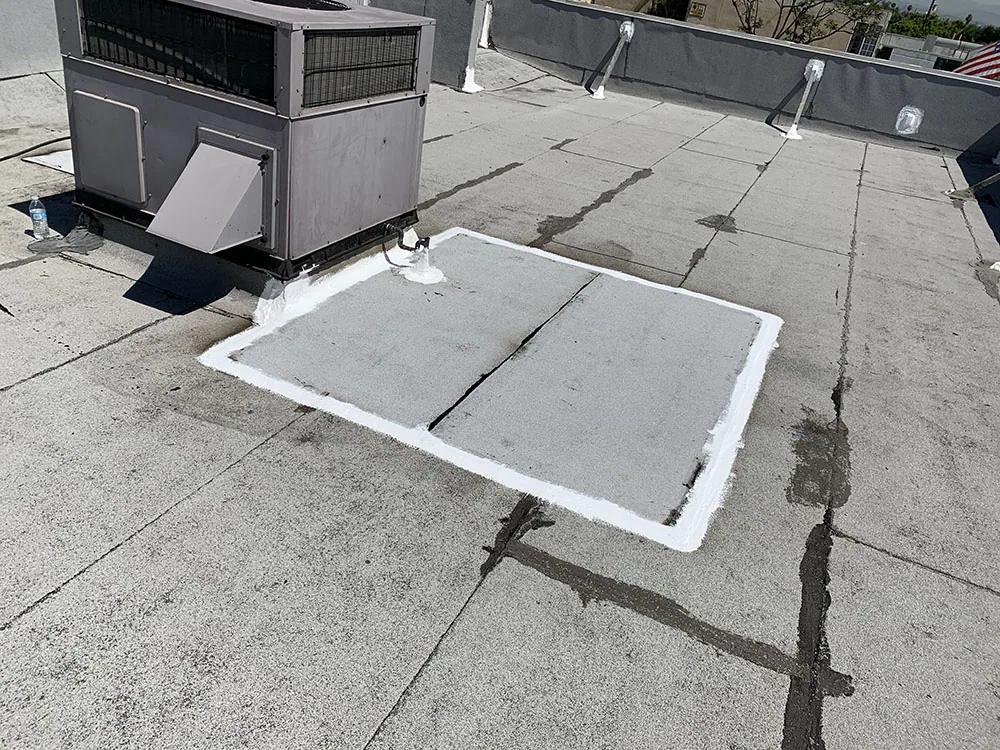
Commercial Roof Leak Repair
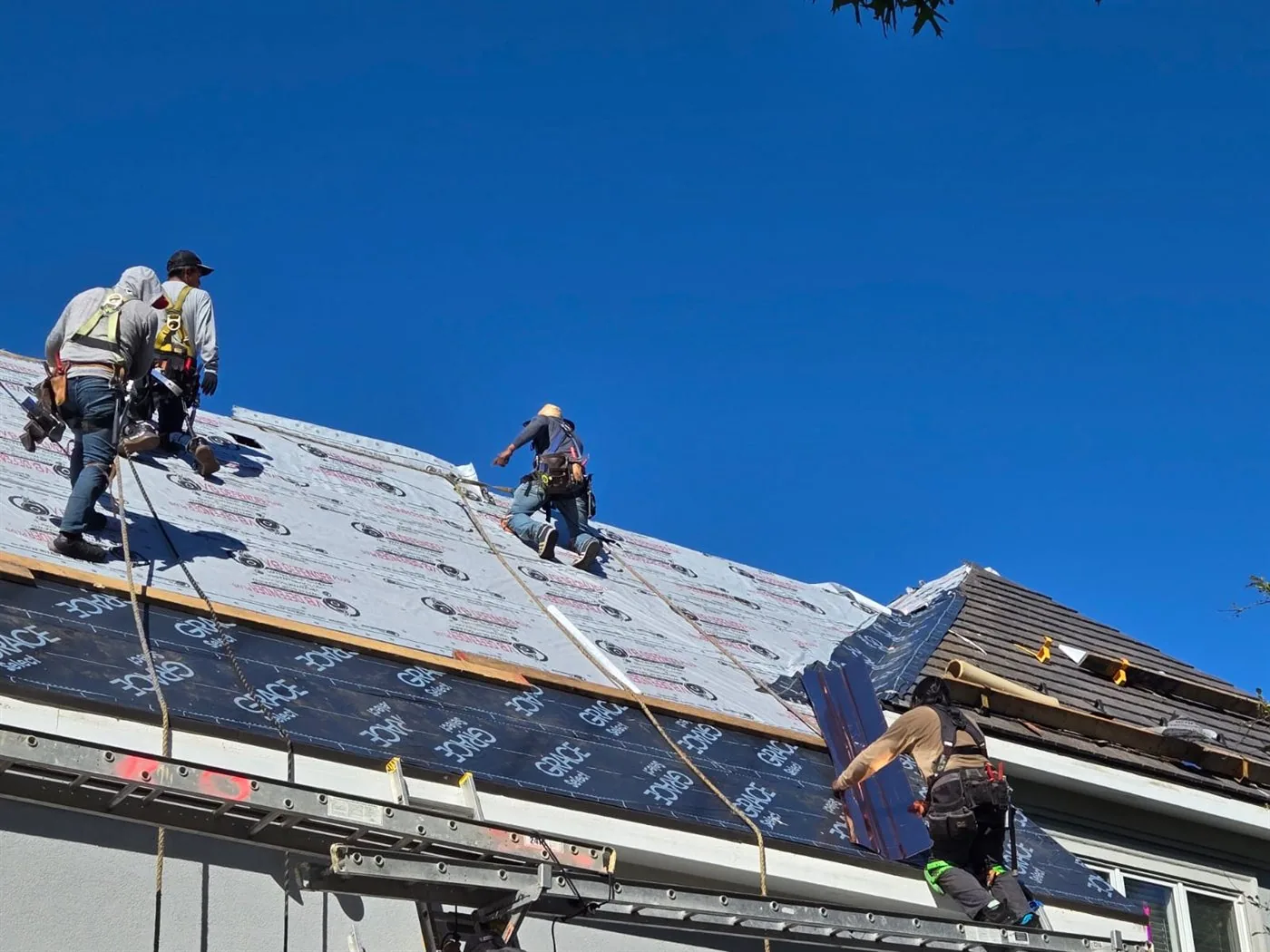
Commercial Roof Inspection
Emergency Leak Calls
Call to schedule an infrared scan
Tell us the roof type and the building. We will pick a scan night, cut the cores and send back a map that shows exactly what is wet.