
Roof Condition Reports
Roof Condition Reports in Hoover, AL
A condition report is a price list for the next several years, written in photographs. It tells an owner what is wrong, how bad it is and what it costs to fix. In Hoover, AL, where spring brings severe thunderstorms and November and early December bring another round, the report also tells you what the roof looked like before the next storm hit. That record can decide a claim.
We write the report so a non-roofer can read it. Each finding has a photograph, a location on the roof plan, a rating and a price range. Where we do not know, we say so and say what would settle it. Call for a storm walk or budget review and name the readers of the report, because a lender, a carrier and a board each want something different.
What the report contains
A report has six parts. A summary on one page. A roof plan with sections and numbers. A findings list with photographs. A moisture section with scan results and core cuts. A rating for each section. A cost table with options and price ranges.
The summary comes first because a busy reader may stop there, and it has to stand on its own. It names the roofs that need work this year, the ones to watch and the ones that are sound. The plan comes next, with every drain, curb, penetration and problem numbered. The findings list ties each number to a photograph and a note. A reader can follow a stain on a ceiling to a number on the plan to a photograph on the roof. That chain is the point of the report. When a repair crew arrives, the same numbers go on the work order, and when the repair is done, the same numbers go on the closeout photographs.
The evidence: photographs, probes, scans and cores
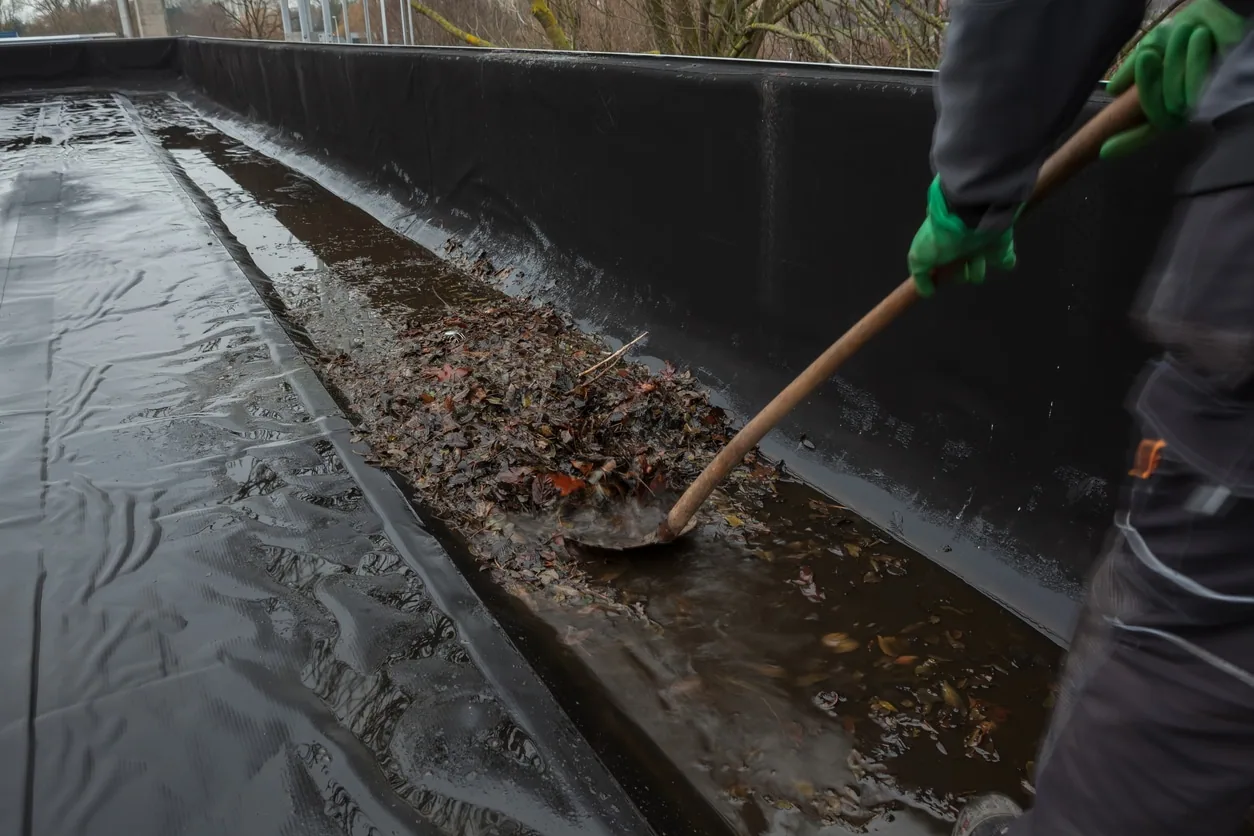
We gather evidence four ways. Photographs, tied to locations. A probe along seams and edges to feel for weakness. A moisture scan to map wet insulation. A core cut where the scan or the feel of the roof raises a question. Each method answers a different question, and the report says which was used where.
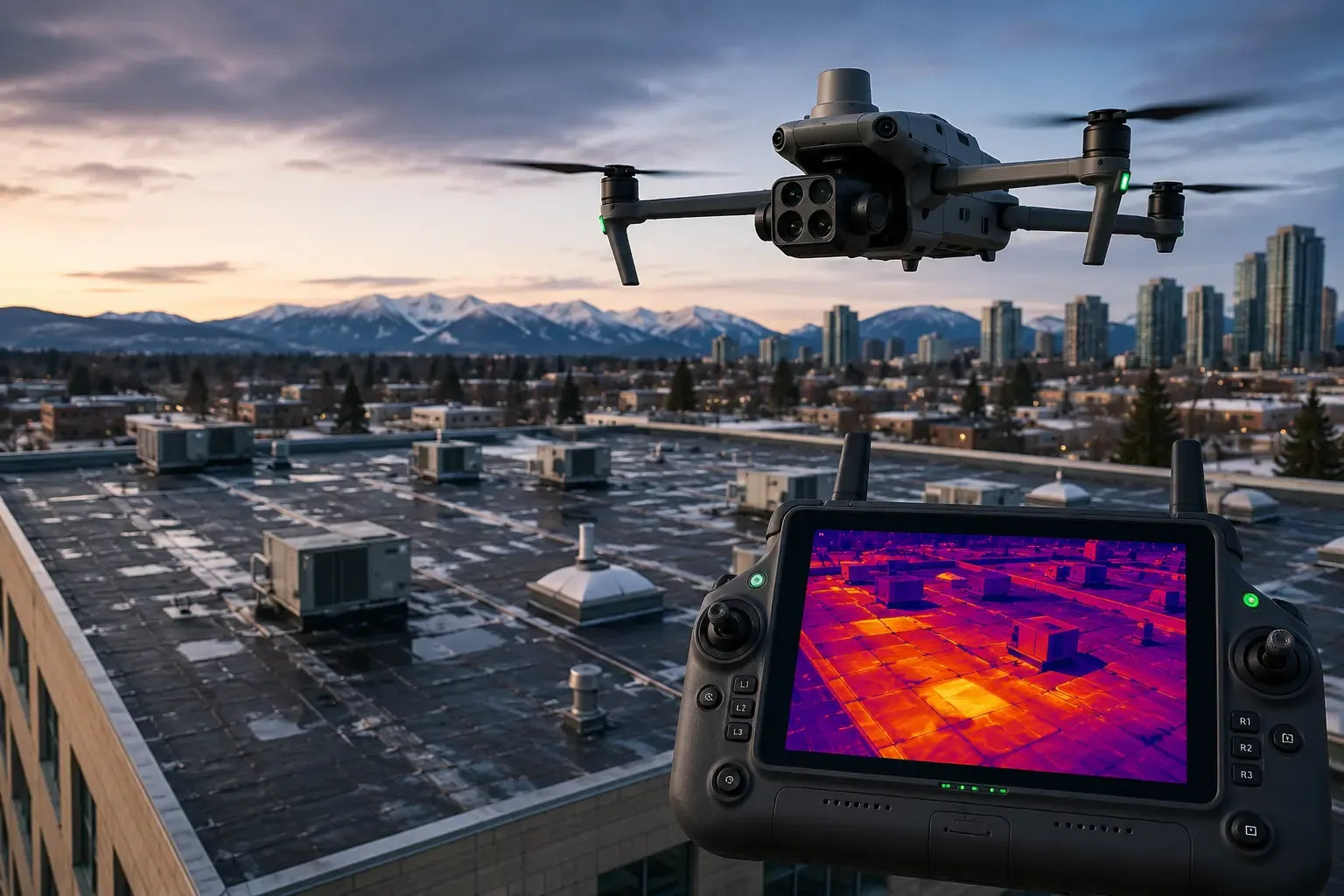
An infrared moisture survey maps wet areas with no cutting, and a core cut confirms the layers and the water. For large roofs, a drone roof inspection reaches the whole surface faster and shows damage a ground view misses. No single method proves everything. A scan suggests. A core confirms. The report keeps the two apart, so a reader knows which findings are measured and which are inferred.
Ratings and price ranges
Each section gets a rating: sound, watch, repair or replace. Next to the rating sits a price range for the option we recommend and for one alternative. The range tightens as evidence improves. A roof with a moisture scan and cores gets a narrower range than a roof we only walked.
We list what could change the number. Wet insulation under the repair. A deck that looks worse once the layers come off. A code item that adds insulation. Owners decide better when the unknowns are named. A reserve study, a lender or a board can then see the range and decide how much margin to hold. A rating is a statement about the day of the walk, backed by photographs. It is not a promise of remaining life. If the rating changes at the next walk, the report shows why.
Who reads it, and what they need
An owner reads it for the budget. A property manager reads it for the work order. A lender reads it for risk. An insurance carrier reads it for cause and date. A board reads it for the approval. We format one report so each can find their page, and we add a short cover note for each reader when it helps.
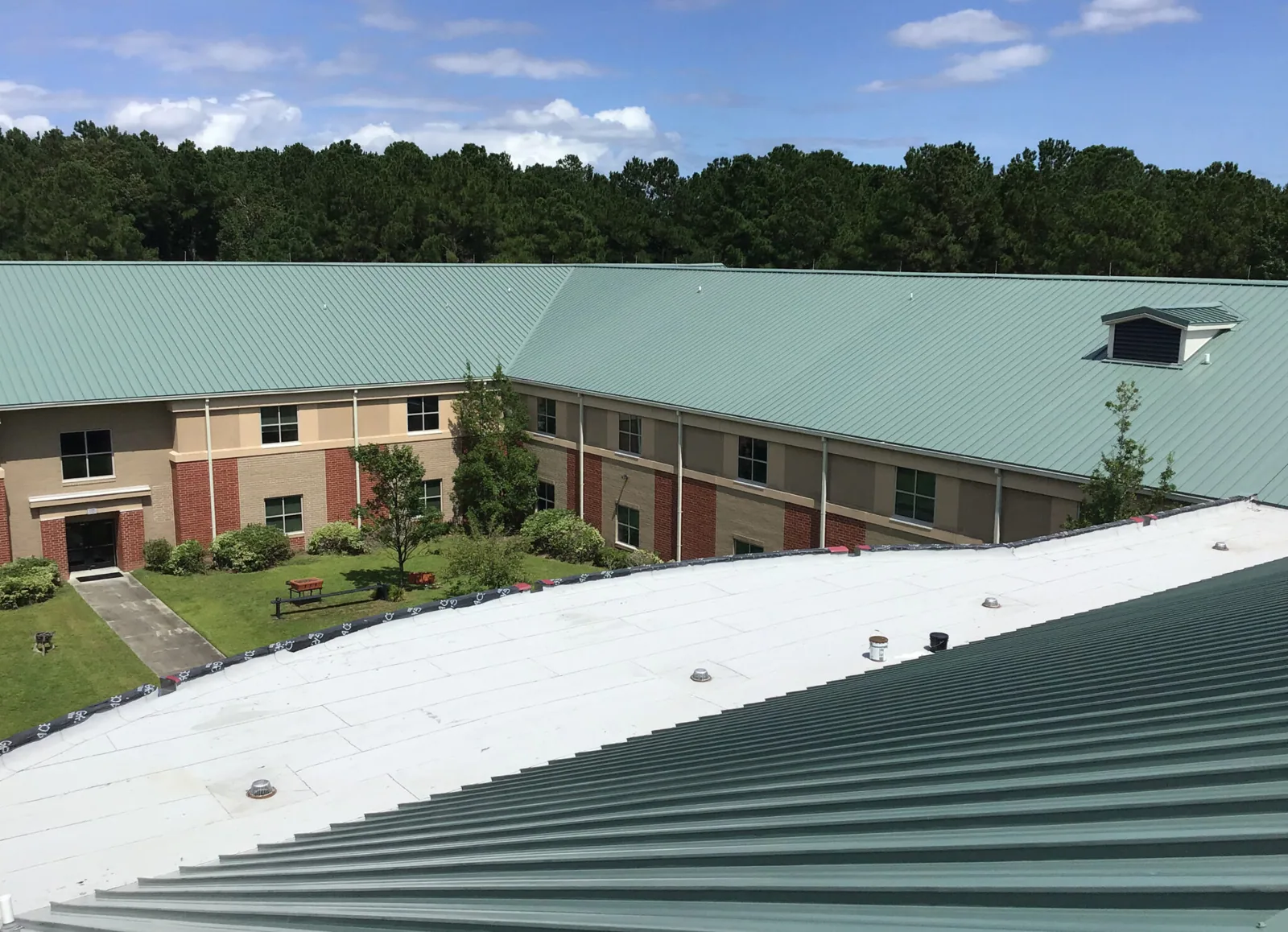
For a claim, a report written before the storm is the strongest evidence of what the roof looked like. For a refinance, it shows condition and cost. For a sale, a due diligence roof survey uses the same format. For ongoing management, the report feeds the roof asset file and the roof capital plan. The same photographs serve all three. Photographs are dated and kept in the original, so they can be produced if a carrier or a buyer asks for them. Each report also lists the access limits, such as areas we could not reach, so no one assumes a section was seen when it was not.
When to order one: before the season and before the deadline
Order the report in late winter. That puts findings in hand before spring storms and before most budget years close. After a summer that brings some two months of 90-degree days to Birmingham, an early-fall report catches the wear before the November round.
Claims after storms tend to bunch up in March, April and November. A report dated before those months shows the roof's condition before damage. A report dated after shows what changed. We tell you the delivery date when we book the walk, and we deliver within an agreed window and flag any condition that needs action before the report is final, such as an active leak. For active leaks, a commercial roof leak repair comes first.
More on Roof Condition Reports
Local: where reports get used in Hoover
Hoover's biggest employers include AT&T of Alabama and Blue Cross and Blue Shield of Alabama, along with Regions Bank, Hoover City Schools and Walmart and Sam's Club. An organization with many buildings, or an owner with many tenants, may need one report to serve several readers at once. Both Riverchase Office Park, with its large corporate tenants, and the shopping, hotel and office complex of the Galleria on Highway 31 fit that description.
Reports for Riverchase and Pelham buildings follow the same format, so a manager with properties in both can compare them directly.
Commercial Roofing Questions
How long does a report take?
It depends on roof size and access. A single building is usually a visit and a short turnaround for the draft. Large portfolios are phased. We recommend telling us your deadline when you call, and we will plan the walk and the delivery around it.
Can a report be used for an insurance claim?
Yes. A dated report with photographs is strong evidence of the roof's condition. For a claim after a storm, we separate storm damage from older wear. We do not set coverage. We recommend ordering a baseline report before storm season.
What if you find an active leak during the walk?
We tell you at once and, if you approve, make a temporary seal. The report records the leak and the temporary fix. The permanent repair is priced as its own line, and we do not hold the report back for it.
Do you need roof drawings?
They help, but we do not need them. Where drawings are missing, we draw a roof plan on the walk. If you have warranties, repair invoices or old reports, send them, and we will compare them with what the roof shows, line by line, and list any difference.
How often should I order a new report?
A full report every few years, with a shorter update each year, works for most portfolios. After a major storm, a focused update is worth ordering. We recommend scheduling the updates alongside the budget year. The update is shorter than the first report, because the plan and the photographs already exist.
Related Roofing Work
Infrared Moisture Survey

Drone Roof Inspection
Due Diligence Roof Surveys
Roof Asset Management
Emergency Leak Calls
Call for a storm walk or budget review
Call before storm season or before a deadline. The walk gathers the evidence, and the report puts a rating and a price on every section so the next decision is clear.