
Roof Capital Planning
Roof Capital Planning in Hoover, AL
Next year's roof budget is set by what this year's walk finds. Storms keep their own calendar in Hoover, AL: severe thunderstorms in spring, then another season in November and early December. A replacement that is a budget line can be bid, scheduled and done in a dry month. A replacement forced by a storm is bought in a hurry, with a crowded schedule and a shorter list of choices.
Capital planning turns the roof walk into a calendar of costs. It ranks each roof section by when it will need work, what the work will be and what it is likely to cost. It does not predict the weather. It gives you a plan that survives a bad storm. Call for a budget review and we will tell you which numbers the first walk will pin down.
The issue: replacement is not a surprise
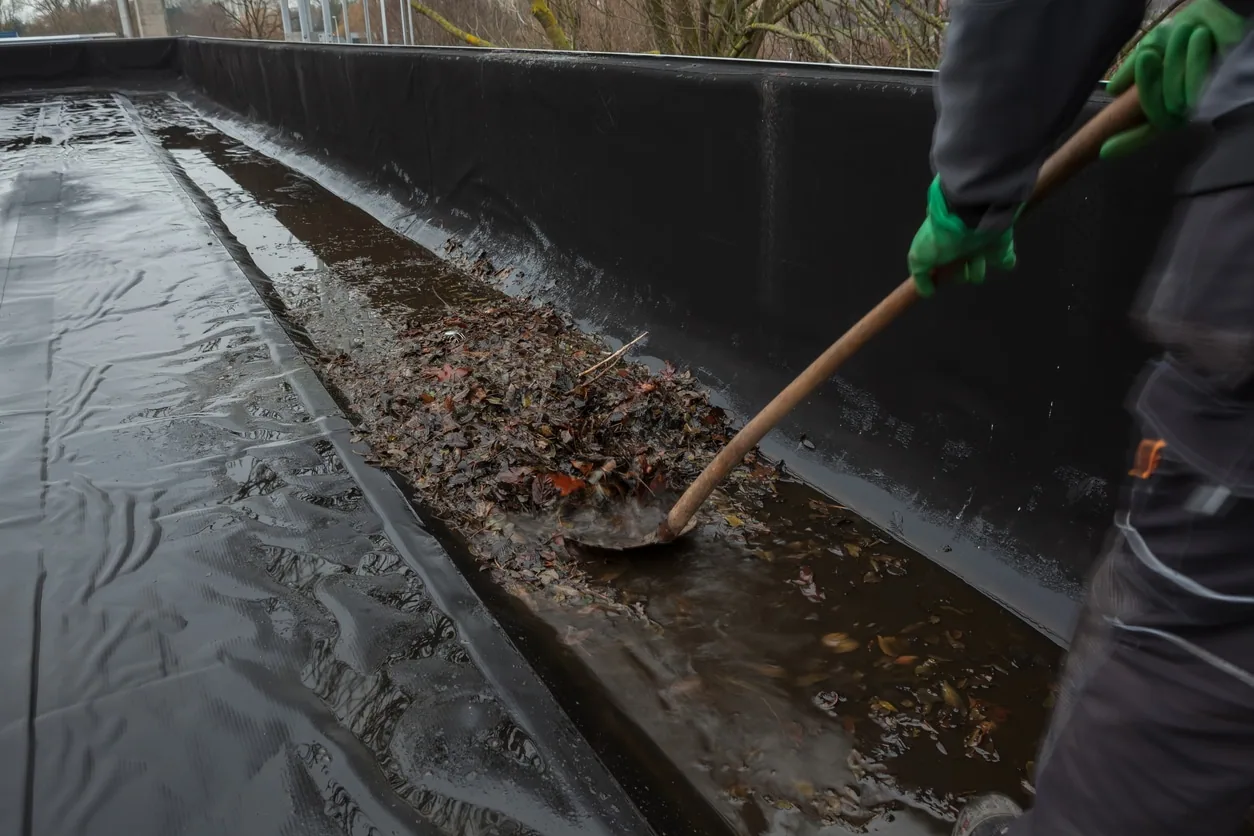
Most roofs give notice. Seams open, flashing cracks, ponds linger and moisture scans turn up wet spots. Those signs line up on a timeline, and a timeline can be priced. A roof that shows three signs this year is a candidate for a replacement plan, even if it does not leak yet.
The mistake is waiting for the leak. A leak means water has already reached the insulation. By then the choice is narrower and the cost is higher. A capital plan moves the decision earlier, while a recover or a coating is still possible. It also lets you compare the cost of repairing for three more years with the cost of replacing now, with the real numbers on the table. Repair costs add up. Three repairs on one roof can equal a section replacement, and the plan totals them so the comparison is plain.
What the plan contains
A plan has four parts. A list of roof sections with ratings. A set of options for each section: repair, coat, recover, replace. A price range for each option. A year for each decision.
We build it from the walk. Each section gets evidence: photographs, moisture readings, core results where we cut. Each option lists what it keeps, what it removes and what could change the price. The result is a table you can take to a budget meeting. It shows the total for each year, so you see the year that spikes and can smooth it. The inventory comes from roof asset management, and the evidence comes from a roof condition report.
What drives the number
Five things drive cost. Roof area. Wet insulation, because it must come out. Deck condition, because repairs add scope. Access, including height, hatches and lifts. Code, because a rebuilt roof follows current rules.
On code, a rebuilt roof answers to the International Building Code edition the state has adopted and to ANSI/ASHRAE/IES 90.1-2013 for commercial energy, and since October 1, 2024 adoption authority has sat with the Alabama Licensing Board for General Contractors. A replacement may carry insulation requirements an older roof did not. We list the code items as their own line, so you see what the code adds and what the roof needs.
Repair, coat, recover or replace
Repair is the smallest step and fits local failures on a sound roof. A coating fits a bonded membrane over dry insulation, and a roof coating restoration can stretch the budget. A recover fits dry, firm layers and saves tear-off, and a roof recover overlay is worth pricing when the core says yes. Replacement fits wet insulation, a weak deck or a roof patched until the patches are the roof.
The plan puts these steps in order along a timeline. A roof might get a repair this year, a coating in two years and a replacement in nine. The order matters because each step must leave the roof fit for the next. We show the sequence and say what could break it. A coating that fails early, a moisture scan that turns up wet insulation or a storm that opens a seam can each move a date, and the plan names the trigger so the owner knows when to revisit. A commercial roof replacement is priced when the plan calls for it, with the core and moisture results in hand.
When to do it: the dry months and the budget year
Plan the walk for late winter, before storm season and before the budget closes. Plan the work for the dry, moderate months, when adhesives and coatings cure well. Mid-summer is hard on crews and materials, with humidity near 70 percent and heat of 90 degrees or higher on many days.
Storm damage claims cluster in March, April and November. A plan tells you which roofs to walk after a storm and which to leave. It also tells you which projects can slip a year without added risk, and which cannot. Budget meetings tend to ask the same question twice, once about this year and once about the year after, and the plan answers both with a single table. That is the information a budget meeting needs, and it is written down before a roof fails.
More on Roof Capital Planning
Local: where the plan pays off
Hoover's metro has about 1,181,196 people, and the city had 92,606 residents in 2020. Large owners and managers there include office parks at Riverchase, retail along Highway 31 and Highway 150 and schools. Owners with many roofs gain most from a plan, because it ranks them against each other, and an owner with a few roofs each in Pelham and Bessemer reads one table instead of several. The Riverchase and Highway 150 corridor buildings are natural places to start.
For public owners such as school districts, a plan also supports a budget request. A page of ranked roofs, with evidence, is easier to approve than a general statement that a roof is old. Phasing helps too: a district or owner can replace the worst roofs first and spread the rest, and the plan marks which roofs can move without added risk.
Commercial Roofing Questions
How far ahead should we plan roof replacements?
Three to five years is a useful horizon for most owners. The plan shows what is due now, what is due soon and what can wait. We recommend updating it every year after the late-winter walk, because findings change the order.
Can a plan help with lender or board requirements?
Yes. A ranked list with photographs, moisture results and price ranges answers most reserve and capital questions. We format it so a lender or a board can follow it. We recommend finding out what they require before the walk so the plan includes it.
What if a storm changes the plan?
Then we update it. A storm may move a roof up the list or add a repair. We keep the record of what the roof looked like before, which also helps a claim. The plan is a living document, and the update is part of the program. After a big storm, We recommend a quick re-rating of the roofs most exposed.
Is it cheaper to replace early or repair longer?
It depends on the roof. A sound roof with local failures is cheaper to repair. A roof with wet insulation or repeated leaks is cheaper to replace. The scan and cores tell us which, and we price both so you can compare the next several years side by side.
What do you need to start?
A building list, any roof records and your budget calendar. We walk the roofs and return the ranked plan. We recommend telling us the dates your budget closes, so the first deliverable lands before the meeting.
Related Roofing Work
Roof Asset Management
Roof Condition Reports
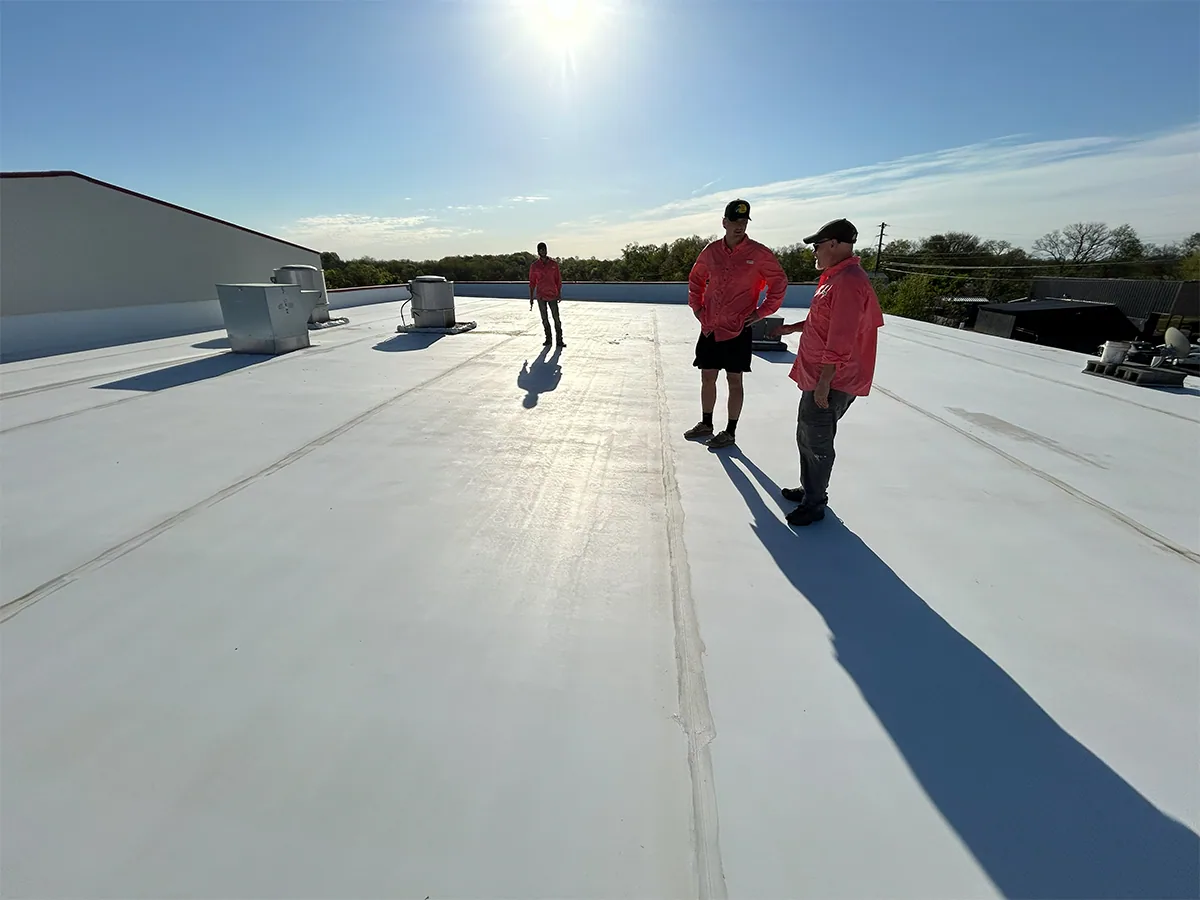
Roof Coating Restoration
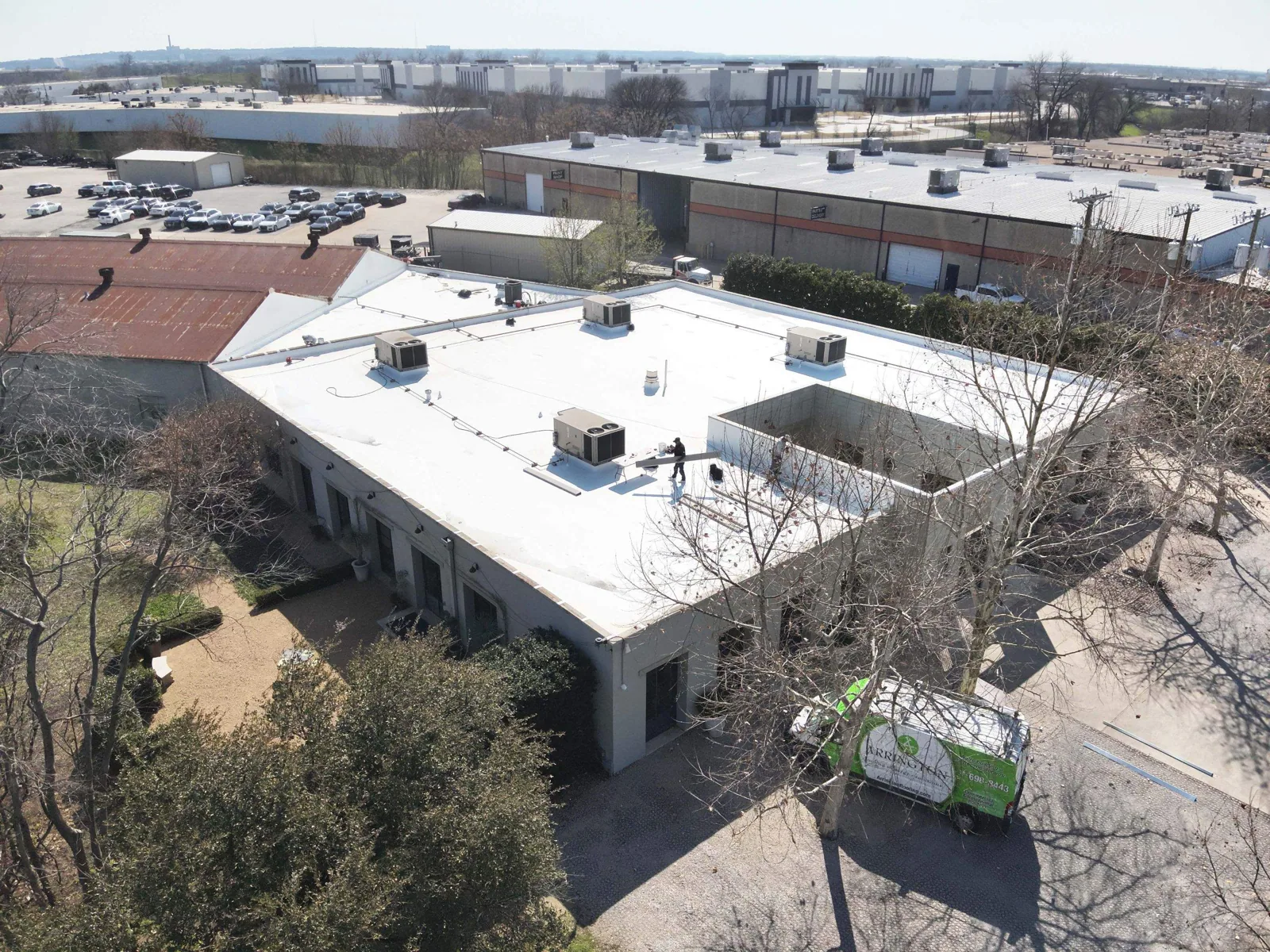
Roof Recover and Overlay
Emergency Leak Calls
Call for a budget review
Call before the budget year closes. The review pins down which roofs need work this year, what each option costs and which dates the plan should carry.