
Roof Asset Management
Roof Asset Management in Hoover, AL
A roof you do not track is a budget you cannot plan. Roofs rarely fail on a convenient date. They fail in March, April or November, when severe storms hit Hoover, AL, and every crew in the metro is booked. The owner who knows each roof's age, condition and next decision date can fix a small problem in February. The owner who does not pays for the same problem in a storm line.
Roof asset management is the habit of knowing. It starts with a list of every roof, adds a condition rating and a repair history, and ends with a date for the next decision. We build that list, walk the roofs and keep it current. Call for a roof walk or budget review and we will tell you which date the first visit will pin down.

The inventory: what we log for every roof
Every roof gets a record. The record lists the address, the building use, the roof sections and their areas. It lists the membrane or panel type, the insulation if known, the deck type and the edge and drain details. It lists rooftop equipment by number. It lists the warranty, if any, with its terms and dates.
Then we add what the walk shows. Condition by section. Photographs tied to locations. A moisture reading where we scanned. Ponds, open seams and failed flashing, each numbered. If something is unknown, we write that it is unknown and what would settle it. A roof with no records gets a plan drawn on the first visit. The inventory becomes the file you and your successor can both read. Keep it in one place, with one name on it, and update it after every repair, because a file that is a year behind is no better than none.
Condition ratings: a plain scale
We rate each section on a simple scale: sound, watch, repair, replace. Sound means no action. Watch means re-check at the next walk. Repair means fix within the budget year. Replace means plan the project. Each rating comes with the evidence behind it and a date.
The scale works because it is short. A property manager can scan a long list of roofs and see where the work is. An asset manager can total the repair and replace lines and see the year's number. A rating is not a promise of remaining life. It is a statement of what the roof showed on the day we walked it, with photographs. If a rating changes, the record shows when and why, and that is how a trend becomes visible before it becomes a leak.
What it costs: a walk now, fewer surprises later
Asset management costs a walk per roof and a little time to keep the file. The saving is in avoided emergencies. A repair scheduled in winter costs less than the same repair after a storm. A replacement planned two years out can be bid and scheduled. One forced by a failure is bought under pressure.
We price the program in two parts: the first inventory walk and the yearly update. The first walk is the larger. Updates are shorter, because the file already exists. We tell you the number before we start. Where a roof needs a closer look, a commercial roof inspection with a moisture scan adds the detail. We list what each add-on buys. A moisture scan tells you whether insulation is dry. A core cut tells you the layers. A drone pass tells you what a ladder cannot reach quickly. Each is optional and each is priced, so you add only what a decision needs.
When to do it: the storm-season calendar
Hoover's severe thunderstorms arrive in spring and again in November and early December, and claims bunch in March, April and November. Summer adds wear, with close to two months of days at 90 degrees or hotter around Birmingham.
We schedule the main walk in late winter. That puts findings in hand before the first storms and before the budget year closes. A shorter second walk, once summer is over, catches heat wear before the late-year storms. After a major storm, we do a quick check of the roofs most exposed. A preventive roof maintenance visit can do the second walk and the cleaning in one trip.
Decision dates: repair, coat, recover or replace
The point of the file is the next decision. For each section, we record the options and a date. A sound roof with a cracked boot gets a repair. A tired but dry membrane may get a roof coating restoration. A worn roof over dry insulation may get a recover. A roof with wet insulation gets a replacement plan.
Each decision has a price range. That range is what the asset manager takes to the budget meeting. Roof capital planning turns those ranges into a budget year, and a written roof condition report shows the evidence behind each line. An owner with several buildings can rank them against each other in a multi-site roof program, so the first dollars go to the roof closest to failing.
Each decision carries a trigger. A rating that moves from watch to repair, a new stain or a wet reading on the next scan sends that roof to the top of the list, and the file shows the date it moved.
More on Roof Asset Management
Local: who needs this in Hoover
Among Hoover's biggest employers are Walmart and Sam's Club, AT&T of Alabama, Blue Cross and Blue Shield of Alabama, Hoover City Schools and Regions Bank. Organizations with many buildings, or many tenants, benefit most from a roof file. The same goes for property managers at Riverchase Office Park, where many large corporate tenants are based, and for owners of Highway 31 and Highway 150 retail.
Start with the roofs nearest the next decision. A roof with a recent leak, a lapsed warranty or an open claim goes first, because those carry dates that will not wait for the next walk. The Riverchase and Highway 150 corridor buildings make a natural first pass, and the file grows from there.
Commercial Roofing Questions
What do I need to start a roof asset file?
A building list with addresses is enough to begin. Add any roof drawings, repair invoices and warranty papers you have. We draw plans on the first visit where records are missing. We recommend starting with the oldest roofs and those with a history of leaks.
How often should the file be updated?
Two walks a year suit most portfolios: one in late winter and one after the summer heat. Add a quick check after a major storm. We recommend setting the dates now, so the budget year and the walk line up.
Can you track roofs we did not install?
Yes. The file records what is on the roof, whoever put it there. We identify the system on the first visit and read the warranty if there is one. Mixed portfolios are normal, and the same scale works across them.
What does the file tell me about cost?
It gives a price range for each section's next decision, and a total for the year. The ranges tighten as we add scans and cores. We recommend using the file to set the budget, then checking the numbers at the next walk.
Who owns the file?
You do. We keep a copy to update it, and we hand you the current version at each visit. If you change managers or sell the building, the file goes with the property.
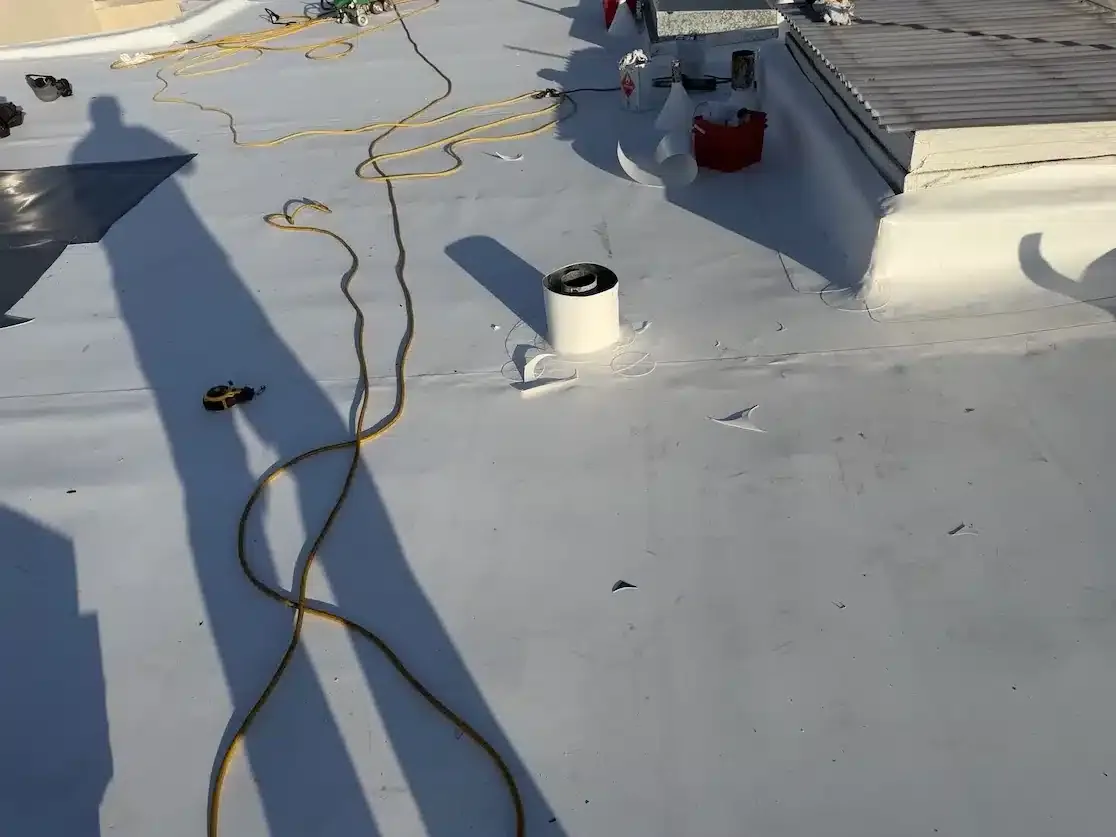
Related Roofing Work
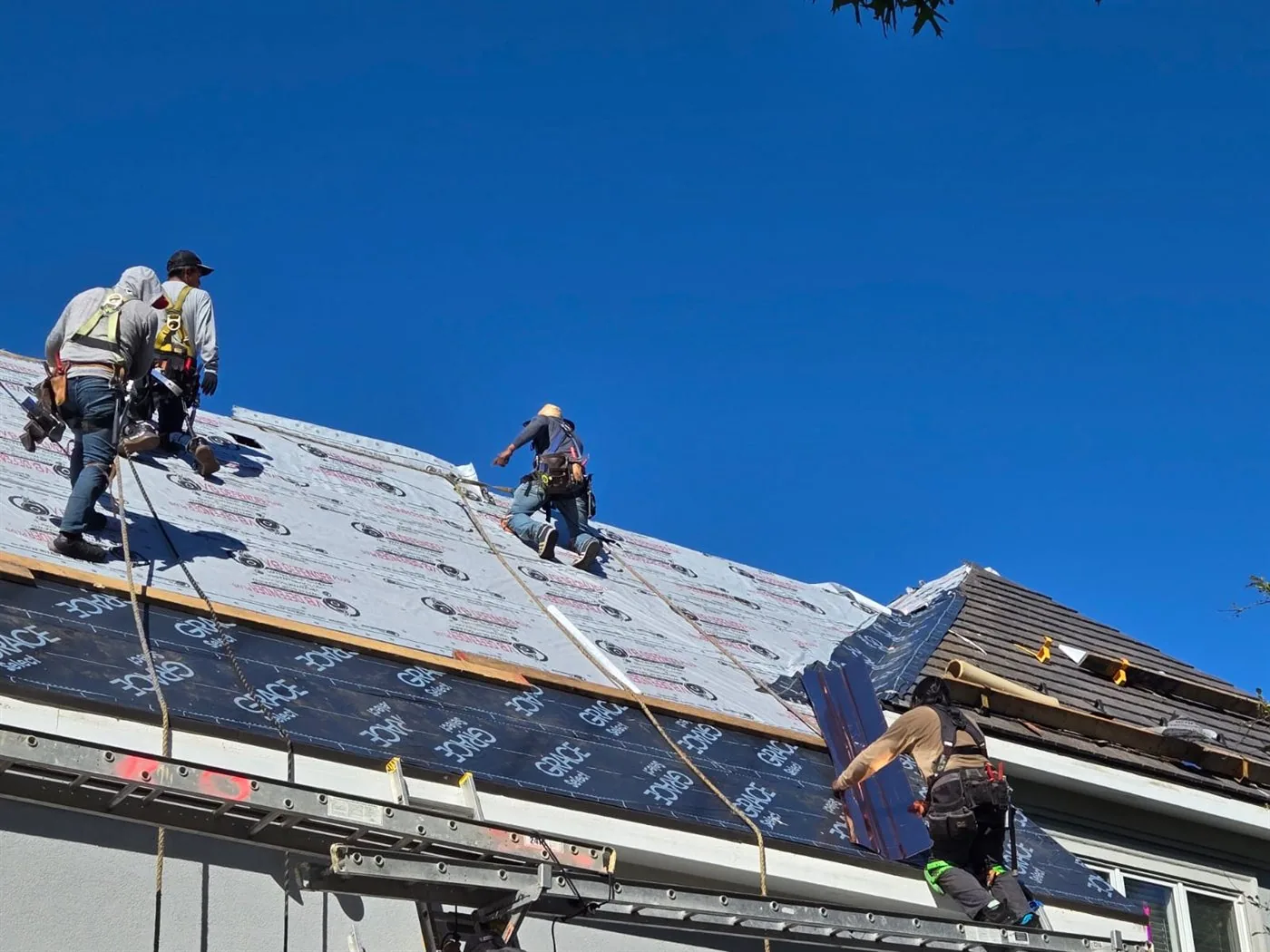
Commercial Roof Inspection

Preventive Roof Maintenance
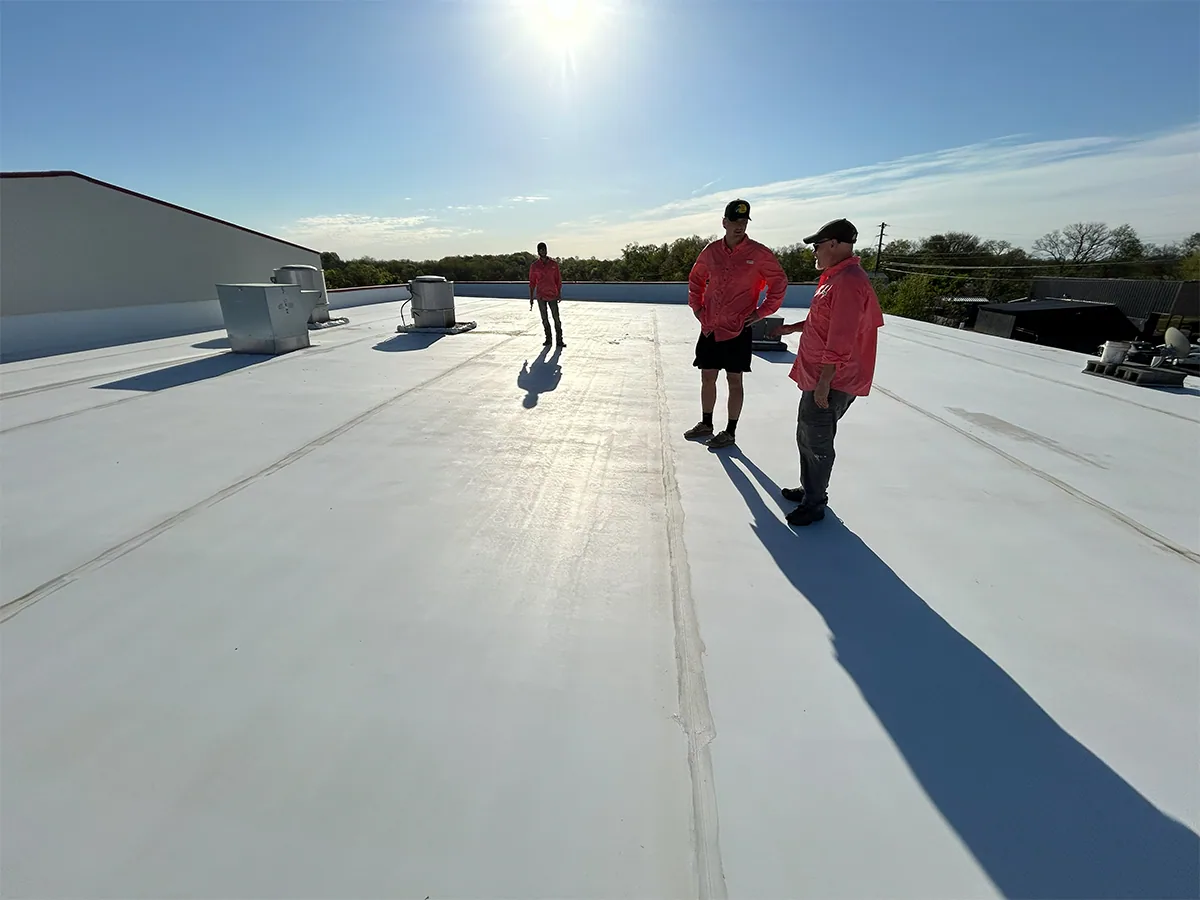
Roof Coating Restoration
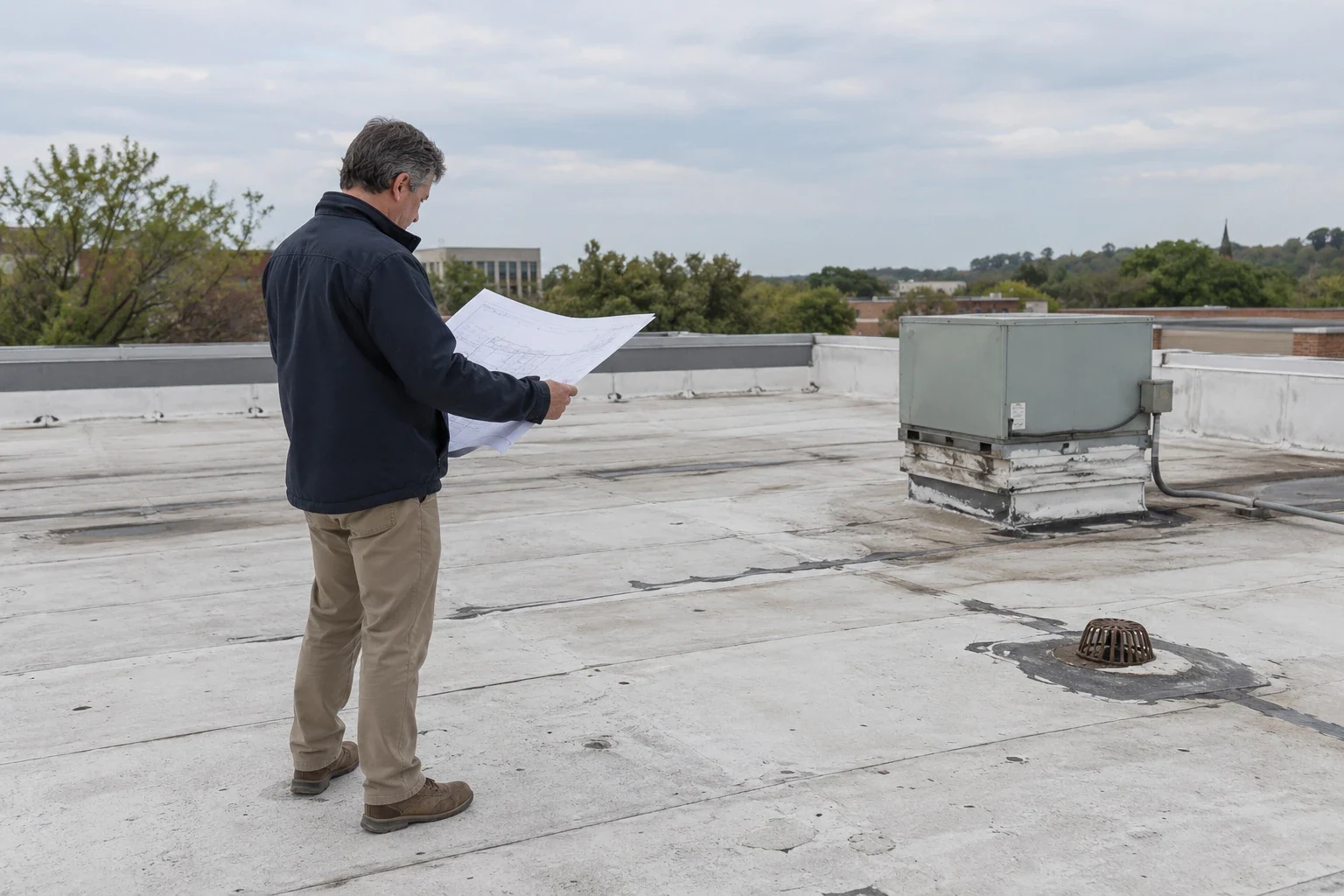
Roof Capital Planning
Emergency Leak Calls
Call for a roof walk or budget review
Call before the budget year closes. The first walk builds the inventory, rates each section and pins down the date of the first decision.