
Flashing Failure Repair
Flashing Failure Repair in Hoover, AL
A cracked bead of sealant costs less than a ceiling tile. A failed tie-in costs less than the wet insulation behind it. Flashing is the part of a roof where two surfaces meet, and in Hoover, AL, those meetings take heat, humidity and storms. Birmingham-area summers bring about two months of 90-degree weather, and relative humidity holds near 70 percent. Flashing moves with every one of those days.
Flashing fails slowly, then all at once. The first sign is a hairline crack. The second is a stain. The third is a bill. We walk the tie-ins before spring storm season and tell you which ones can wait and which cannot. The line goes in writing, with a price on each side.
The issue: where flashing fails
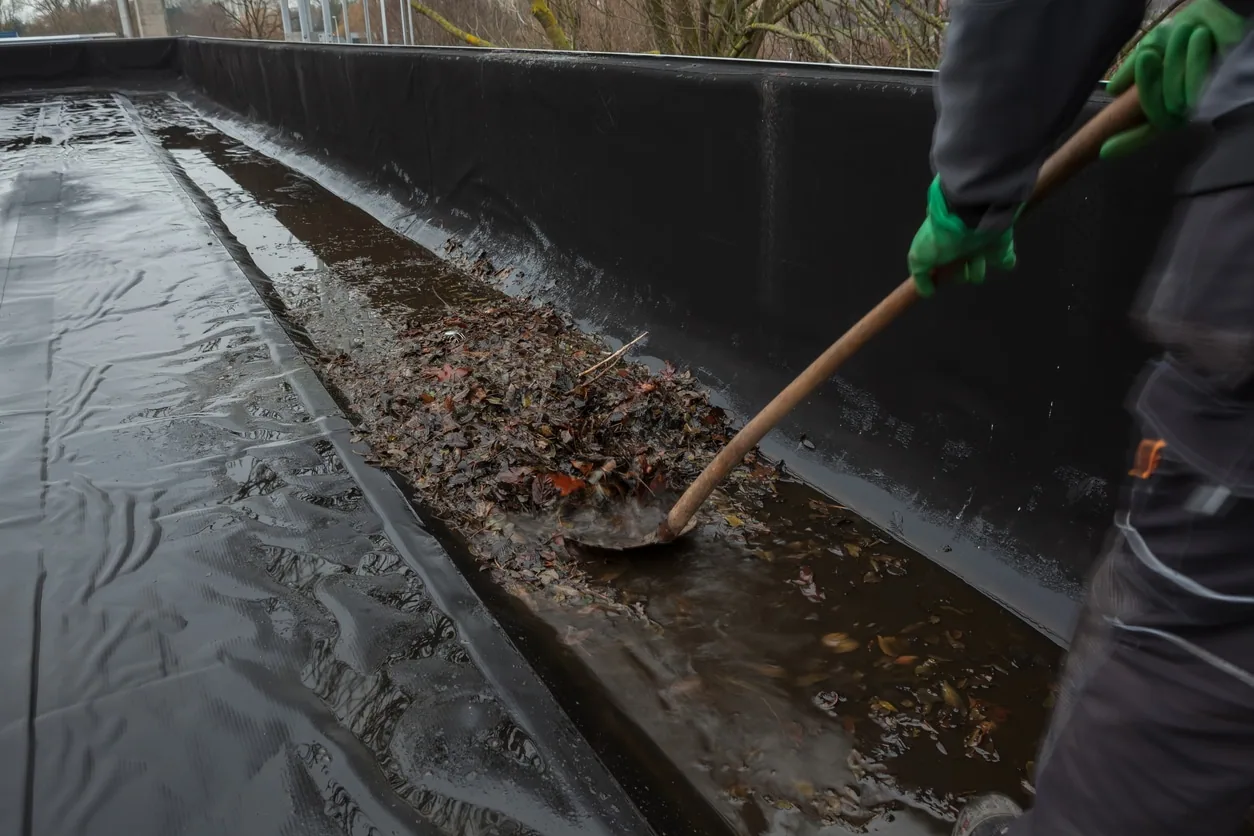
Flashing fails at curbs, walls, pipes, drains and edges. Anywhere the membrane turns up, ends or gets cut, there is a tie-in. Each tie-in has three parts: the turn-up, the termination and the seal. The seal fails first. Then the termination loosens. Then the turn-up shrinks away from the wall.
We check heights first. A curb should rise high enough to keep splash and ponding off the seam. We press on the corners, because corners hold the most stress. We look at the sealant for cracks, gaps and chalking. We compare the flashing material with the roof membrane, because mismatched products do not bond. A pipe boot with a split rubber collar is the cheapest repair on the roof. It is also the most common repeat leak.
Why it fails: heat, movement and bad patches
Three causes explain most flashing failures. Heat cycles open sealant. Building movement pulls tie-ins apart at walls and curbs. Earlier patches were made with the wrong material or laid over dirt. Humid air in Hoover keeps moisture in the details, and any gap that stays damp breeds a leak that is hard to trace.
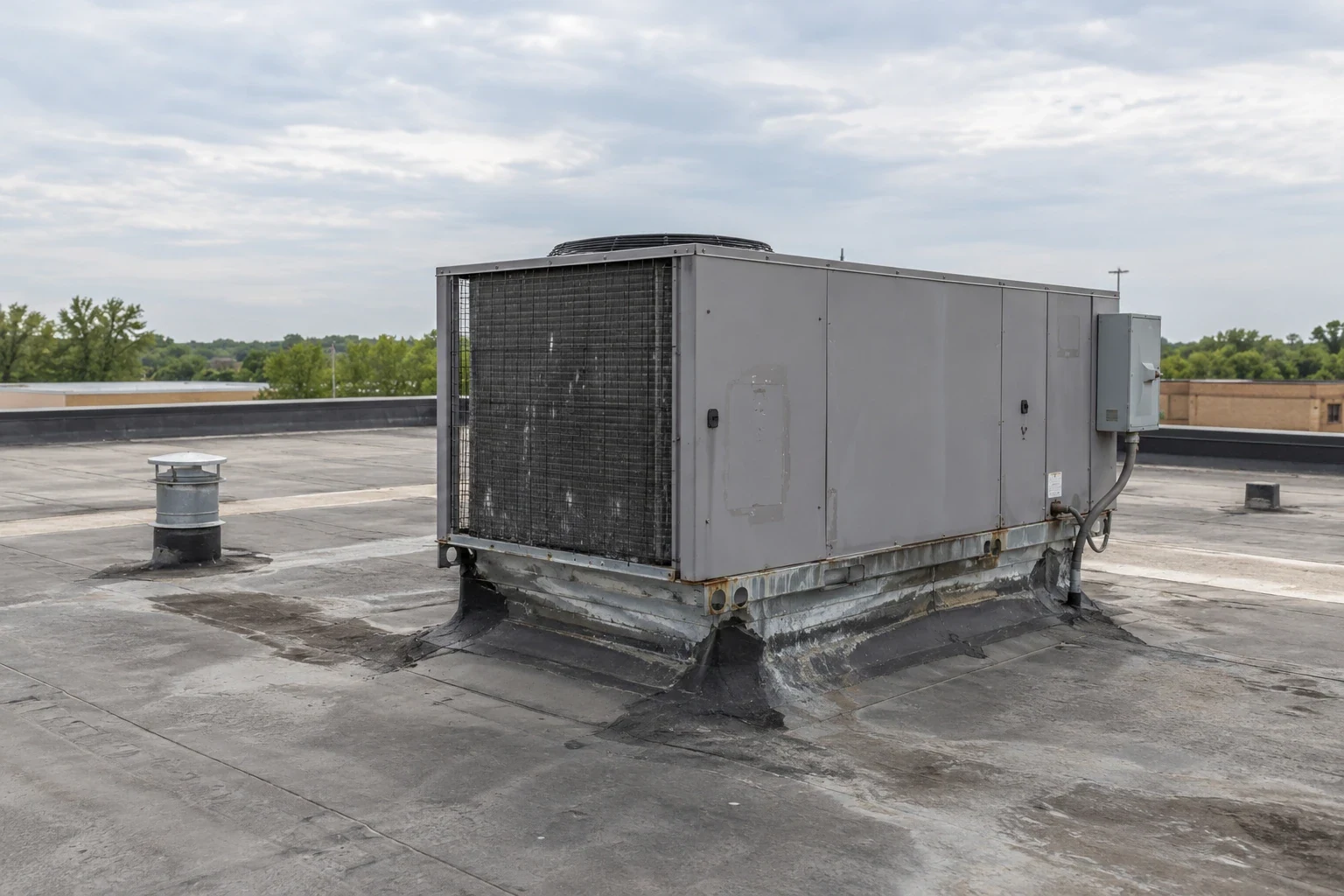
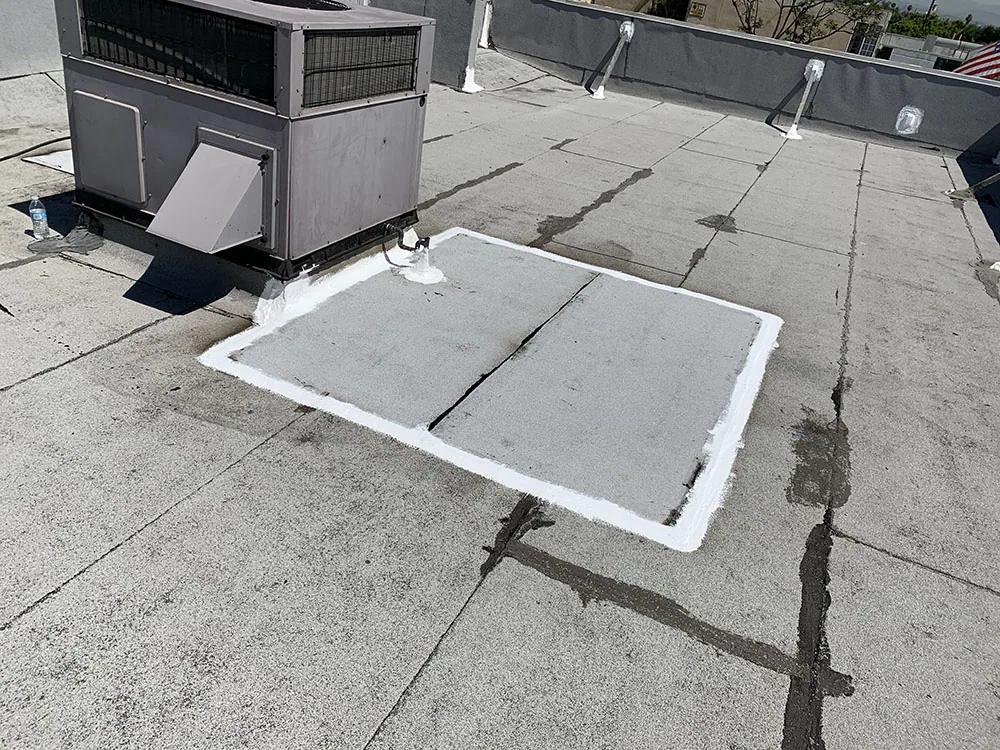
Equipment adds a fourth cause. Each time a unit is swapped, the curb flashing is cut or lifted. If the new work is rushed, the tie-in is weaker than before. We number every curb on the roof plan, note the age of each unit and mark any curb that has been reflashed more than once. A history on paper beats a guess on a ladder. If a unit sits close to an edge, we check the wind exposure as well, since a loose tie-in there fails first in a gust.
What it costs: cheap per detail, costly per leak
Flashing repair is priced by the detail. A pipe boot is small. A curb flashing rebuild is larger. A full wall tie-in is larger again. The cost of ignoring one is higher than any of them, because water that enters at a tie-in runs along the deck and soaks insulation far from the opening.
We price in three tiers. Reseal the detail. Rebuild the flashing. Replace the curb or wall assembly. You choose the tier with the roof records and your budget year in front of you. The proposal states what each tier includes, so two bids can be compared line by line. We tell you what each tier leaves exposed. A reseal buys a season or two. A rebuild buys years. A replacement resets the clock for that detail.
The fix: match the material, then seal
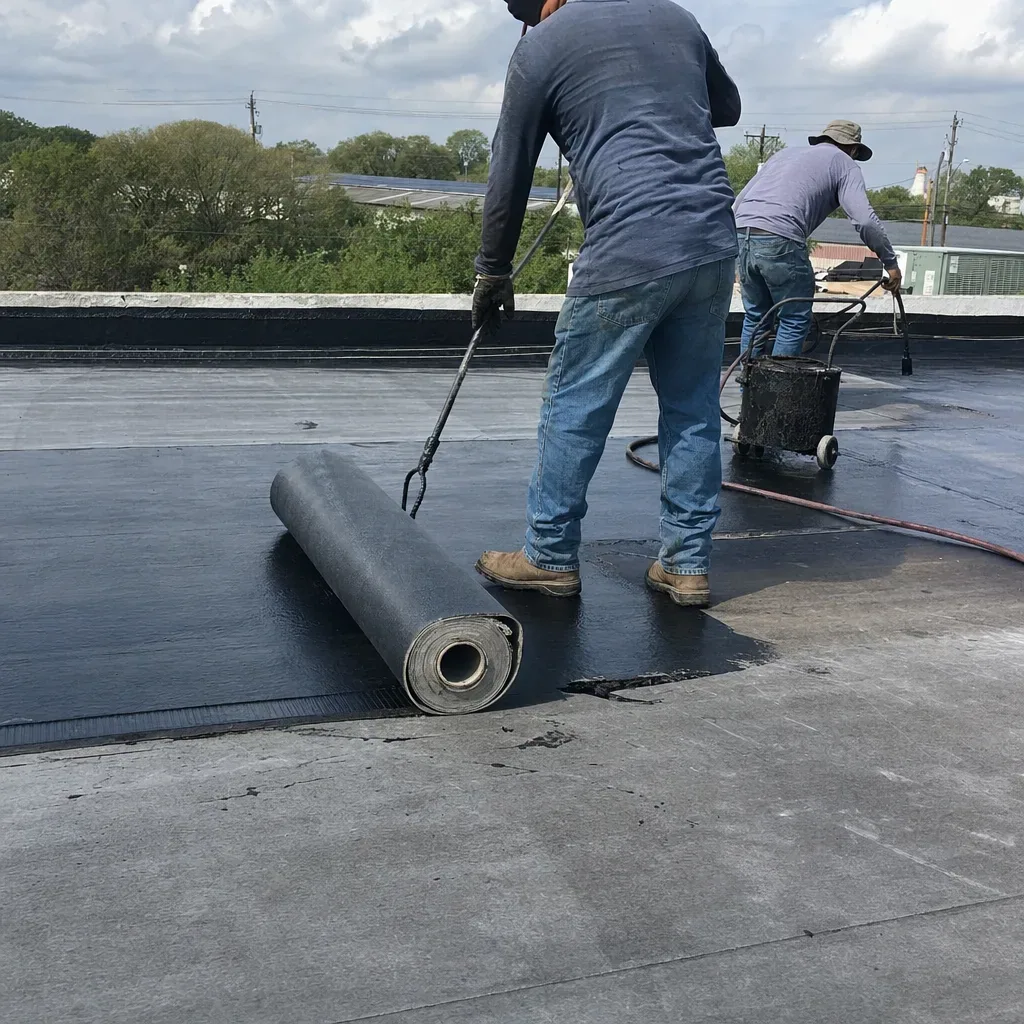
A good repair uses a flashing that bonds to the roof. On a single-ply roof, that means compatible membrane welded or adhered with the right adhesive. On a modified bitumen roof, it means torched or cold-applied flashing plies. On metal, it means a base plate and sealant that tolerate movement.
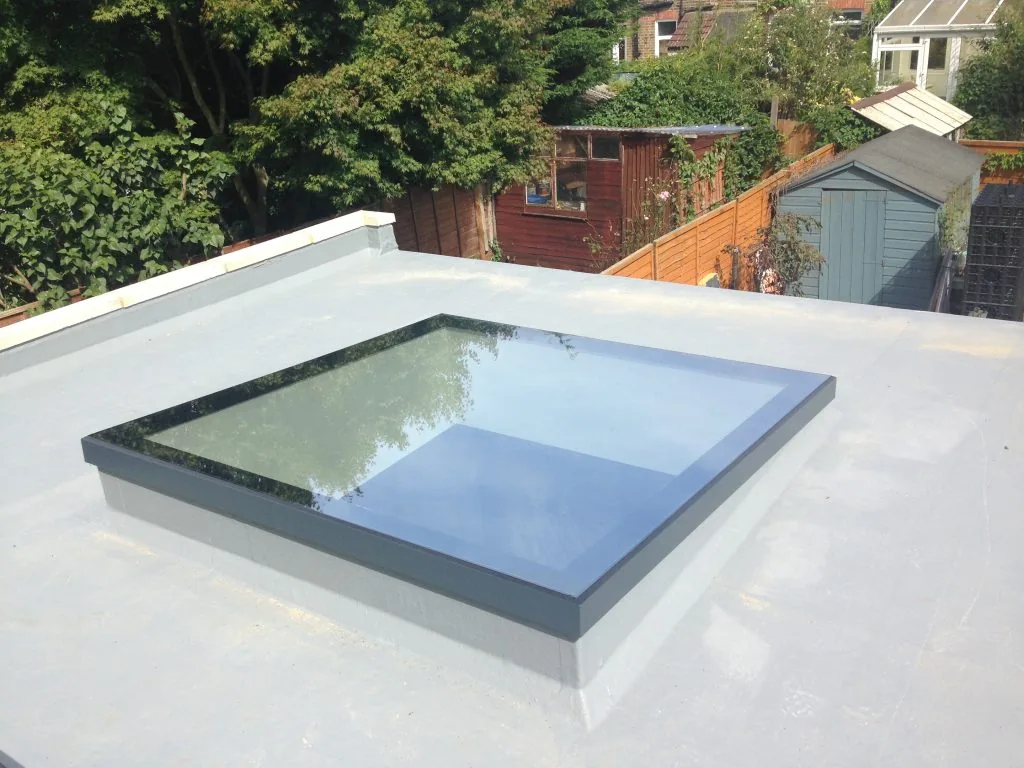
We clean the substrate, remove loose material and test the surface before we lay anything. Then we turn the flashing up to the right height, terminate it under a cap or bar and seal the top edge. Where curbs or skylights are involved, the full detail is done as skylight and penetration flashing repair, from the turn-up to the cap. A rooftop equipment curb that has settled may need to be reset before the flashing can be trusted.
When to do it: February, not April
Do flashing in the dry, cool months. Adhesives and sealants cure well in a moderate temperature range. Spring is Hoover's storm season, with a second season in November and early December. A tie-in that opens in a March storm is repaired under pressure.
A February walk costs less. It finds cracks while crews have open dates, and the repair can be scheduled around the building's quiet hours. For a failure that has already leaked, a commercial roof leak repair stops the water first. Pair it with a membrane puncture repair if foot traffic near the curb has cut the sheet.
More on Flashing Failure Repair
The record: number every detail
Each repaired detail gets a number on the roof plan. The record lists its type, its height, its material and the date. Photos show the substrate before and the finish after.
That record answers hard questions later. Which curb leaked in April? Who reflashed it? What was used? A manager who changes jobs hands over a plan, not a memory. A warranty reviewer sees the details were handled to the product's requirements. And the next walk starts from known items, so a changed detail stands out. We also list tie-ins that passed inspection, with a re-check date, so the budget year shows what is still sound.
Where it shows up: office parks and retail
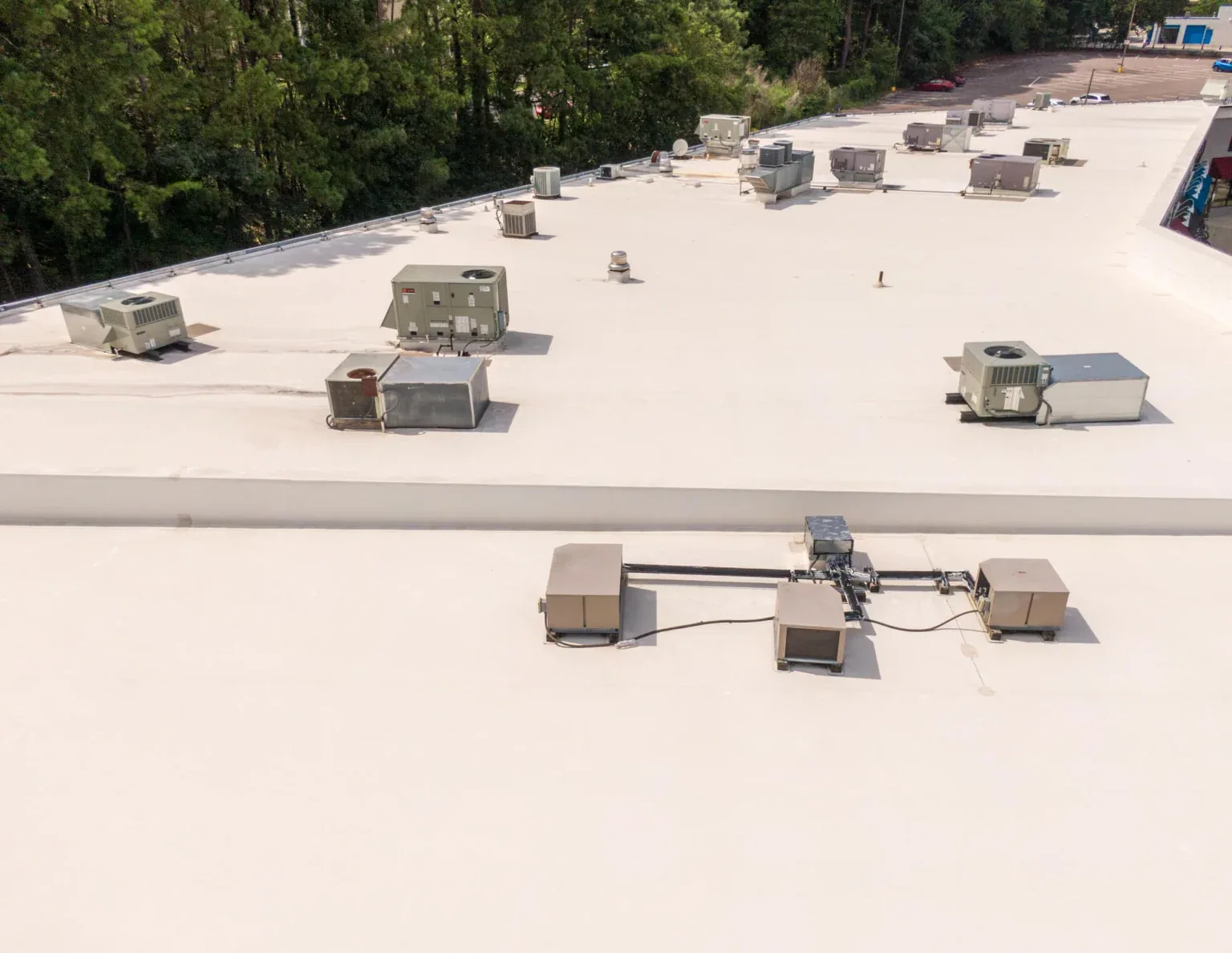
Riverchase Office Park holds many large corporate tenants, and the Galleria on Highway 31 mixes shopping, hotel and office space. Roofs on office and retail buildings like these often carry rooftop equipment, and every unit is a tie-in. Each roof is counted detail by detail on the walk. In Riverchase and along the Highway 150 corridor, the walk looks the same: curbs first, then walls, then pipes.
The code in force is the 2021 International Building Code, effective in Alabama since July 1, 2022 and extended with 2024 provisions in March 2025. A larger flashing rebuild may fall under it. We confirm the permit path before the work starts and put the answer in the scope. A seam failure repair often goes with a flashing job, because a moving tie-in strains the seams beside it.
Commercial Roofing Questions
How do I tell if a leak is the flashing or the membrane?
Check where the stain sits. A stain under a curb, wall or pipe points to flashing. A stain under open field points to a seam or puncture. We recommend a hose test or a roof walk to confirm. We trace the leak before we price, so you pay for the right repair.
Is sealant enough to fix a failed flashing?
Only for a small gap in sound material. Sealant over a split or shrunken flashing lasts a short time. We recommend rebuilding the detail when the material is brittle or pulled away. We tell you which case you have and what each choice costs.
How often should flashing be checked?
Twice a year works for most buildings: late winter before storm season, and early fall before the November round. After any major storm, a short check is worth the visit. The records show whether a detail is changing.
Can flashing be repaired while the building is occupied?
Yes. Flashing repairs are small and quick, and most happen on the roof without touching the interior. We confirm access and the quiet hours with the building contact first, and we close each area before we leave.
What if the same curb keeps leaking?
The curb itself may have settled, rusted or been cut too many times. We recommend resetting or replacing the curb, not adding another coat of sealant. We measure its height and check the slope around it before we price the fix.
Related Roofing Work
Skylight and Penetration Flashing
Rooftop Equipment Curbs and Supports
Commercial Roof Leak Repair
Membrane Puncture Repair
Emergency Leak Calls
Call for a storm walk or budget review
Call before spring storm season. The walk marks every tie-in, tells you which can wait and which cannot, and gives you a price on each side of the line.