
Carlisle SynTec
Carlisle SynTec Roofing Systems in Hoover, AL
Carlisle SynTec is a single-ply roofing maker. Its commercial systems cover three sheet types: EPDM rubber, TPO and PVC. If your Hoover roof is one of these, repair depends on the sheet. Rubber is spliced with tape or adhesive. TPO and PVC are welded with hot air. Mix them up and the patch fails. So we identify the sheet before we quote anything. It takes a probe, a camera and a few minutes at a seam.
Then we put a price on each item. You pick what goes this quarter and what waits a budget year.
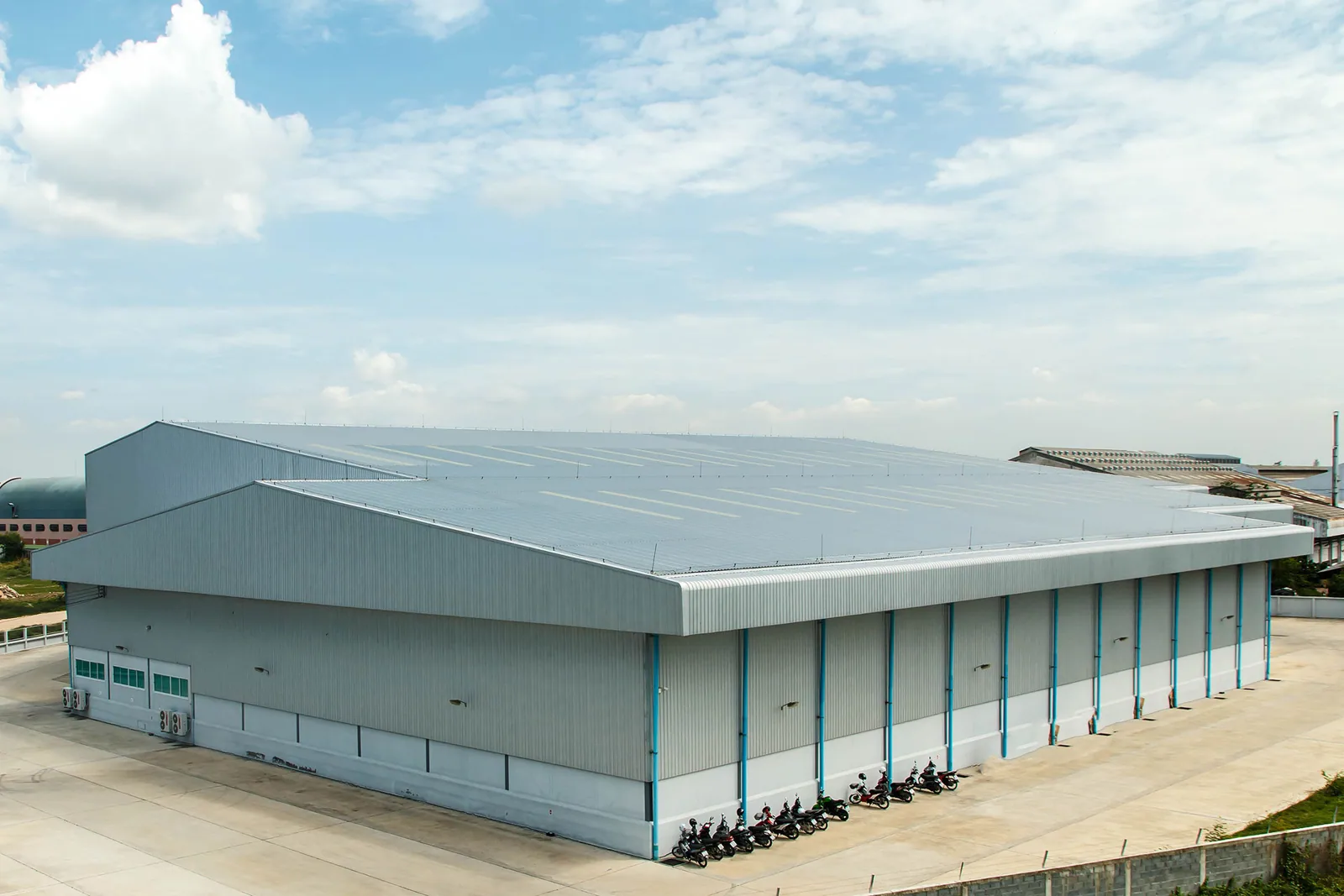
Three sheets: how to tell them apart
Look at the seam and the surface. Rubber sheets are black or white-faced and feel flexible. Their seams are taped or glued. TPO sheets are usually white or light gray, and seams show a welded edge. PVC sheets are similar to TPO but often feel softer and weld with a glossy bead.
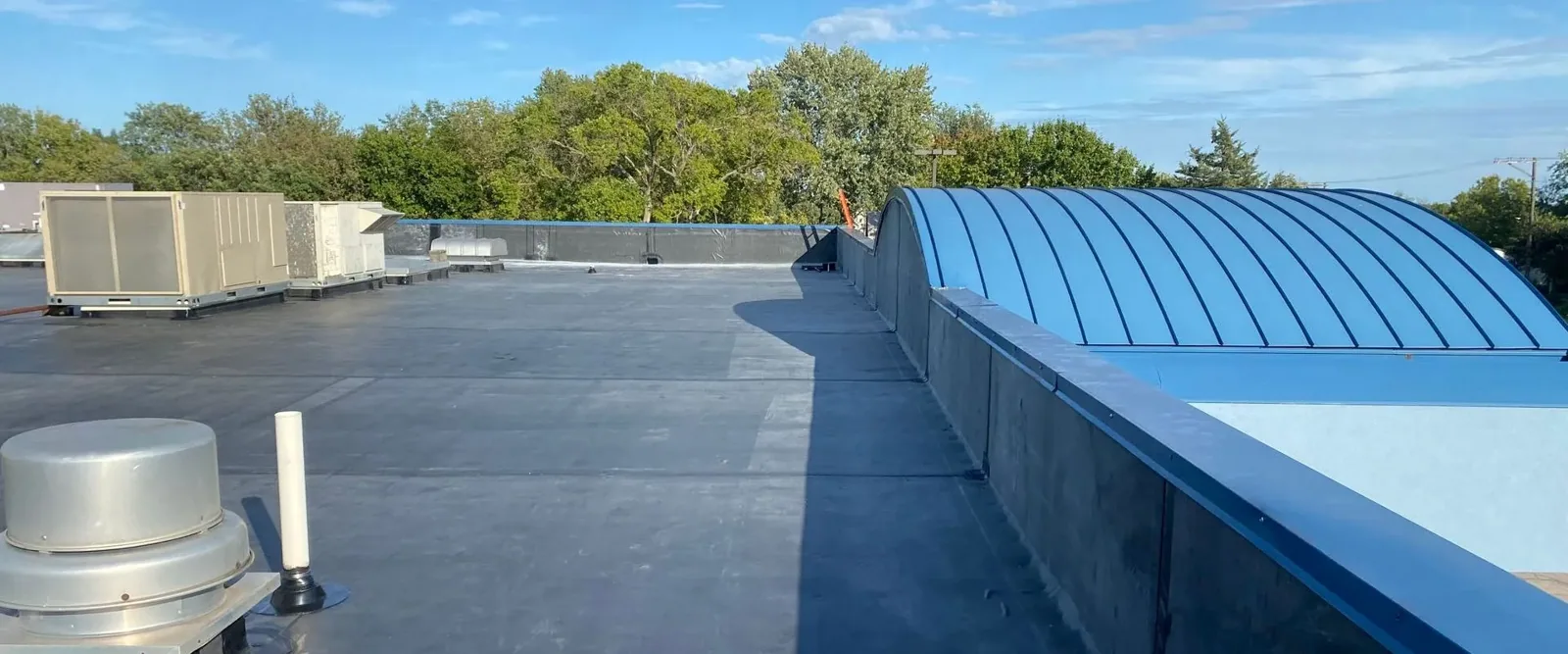
- EPDM: seam tape lines, black rubber, wide sheets with few seams.
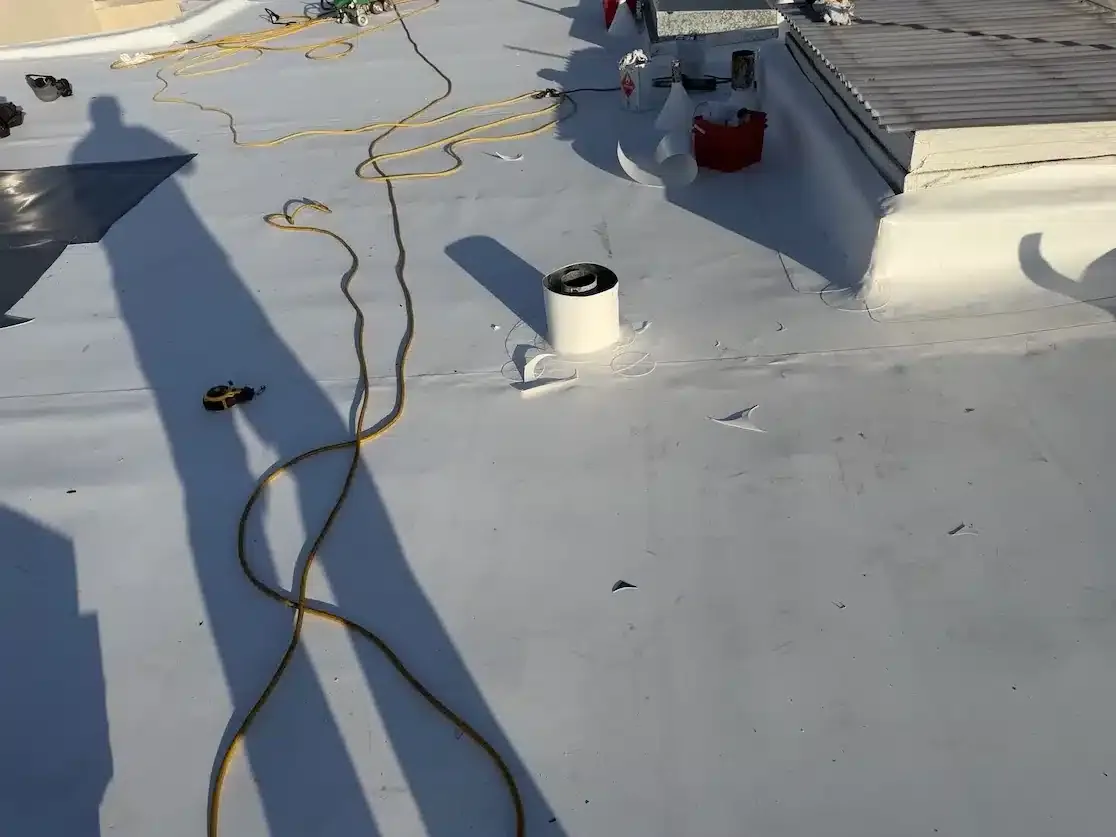
- TPO: welded seams, light surface, common on large retail and office roofs.
- PVC: welded seams, strong chemical resistance, common near kitchen exhaust.
A core cut or a small test weld confirms the answer. Each sheet follows its own rules, whether EPDM, TPO or PVC. The point is simple: repair the sheet you have, not the one you assume.
Installation: adhered, fastened or ballasted
Single-ply sheets go down three ways. Fully adhered sheets are glued to the substrate. Mechanically attached sheets are fastened along the seams. Ballasted sheets are held by stone or pavers. Each has a place.
Adhered sheets look clean and resist wind well on a sound deck. Fastened sheets install fast and cost less on large roofs. Ballasted roofs cost less in materials but need a deck that carries the weight. We check the deck first. We also check wind needs at corners and edges, since this region sees damaging storms. Extra fasteners or adhesive go in the perimeter zones. That is a small line item. It buys a lot of resistance when a storm arrives.
Insulation sits under the sheet, and it matters too. Rigid boards are fastened or adhered to the deck. A cover board over them resists punctures and spreads foot loads. Roofs with heavy rooftop traffic benefit most. We list the insulation type and thickness in the file. The state follows ASHRAE 90.1-2013 for commercial energy, so a full replacement can call for thicker insulation than the old roof carried. We check the local rule before we price.
Seams: where single-ply roofs fail first
The field of a single-ply roof rarely fails first. The seams do. A welded seam can open when the weld was cool or dirty. A taped seam can open when the surface was damp. Heat movement then works at the weak spot. Layered asphalt-based roofs fail differently, with blisters and ridges instead of open laps.
We probe every lap on a repair walk. A thin probe slides under an open seam. We mark each opening with a number. Repair is a new weld, a new splice or a cover strip. Rubber needs primer and a pressed splice. TPO and PVC need clean, hot, pressed welds. We test the weld after it cools. Open seams near drains and walls get first attention, because water collects there.
Fastener back-out is the other seam killer. In a fastened system, a screw that lifts pushes its plate against the sheet. The sheet wears and the seam opens above it. We reset or replace loose fasteners, then weld over the area. A roof that sheds fasteners across a section is telling you something. Plan a section replacement and price it against the repair. That is the repair-or-replace line, and we draw it on your roof plan.
Heat and storms: what Hoover asks of a sheet
Long hot summers matter. The sheet expands in the afternoon and contracts at night. Over summers, shrinkage pulls at walls and curbs. Flashings open. Sealant cracks. Heat and UV damage repair targets those joints early.
Storms add a second load. Tornadoes hit the Birmingham area in 1977, 1998 and 2011. Severe weather peaks in spring and again in November. Wind lifts edges, and flying debris punctures sheets. After a storm we walk the perimeter first, then the field. Each puncture gets a patch, a photo and a plan number.
Where these sheets show up: strip centers and office roofs
Large retail and office roofs often use single-ply sheets. The long, flat fields suit them. Along Highway 31, in Riverchase and along US 280 through Inverness, a roof has many curbs and units. Each is a seam and a flashing to maintain.
That is the cost story. A roof with few penetrations costs less to keep than one with dozens. We count the penetrations in the first walk. Then we tell you what yearly maintenance will cost, in the same format as the repair list, and what a replacement section will cost when the time comes. The numbers go on one page, with a date beside each.
More on Carlisle SynTec
Warranty and records: keep the paper
Single-ply systems often carry a maker's warranty. Terms differ. Read yours before any repair. A repair that skips a required detail can cost you coverage on a whole section. Ask three questions. Who must do repairs? How fast must you give notice? What maintenance is required?
We follow the terms and record every repair. If a second building carries a Versico system, we keep one file per roof. A file with photos, plan numbers and dates is what wins a claim. It also helps at sale, when a buyer asks for the roof history.
Commercial Roofing Questions
Can you repair a Carlisle SynTec roof?
Yes. We identify the sheet, EPDM, TPO or PVC, and repair it with the matching method. Rubber gets primer and a spliced patch. TPO and PVC get welded patches. If your warranty names an approved crew for repairs, we say so before work starts, and you choose. Call for a storm walk and we will number every seam on the plan.
Why do single-ply seams open after a hot summer?
Heat cycles stress every seam. The sheet grows in the afternoon and shrinks at night. A weak weld or a damp splice gives first. Shrinkage at walls adds load. We probe seams each spring and fall, and fix openings while they are small, since an open seam near a drain lets in water fast.
Is a fully adhered roof better than a fastened one?
Not always. Adhered roofs resist wind well and look smooth, but they need a clean, dry, sound substrate. Fastened roofs cost less on big areas and install faster. We choose by the deck, the wind exposure and the budget, and we add extra attachment at the corners either way.
How do I know whether to patch or replace?
Check three things: moisture, seam condition and how many patches the roof already carries. Dry insulation and local damage favor a patch. Wet insulation or seams failing across the roof favor replacement. A scan and core cuts settle it. We then price both sides of the line.
Do storms void a single-ply warranty?
They can, depending on the wind limit and exclusions in the document. Read the wind clause now, not after a storm. We note the storm date, document damage and send any notice the document requires. Fast notice protects a claim.
How much does yearly maintenance save?
It saves the most on roofs with many penetrations. Cleared drains, resealed flashings and welded seam openings are small jobs. They prevent wet insulation, the largest repair line. We give a yearly price on one page, so you can compare it with the cost of a replacement section.
Related Roofing Work
EPDM Roofing
TPO Roofing
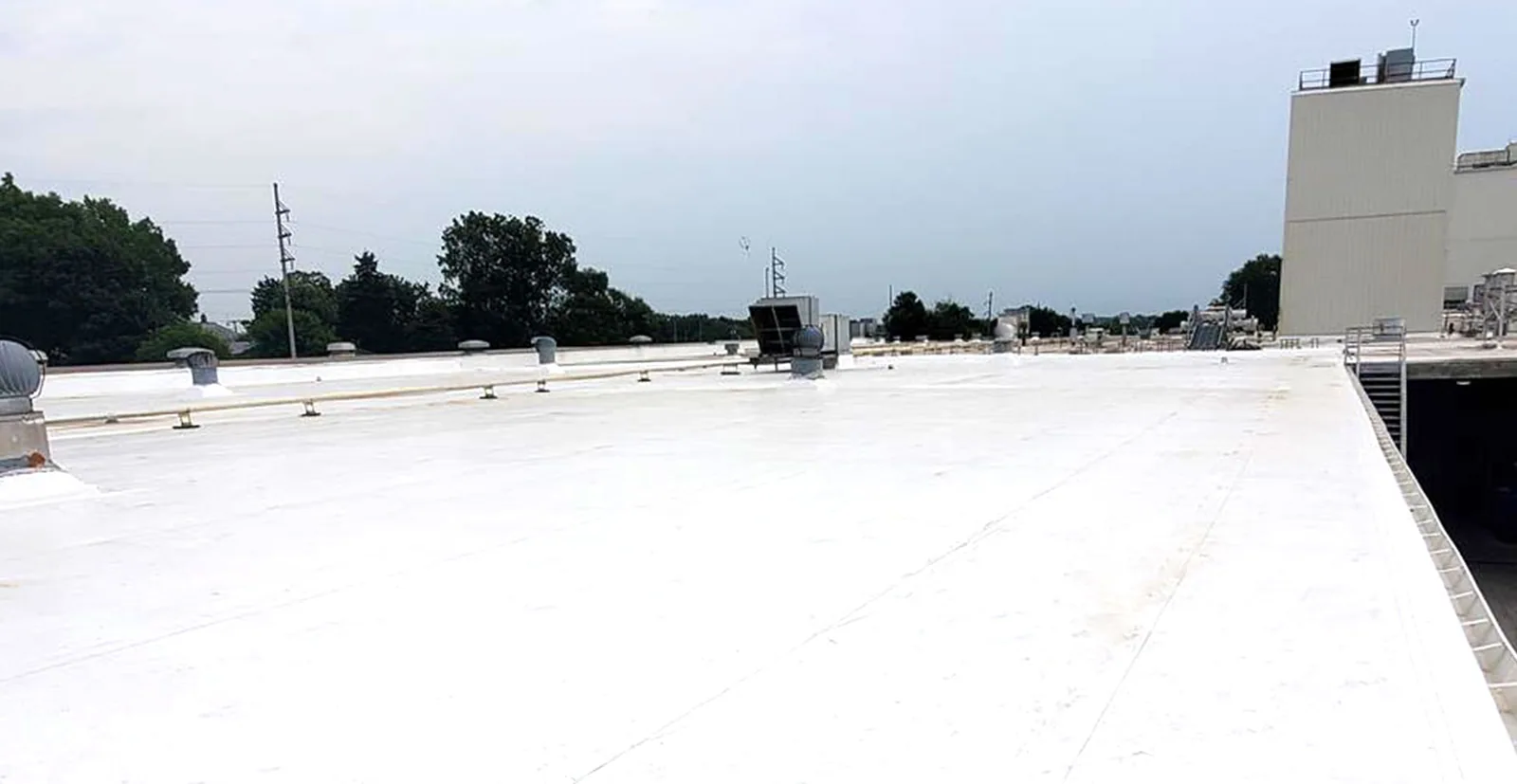
PVC Roofing
GAF
Emergency Leak Calls
Call for a seam walk and a priced list
We will probe the seams, name the sheet and put a price on each item. The visit pins down which repairs go this year and which can wait for next year's budget.