
Versico
Versico Roofing Systems in Hoover, AL
Versico makes single-ply roofing. Its commercial systems cover EPDM rubber, TPO and PVC sheets, along with insulation and accessories. On a retail strip, the sheet is often attached one of two ways. It is either glued to the substrate or fastened along the seams. That choice tells us where to look for trouble. Glued sheets fail at laps and at bubbles. Fastened sheets fail at fastener rows. We read the attachment first. Then we price the repair, line by line.
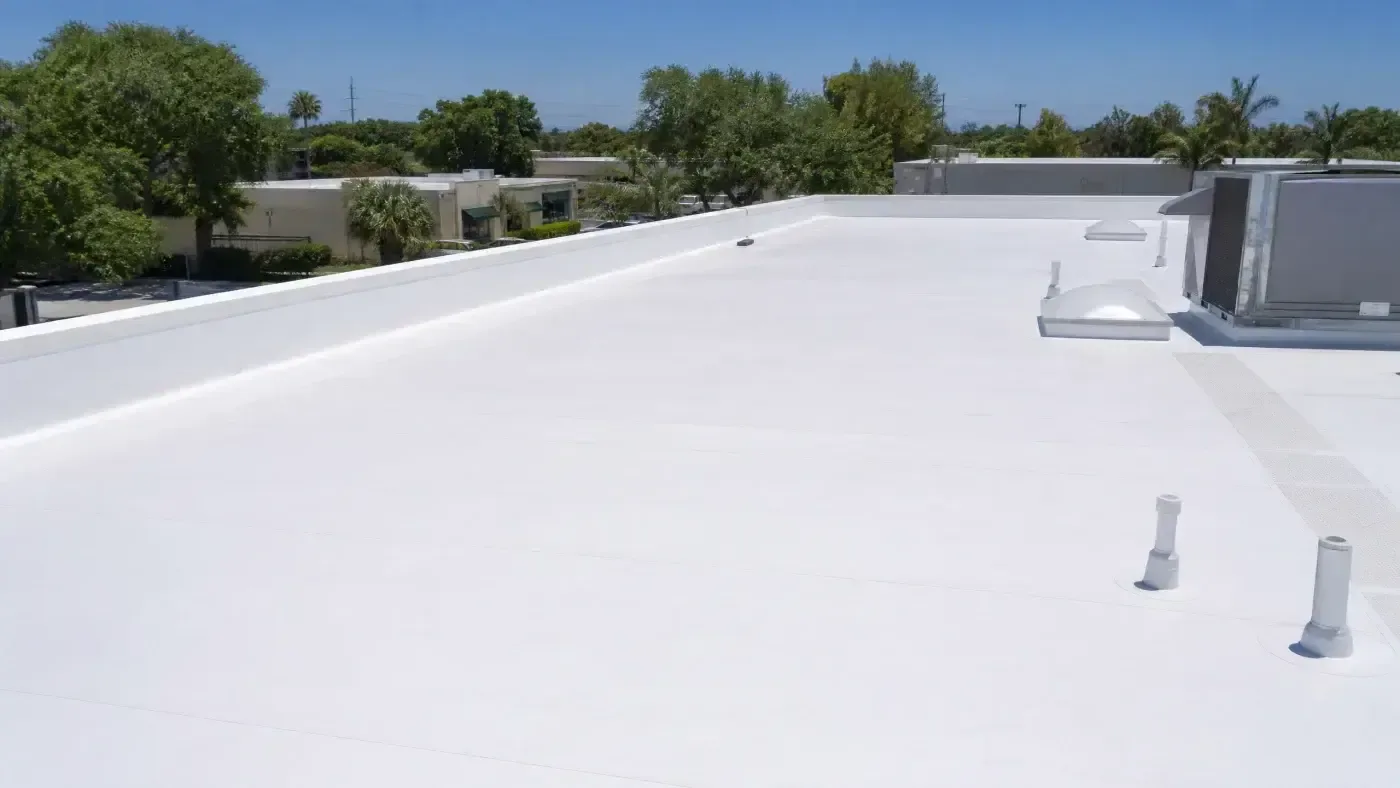
Attachment: adhered or fastened
A fully adhered sheet is glued to the substrate. It lies flat, looks clean and resists wind well when the bond is good. A mechanically attached sheet is held by fasteners and plates along its seams. It installs fast and costs less on large areas.
Each has weak points:
- Adhered: bubbles, lifted edges, adhesive failure at curbs and walls.
- Fastened: back-out, fluttering between rows, wear at plates.
Fluttering is the problem to watch. In wind, the sheet between fastener rows lifts and falls. The motion wears the sheet and loosens fasteners. A roof that flutters in every storm is worth a pull test. We pull a sample of fasteners and record the numbers. Low numbers change the scope. The sheet itself, whether TPO roofing or EPDM roofing, changes the repair method but not the attachment test.
Edges and corners: where wind starts
Wind loads the edges first. Corners take the most. Wind rules come from the state code, the 2021 IBC, which has applied since July 1, 2022. They set limits for roofs. The details differ by building height and exposure.
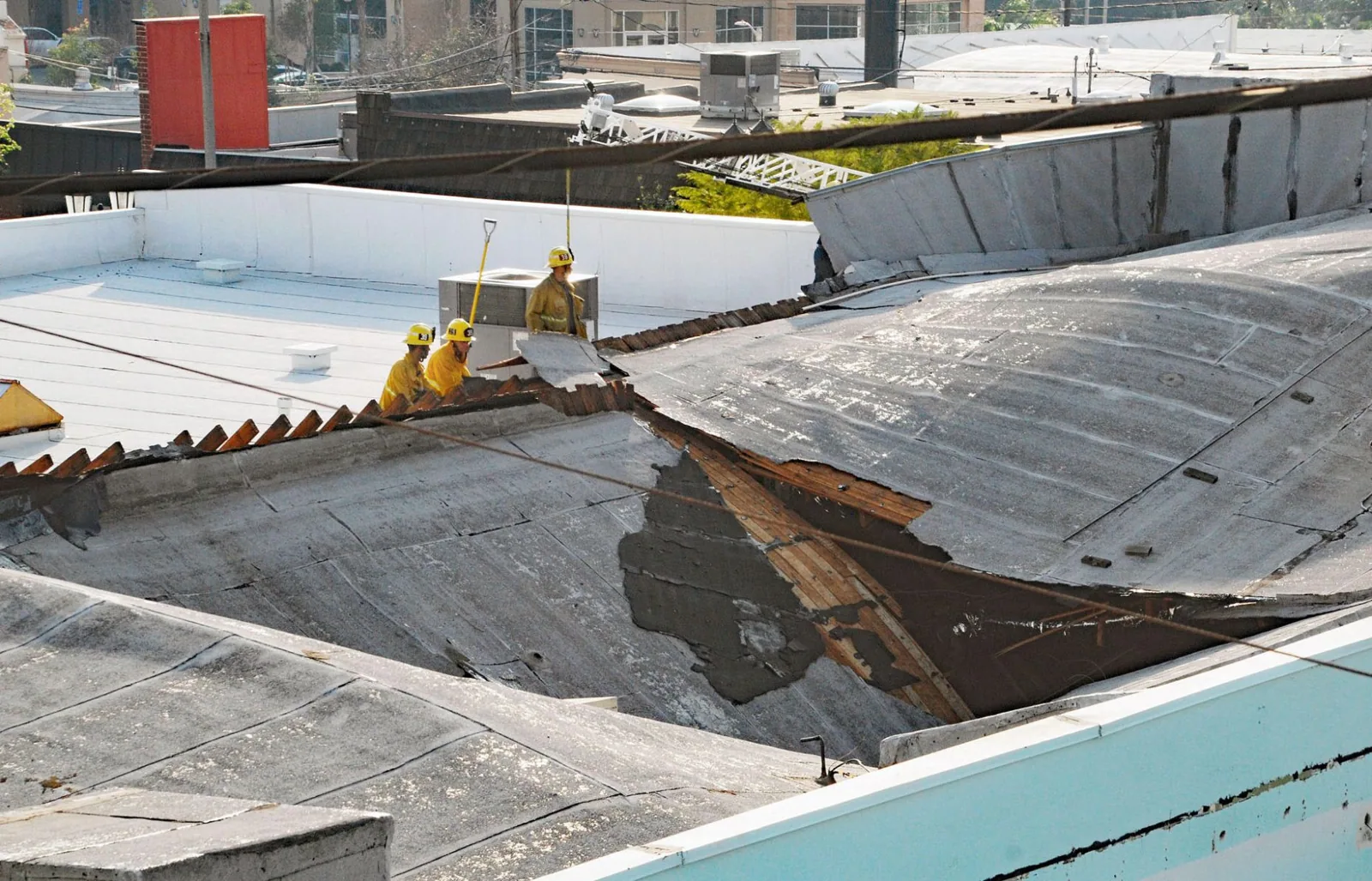
We do not guess. We check the edge metal, the cleats and the fastener rows near the perimeter. Extra fasteners or adhesive belong in the corner zones. That is a small line item. It adds resistance where it counts. Storms here can arrive fast. A wind damage repair after a storm starts at the perimeter and moves inward.
Retail corridors: Highway 150 and the Inverness side
Retail roofs carry a lot of equipment and a lot of edge. On SR 150 in Hoover sits Patton Creek, a shopping area. US 280 runs through Inverness with many restaurants and shopping centers. A roof near any of them has curbs, vents and parapets.
Each opening is a flashing. Each flashing is a place to check. A strip center with ten tenants may have ten sets of rooftop units. A shared roof also means shared repair questions. Who pays for a leak at a tenant's unit? The lease decides. We note which tenant each curb serves, so the repair bill goes to the right place. The Highway 150 corridor follows the same rule.
Repairs: matching the sheet
Rubber sheets get primed splices or tape. TPO and PVC get hot-air welds. A patch must match the sheet, or it will not hold. Aged rubber and old TPO may refuse a new bond. We run a small test first.
Common repairs on a single-ply roof:
- Weld or splice an open seam.
- Rebuild a split pipe boot.
- Patch a puncture with a round-cornered patch.
- Re-flash a curb corner.
- Replace a fastener row that has backed out.
Every repair gets a photo and a plan number. That record is what makes next year's inspection fast. It also shows a buyer or lender the roof has been kept up.
Cost: what moves the number
Price follows five things. Roof area is first. Seam length is second. The third is the number of curbs, vents and drains. Fourth comes wet insulation, found by scan and core cut, and fifth comes access: a lift, a crane or tenant hours.
A small repair list for a strip center is usually priced by item. A replacement is priced by section, with insulation and deck repair as separate lines. Deck repair is the unknown. We carry it as an allowance. If the deck is sound, the allowance stays with you.
We write prices beside each item so you can approve in steps. Some items must go now: open seams, split boots, loose edge metal. Others can wait a year: aging sealant, worn surface near drains, sound areas with age. The line between them is yours to draw. We draw the first draft.
More on Versico
Records: the file that follows the building
A roof file has four parts. The first is the roof plan with section numbers. The second is the repair log by date and number. The third is the photo set. The fourth is the paperwork: warranty, permits and invoices.
We keep the first three. You keep the fourth, and we copy it. When a tenant changes or a building sells, the file goes with it. A buyer wants to know three things: how old the roof is, what has been repaired, and what the next five years will cost. A clean file answers all three on two pages.
Owners with several properties along US 31, US 280 and SR 150 can keep one format across all of them. That makes comparison easy and budget meetings short.
Budget year: repair, recover or replace
Draw the repair-or-replace line with data. A roof with dry insulation and local damage gets repairs. A roof with an aged sheet but dry insulation may take a recover. A roof with wet insulation across large areas needs section replacement.
Timing matters. Repair before March, when spring storm season starts. Plan big work for winter or early spring, or for dry summer weeks. Summer heat shortens the working day in July. An owner comparing makers can price Carlisle SynTec and Holcim Elevate beside Versico before choosing. The roof's drainage and traffic matter more than the label.
Commercial Roofing Questions
How do I tell if my single-ply roof is adhered or fastened?
Look for fastener plates along the seams. A fastened roof shows rows of small plates. An adhered roof looks smooth with no visible plates. A core cut confirms it. Knowing which you have tells us where to probe. A storm walk lets us tag the attachment type on the plan.
What does fluttering mean?
The sheet between fastener rows lifts and falls in wind. The motion wears the sheet and loosens fasteners over time. We pull a sample of fasteners and record the numbers. Low readings call for more fasteners or a different attachment. A fluttering roof is worth fixing before the next spring storm season.
Who pays when a rooftop unit causes a leak?
The lease usually decides. We note which tenant each curb serves, photograph the leak entry and document the cause. That record helps landlord and tenant settle the bill. The roof is repaired in either case, so the building stays dry while the paperwork moves.
Can aged TPO be welded again?
Sometimes not. Aged TPO may refuse a new weld because the surface has changed. We run a test weld on a small area. If it holds, we proceed. If it fails, we recommend a cover strip, a section replacement or a recover, and we price each option.
Should I add fasteners at the corners?
On a fastened roof, usually yes. Corners take the highest wind load. Extra fasteners or adhesive there are a small cost compared with a lifted sheet. We check the existing pattern, pull test a sample and recommend an upgrade if the numbers are low.
When should repairs be done each year?
Before March, and again in fall. A February walk finds open seams, split boots and loose edge metal. A fall walk clears drains and checks flashings before the November storm season. Add one more visit after a major hail or wind event.
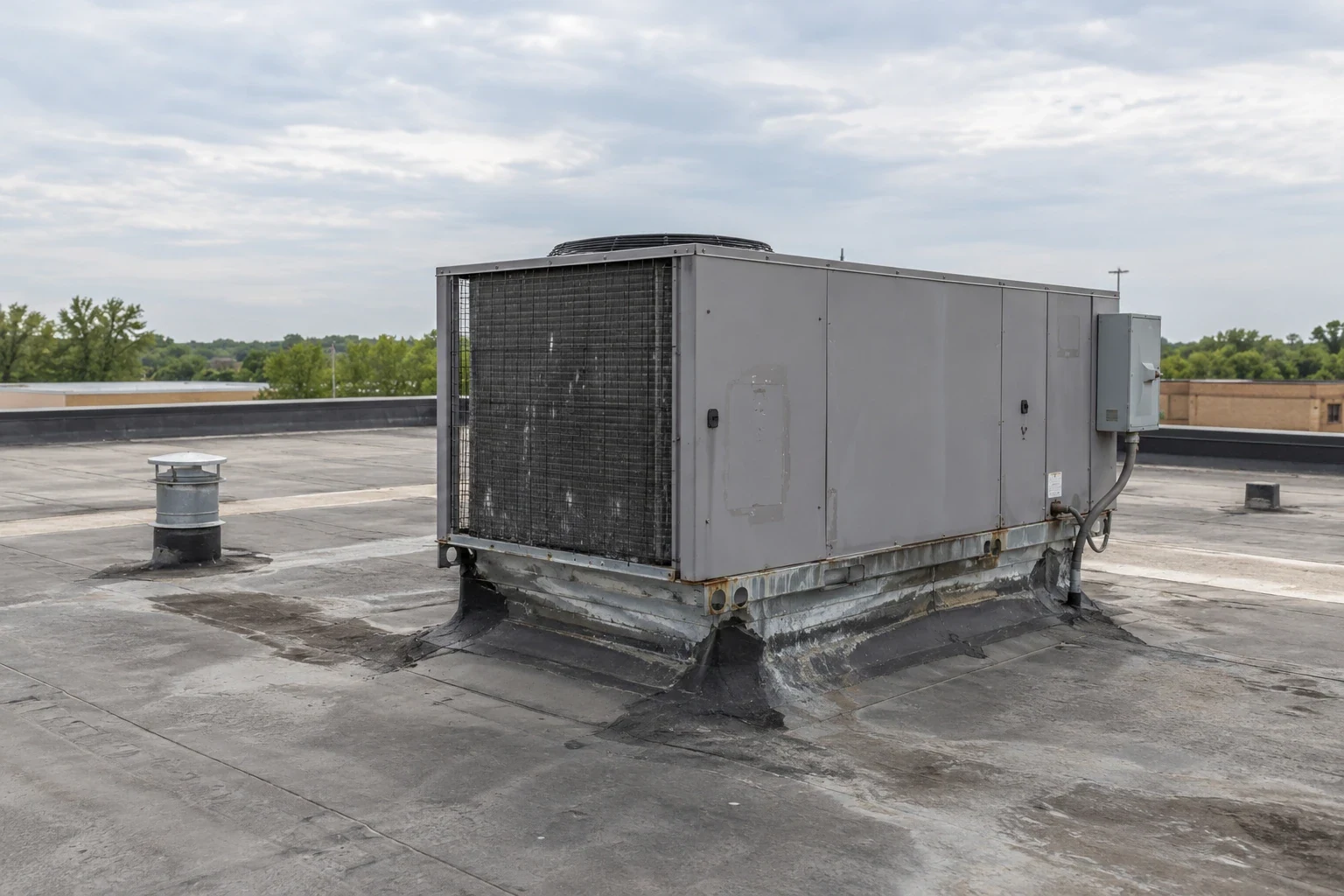
Related Roofing Work
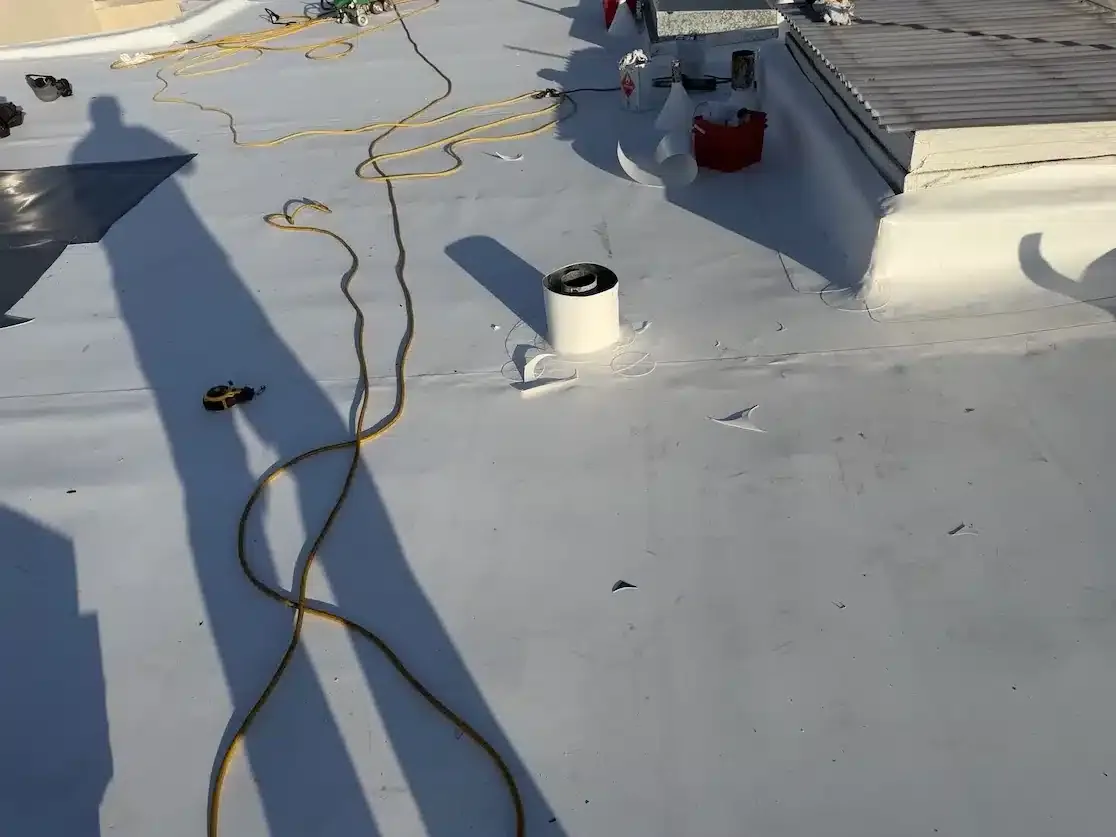
TPO Roofing
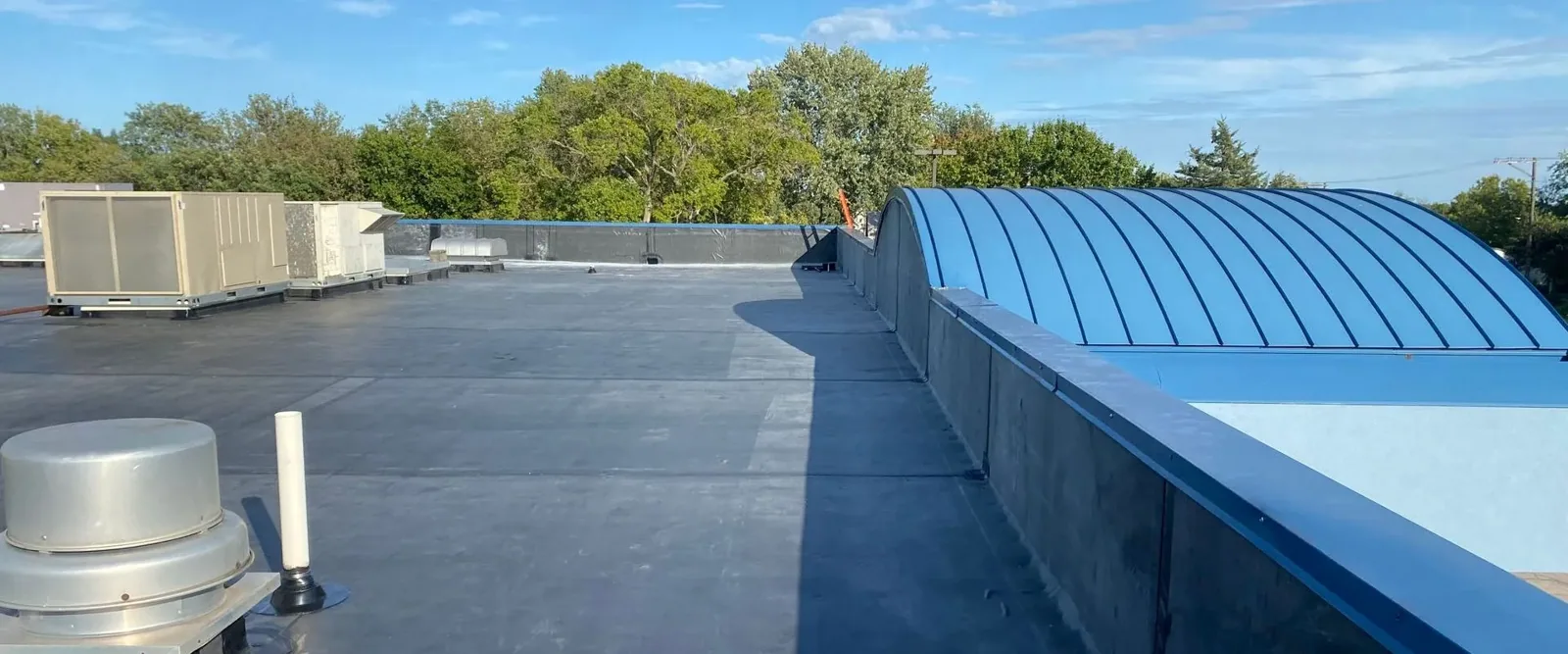
EPDM Roofing
Wind Damage Roof Repair

Inverness
Emergency Leak Calls
Call for a storm walk or a budget review
We will walk the roof, check the attachment and put a price on each item. The visit pins down your wind-readiness line and the repairs for this budget year.