
GAF
GAF Commercial Roofing Systems in Hoover, AL
A manufacturer name on a roof is a repair clue. It tells us which materials to match. GAF is a large roofing manufacturer. It makes commercial low-slope systems in two broad families: asphalt-based roofs and single-ply membranes. If your Hoover building carries a GAF roof, the first job is finding out which family you have. The repair method, the cost and the timing all follow from that. A wrong guess costs you a second repair in the fall. We walk the roof, read the membrane and match every patch to the system underneath.
We install, repair and maintain these system types the way the maker's published details describe them.
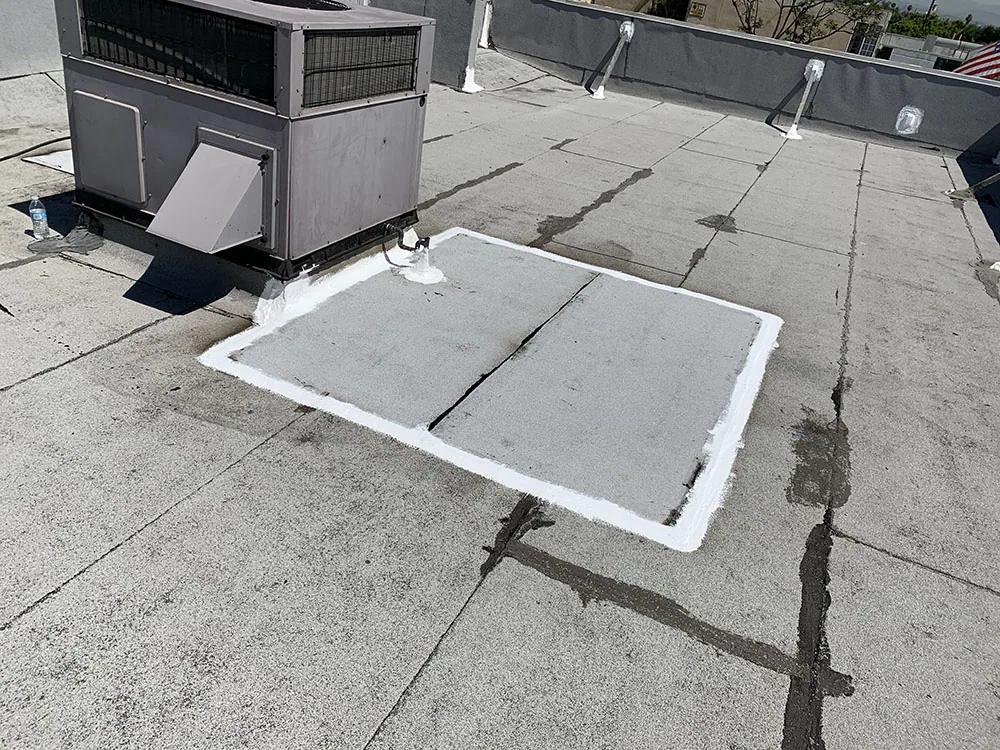
Two families: asphalt-based and single-ply
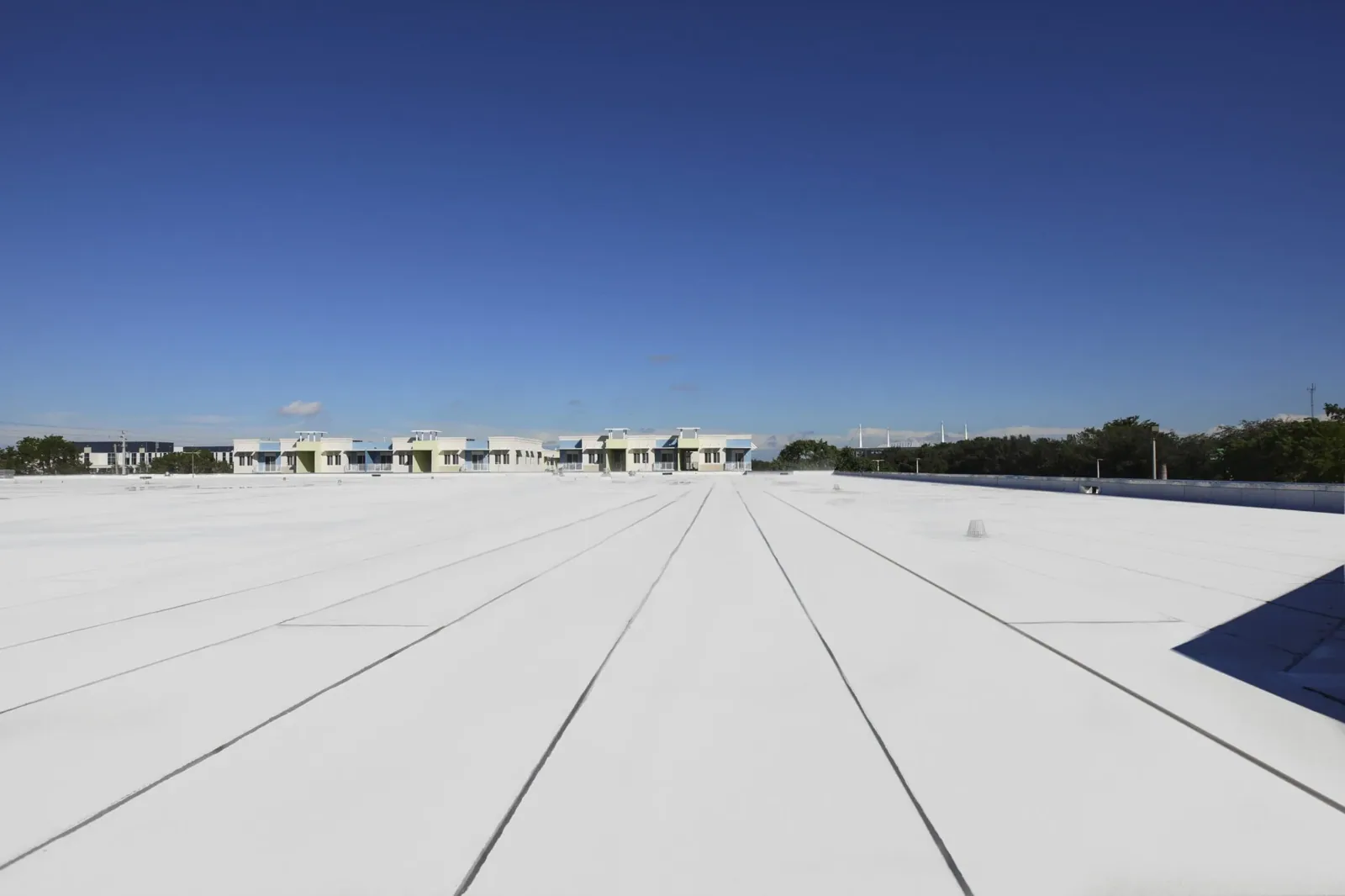
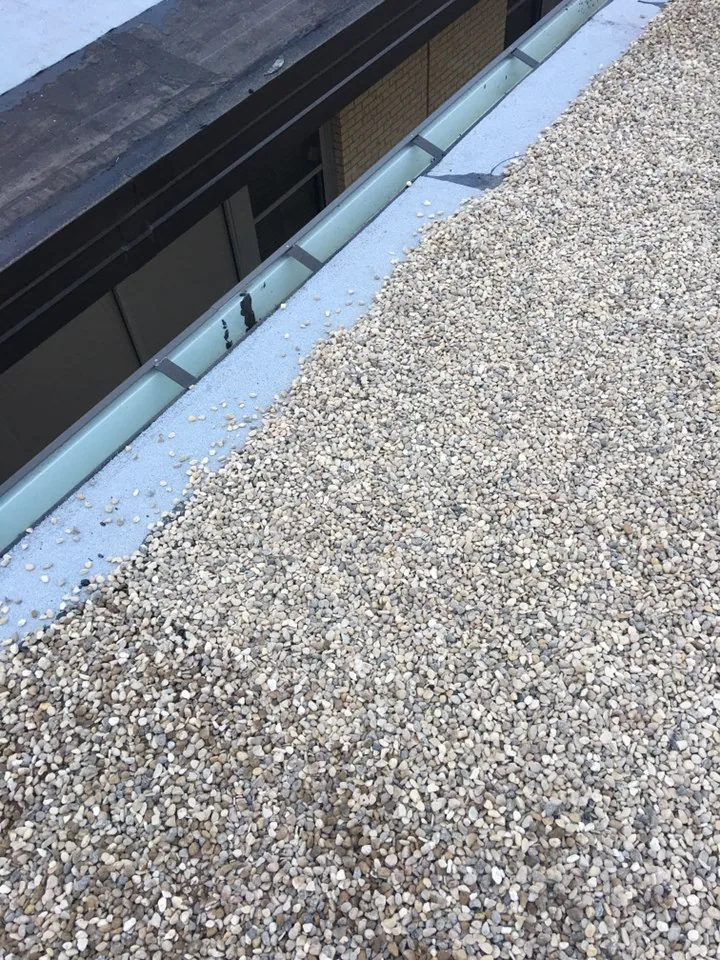
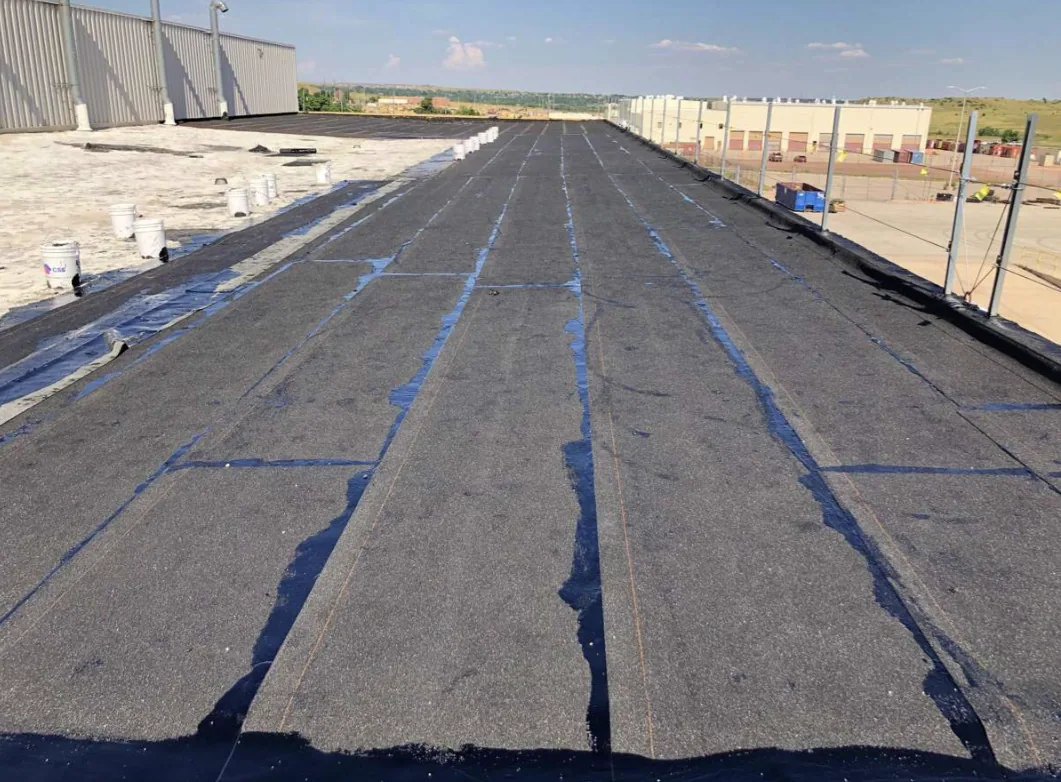
Asphalt-based roofs are built in layers. Built-up roofing stacks felts in hot or cold asphalt. Modified bitumen adds polymer sheets that are torched, mopped or self-adhered. Both give a thick, redundant surface that tolerates foot traffic well.
Single-ply roofs are one sheet. The sheet is welded or adhered at the seams. It weighs less and installs faster. Each family has its own failure signs:
- Asphalt-based: blistering, ridging at laps, cracked flashing and worn granules.
- Single-ply: open seams, shrinkage at walls, punctures and pulled fasteners.
We read these signs first. Then we decide whether a repair holds or the roof is near the end of its life. If your roof is layered, the work looks like a modified bitumen or built-up roofing repair. Layered systems from a maker such as Soprema follow the same logic, and sheet systems from Carlisle SynTec follow the single-ply rules.
Installation: how we put these systems down
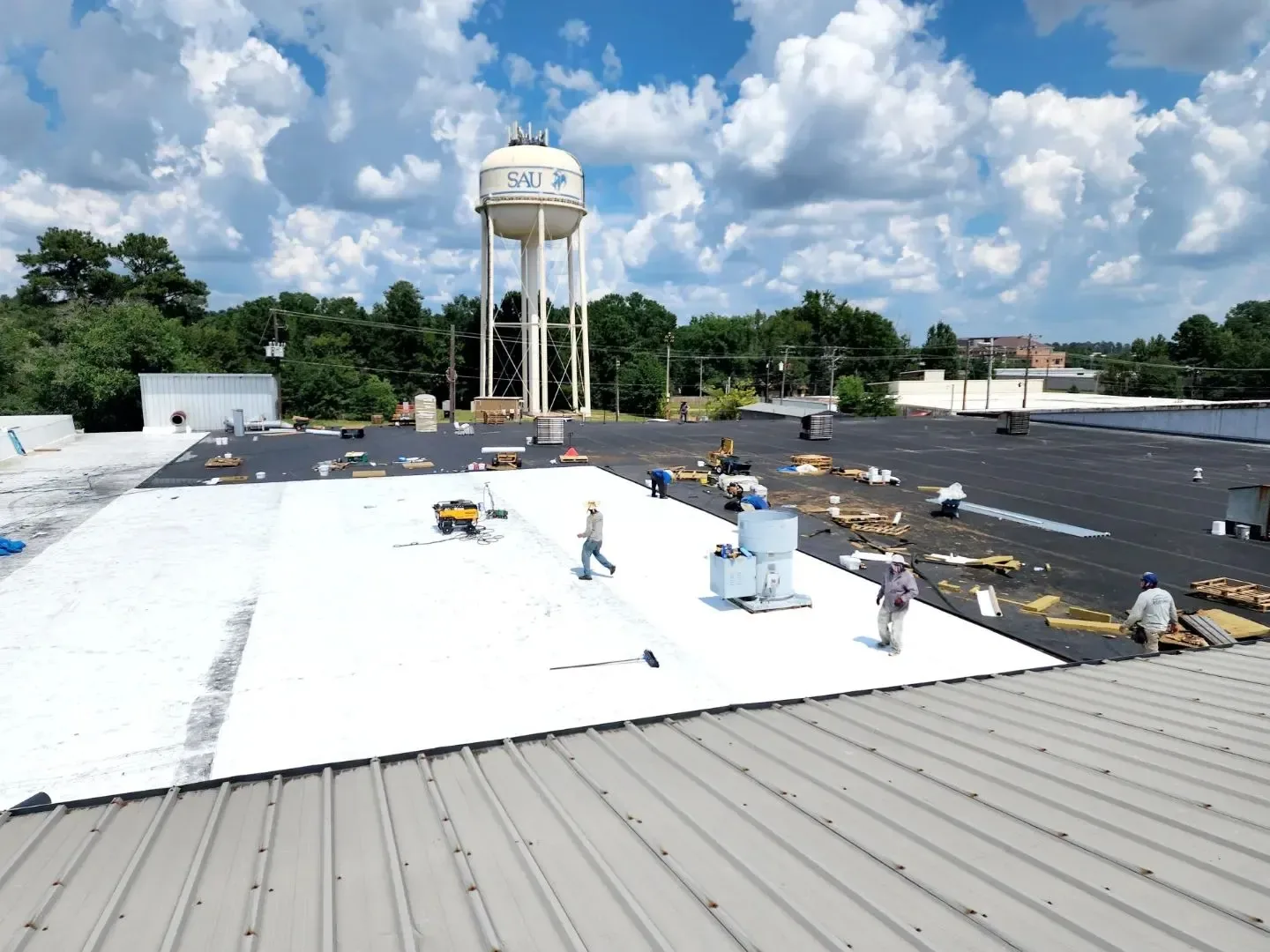
The deck comes first. We check it for rot, rust and loose panels. Then we set insulation, fasten or adhere it, and add a cover board where the system calls for one.
The membrane goes down in a planned order. Laps run with the slope. Flashings go on at every wall, curb and pipe. Seams get probed before we leave. We photograph each stage so you have a record.
Torch work needs a fire watch and a clear schedule. We plan that around tenants and around the weather. Spring storm season in Hoover narrows the window. Rain delays can interrupt spring work. A delayed tear-off leaves a deck exposed, so we stage only what can be dried in each day. So we recommend starting early in the budget year, not late.
Hail season: the check that pays for itself
Softball-size hail came down across central Alabama on April 25, 2003. Hail bruises a membrane you cannot see from the ground. Granules knock loose on asphalt roofs. Single-ply sheets can crack or bruise at the impact point.
A hail check after a big storm takes a few hours. We look for dents in metal, bare spots on granulated surfaces and soft spots when we press the sheet. Hail damage repair starts with a map of every hit. We give you a count and a price before anything is approved. That map also helps a claim, because the carrier can test each line.
Heat and humidity: the slow cost
A Birmingham summer brings some two months of 90-degree weather, in damp air. Asphalt-based roofs soften in the afternoon and harden at night. Single-ply sheets expand and shrink. Both movements pull on seams and flashings. Over a few summers, small gaps open. Water finds them in the next storm.
The slow costs are predictable. Sealant dries at counterflashing. Pipe boots split. Granules wear off at drain paths. We list these items as small repairs now. Left alone, each one becomes a leak and a ceiling. We budget them by year so you pick the line:
- Fix this winter: open seams, split boots, loose counterflashing.
- Fix within a year: worn surface near drains, aging sealant lines.
- Watch: sound areas with age but no defects.
Warranty: read the paper before the repair
A manufacturer warranty is a contract. It has terms. Notice periods, approved repair methods and maintenance duties are common. A repair done the wrong way can cost you coverage on the rest of the roof.
We ask for the warranty before we touch the roof. If it exists, we repair to its terms and record the work. If it does not exist, we write a condition file instead. Either way, you get dated photos and a plan with numbers. For owners with several buildings, a warranty management file keeps the paper in one place.
Roofs near the Galleria side of Riverchase and along Highway 31 get the same treatment. Photographs go into the file the same week. Material changes with the system. The method stays the same: read, match, record.
More on GAF
Recommendation: repair, recover or replace
Use the repair-or-replace line. If the insulation is dry and the damage is local, repair. If the sheet is old but the insulation is dry, a recover may fit. If the insulation is wet across large areas, replace the section or the roof.
We test before we quote. A moisture scan and a few core cuts settle it. Then we price each option on one page. You see the cost of acting now and the cost of waiting a year. Choosing by budget year is a fair way to decide, as long as the numbers are on the table.
Commercial Roofing Questions
How do I find out which GAF system is on my roof?
Start with the closeout file or warranty from the last install. If it is missing, we read the roof: layers, seams, surface and flashing details show the family. A core cut confirms the build-up. We then write the system down in the roof file so the next repair starts from facts. Call for a storm walk and we will mark it on the plan.
Can you repair a GAF roof if you are not their contractor?
Yes. A repair is a matter of matching materials and following the system's details. If your warranty requires an approved crew for repairs, we tell you before work starts. You can then decide whether to call that crew or accept the risk in writing. Either way, the repair gets photos and a plan number.
Is asphalt-based or single-ply better for Hoover weather?
Neither wins every time. Asphalt-based roofs tolerate foot traffic and small hail better. Single-ply roofs weigh less, install faster and reflect more heat. Rooftop traffic, drainage and budget decide it. We recommend by building: a roof with many units favors layers, and a large clean roof favors a sheet.
How soon after a hailstorm should the roof be checked?
Within days. Fresh damage is easier to document, and claim deadlines run from the storm date. A check takes a few hours on most roofs. We photograph every hit and give you a count and a repair price. Waiting through spring storm season can bury the evidence under new damage.
What does a recover cost compared with a tear-off?
A recover usually costs less because it skips tear-off and disposal. It is only available if the insulation is dry and firm. We test first, then quote both options. The price gap depends on roof area, layers and access, and we show it line by line.
How often should a GAF roof be inspected?
Twice a year: once before spring storm season and once in fall. Add a visit after any major hail or wind event. Each visit gets photos, a punch list and a price on every item. Keep the records, because a warranty claim depends on them.
Related Roofing Work
Modified Bitumen Roofing
Built-Up Roofing
Soprema
Carlisle SynTec
Emergency Leak Calls
Call for a storm walk or a budget review
We will walk the roof, name the system and mark every item with a price. The visit pins down your repair-or-replace line and the budget year it belongs in.