
Heat and UV Roof Damage Repair
Heat and UV Roof Damage Repair in Hoover, AL
Heat sends its bill a little at a time. Birmingham sees roughly 65 days a year at 90 degrees or above, with average relative humidity near 70 percent. A dark roof surface in that weather runs far hotter than the air. Over years, the sun and the heat break down the top layer of a membrane, dry out sealant and stretch every seam. The roof does not fail on one hot day. It runs out of margin.
That makes heat damage a budget-year question. Repair the worn spots now and the roof lasts longer. Wait and the wear becomes cracks, then leaks, then wet insulation. Call for a roof walk before spring storm season. We will mark the surface wear, tell you how much life is left and price both sides of the repair-or-replace line.
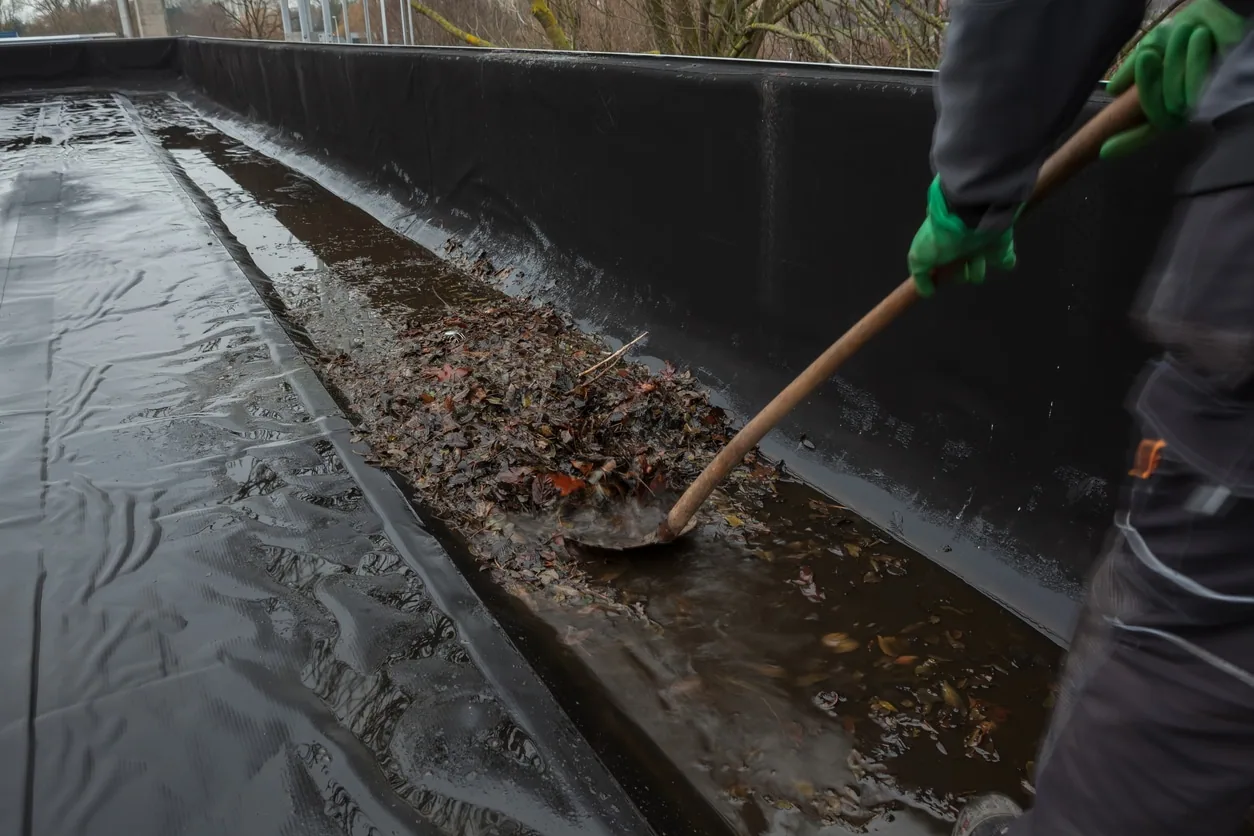
The issue: what the sun does to a membrane
Sun and heat attack the surface first. Single-ply membranes chalk, fade or craze. Modified bitumen loses granules and shows the base. Built-up roofs blister and crack. Coatings thin, peel or yellow. Sealant at flashing dries out and splits.
Heat also moves the roof. A membrane that swells in the day and shrinks at night pulls on every fixed point. Seams open. Flashing lifts. Fasteners work loose. Humid air in Hoover keeps moisture in the layers, and that moisture turns to vapor in the heat and pushes up under the surface, so blisters follow. We look at each sign and photograph it, because the pattern tells us how fast the roof is aging. A roof that is chalking evenly is wearing at a steady pace. A roof that is cracking only at one wall is moving there, and the fix is different.
What we look for on the walk
We start with the surface. Chalk on a white roof means the top layer is thinning. Hairline cracks in a coating or bitumen mean it is brittle. Missing granules at drains mean the surface is shedding. Blisters mean trapped moisture or air.
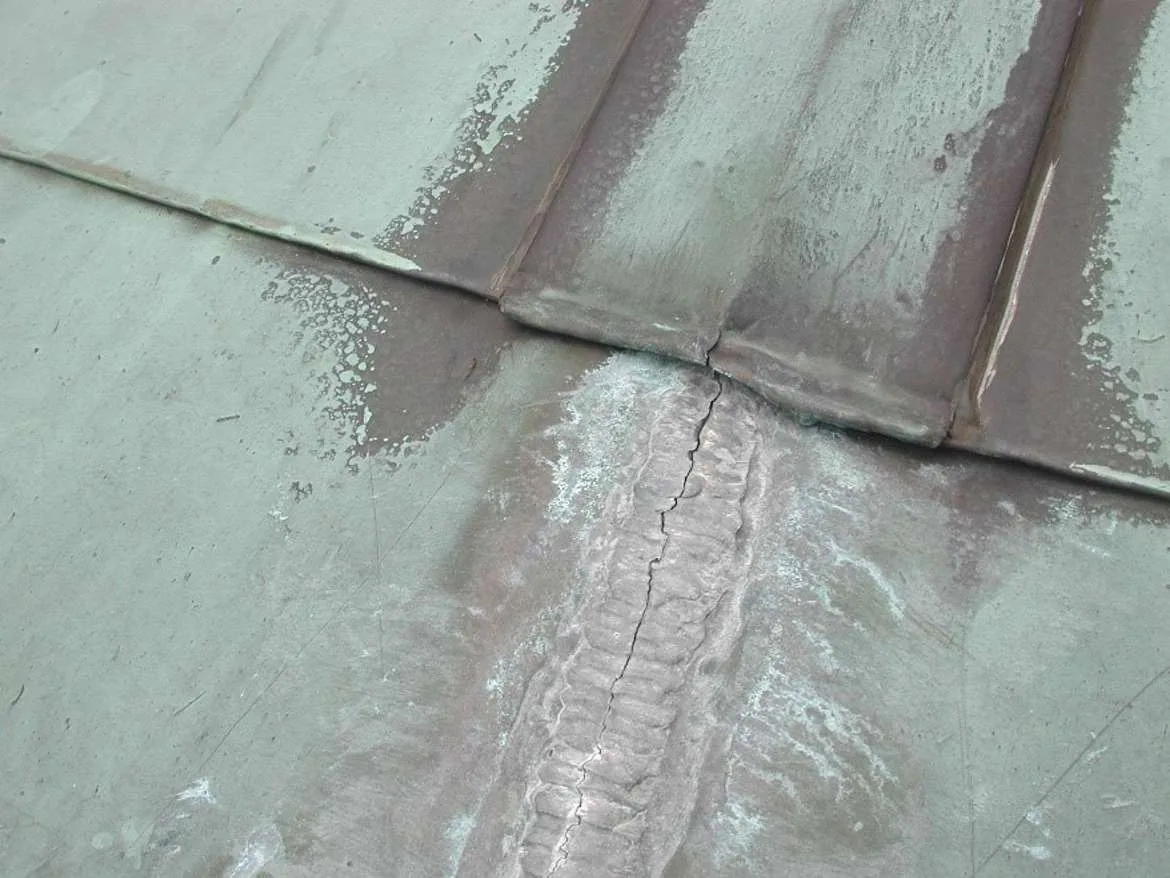
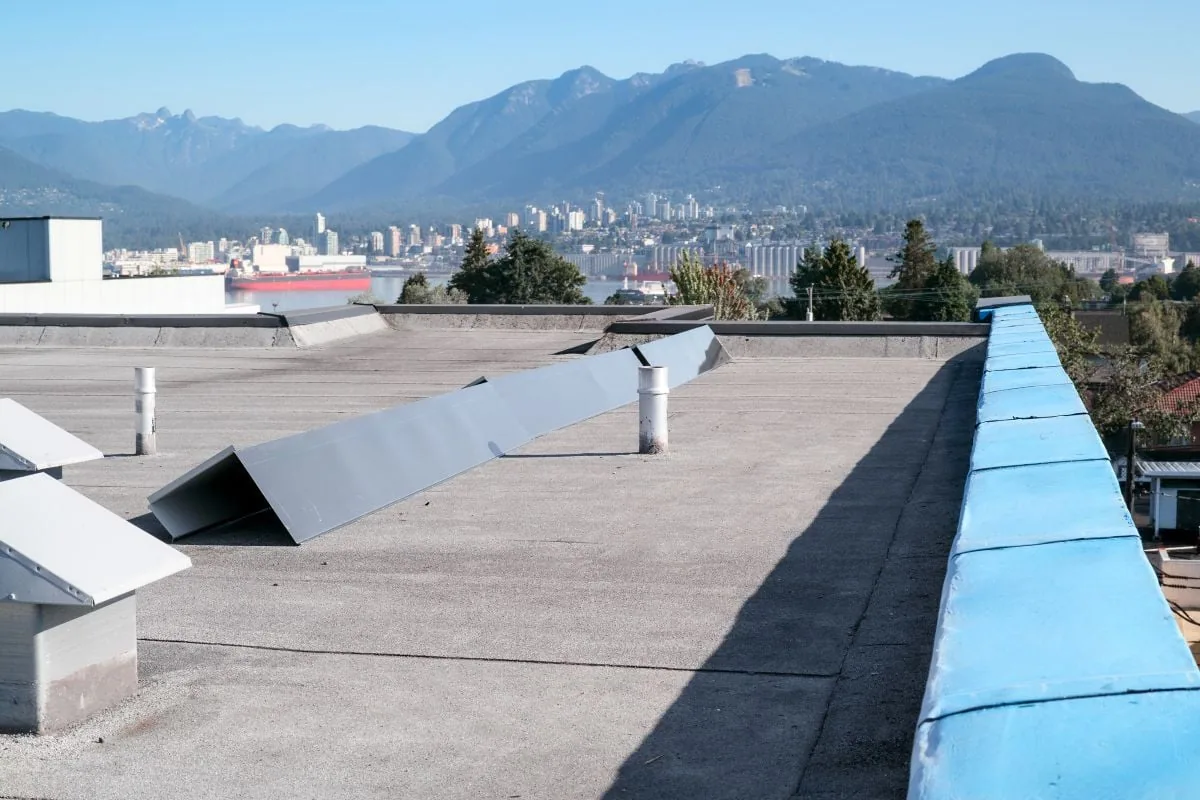
Then we press on the seams and flashing. A seam that gives under the probe, a boot with a split collar and sealant that has gone hard are all heat signs. We check the edges, where heat and wind work together. We also look under rooftop equipment, where heat is reflected back onto the membrane and the surface wears fastest. The wear line under a unit shows how hard the sun has worked on that spot, and the report records it with a photograph and a measurement. A seam failure repair or a flashing failure repair often belongs on the same list.
What it costs: surface now, section later
Heat repair has a cost ladder. The first rung is spot repair: reseal flashing, patch cracks, fix blisters. The second is a coating over a sound membrane. The third is a recover. The fourth is replacement. Each costs more and lasts longer. The right rung depends on what is under the surface.
A moisture scan comes first. If the insulation is dry and the membrane is bonded, a coating can extend the roof's life, and a roof coating restoration is worth pricing. If the insulation is wet, coating hides the problem. We give you three prices: repair, repair and coat, replace. The budget year decides which line you pick, and we write down what each choice leaves exposed.
Coatings and cool roofs: how to cut the heat
A reflective surface runs cooler. That slows wear and may reduce the heat load on the building. Silicone roof coatings and acrylic roof coatings both reflect heat, and each has strengths. We pick one from the substrate, the drainage and the expected life, not from a brochure.
A cool roof installation goes further when a roof is being replaced. A white or light membrane starts cool and stays cooler. We do not promise a savings figure. The effect varies with the roof and the building, and Alabama's commercial energy code is based on ASHRAE 90.1-2013, so a larger project may bring requirements we confirm before design.
When to do it: before the next summer
Coatings and sealants cure in a moderate temperature range, and roofs must be dry. Late winter through spring and early fall are the working seasons. Storms also make spring a busy season in Hoover, and a second round of severe thunderstorms comes in November and early December. A February walk finds heat wear while crews have open dates.
Plan the work before July. A roof that goes into summer with cracked flashing and open seams takes the worst of it. A roof repaired in March goes into summer ready. The repair is cheaper. The surprise is smaller. Do the cleaning first, since sealant and coatings need a clean, dry surface to bond, and do the seams and flashing before the coat so the finish does not cover an open defect. A preventive roof maintenance visit each late winter keeps the list short.
More on Heat and UV Roof Damage Repair
Where it shows up: dark roofs and busy roofs
Dark roofs run hottest. Roofs with many units wear fastest. Large corporate tenants fill Riverchase Office Park, and Highway 31 carries the Riverchase Galleria, a shopping, hotel and office complex. Any dark membrane carrying equipment sees more heat than a bare one. Roofs in Riverchase and Pelham get the surface under and around every unit checked, and we note each unit's age beside the wear under it.
The building code in force is the 2021 IBC, effective July 1, 2022; parts of the 2024 IBC joined it in March 2025. A recover or replacement follows it, and we confirm the permit path first. We price any insulation the code adds as its own line, so the owner sees what heat repair costs and what the code costs.
Commercial Roofing Questions
How do I know if my roof is heat damaged or just old?
The two overlap. Heat damage shows as chalk, cracks, blisters and shrunk seams, and age shows as the same signs across the whole roof. We recommend a roof walk with photographs and a moisture scan. We report what is surface wear and what has reached the insulation, and we price each.
Can a coating fix heat damage?
Yes, if the membrane is bonded and the insulation is dry. A coating does not fix a wet roof, a weak deck or an open seam that moves. We recommend repairing the seams and flashing first, then coating. We test an area before we recommend it, and we tell you what the test showed. Adhesion tests take a day and cost little next to a coat that peels.
Will a white roof save energy?
A reflective surface can lower the roof temperature and reduce the heat load, but the saving varies with the building and the roof. We do not promise a figure. We explain the tradeoffs and let you decide, and we confirm the energy code path for a larger project.
How often should I check for heat damage?
Twice a year works for most roofs: late winter before storm season, and early fall after the summer heat. The records show how fast the surface is changing, which helps you plan the budget year and decide when a coating or replacement makes sense.
What if the roof is too far gone for a coating?
Then the choice is a recover or a replacement. A recover works over dry, firm layers. Replacement removes the old roof and rebuilds. A core and a moisture scan settle it, and you see the results before we price.
Related Roofing Work
Seam Failure Repair
Flashing Failure Repair
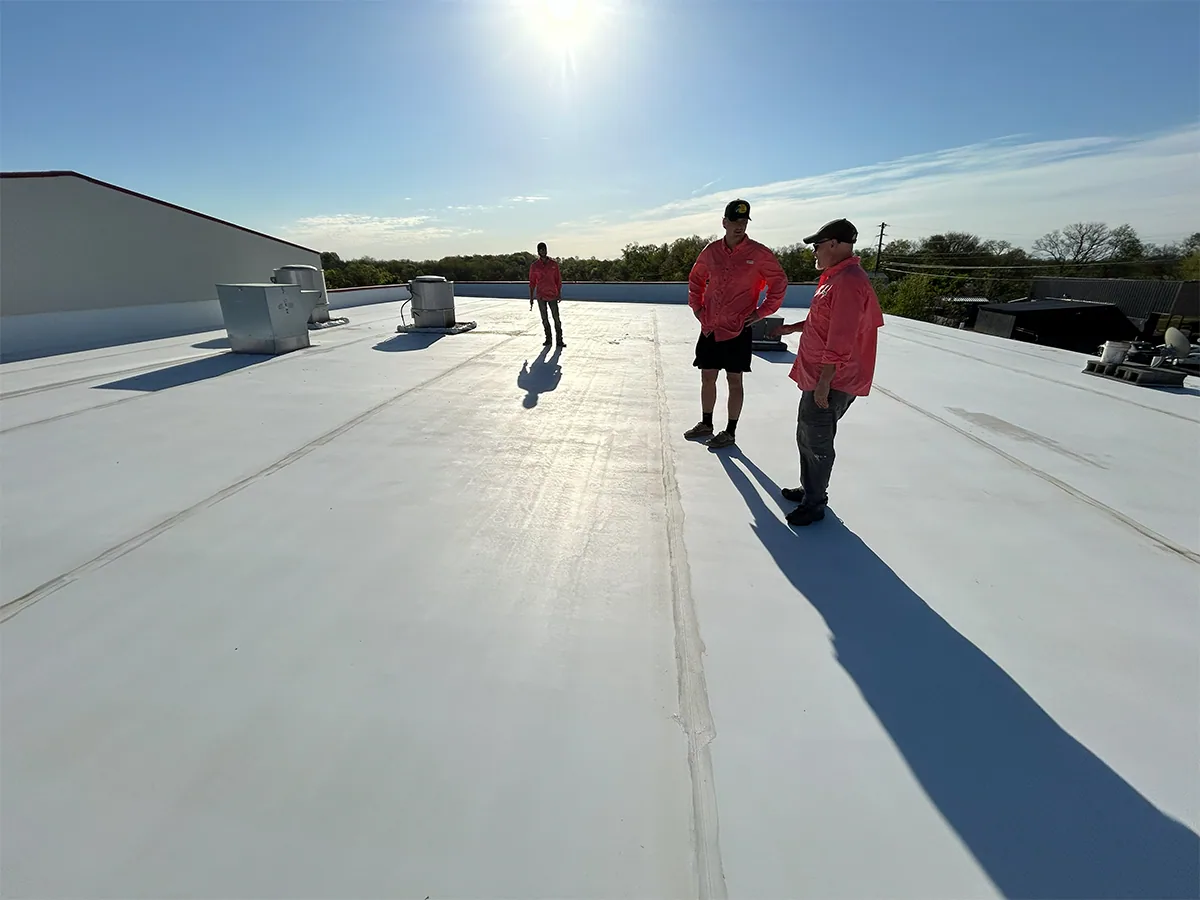
Roof Coating Restoration
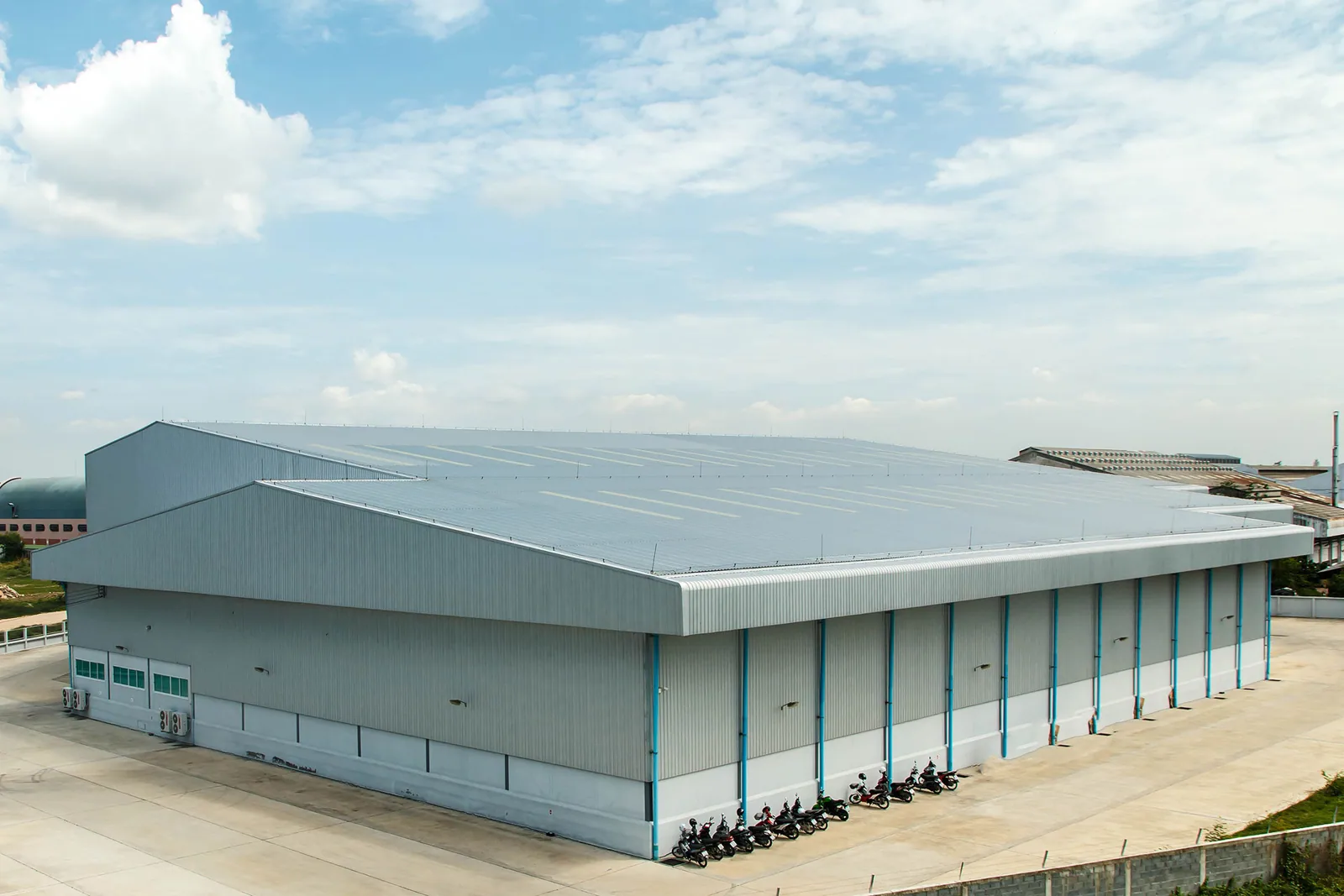
Silicone Roof Coatings
Emergency Leak Calls
Call for a storm walk or budget review
Call before summer. The walk marks heat wear, tells you how much life is left and prices a repair, a coating and a replacement so you can set the budget year.