
Roof Warranty Management
Roof Warranty Management in Hoover, AL
A warranty is a deadline with a roof attached. Miss a notice window, hire the wrong repair, skip a required inspection, and the paper may stop meaning much. Storms in Hoover, AL, follow their own calendar, with severe thunderstorms in spring and another round in November and early December; summer then brings about 65 days at 90 degrees or higher. A warranty has to hold up through all of it.
Warranty management is the habit of reading the terms, keeping the records and acting inside the deadlines. We read the warranty, build a checklist from it and match every visit and repair to it. Call for a roof walk or budget review and send the warranty if you have it. The first visit will pin down which dates and which conditions matter.
The terms: what a warranty usually asks
Terms vary by manufacturer and by product, so we read yours. Most ask for four things. Notice within a stated period after a problem. Maintenance at a stated interval. Repairs done by an approved method. No changes to the roof without written approval.
Most also exclude certain causes. Damage from ponding beyond a stated depth. Damage from foot traffic. Damage from storms past a stated wind speed. Damage from neglect. A warranty is not insurance, and it does not cover everything. It covers what its terms say, for the period its terms say, if the conditions are met. That last part is the work. We list the exclusions in plain terms so you know where the line is. If the warranty is not in hand, we help you find the manufacturer, the install date and the product so you can request a copy.
The records: what to keep
Keep five things. The warranty itself. The roof plan. Every inspection report. Every repair record with the date, the material and the method. A log of everyone who goes on the roof.
The access log is simple and often skipped. A line each time: who, when, why. It shows that service crews were controlled, and it helps trace a puncture to a visit. We keep the records for you if you want, in the same file as the roof asset management record, and update them after each visit. A warranty reviewer who sees a clean file asks fewer questions, and a missing record can stall a claim for weeks.
Inspections: the schedule that keeps it valid
Many warranties expect regular care. A visit in late winter and another in early fall suit most roofs. After a major storm, a short check is worth the visit. Each visit follows the same checklist, so changes show up.
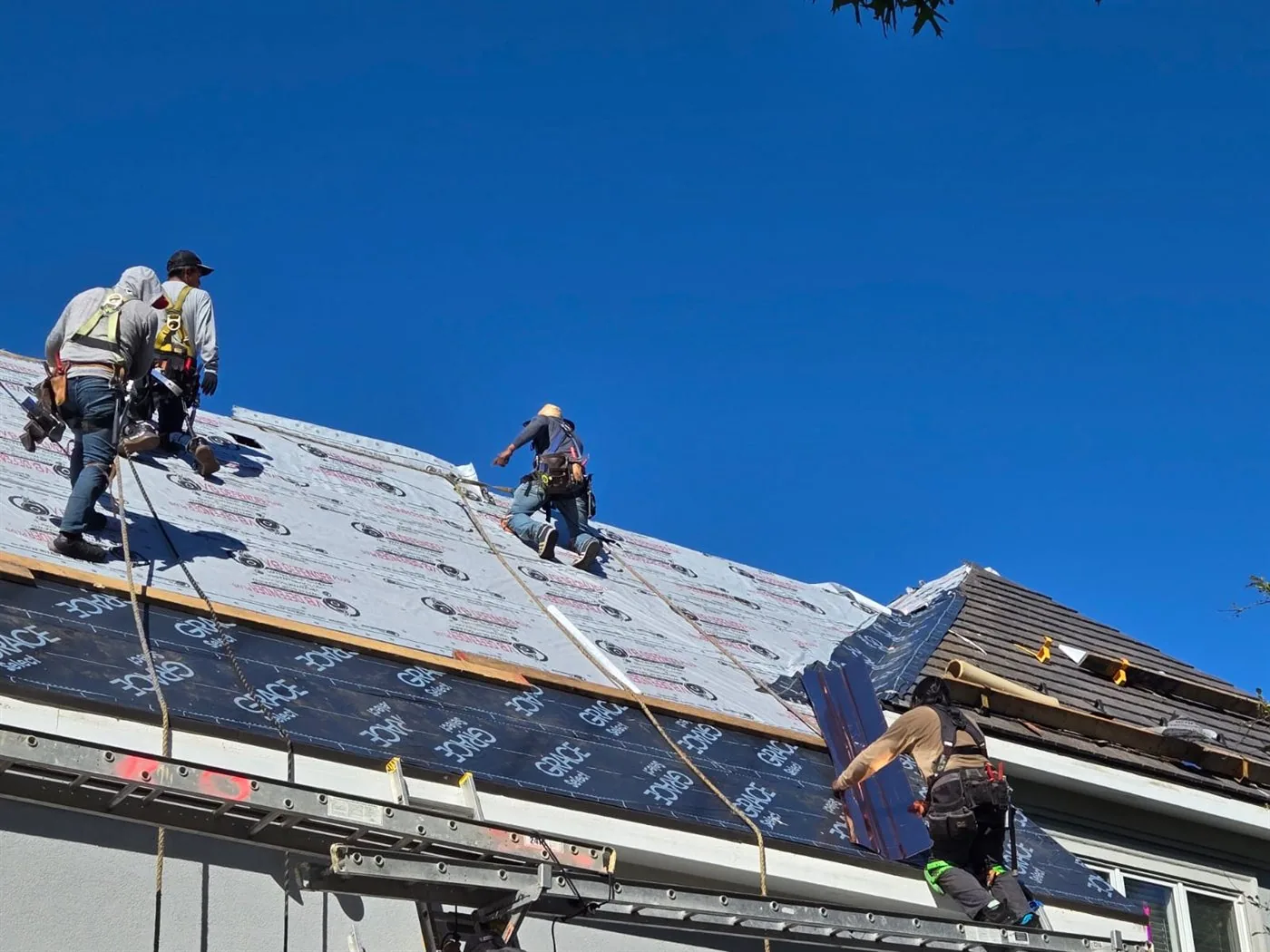
A preventive roof maintenance visit clears drains, checks seams and flashing and records the result. We photograph each finding and record what we repaired. The result is a roof condition report that doubles as the maintenance proof a manufacturer may ask for. If we find something the warranty would cover, we tell you before we repair it, so the repair does not undercut the claim. A commercial roof inspection between visits adds depth when a question comes up.
Between visits, keep the roof access log current and send us any report of a leak the day it is reported, so the warranty file shows when the problem began and what was done first.
Repairs: do them the way the warranty says
A repair that does not follow the warranty can end it. The wrong material, a wrong method, an unapproved contractor or a change to the system can all give a manufacturer a reason to deny. We read the repair requirements before we touch the roof, and we use the specified products and details.
When a repair falls outside what we can do under the terms, we say so. Some warranties require the manufacturer's own approval for a change. We contact the manufacturer on your behalf, with your permission, and we wait for the answer when the terms require it. The repair record then shows the approval. If a manufacturer representative wants to inspect, we schedule the visit, open the areas they ask to see and close them again with a patch recorded by number. Their report goes into the same file. A flashing failure repair or a seam failure repair is done to the product's details, not to a general method.
Claims: what to do when something fails
Move fast. Read the notice period, document the problem, make the roof safe and send the notice in writing. We take photographs, mark the location and write a short report on what we found and when. We do not argue the warranty's coverage. That is between you and the manufacturer. We give you the facts, dated and sorted.
If a storm caused the damage, the claim is likely an insurance one, not a warranty one, and the two must not be confused. Claim documentation handles that side of the file. We keep the two files separate and cross-reference them, so a carrier and a manufacturer each see what they need. When a roof has both a failing seam and a storm tear, we split the repair into two lines with two sets of photographs, because each claim answers to different terms.
More on Roof Warranty Management
Local: who benefits in Hoover
Owners with newer roofs have warranties worth protecting. Owners with older ones may have expired terms, and the records still matter for a buyer or a lender. Riverchase Office Park is where many large corporate tenants sit, and the Galleria is a shopping, hotel and office complex on Highway 31. An owner with a warranty should know its dates, its exclusions and its notice period, and should keep them where a new manager can find them. A buyer or lender will ask, and a clear file answers faster than a search through old emails. In Riverchase and Pelham, the first step is the paper.
Commercial Roofing Questions
What if I cannot find my warranty?
Start with the install date, the contractor and the product. We help trace the manufacturer and request a copy. We recommend doing it before a problem appears, because a notice deadline does not pause while you look. We note on the file what is known and what is missing. The gaps list tells you what to ask the manufacturer or the installer for first.
Does a repair by another roofer void the warranty?
It can, if the repair does not follow the terms. Read the warranty or send it to us. We tell you what it requires and whether a repair is safe to proceed with. We recommend contacting the manufacturer before any work that changes the roof.
Do I have to use the original installer?
Some warranties require it for repairs, and others do not. The terms decide. We read them and tell you. If the original installer is no longer around, the manufacturer can advise on an approved alternative, and we ask on your behalf.
What is the difference between a warranty claim and an insurance claim?
A warranty covers defects in materials or workmanship under stated terms. Insurance covers sudden loss from covered causes such as storms. They are separate. We recommend keeping two files. We help build both and keep the facts consistent.
How often should we inspect to keep a warranty valid?
Follow the terms. Many expect at least one visit a year, and two is better in this climate. We set the schedule from the warranty and record each visit. We recommend putting the dates on the calendar with the budget year.
Related Roofing Work
Roof Asset Management

Preventive Roof Maintenance
Roof Condition Reports
Commercial Roof Inspection
Emergency Leak Calls
Call for a roof walk or budget review
Send the warranty if you have it. The first visit reads the terms against the roof and pins down the dates and conditions that need action this year.